

 This week in Science, Helen Philips, a postdoctoral fellow at the German Centre for Integrative Biodiversity Research and the Institute of Biology at Leipzig University, and colleagues published the results of their worldwide earthworm study, composed of data sets from many worm researchers around the globe.
Sarah also talks with Ziad Obermeyer, a professor in the School of Public Health at the University of California, Berkeley, about dissecting out bias in an algorithm used by health care systems in the United States to recommend patients for additional health services.
Finally, in the monthly books segment, books host Kiki Sanford interviews author Alice Gorman about her book Dr. Space Junk vs The Universe: Archaeology and the Future. Listen to more book segments on the Science books blog: Books, et al.
To read more: https://www.sciencemag.org/podcast/worldwide-worm-survey-and-racial-bias-health-care-algorithm

 The prototype revealed that using artificial intelligence and machine learning to examine certain combinations of vital signs and other biomarkers could strongly
 “The risk for dementia is elevated about twofold in people who have diabetes or
 PayScale reports real-time salary data from over 54 million reports from job seekers, fact checking the data against private and public compensation data.
 Most Americans probably aren’t aware of the decline in the number of individuals training to become transplant physicians and how it will affect the future of medicine. Neither are the 2020 presidential hopefuls, all of whom have policies they believe best provide health care coverage for Americans without acknowledging or calling attention to the fact that soon there may not be enough doctors to do the work once more people are insured. We need a plan for that.
 The irony is
 Vim’s solution curates top providers and pairs patients with those providers, leveraging a combination of online booking and referral coordination. On the provider side, it
 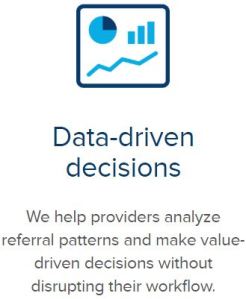 Vim says it has access to 10,000,000 patient profiles and 150,000 providers through major U.S.-based health plan partners. In the next 12 months, it loftily intends to “meaningfully reduce” the $1 trillion of excess cost in health care in the U.S. by targeting inconsistencies in treatment.
 Now, researchers have developed a fast-acting skin patch that efficiently delivers medication to attack melanoma cells. The device, tested in mice and human skin samples, is an advance toward developing a vaccine to treat melanoma and has widespread applications for other vaccines.
 Zing’s plan will give seniors access to a network of clinics in Cook County, Illinois, starting in January. The company hopes to expand to three states by 2022. It’s a managed care plan, which means the Centers for Medicare and Medicaid Services (CMS) will pay a single monthly fee per member in exchange for a more holistic approach to nurturing patient health. Zing is working with a network of community health centers, including Oak Street Health, which recently raised $65 million for its senior-focused facilities.
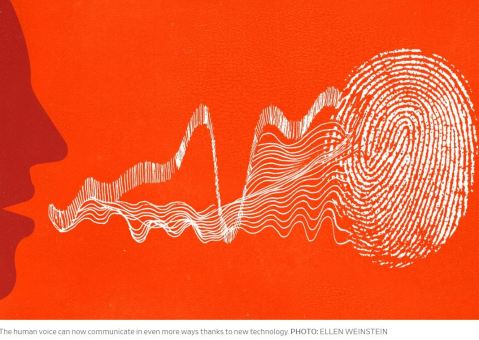 Slower speech, for example, could indicate fatigue or sorrow at one point in time, but over longer periods could signal something more severe, co-founder Jim Harper said.
 Boomers Daily