

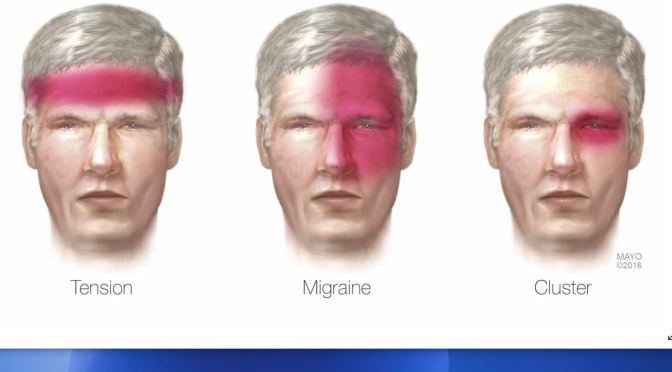
 Tension-type headaches can be either episodic or chronic. They are rarely disabling or associated with any significant autonomic phenomena, thus patients do not usually seek medical care and usually successfully self-treat. Unlike migraine, there is no significant nausea, no vomiting, and a lack of aggravation by routine physical activity.
In this podcast Mark Green, Professor of Neurology, Anesthesiology and Rehabilitation Medicine, Director of Headache and Pain Medicine, Icahn School of Medicine at Mount Sinai, New York, gives a clinical overview of the condition.
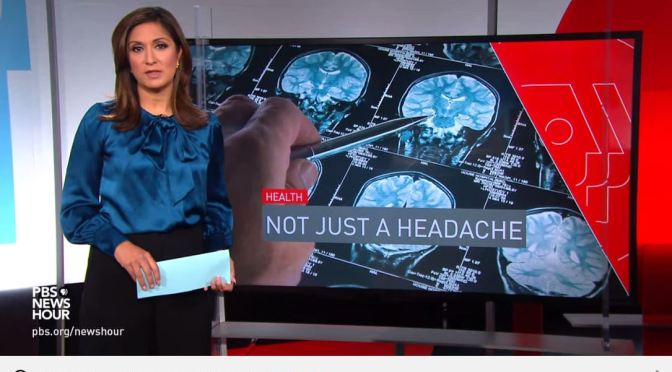
Migraine disease affects 47 million Americans — 75 percent of whom are women. Although headache is one symptom, attacks can include visual disturbances, nausea, extreme light and sound sensitivity, brain fog and debilitating pain. Stigma and gender stereotypes may complicate the medical response, treatments aren’t one-size-fits-all and federal funding is minimal. Stephanie Sy reports.
On the Mayo Clinic Radio program, Dr. Beth Robertson, a Mayo Clinic neurologist, discusses headaches and treatment for migraines.
This interview originally aired Feb. 22, 2020. Learn more about headaches: https://www.mayoclinic.org/diseases-c…
 Boomers Daily