

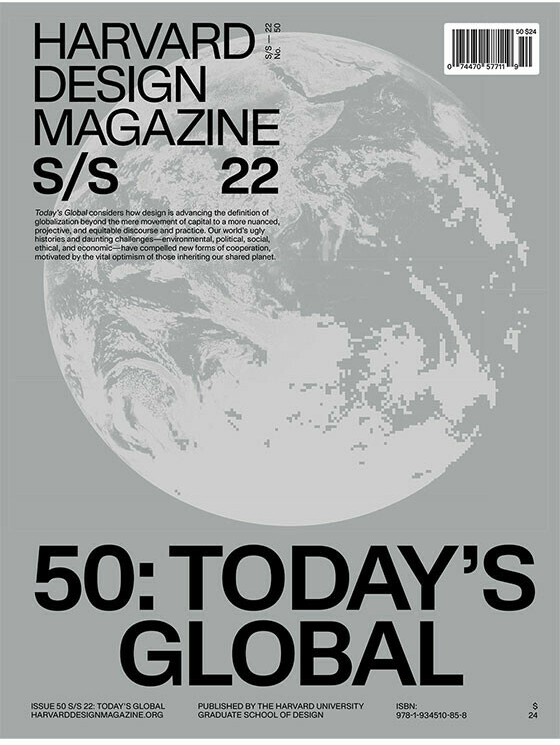

THE WORLD-CITIES OF THE GLOBAL AGE
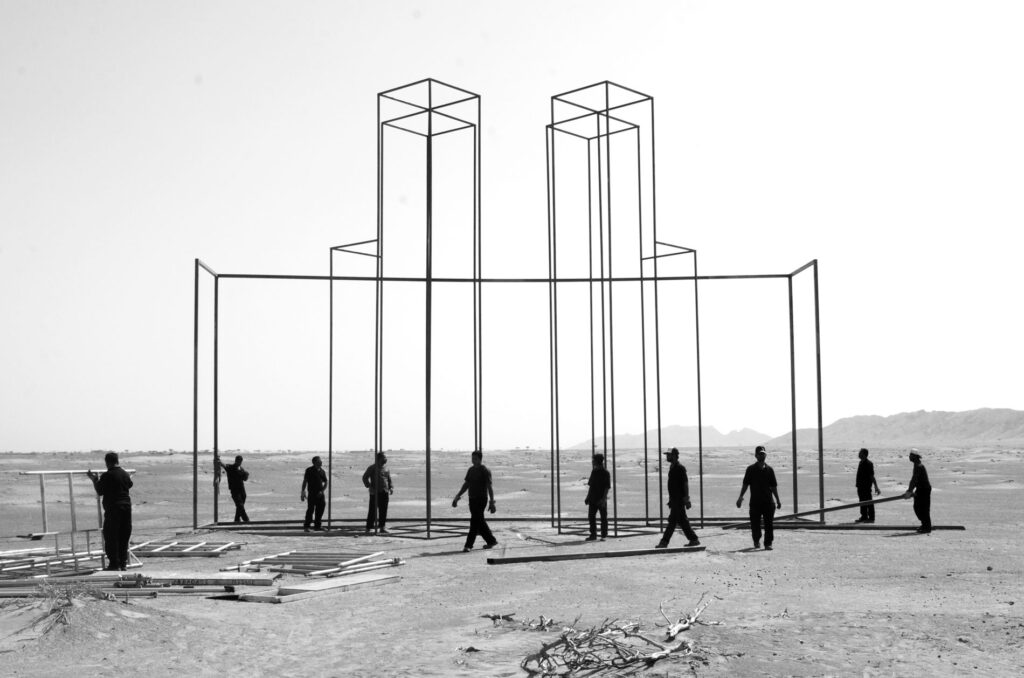
By Diana L. Eck
Lewis Mumford in introducing his now-classic study The City in History wrote, “This book opens with a city that was, symbolically, a world: it closes with a world that has become, in many practical aspects, a city.”1 He saw among the chief functions of the city the conversion of energy into culture. Indeed, the city of old was the anchor of the surrounding culture and synonymous with it. However in the decades since he wrote, the energies of cities have been fueled by an increasingly diverse population with increasingly diverse cultures. Cities are the very places where we see the effects of global migration and face the questions of identity in a complex multicultural society. Today there are a multitude of cities that are, symbolically, the world with all its diversity. Not just New York and London, but Minneapolis and Leeds are today’s world-cities. And the globalization of people, communications, and transportation has created a world that is, in many ways, a city.
READING ARCHITECTURE IN AN ERA OF GLOBALIZATION
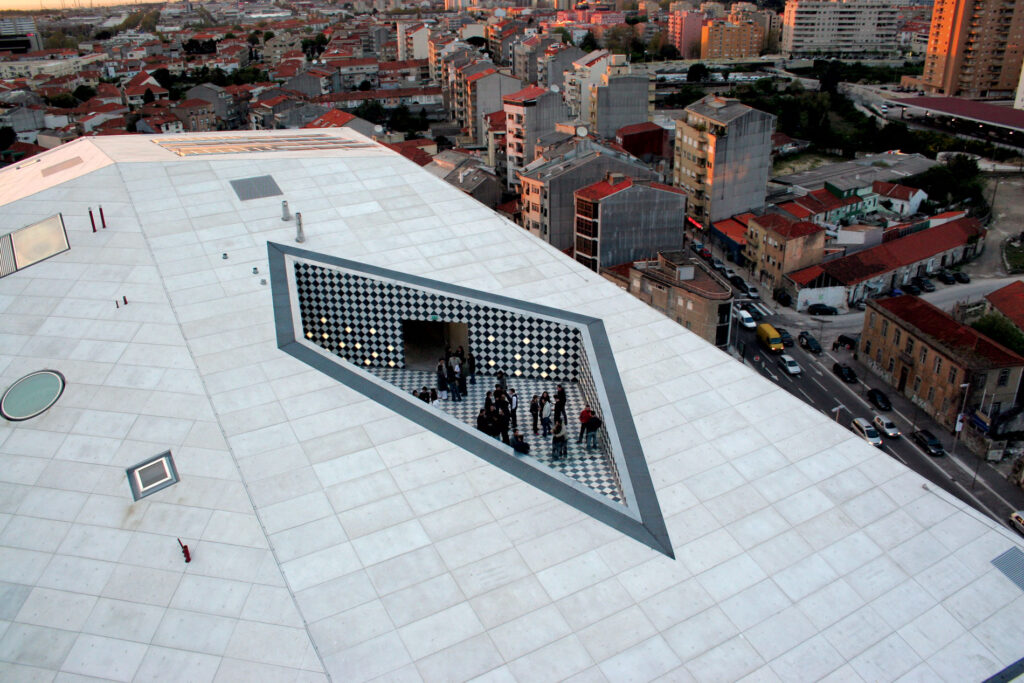
By Nicolai Ouroussoff
The architectural profession is in the midst of a long-overdue ethical reckoning. For years, it could ride the tidal wave of globalization to bigger and better commissions while still claiming that it was fighting the good fight. Nowadays, architects are more likely to be on the defensive. Our most celebrated architectural minds are routinely chastised in the media for placing personal vanity above the interests of the general public. And the fact that many of them have been far too willing to brush aside a client’s dubious ethics for the right commission has done little to dispel that perception.
O
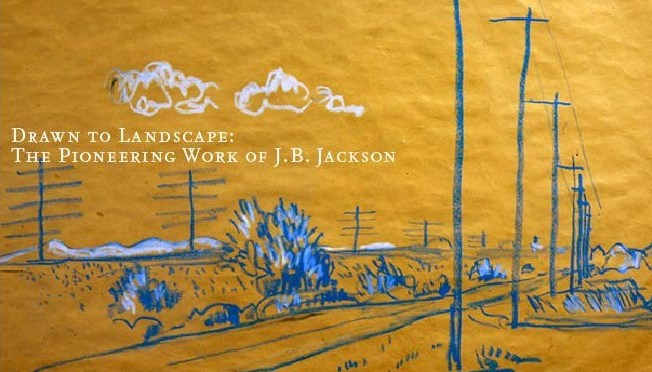
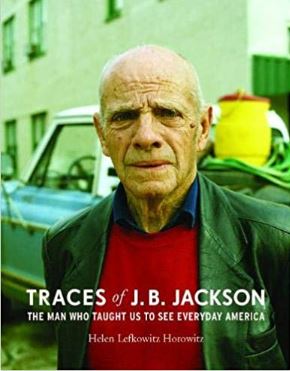 After a varied life of traveling, writing, sketching, ranch labor, and significant service in army intelligence in World War II, Jackson moved to New Mexico and single-handedly created the magazine Landscape. As it grew under his direction throughout the 1950s and 1960s, Landscape attracted a wide range of contributors. Jackson became a man in demand as a lecturer and, beginning in the late 1960s, he established the field of landscape studies at Berkeley, Harvard, and elsewhere, mentoring many who later became important architects, planners, and scholars.
 countryside and city, exploring them as texts that reveal important truths about society and culture, present and past. In Jackson’s words, landscape is “history made visible.”
 Boomers Daily