
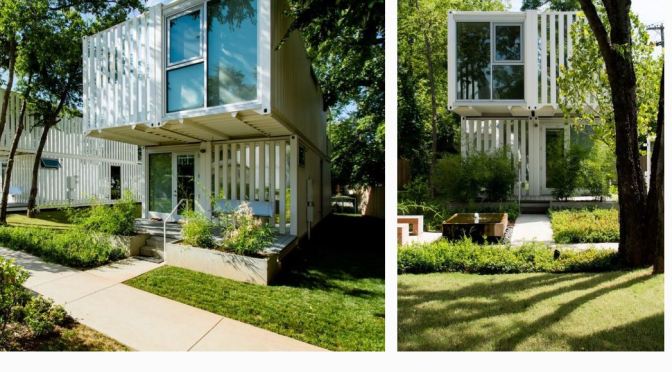
From a Dezeen.com online review:
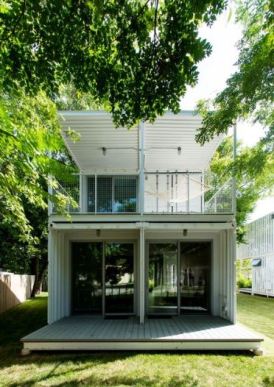 Two containers make up the ground floor of each house, with two more cantilevered three metres over one end to create a sheltered porch below and a first-floor terrace off the master bedroom.
Oklahoma has a hot climate, so the steel containers have been painted white to reduce heat gain, while mirrored strips reflect the sun’s glare.
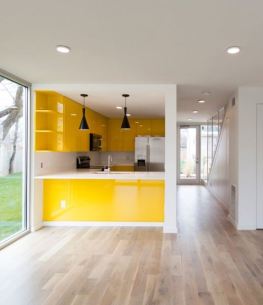 Squirrel Park is a scheme of four houses made from converted shipping containers in Oklahoma City, USA, by Allford Hall Monaghan Morris. Built for a developer client who plans to live in one of the properties, Squirrel Park has four two-bedroom homes on a 2,500-square-metre site.
https://smithdesigncompany.com/squirrel-park/6y6kpxgw1o63uvt09y8viifgw7mj5q
A total of 16 lightly used steel shipping containers – which had “been around the world once” according to AHHM – were used to make the four houses. The three family homes not occupied by the developer will be rented at “competitive market rates”.
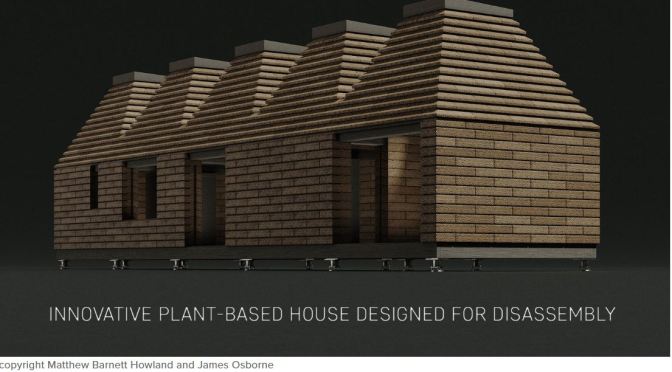
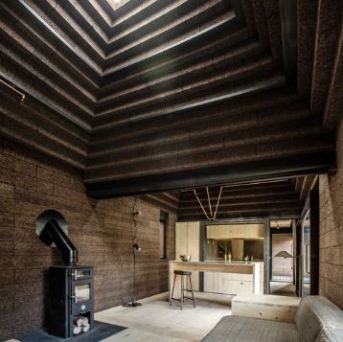 Cork House embodies a strong whole life approach to sustainability, from resource through to end-of-life. Expanded cork is a pure bio-material made with waste from cork forestry. The bark of the cork oak is harvested by hand every nine years without harming the tree or disturbing the forest.
 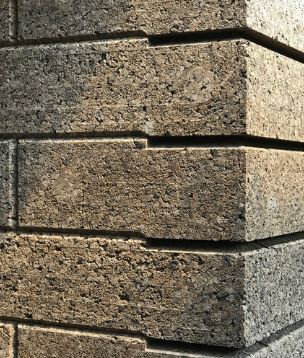 This gentle agro-industry sustains the Mediterranean cork oak landscapes, providing a rich biodiverse habitat that is widely recognised. This compelling ecological origin of expanded cork is mirrored at the opposite end of the building’s lifecycle. The construction system is dry-jointed, so that all 1,268 blocks of cork can be reclaimed at end-of-building-life for re-use, recycling, or returning to the biosphere.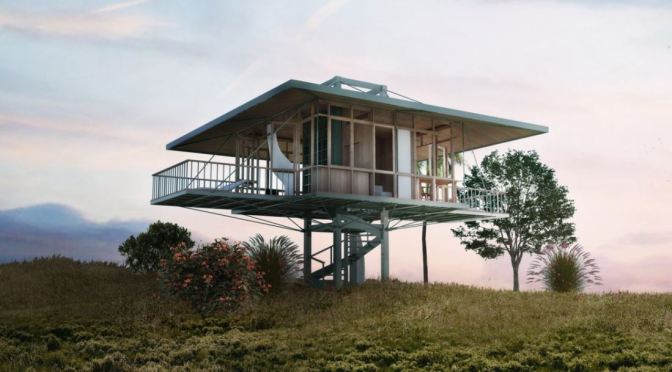
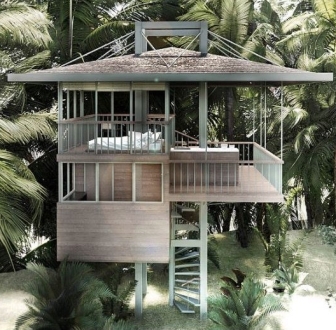 Stilt Studios are small homes on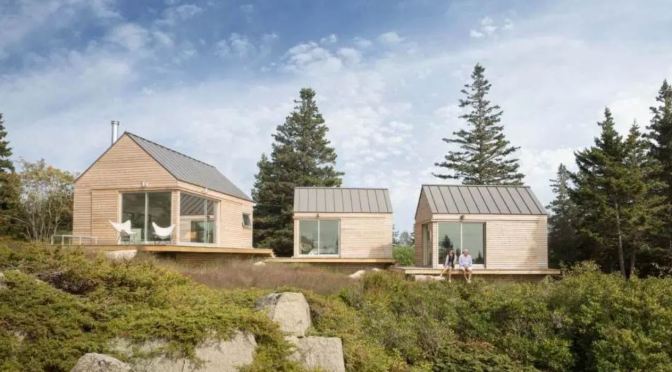
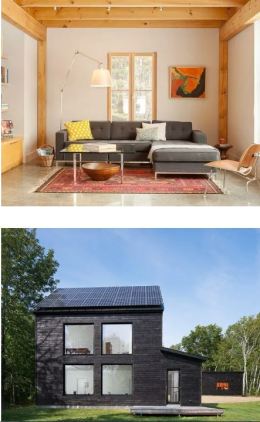 To meet Passive House standards, the Cousins River Residence features an airtight building envelope, triple-glazed windows with a u-value of 0.16, a heat recovery ventilation system with 90% efficiency, and a 4.6 kW south-facing photovoltaic array on the garage roof that makes the house nearly net-zero energy.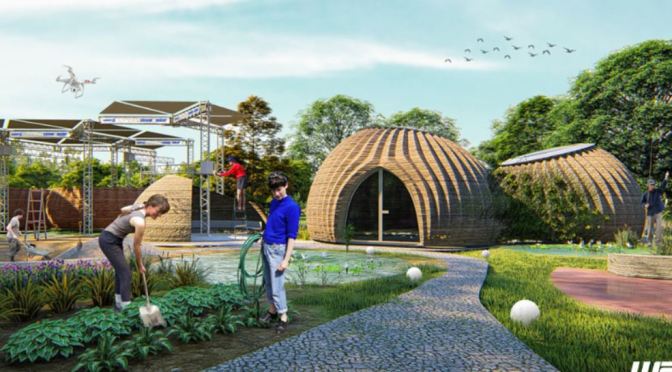
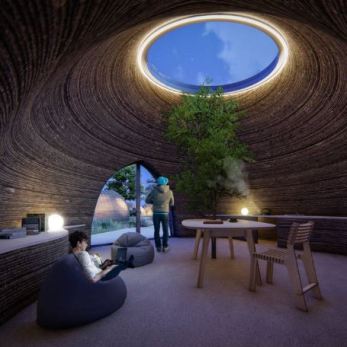 Designed by MC A and engineered and built by WASP, TECLA will be the first house to be entirely 3D printed using locally sourced clay – a biodegradable and recyclable ‘km 0 natural’ material which will effectively make the building zero-waste. It will be built to adapt to multiple environments, and it will be suitable for self-production through the use of WASP’s innovative Maker Economy Starter Kit. This approach will limit industrial waste and offer a unique sustainable model that will boost the national and local economy, improving the wellbeing of communities. Furthermore, the scheme will significantly accelerate the construction process as the 3D printer will produce the entire structure at once.
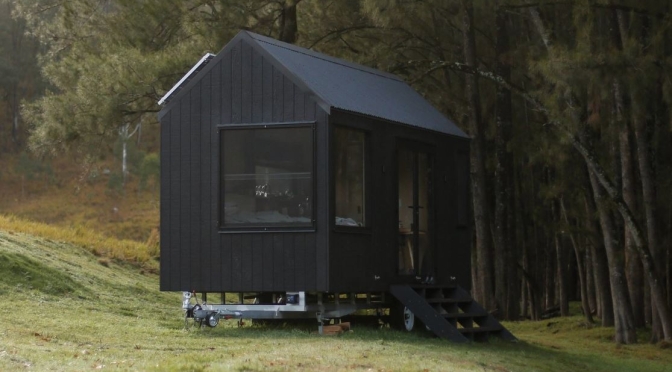
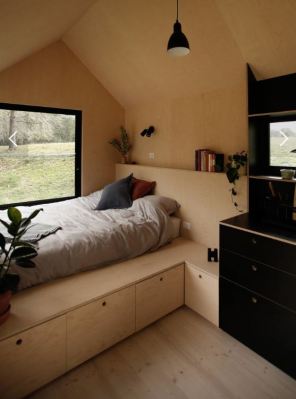 the lightweight timber structure is built on a wheeled chassis and clad in matte black weathertex, a locally sourced material made from forest thinnings and other industry by-products in the production process. the off-grid cabin features built-in joinery that blends seamlessly with the interior lining and cathedral ceiling so that this sense of openness is preserved.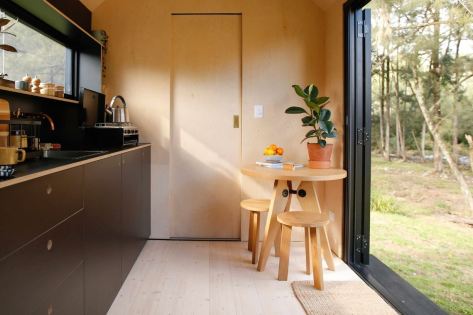
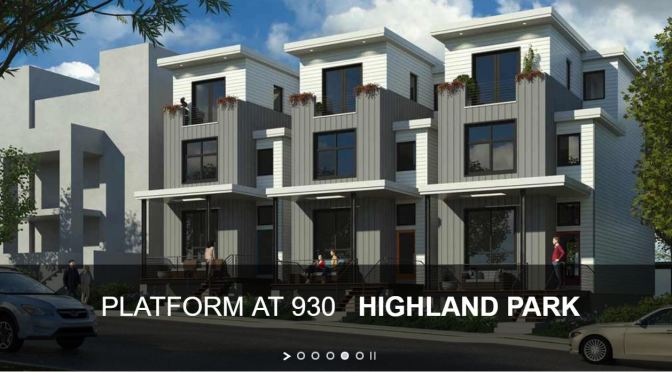
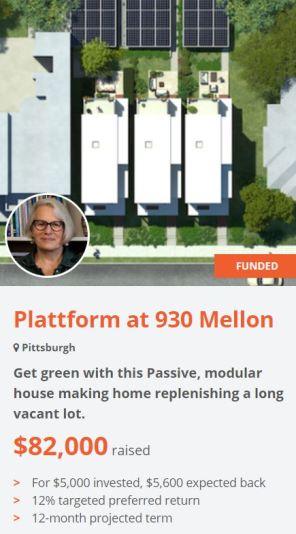 Small Change raised $82,000 in equity to help construct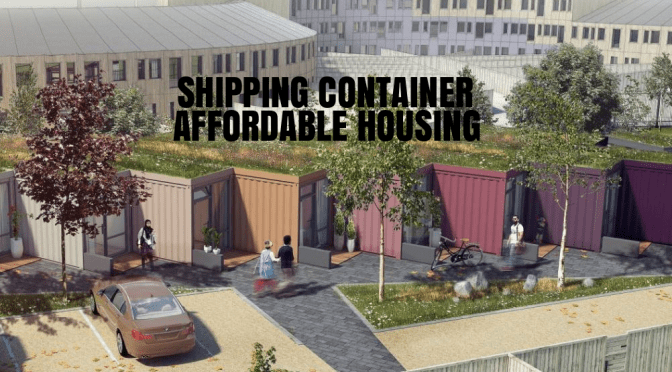
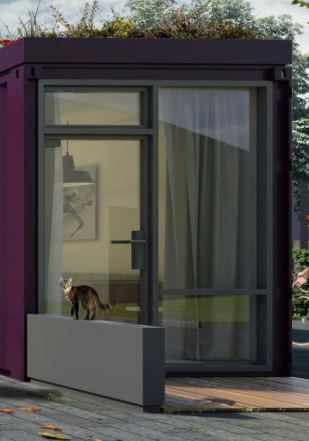 “The scheme provides much-needed single-person accommodations for social rent using converted shipping containers to create contemporary, environmentally-friendly homes in a desirable area near to local amenities and within walking distance of the town center,” explain the architects. The firm developed the design in consultation with local residents and stakeholders, and they previously completed a pop-up container cafe for Kingston University and volumetric student residential projects in Coventry.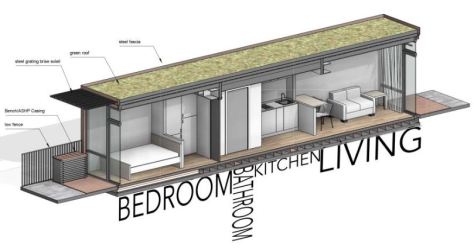
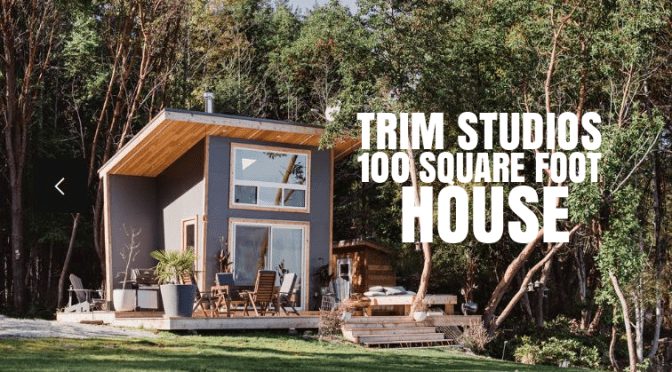
 For Trim Studio, the design requirements were simple and straightforward: a living area, kitchen, wood-burning stove, bathroom, bedroom, patio, log storage, and an outdoor shower. The challenge, however, came with the square footage restrictions: the home could be no larger than 100 square feet, and no taller than 16 feet high.
 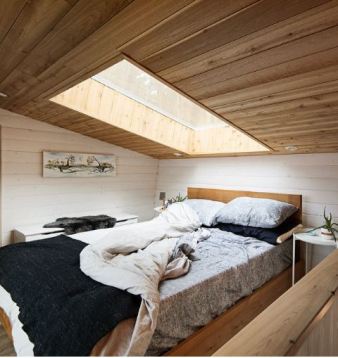 Kris and Ali visited the site and, as Rodrigo Munguia, principal of Trim Studio, tells it, “immediately fell in love with the property.” Dubbing the site and house Ohana (meaning family in Hawaiian), the couple knew they wanted a cabin that spoke to the wooded area and took advantage of the property’s magnificent views. Particularly exciting for Munguia was the fact that they also wanted to have their wedding on the property, and planned to start their lives together at Ohana as a married couple.
 Boomers Daily