

Tag Archives: Exoplanets

Research Preview: Nature Magazine – May 4, 2023

Volume 617 Issue 7959

nature Magazine – May 4, 2023 issue: As stars evolve, they expand and so will engulf planets in close orbit around them. This planetary catastrophe is expected to generate powerful luminous ejections of mass from the star, although this has not been observed directly.

Is the world ready for ChatGPT therapists?

The current landscape of mobile mental-health apps is the result of a 70-year search to automate therapy. Now, advanced AIs pose fresh ethical questions.

Cartoon of a mobile phone as a psychotherapist surrounded by several other mobile-phone patients
Illustration by Fabio Buonocore

Since 2015, Koko, a mobile mental-health app, has tried to provide crowdsourced support for people in need. Text the app to say that you’re feeling guilty about a work issue, and an empathetic response will come through in a few minutes — clumsy perhaps, but unmistakably human — to suggest some positive coping strategies.

Fish on dry land hint at why we blink
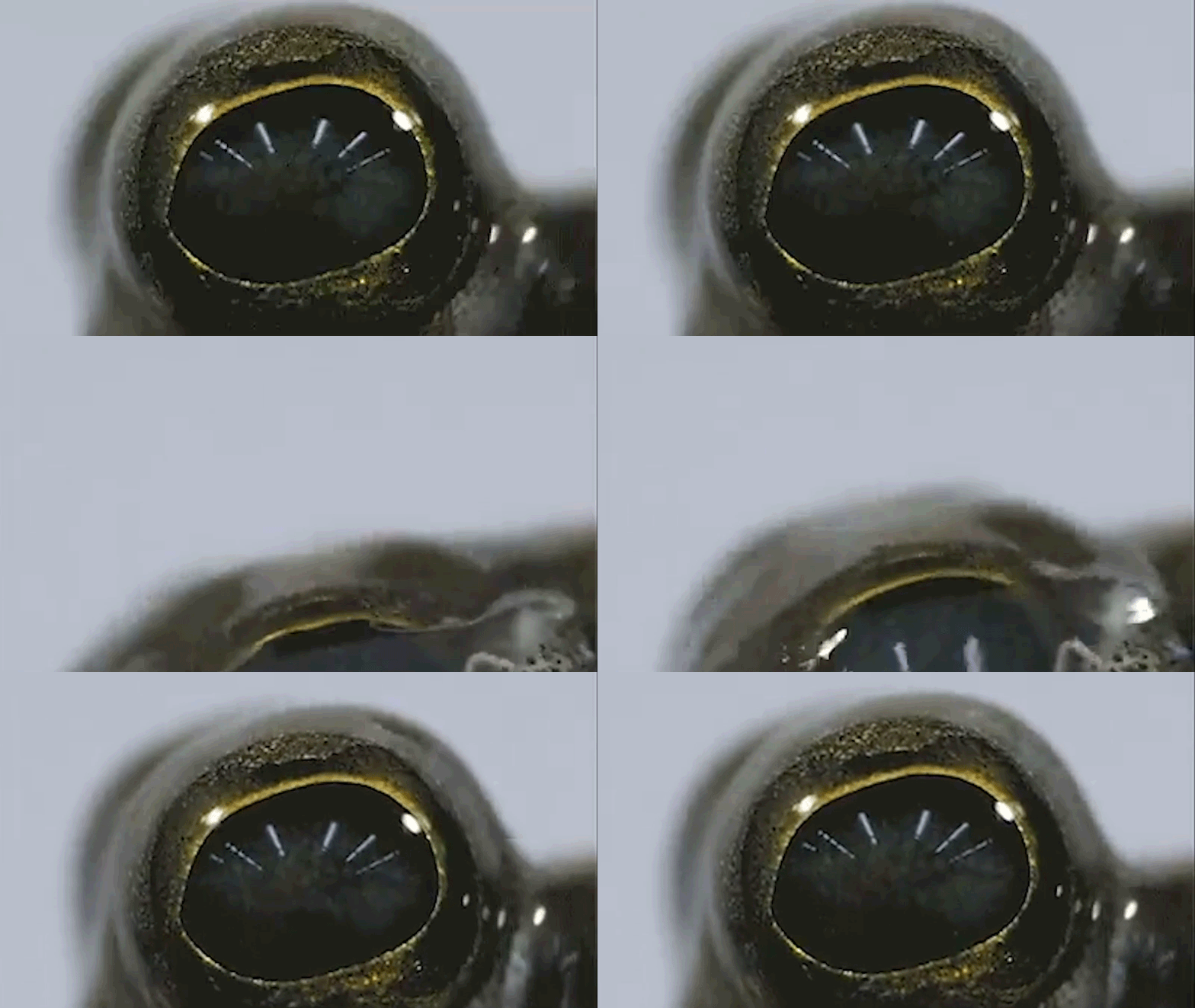
Close up of an Indian mudskipper (Periophthalmodon septemradiatus) blinking on land.
Mudskippers blink by retracting their eyes into the heads, helping them to moisten their corneas. Credit: Brett R. Aiello

Insights from mudskippers suggest that blinking is an adaptation to emerging from the sea.

Astronomy: James Webb Telescope First Images

The first images from the James Webb Space telescope have been revealed. Incredibly clear images of the Carina Nebula, the Eight-Burst Nebula, a galaxy cluster called Stephan’s Quintet and an exoplanet named WASP-96b make up the first set of science data from JWST.

Science: Cloning Saves An Endangered Species And Exoplanet ‘Super-Earths’

On this week’s show: How cloning can introduce diversity into an endangered species, and ramping up the pressure on iron to see how it might behave in the cores of rocky exoplanets.

First up this week, News Intern Rachel Fritts talks with host Sarah Crespi about cloning a frozen ferret to save an endangered species.

Also this week, Rick Kraus, a research scientist at Lawrence Livermore National Laboratory, talks about how his group used a powerful laser to compress iron to pressures similar to those found in the cores of some rocky exoplanets. If these super-Earths’ cores are like our Earth’s, they may have a protective magnetosphere that increases their chances of hosting life.

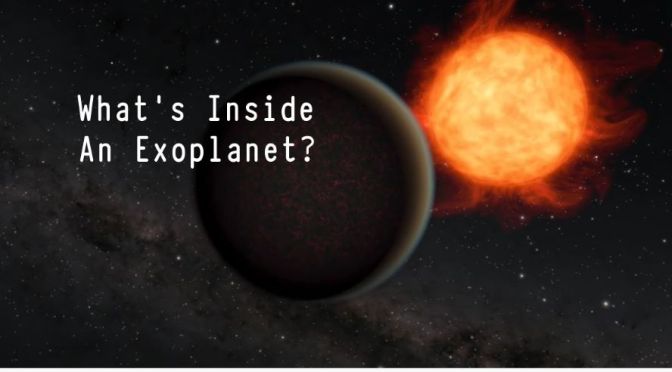
Astronomy: What’s Inside An Exoplanet? (Video)

Out in the vast universe, unknown billions of strange worlds drift around other stars. Many of them are quite unlike anything in our solar system. While astronomers hope to use immense upcoming observatories to get a better look at their outsides, Federica Coppari has been using the world’s largest laser to investigate their insides. Coppari compresses familiar substances, including rocks and water, into new forms. Her work has yielded insights into the inner workings of frozen giants such as Uranus and Neptune, as well as the potential habitability of super-Earths — rocky planets that dwarf our own. Read more at Quanta Magazine: https://www.quantamagazine.org/federi…

Top New Science Podcasts: Social Priming, Killer Whale Grandmothers And Accoustics (Nature)

Nature PodcastsListen to the latest from the world of science, brought to you by Benjamin Thompson and Nick Howe. This week, the embattled field of social priming, and the latest sounds from a big acoustic meeting.

In this episode:

00:45 What’s next for social priming?

How might a branch of psychological research move forward in the face of replication failures? News Feature: What’s next for psychology’s embattled field of social priming

08:55 Research Highlights

Killer-whale grandmothers help their grandchildren survive, and the failed voyage of a reproduced ancient raft. Research Highlight: Why female orcas make killer grandmasResearch Highlight: On a model ancient raft, seafarers are up the current without a paddle

11:12 The sounds of science

We hear the latest updates from the Acoustical Society of America’s recent conference.

18:44 News Chat

Reassessing when civilisations moved to modernity, and understanding exoplanets. News: When did societies become modern? ‘Big history’ dashes popular idea of Axial AgeNews: European space telescope to launch new era of exoplanet science