
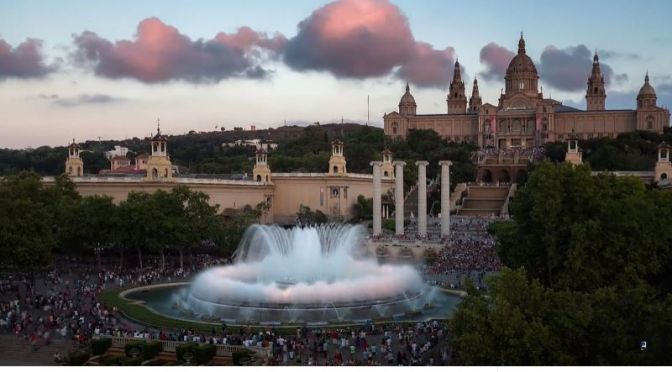
Filmed and Edited by: Jordi de Temple
Barcelona, the cosmopolitan capital of Spain’s Catalonia region, is known for its art and architecture. The fantastical Sagrada Família church and other modernist landmarks designed by Antoni Gaudí dot the city. Museu Picasso and Fundació Joan Miró feature modern art by their namesakes. City history museum MUHBA, includes several Roman archaeological sites.
More than 6 years have passed since I published “Into the Night”. Since then I have had the opportunity to capture hundreds of landscapes, both urban and natural, using the timelapse technique.
With “Temps” I wanted to show some of these urban landscapes of the city of Barcelona, to represent through images, the passage of time and the ephemeral and fragile of human life.


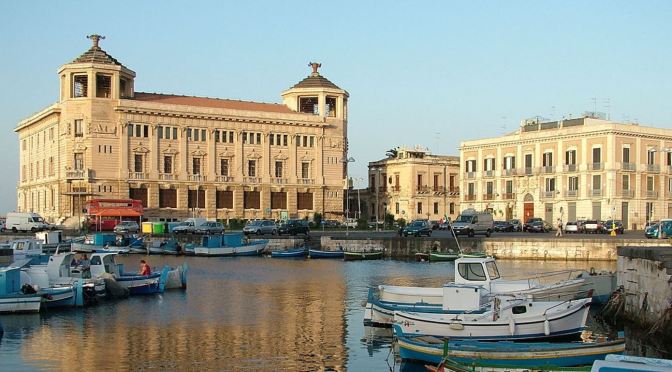
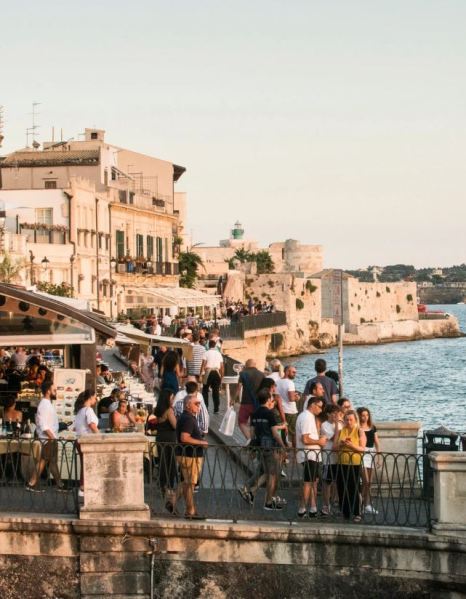 A passeggiata, or evening walk, around the perimeter of Ortigia reveals many notable structures and stories. Start from the Parco Letterario Elio Vittorini, on the eastern side, and head clockwise. As waves crash against the rocks below the sea wall, you’ll pass crenelated lookout points and the chiseled facade of the 17th-century Chiesa dello Spirito Santo, before finding yourself in the palm-planted gardens of the 13th-century Castello Maniace.
 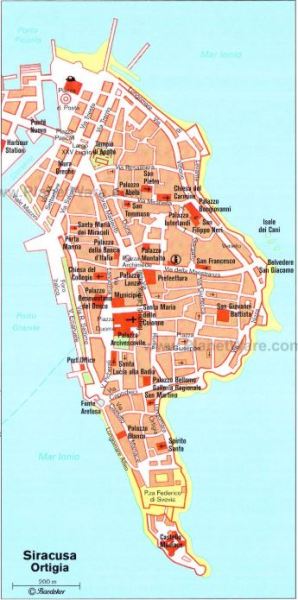 Ithe southeastern Sicilian city that Cicero called “the greatest and most beautiful of all Grecian cities” achieved a size and status in the ancient world that made it a rival of major powers like Athens and Carthage. Takeovers and makeovers by Romans, Byzantines, North Africans, Normans and others left their marks as well, influencing everything from religious art to the region’s distinctive savory-sweet-sour cooking style. Much of the ancient city has crumbled since Cicero’s day, though the ruins can still be explored in Syracuse’s celebrated archaeological park and museum. But the main attraction today is the historical center of Syracuse: Ortigia island, a maze of narrow streets, ornate Baroque churches and centuries-old palazzi.
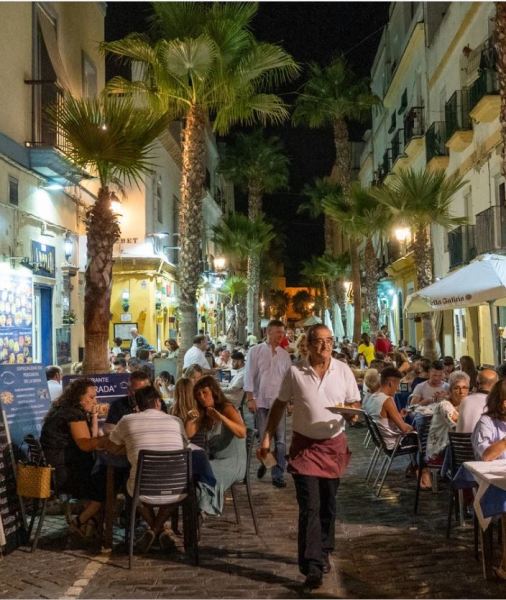 One of the reasons the province of Cádiz is on this year’s 52 Places list is food, as chefs in the area are innovating with pork and fish, the base ingredients here. I tried out a few of the white-tablecloth joints, but came away remembering the noisy, cheap tapas bars that have been around forever.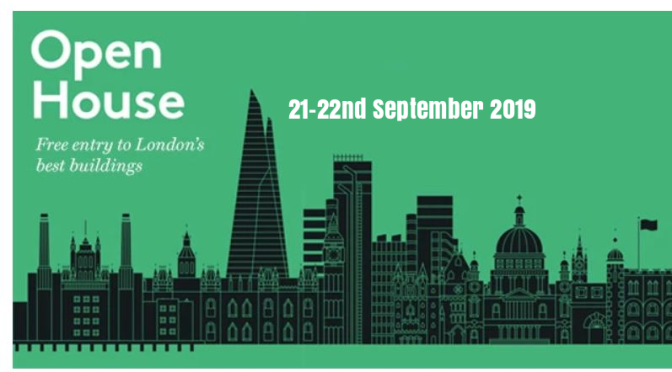
 Running the course of a weekend, from Saturday 21st to Sunday 22nd September,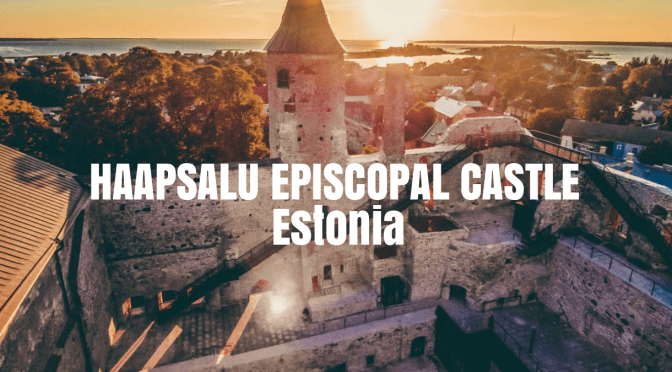
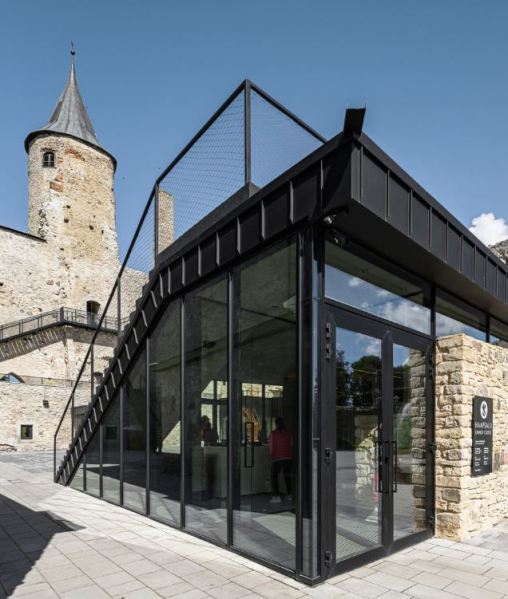 the long and colourful history of haapsalu episcopal castle began when it was built in the 13th century, but since the 17th century the main castle has been in ruins.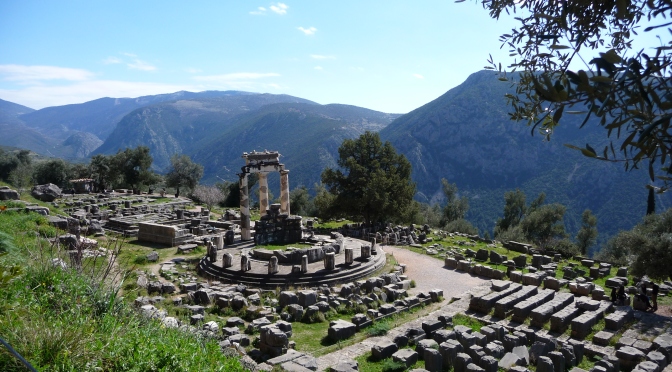
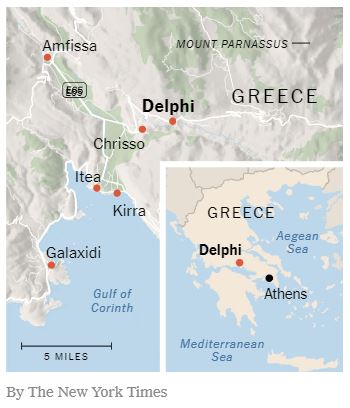 But as I stood on the archaic plateau, I was riveted. The broken columns of once-mighty altars rose like spirits in the pure air. A timeworn stadium and a prodigious stone amphitheater reigned silently over the mountain. The Temple of Apollo, where the Oracle dispensed her cryptic prophecies, was ringed with paths trod by truth-seekers who had labored up the steep valley from the Corinthian Gulf.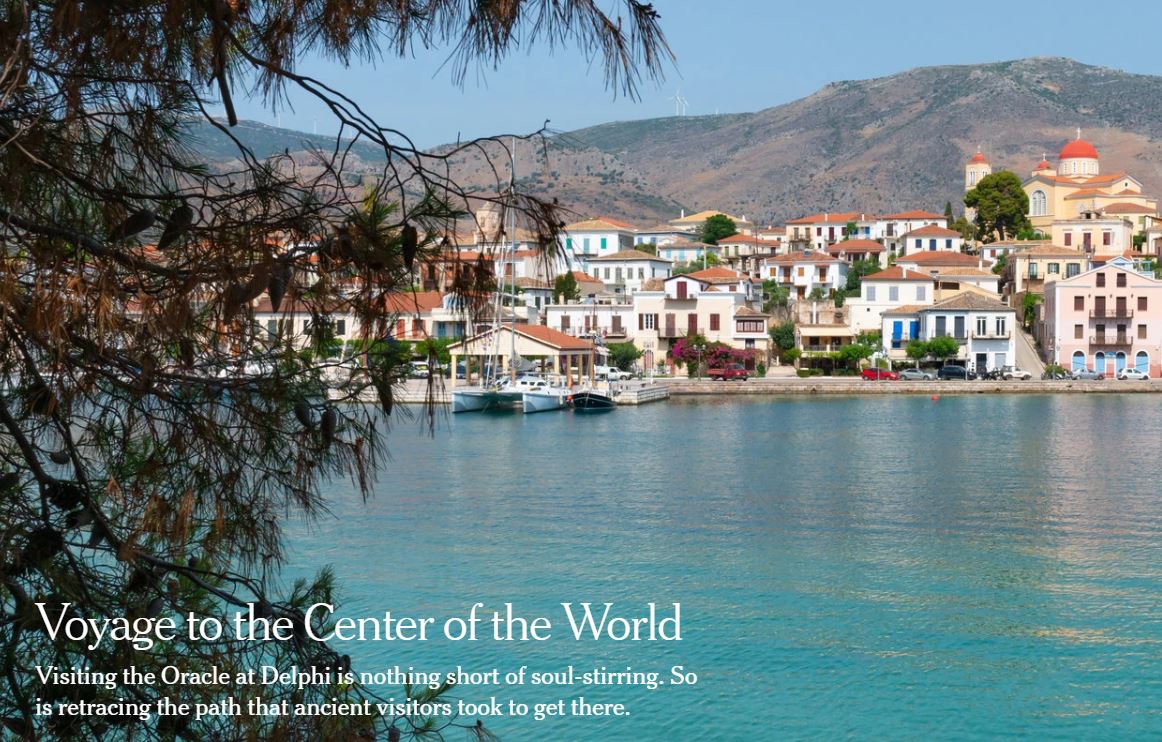
 Boomers Daily