
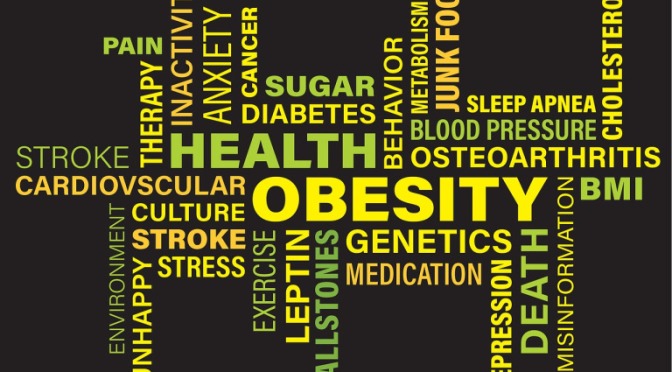
From a The Lancet online editorial (Feb 3, 2020):
 Prevention represents the most cost-effective, long-term strategy for reducing the cancer burden and associated mortality. If provided with adequate information and support to adopt a healthy lifestyle, individuals can reduce their exposure to behavioural and dietary cancer risk factors by quitting smoking, maintaining a healthy BMI, cutting down on alcohol consumption, exercising more, and eating a healthy diet rich in fruit and vegetables.
Although smoking is currently the major cause of preventable cancer cases and accounts for 22% of cancer deaths, a 2018 report from Cancer Research UK estimated that high BMI (overweight and obesity) now causes more cases of four common cancers (bowel, kidney, ovarian, and liver) in the UK than does smoking, and could overtake smoking as the biggest cause of cancer in women in the UK by 2043. According to WHO, in 2016, 1·9 billion adults around the world were overweight, of whom 650 million had obesity—triple the number in 1975. State-level projections for the USA paint an even bleaker picture going forward: by 2030, 48·9% of adults will have obesity; 24·2% of adults will have severe obesity; and severe obesity will be the most common BMI category among women, non-Hispanic black adults, and low-income adults. With such shocking statistics, the knock-on effect of the obesity epidemic for cancer prevention and control cannot be underestimated.


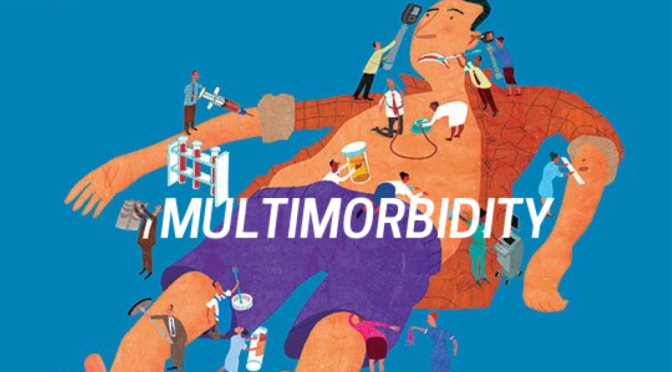
 The proportion of patients who have two or more medical conditions simultaneously is, however, rising steadily. This is currently termed multimorbidity, although patient groups prefer the more intuitive “multiple health conditions.” In high income countries, multimorbidity is mainly driven by age, and the proportion of the population living with two or more diseases is steadily increasing because of demographic change. This trend will continue.
 Boomers Daily