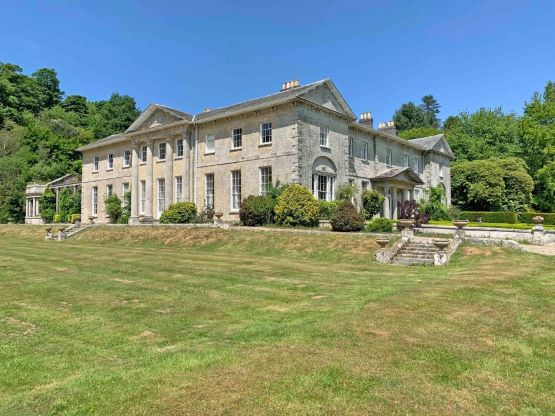
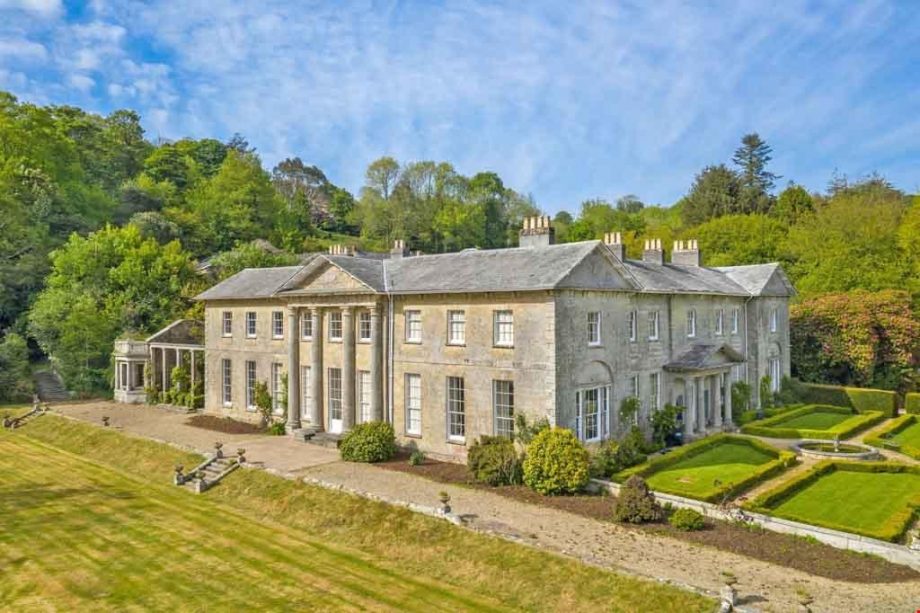
Much of the building as it stands today was completed in 1805 by Edmund Glynn, son of American Independence supporter John Glynn, but its history is much older.
Penny Churchill
June 9, 2021
The manor was mentioned in the Domesday Book and was later home to distinguished personages such as Henry II’s Justiciar, Richard de Lucy, and perhaps most extraordinary of all the Earl of Warwick, ‘the Kingmaker’.
In the 18th century, the estate belonged to Waterloo hero Sir Hussey Vivian and, in the 1960s, to Nobel-prize winning chemist Peter Mitchell.
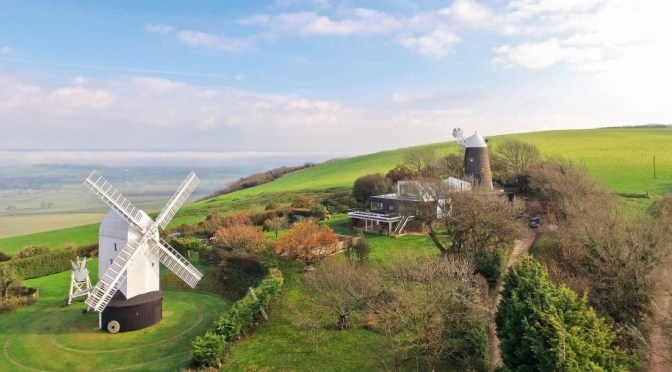
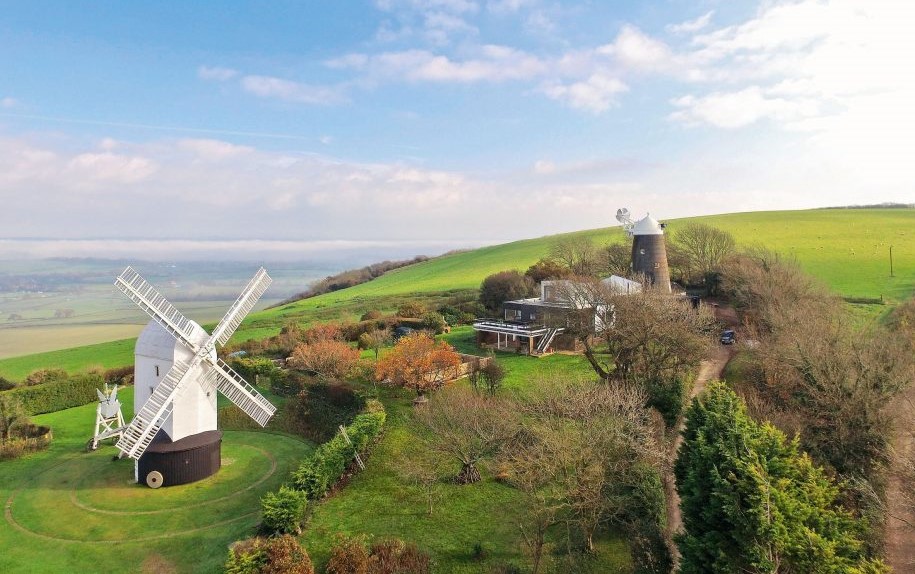
There are about 140 windmills left in the UK today — of these, about 40 still work. By comparison, explains Mildred Cookson, chair of the Society for the Protection of Ancient Buildings (SPAB)’s mills section, there were more than 1,000 in the 1890s.
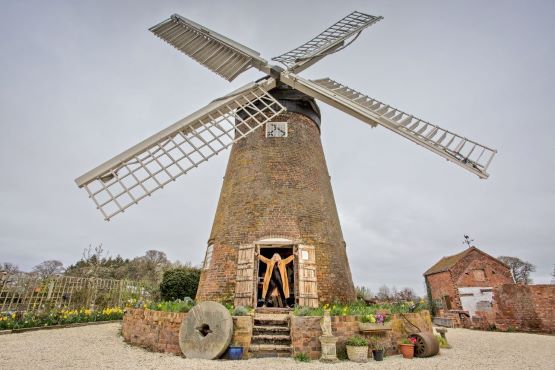
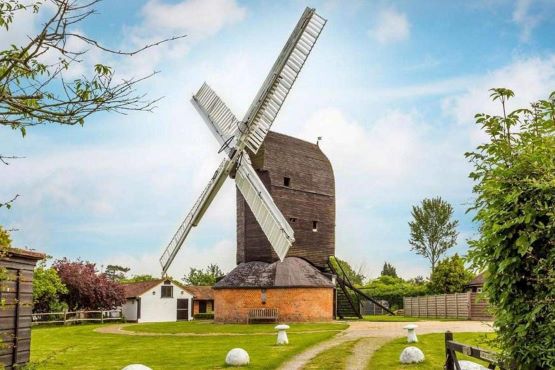
They tend to take one of two styles: the brick-built tower mill, where only the cap rotates, or the wooden post mill, which fully rotates around a vertical post and dates to about 1185, when one was built at Weedly, East Yorkshire.
Some are more famous than others. John Constable painted the mill at Petworth, West Sussex, and, in Buckinghamshire, Cobstone features as the home of Caractacus Potts in the 1968 film adaptation of Ian Fleming’s Chitty Chitty Bang Bang. In the BBC’s mystery crime series Jonathan Creek, starring Alan Davies, it’s King’s Mill in Shipley, West Sussex, that steals the show.
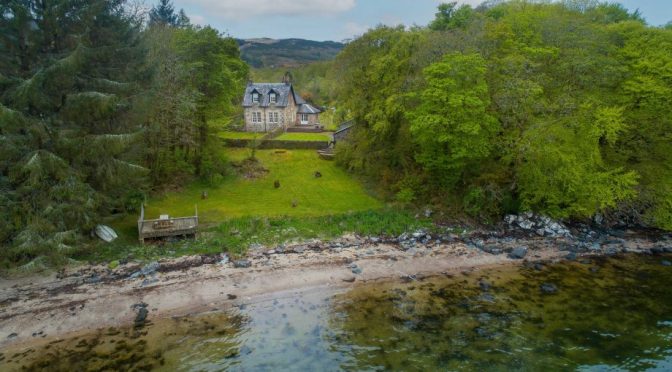
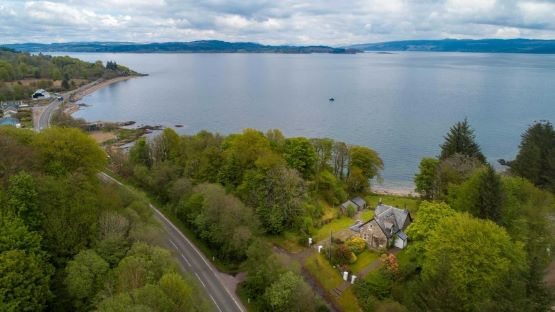
Situated just outside of the former fishing town of Lochgilphead in West Scotland, and close to the neighbouring Ardrishaig (which is renowned for sailing and watersports) sits The Old School House.
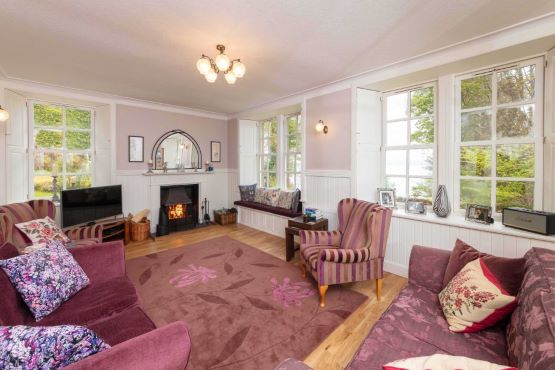
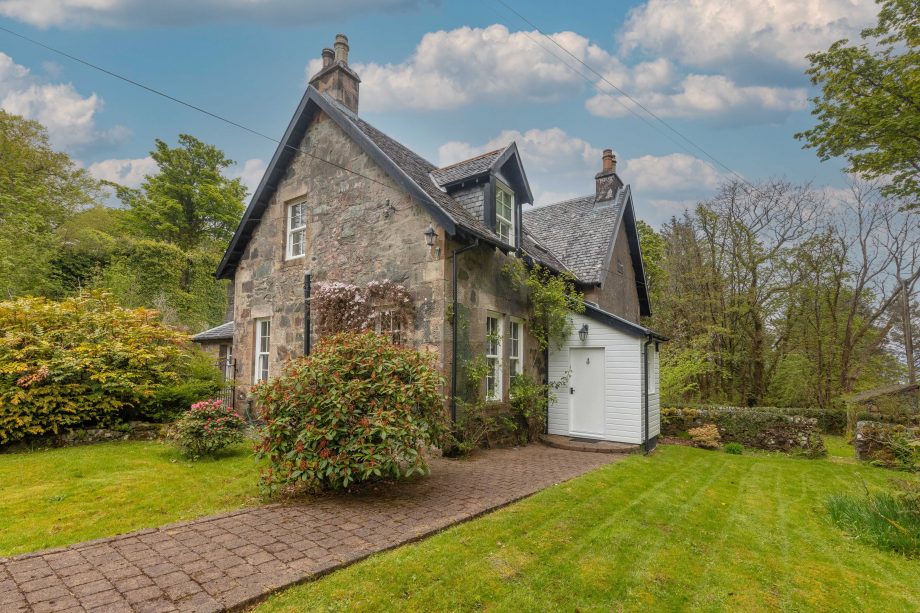
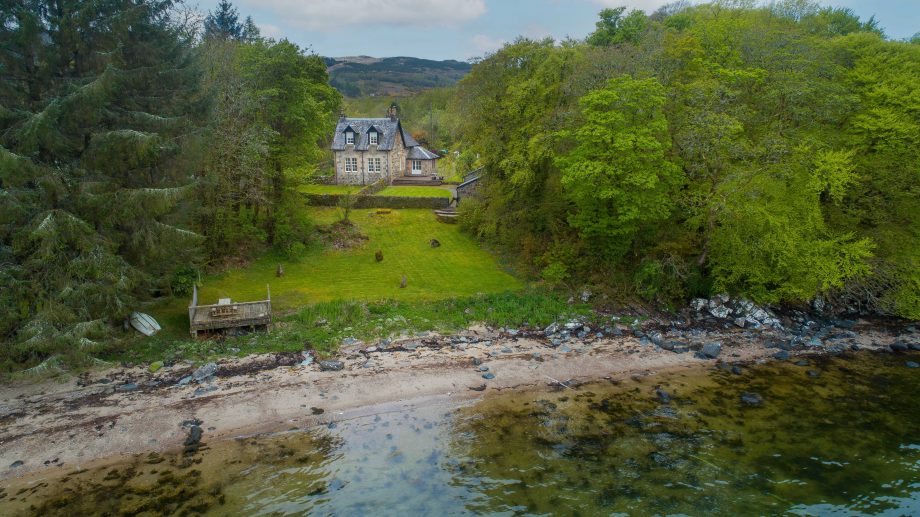
Located just back from the road and leading directly down onto Loch Fyne, the traditionally charming property, which was once — unbelievably — a school house, has, in recent years undergone renovation work. The result is a lovely home in an unbeatable location.
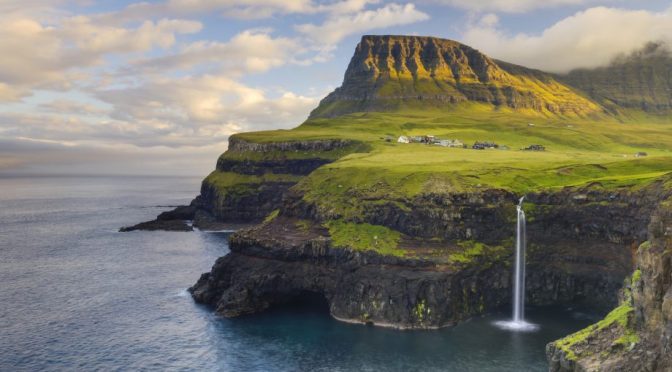
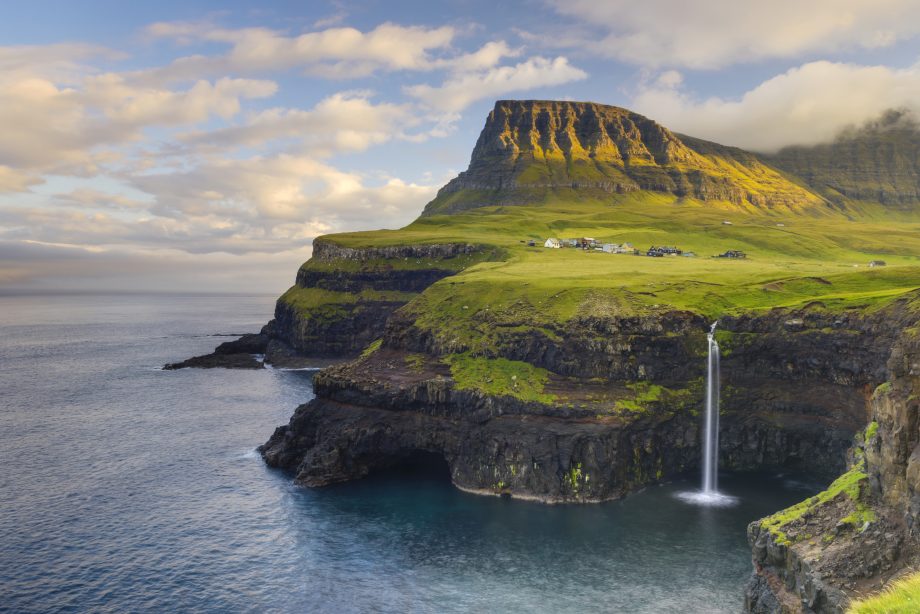
These 18 rugged spikes of basalt half way between Shetland and Iceland are windy, wet and wild. The crew shooting aerial scenes for the upcoming James Bond film, No Time to Die (out September 30) had to bring in a small helicopter on the ferry from Denmark to film the sheer cliffs surrounding the deep road tunnels that link the four tiny villages on the island of Kalsoy (total population: 70).
In reality the Faroese are probably the people least likely to ever harbour a Bond villain—a tight-knit community of just 52,000 where most people can still name a common ancestor. Getting there is easier than many imagine, with twice weekly flights from Edinburgh (with Atlantic Airways) or twice daily from Copenhagen.
Popular with celebrities and surfers alike, The Beach Hut, in Millook, is a charming seaside home at quite a price — but it comes with its own stretch of beach and 40 acres of Cornwall.
Built in 1929 as a tearoom, the property was converted in the 1980s and today has a romantic charm that complements the idyllic setting.
The open-plan studio interiors feature stripped wooden floors, exposed stone walls and a log burning stove, and open onto a covered veranda that’s the perfect place to relax and soak up the panorama.
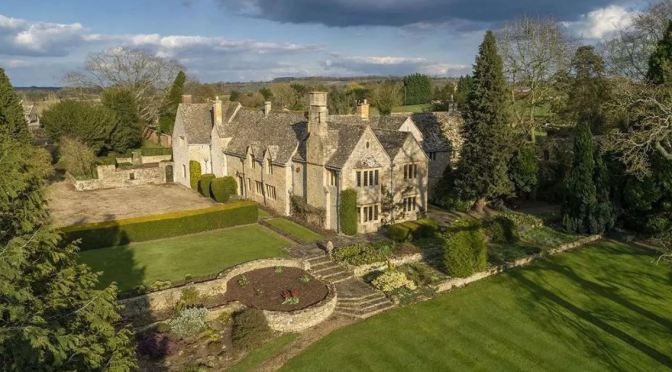
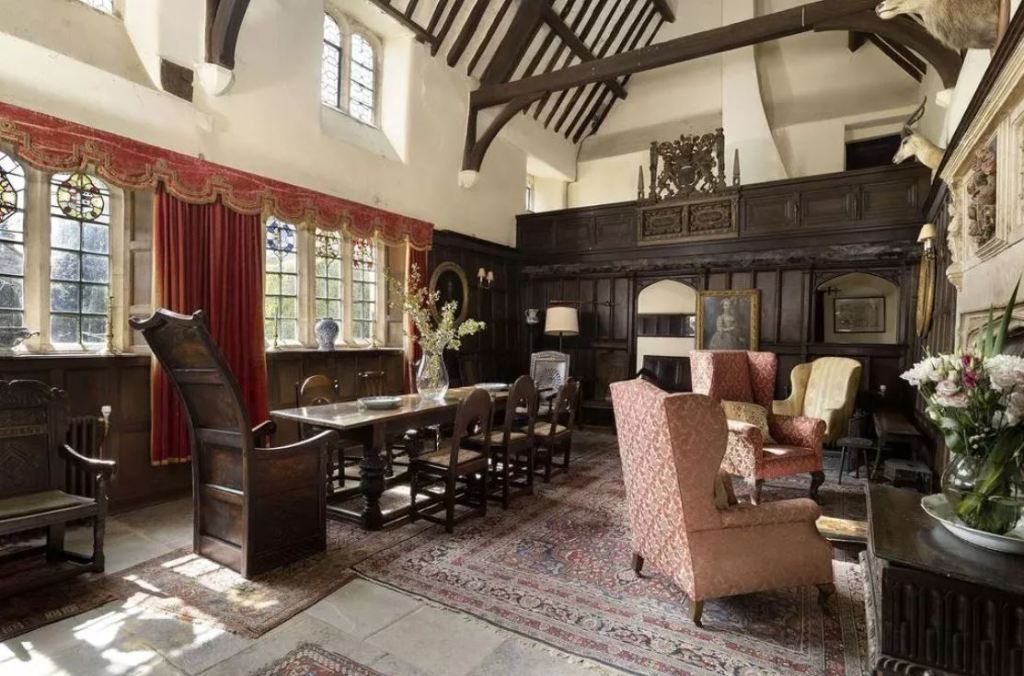
According to its Historic England listing, Little Wolford Manordates from the late 15th or early 16th century, and although there have been 16th-, 17th- and 20th-century additions, Little Wolford Manor still follows the original medieval plan, its focal point being the great hall with its vaulted roof and hammer beams, minstrels’ gallery and huge fireplace.
An April 1957 piece in the now defunct The Antique Collector describes Little Wolford Manor, in the timeless timeless south Warwickshire village of Little Wolford, as a house ‘of truest Cotswold type… a small gem of Cotswold rural craftsmanship with many well-preserved features in wood as well as in stone’.
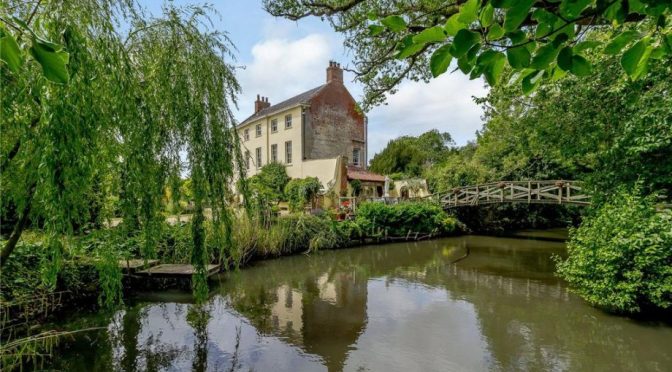
Mixing the right amount of luxury and comfort with a Shakespearean inspired garden, The Old Rectory near Beeston in north Norfolkhas a charming moat that surrounds three-quarters of the property, a Willow tree that frames the water and a wooden Monet-style bridge that crosses the moat?
Beeston is a town in Nottinghamshire, England, 3.4 miles south-west of Nottingham city centre. To the immediate north-east is the University of Nottingham’s main campus, University Park.
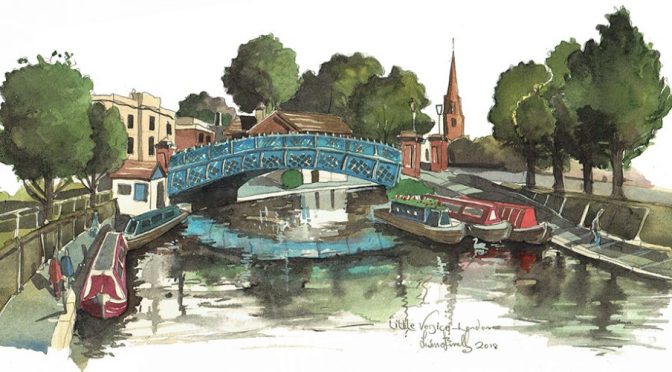
The new crop of Italianate villas, iced white with stucco like giant cakes, and the rows of brick terraces and mansion blocks that followed them soon became home to publishers (Charles Ollier), artists (Sir John Tenniel) and poets: Robert Browning lived at 19, Warwick Crescent for more than 20 years and the pool where the Grand Union and Regent’s canals meet is now called after him.
Although Browning has been credited with naming the canal area Little Venice, it was Byron that first (facetiously) compared the basin to the Italian lagoon.
Story has it that the poet used to walk along the Paddington arm of the Grand Union Canal with his publisher, John Murray — helpfully pointing to the bridge where another publisher had once drowned himself — and was inspired to write that ‘there would be nothing to make the canal of Venice more poetical than that of Paddington, were it not for its artificial adjuncts’; a fair point, considering that, at the time, the London canals were lined with warehouses and wrapped in soot.
Even today, however, the elegant terraces halfway up Randolph Avenue, with their tripartite arched windows, are far more reminiscent of the Italian city than Little Venice itself, where the serene buildings and tree-lined banks have a rather more bucolic feel.
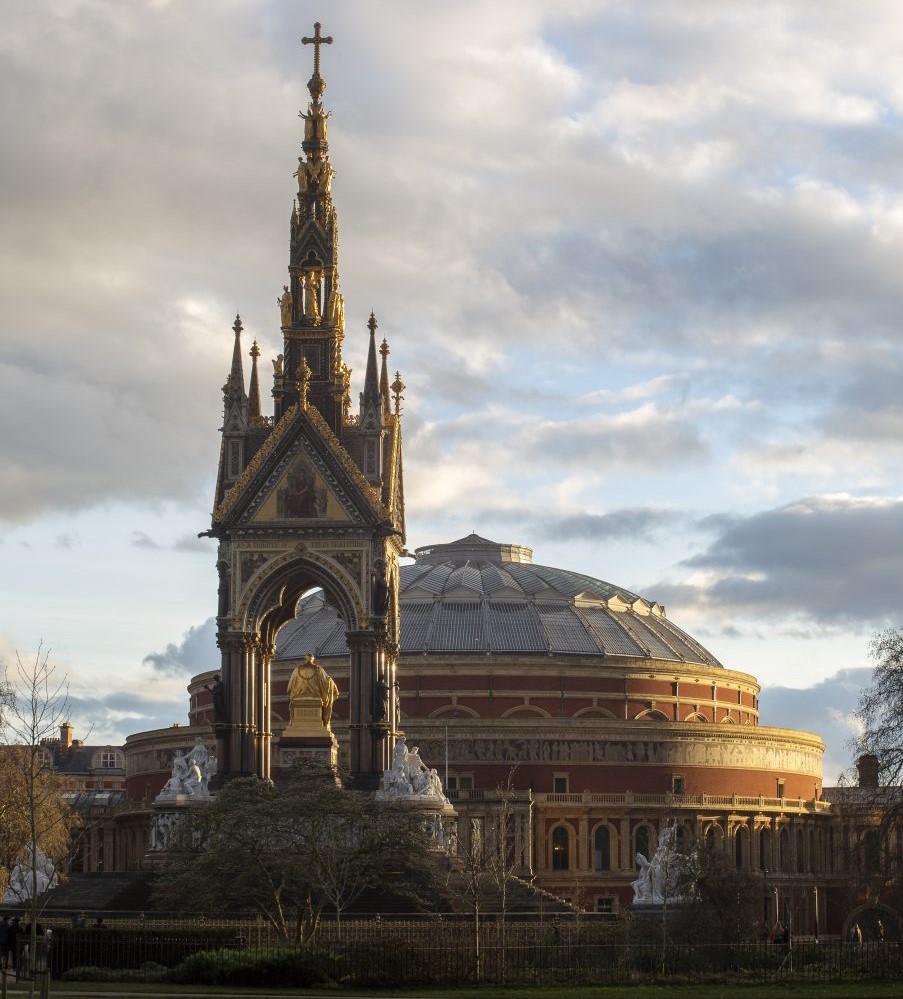
Over the 150 years that have passed since this opening, the Royal Albert Hall has established itself as one of the most important public venues in Britain, instantly recognisable as a backdrop to everything from the BBC Proms to comedy shows and from sporting events to theatre.
As described by Marcus Binney (COUNTRY LIFE, March 25, 1971) and The Survey of London, vol 38 (1975), the future Royal Albert Hall was one product of this initiative. The idea of building a music hall on the estate was first proposed in 1853, but, two years later, Prince Albert suggested something more ambitious: a music hall within an enclosing quadrangle of shops and flats inspired by the Palais Royale. He also directed that his exiled compatriot, Gottfried Semper, the architect of the Dresden opera house, design it.
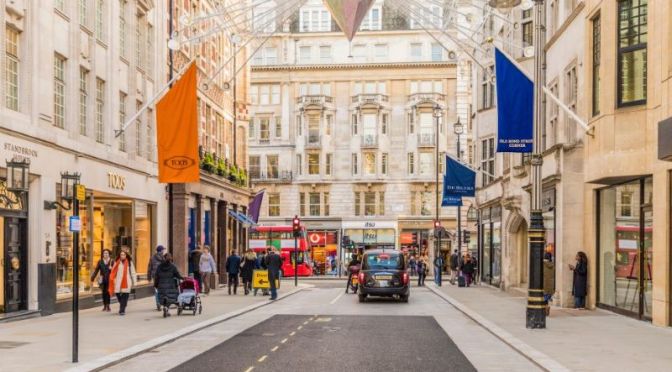
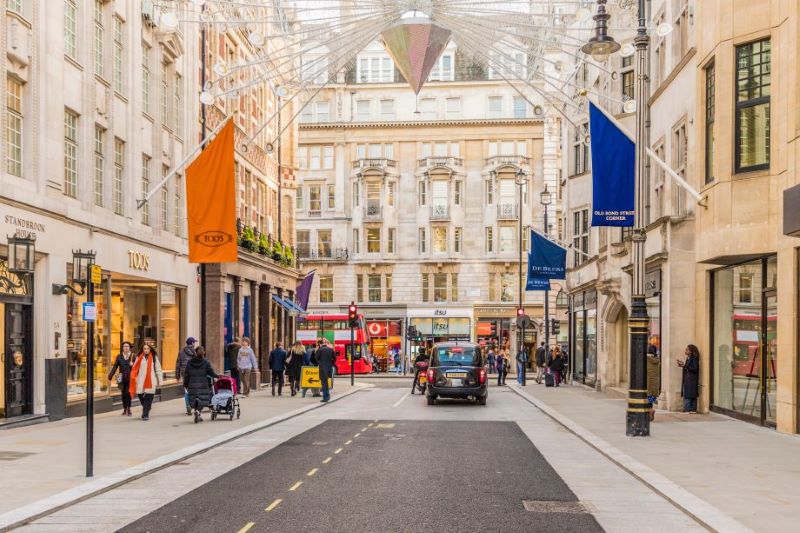
If a part of London were ever to be crowned Queen of Romance, Mayfair would be it. The former home of Dame Barbara Cartland and the literary backdrop to Julia Quinn’s Bridgerton (although the Netflix series was mostly filmed in Bath for Regency authenticity), it has witnessed love affairs, romps and liaisons as entrancing as any penned by either author.
Its very foundation rests on a wedding: the one between heiress Mary Davies and Sir Thomas Grosvenor, whose descendants would become the Dukes of Westminster. Their eldest son, Sir Richard, was the first to embark on a building programme that would turn an unremarkable estate into one London’s most fashionable addresses.
By the 1790s, multiple dukes lived in the area, including a royal one, the Duke of Gloucester, and his daughter, Princess Sophia Matilda, who was born in Mayfair — as was, much later, The Queen (at her grandfather’s house, 17, Bruton Street, now demolished).



























 Boomers Daily