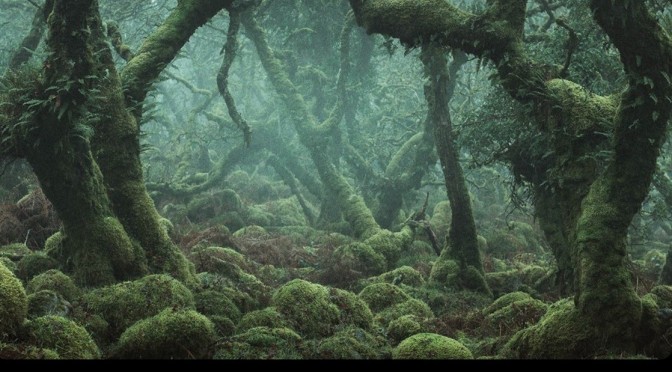
Aeon Video (May 2, 2023) – With a deep view of time, a regenerative forester extracts resources to cultivate growth in an ancient English rainforest.
Living and working in the woodlands of the Teign valley in Devon, England, the regenerative forester John Williamson has cultivated a deep connection to and unique understanding of this rare patch of English rainforest. This includes knowing that a healthy ecosystem means an eclectic variety of landscapes rather than perfect tree cover; that no parcel of land in Great Britain has gone untouched by humans; and that, while storms can mean devastation for people, for woodlands they’re simply another phase in an ancient cycle.
In this short documentary, Williamson explains how, through viewing these woodlands in terms of the deep past, present and future, he’s developed a sustainable method of extracting wood and creating charcoal that actually encourages biodiversity.
On this week’s show: Whether biofuels for planes will become a reality, mitigating climate change by working with nature, and the second installment of our book series on the science of food and agriculture.
On this week's #SciencePodcast🎙: Using waste to fuel airplanes, mitigating climate change by working with nature, and the second installment of our book series on the science of food and agriculture.
First this week, Science Staff Writer Robert F. Service talks with producer Meagan Cantwell about sustainable aviation fuel, a story included in Science’s special issue on climate change. Researchers have been able to develop this green gas from materials such as municipal garbage and corn stalks. Will it power air travel in the future?
Also in the special issue this week, Nathalie Seddon, a professor of biodiversity at the University of Oxford, chats with host Sarah Crespi about the value of working with nature to support the biodiversity and resilience of our ecosystems. Seddon emphasizes that nature-based solutions alone cannot stop climate change—technological approaches and behavioral changes will also need to be implemented.
At COP26 countries made a host of promises and commitments to tackle global warming. Now, a new analysis suggests these pledges could limit warming to below 2˚C — if countries stick to them.
03:48 Efficiency boost for energy storage solution
Storing excess energy is a key obstacle preventing wider adoption of renewable power. One potential solution has been to store this energy as heat before converting it back into electricity, but to date this process has been inefficient. Last week, a team reported the development of a new type of ‘photothermovoltaic’ that increases the efficiency of converting stored heat back into electricity, potentially making the process economically viable.
07:56 Leeches’ lunches help ecologists count wildlife
Blood ingested by leeches may be a way to track wildlife, suggests new research. Using DNA from the blood, researchers were able to detect 86 different species in China’s Ailaoshan Nature Reserve. Their results also suggest that biodiversity was highest in the high-altitude interior of the reserve, suggesting that human activity had pushed wildlife away from other areas.
11:05 How communication evolved in underground cave fish
Research has revealed that Mexican tetra fish are very chatty, and capable of making six distinct sounds. They also showed that fish populations living in underground caves in north-eastern Mexico have distinct accents.
14:36 Declassified data hints at interstellar meteorite strike
In 2014 a meteorite hit the Earth’s atmosphere that may have come from far outside the solar system, making it the first interstellar object to be detected. However, as some of the data needed to confirm this was classified by the US Government, the study wasn never published. Now the United States Space Command have confirmed the researchers’ findings, although the work has yet to be peer reviewed.
In this episode, Nature reporter Davide Castelvecchi joins us to talk about the big science events to look out for in 2022. We’ll hear about vaccines, multiple Moon missions, the push to save biodiversity, and more.
How insects help release carbon stored in forests, and the upcoming biodiversity summit COP 15.
In this episode:
00:44 Fungi, insects, dead trees and the carbon cycle
Across the world forests play a huge role in the carbon cycle, removing huge amounts of carbon dioxide from the atmosphere. But when those trees die, some of that carbon goes back into the air. A new project studies how fast dead wood breaks down in different conditions, and the important role played by insects.
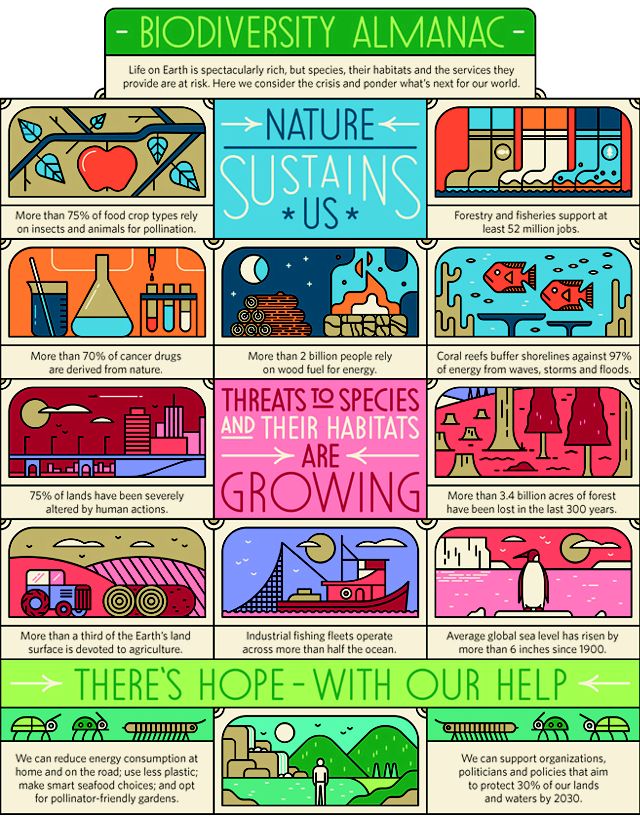
After several delays, the fifteenth Conference of the Parties (COP 15) to the United Nations Convention on Biological Diversity, is now slated to take place next year. Even communicating the issues surrounding biodiversity loss has been a challenge, and reaching the targets due to be set at the upcoming meeting will be an even bigger one.
The deep sea is rife with competition and conflict. Deep sea biodiversity relies on the scattered organisms interacting in order to survive, whether they’re working together in symbiosis, scavenging, being predated, or parasitising a host animal. But there is one ecological interaction that does more than any other to influence organisms to change and diversify, and thus plays an important role in the success of deep sea communities. The limited resources mean only a small number of niches can exist. Thus, there is greater competition between different species trying to fill the same niches. This explains why the deep sea has so much competition, for animals must share the ecosystem with other competing species all trying to consume the same limited resources.
Video timeline: 00:00 – An Introduction to Deep Sea Competition 01:31 – Chapter 1: A World of Quiet Conflict – The Reasons for Competition 02:22 – Chapter 1: A World of Quiet Conflict – The Trophic Levels 03:48 – Chapter 1: A World of Quiet Conflict – The Ecological Niches 05:21 – Chapter 2: Competition Between Species – Sea Floor Ecosystems 08:12 – Chapter 2: Competition Between Species – The Competitive Exclusion Principle 09:06 – Chapter 2: Competition Between Species – Resource Partitioning at Vents 11:48 – Chapter 3: Competition Within Species – Intraspecific Competition 12:63 – Chapter 3: Competition Within Species – Group Hunting Techniques 14:25 – Conclusion: The Importance of Ecological Competition
The case for wildlife as the #COVID19 origin, how ocean temperature shapes marine biodiversity over geological time scales, and a new deep learning approach greatly improves RNA structure prediction.
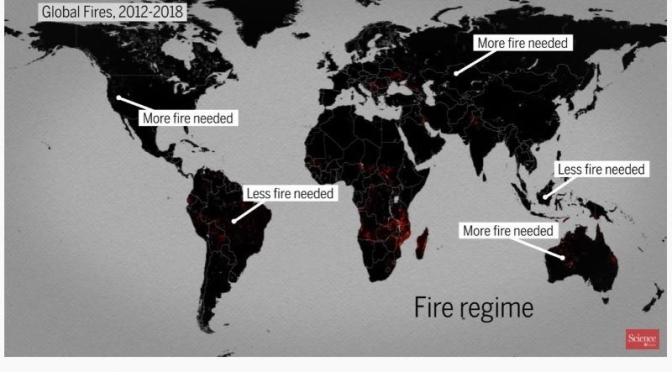
Raging fires throughout the U.S. and Australia over the past year have put vulnerable species at risk. But not all blazes are devastating—in fact, fire can promote biodiversity. In grasslands, fires prevent trees and roots from taking hold. This allows grazing animals the space and vegetation they need to thrive. As the pattern of wildfires changes, a new review in Science outlines effective ways to let natural fires burn, while preventing out-of-control blazes. Watch to learn how a few of these techniques have been applied around the world.
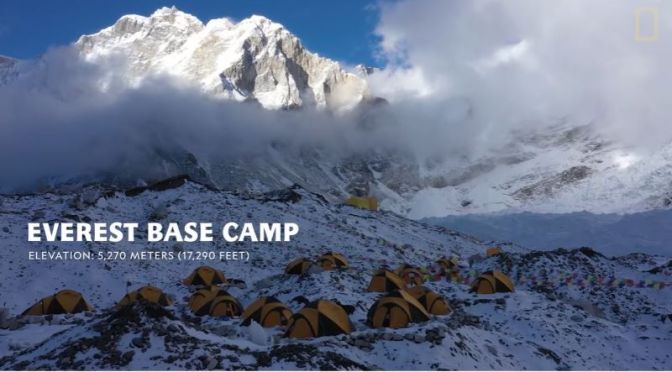
“Even near the highest peak in the world, life manages to thrive. Follow a global team of scientists on the National Geographic and Rolex Perpetual Planet Everest Expedition as they measure the biodiversity in Nepal’s Khumbu Valley and investigate how high alpine species are adapting to global climate change.”
News, Views and Reviews For The Intellectually Curious







 Boomers Daily