
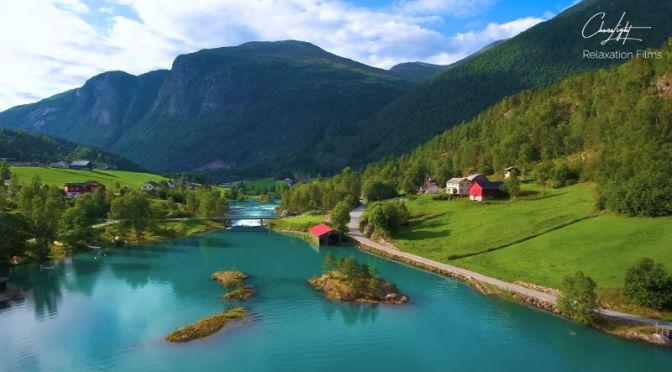
Lovatnet is a lake in the municipality of Stryn in Vestland county, Norway. It is located about 2 kilometers southeast of the village of Loen and about 6 kilometers east of the village of Olden. The lake lies just 2 kilometers southwest of the mountain Skåla.
Tag Archives: Aerial Travel Videos
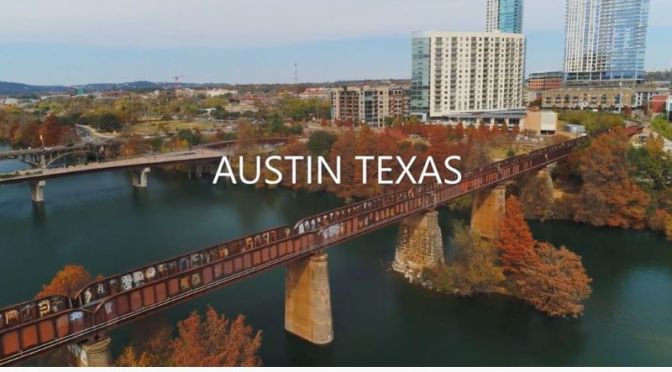
Aerial Travel: ‘Austin – Texas’ (4K Video)
Austin is the state capital of Texas, an inland city bordering the Hill Country region. Home to the University of Texas flagship campus, Austin is known for its eclectic live-music scene centered around country, blues and rock. Its many parks and lakes are popular for hiking, biking, swimming and boating. South of the city, Formula One’s Circuit of the Americas raceway has hosted the United States Grand Prix.
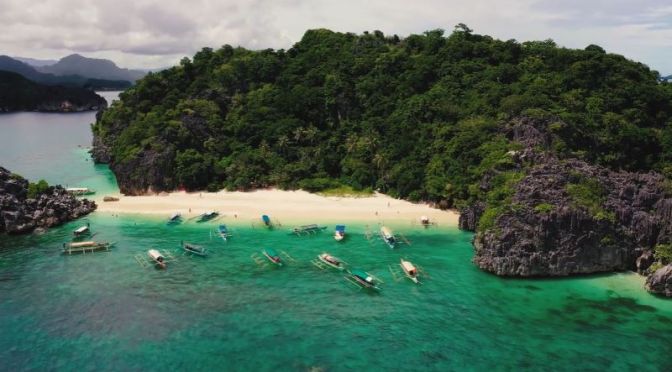
Aerial Travel: ‘Luzon – Philippines’ (4K Video)
Luzon sits at the northern end of the Philippines, and is the country’s largest and most populous island. It’s known for its mountains, beaches and coral reefs, and is home to Manila, the national capital. Set on a deep bay with famed sunsets, the city has many Spanish-colonial landmarks, national memorials and monuments, a centuries-old Chinatown and a diversity of museums.
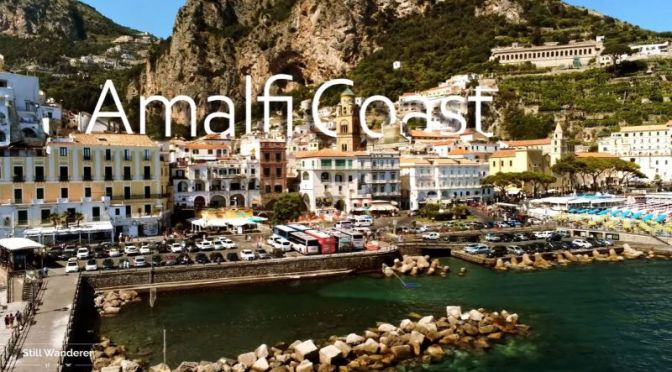
Aerial Travel: ‘Amalfi Coast – Italy’ (Video)
Amalfi Coast from above, Italy. Summer 2020.
The Amalfi Coast is a 50-kilometer stretch of coastline along the southern edge of Italy’s Sorrentine Peninsula, in the Campania region. It’s a popular holiday destination, with sheer cliffs and a rugged shoreline dotted with small beaches and pastel-colored fishing villages. The coastal road between the port city of Salerno and clifftop Sorrento winds past grand villas, terraced vineyards and cliffside lemon groves.
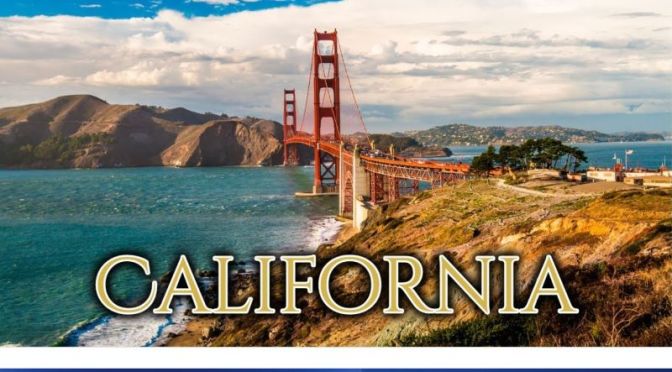
Travel In The Western U.S.: ‘California’ (4K Video)
California, a western U.S. state, stretches from the Mexican border along the Pacific for nearly 900 miles. Its terrain includes cliff-lined beaches, redwood forest, the Sierra Nevada Mountains, Central Valley farmland and the Mojave Desert. The city of Los Angeles is the seat of the Hollywood entertainment industry. Hilly San Francisco is known for the Golden Gate Bridge, Alcatraz Island and cable cars.
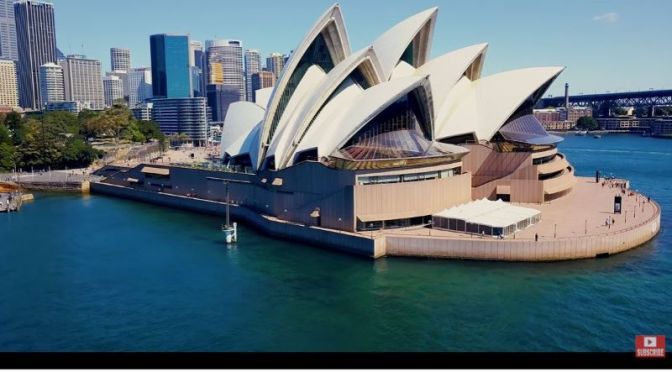
Aerial Travel: ‘Sydney – Australia’ in 8K UHD (Video)
Sydney, capital of New South Wales and one of Australia’s largest cities, is best known for its harbourfront Sydney Opera House, with a distinctive sail-like design. Massive Darling Harbour and the smaller Circular Quay port are hubs of waterside life, with the arched Harbour Bridge and esteemed Royal Botanic Garden nearby. Sydney Tower’s outdoor platform, the Skywalk, offers 360-degree views of the city and suburbs.
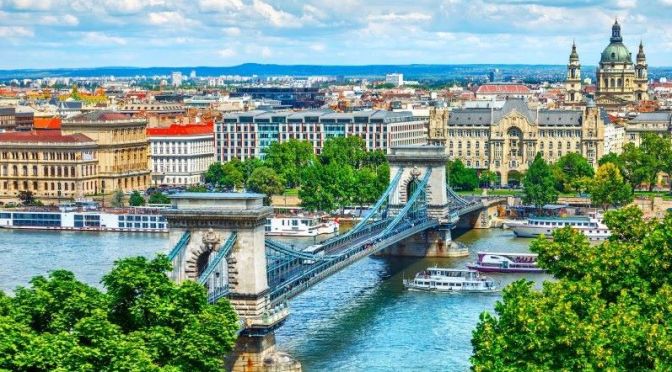
Aerial Travel: ‘Budapest – Hungary’ In 4K UHD (Video)
Budapest, Hungary’s capital, is bisected by the River Danube. Its 19th-century Chain Bridge connects the hilly Buda district with flat Pest. A funicular runs up Castle Hill to Buda’s Old Town, where the Budapest History Museum traces city life from Roman times onward. Trinity Square is home to 13th-century Matthias Church and the turrets of the Fishermen’s Bastion, which offer sweeping views.
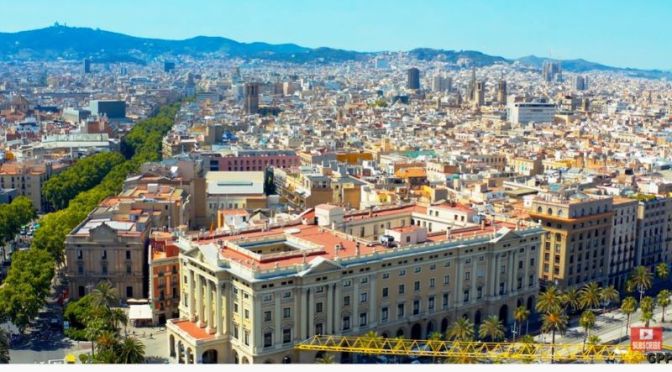
Aerial Travel: ‘Barcelona – Spain’ In 8K UHD (Video)
Barcelona, the cosmopolitan capital of Spain’s Catalonia region, is known for its art and architecture. The fantastical Sagrada Família church and other modernist landmarks designed by Antoni Gaudí dot the city. Museu Picasso and Fundació Joan Miró feature modern art by their namesakes. City history museum MUHBA, includes several Roman archaeological sites.

Aerial Travel: ‘Lofoten Islands’ Of Norway (Video)
Filmed and Edited by: Marcello Ercole
LOFOTEN ISLANDS – A short visual trip to the Lofoten Islands in northern Norway. We have only one planet. Let’s preserve it. Watch it in 4k, please.
The Lofoten Islands are draped across the turbulent waters of the Norwegian Sea, far above the Arctic Circle. This rare wilderness outpost offers an untrammeled landscape of majestic mountains, deep fjords, squawking seabird colonies and long, surf-swept beaches.
Lofoten has a strong connection to the Viking Age, and at Lofotr Viking Museum you can experience the Viking Age as it really was. At Borg, archaeologists have discovered the largest Viking longhouse ever found from this era. The building is 272 feet long and has been reconstructed as a living museum.
Due to the warm Gulf Stream, Lofoten has a much milder climate than other parts of the world at the same latitude. Between late May and mid July you can experience the midnight sun, whilst the northern lights can be viewed from September to mid April.
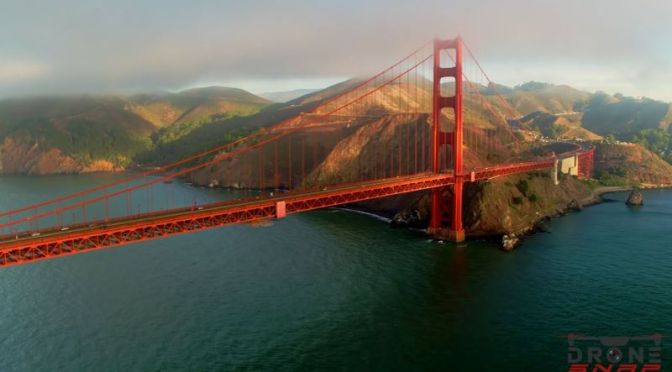
Views: The ‘Golden Gate Bridge’ In San Francisco, California (Video)
The Golden Gate Bridge stands at the entrance to California’s San Francisco Bay as a symbol of American ingenuity and resolve, having been constructed during the era of the Great Depression. Today, this beloved international icon and true engineering marvel carries about 40 million vehicles a year and serves not only as a vital transportation link but also as a major travel destination for millions of visitors from around the world.
Construction began on January 5, 1933. This was followed by the official ground breaking ceremony held on February 26, 1933, at nearby Crissy Field (now part of the Golden Gate National Recreation Area). The start of construction was met with great delight. A celebration at nearby Crissy Field went on for hours with at least 100,000 people in attendance. The San Francisco newspaper wrote the next day, “Two hundred and fifty carrier pigeons, provided by the San Francisco Racing Pigeon Club to carry the message of groundbreaking to every corner of California, were so frightened by the surging human mass that small boys had to crawl into their compartments in the bridge replica to shoo them out with sticks.”
Construction Timeline
December 22, 1932: Extending from Fort Baker pier, the construction of a 1,700 foot-long access road began to access the construction sites for the Marin anchorage, pier and tower.
January 5, 1933: Construction officially started.
January 1933 to February 1936: Marin and San Francisco anchorages and associated pylons.
January 1933 to May 1935: San Francisco anchorage.
January 1933 to June 1933: Marin pier.
January 1933 to June 1935: Marin anchorage.
February 1933: Work began on the east approach road from San Francisco that extended through the Presidio to the south end of the Golden Gate Bridge.
March 1933: Steel for the San Francisco and Marin towers that was prefabricated in Bethlehem steel foundries in Pottstown and Steelton, PA was brought by flatcar to Philadelphia and transferred to barges and shipped through the Panama Canal to Alameda, CA where it was stored until the Marin pier was completed and ready for tower erection.
March 1933 to March 1934: San Francisco tower access trestle was constructed extending 1100 feet offshore. Just as the trestle was completed, it was significantly damaged for the first time on August 14, 1933, when the McCormick Steamship Line’s Sidney M. Hauptman plowed through the thick fog and crashed into the access trestle, damaging about 400 feet. After repairs were made, on December 13, 1933, as a southwest gale battered the Golden Gate Strait for two days, the access trestle was again battered and this time there was 800 feet of wreckage. Trestle repairs began shortly thereafter and completed March 8, 1934.
November 7, 1933: Marin tower construction started. Depending on the source referenced, it was completed either on June 28, 1934 or sometime in November 1934.
October 24, 1934: San Francisco fender wall completed.
November 27, 1934: San Francisco pier area within the fender wall was un-watered.
January 3, 1935: San Francisco pier reached its final height of 44 feet above the water.
January 1935 to June 28, 1935: San Francisco tower construction.
August 2, 1935 to September 27, 1935: Harbor Tug and Barge Company strung the first wire cables to support the footwalks (aka catwalks) constructed across the Golden Gate Strait in preparation for main cable spinning.
October 1935 to May 1936: Main cable spinning and compression.
April 1936: Start of the Sausalito lateral approach road which was constructed as a W.P.A. project.
July 1936 to December 14, 1936: Suspended structure.
July 21, 1936: Start of San Francisco approach viaduct structures and Fort Point arch construction.
November 18, 1936: Two sections of the Bridge’s main span were joined in the middle. A brief ceremony marked the occasion when groups from San Francisco and Marin met and exchanged remarks at the center of the span. Major Thomas L. McKenna, Catholic Chaplin of Fort Scott, blessed the span while sprinkling holy water.
January 19, 1937 to April 19, 1937: Roadway completed.
 Boomers Daily