

From YankoDesign.com article:
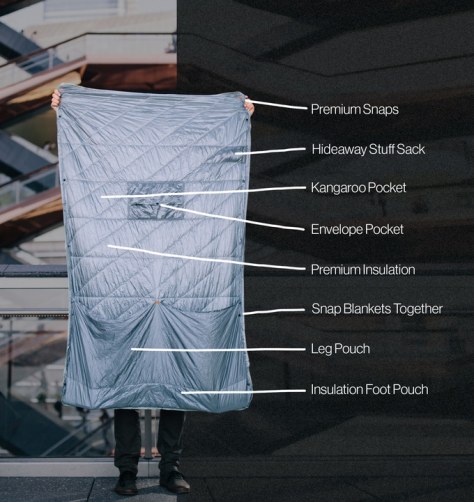
 Designed with the soul of a sleeping bag, the Layover is a blanket explicitly built for traveling with. Its construction beats those flimsy, tiny, smelly blankets they hand out on flights, and gives you a full-body comforter that wraps you in its cocoon-esque design. Crafted with a breathable nylon exterior and an insulated interior, the Layover is cozy and can keep you warm in those often-chilly flights. Unlike traditional flat, rectangular blankets, Layover’s design comes with pockets and pouches for your hands, legs, and even a few key belongings (like your passport or boarding pass), giving you an experience comparable to being a baby kangaroo in its pouch. The Layover fits your body like a glove, keeping you absolutely snug and ensuring that the blanket doesn’t come off when you move or turn in your sleep. Pair it with a good eye mask and neck pillow and you’ve got yourself the holy trinity of effective transit-napping.

Website: https://www.graveltravel.com/
To continue reading Yanko Design article: https://www.yankodesign.com/2019/07/18/the-layover-travel-blanket-is-the-most-innovative-travel-product-since-the-neck-pillow/
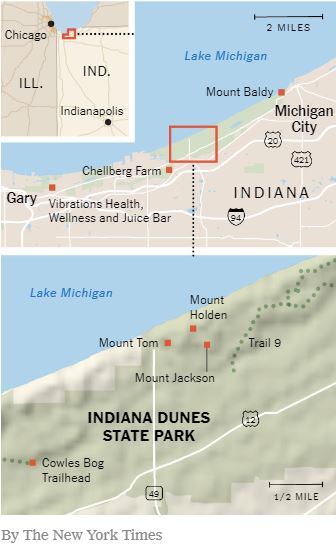 The volunteer encouraged me to take the 3 Dune Challenge, a 1.5-mile hike up Indiana Dunes’ three highest dunes (Mount Tom, 192 feet; Mount Holden, 184 feet; Mount Jackson, 176 feet), adding that completion of the Challenge would yield a “special reward.”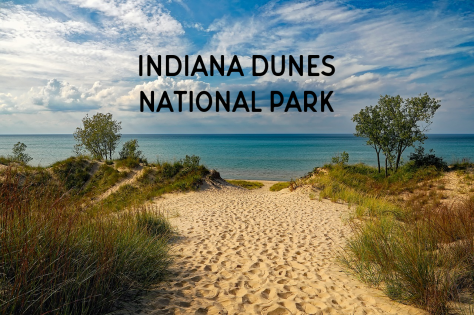
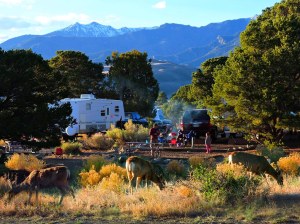 “After a day sledding down the largest sand dunes in North America, Piñon Flats, a decidedly un-sandy campground protected by the shade of cottonwood and conifer, is where you want to be. The Great Sand Dunes National Park’s April-October seasonal campground has 88 individual sites and 15 group sites, all of which are framed by views of the dunes and the Sangre de Cristo Mountains in the distance. All campsites require reservations and come complete with fire pits and picnic tables. Each loop of the campground has restrooms with flush toilets and potable water.”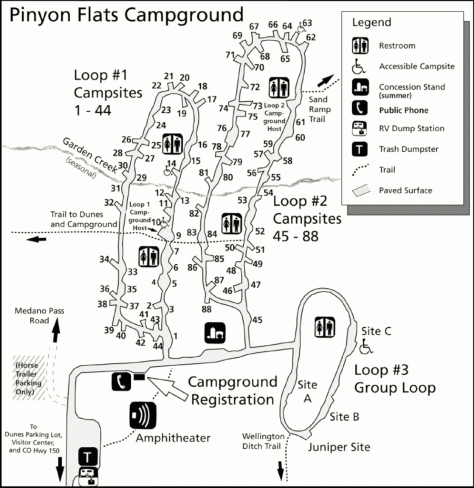

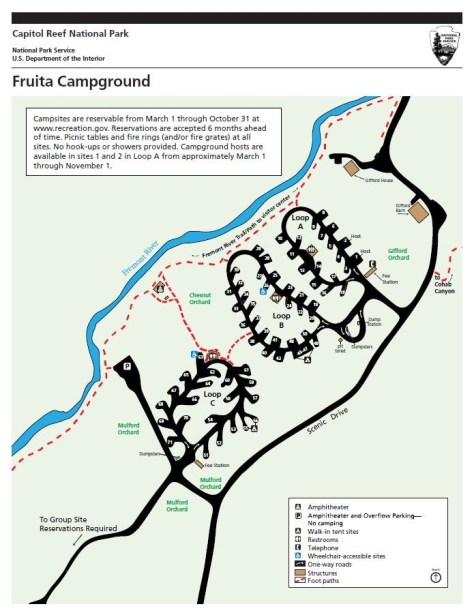
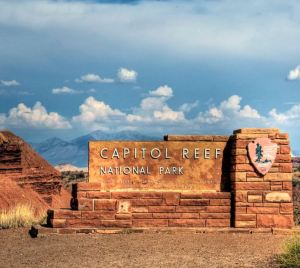 “Capitol Reef National Park is known for its cliffs and canyons of red rock, which makes Fruita Campground something of an anomaly. Fed by the Fremont River, which rolls along the campground’s edge, Fruita is literally an oasis in the desert, surrounded by the cool, green shade of historic orchards. During the peak season, most of the 64-tent/RV sites and seven walk-in sites, complete with flushing toilets, running water, and fire pits or grills, can be reserved; during off-season they switch to a first-come first-serve system.”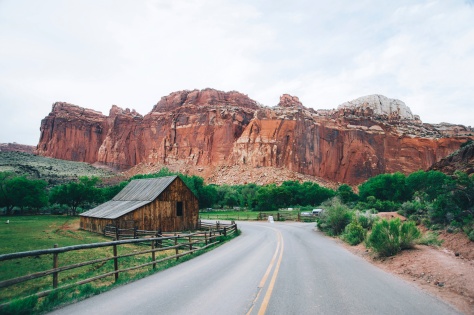

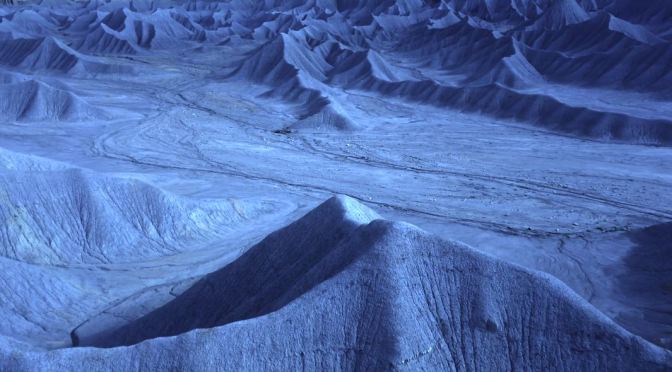


 Nick Howe catches up with planetary science reporter, Alex Witze. They discuss the latest US plans to land people on the moon by 2024, the history of the Apollo missions, and what’s next for the lunar exploration.
 Boomers Daily