
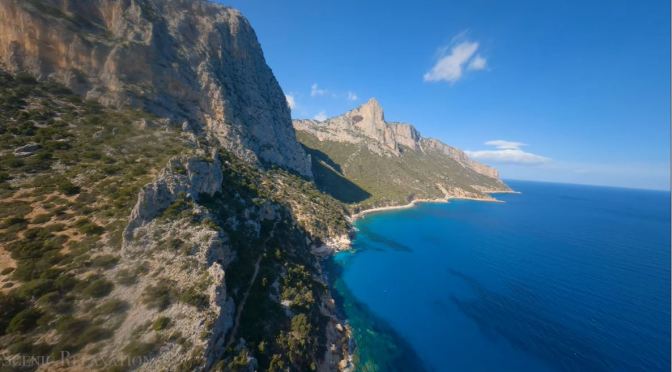
Sardinia is a large Italian island in the Mediterranean Sea. It has nearly 2,000km of coastline, sandy beaches and a mountainous interior crossed with hiking trails. Its rugged landscape is dotted with thousands of nuraghi – mysterious Bronze Age stone ruins shaped like beehives. One of the largest and oldest nuraghi is Su Nuraxi in Barumini, dating to 1500 B.C.
Category Archives: Travel

Cinematic Views: ‘Dance Of Shadows In Japan’ (Video)
During a three month journey travelling and working on organic farms in Japan, filmmaker Steve Atkins often found himself distracted by the beauty around him. As sunlight filtered through the trees that towered over him, their silhouette gracing the surface beneath or ahead him, he felt repeatedly drawn and connected with the Natural world — an effect of Komorebi performing itself on the peripheries.
There is a magical quality to the animate expression of Nature; a mutual puppet-show hosted between trees, light and wind. “When I paused long enough to take it all in, to share in a humble celebration of Nature’s playfulness, I was gifted with a potent ease,” Atkins shares…
Continue reading: https://www.nowness.asia/story/komore…
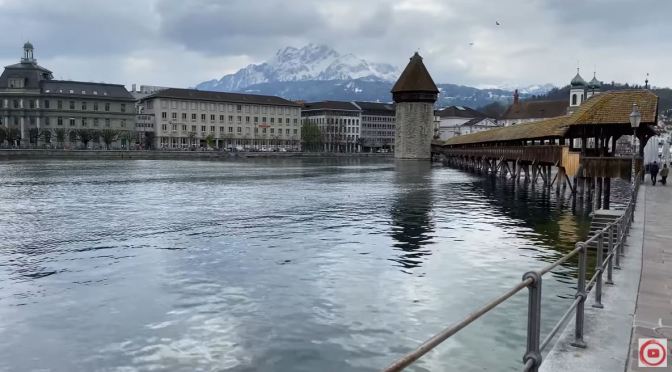
Walking Tour: ‘Lucerne – Switzerland’ (4K Video)
Lucerne, a compact city in Switzerland known for its preserved medieval architecture, sits amid snowcapped mountains on Lake Lucerne. Its colorful Altstadt (Old Town) is bordered on the north by 870m Museggmauer (Musegg Wall), a 14-century rampart. The covered Kapellbrücke (Chapel Bridge), built in 1333, links the Aldstadt to the Reuss River’s right bank.

Nature: ‘The Recovering America’s Wildlife Act’ – Benefits To Texas Habitats
The Recovering America’s Wildlife Act is a bipartisan bill that would provide $1.4 billion to state and tribal wildlife conservation initiatives to support at-risk wildlife populations and their habitats. The funding would come from existing revenues and would not require any new taxes.
Texas would receive more than $50 million per year for projects to conserve vulnerable wildlife like the much-loved Texas horned lizard, our state fish the Guadalupe bass, and many songbirds and coastal birds. This funding will also help recover species that are already endangered, such as sea turtles and the Whooping crane. The additional resources are urgently needed to aid fish and wildlife populations under increasing pressure from habitat loss, invasive species, emerging diseases, and extreme weather events in Texas and throughout the country.
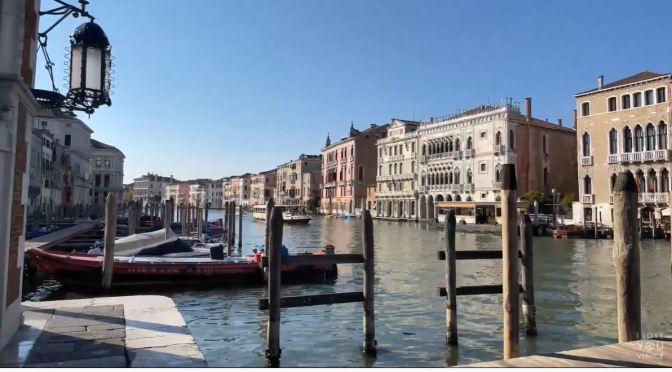
Walks: ‘San Polo District – Venice, Italy’ (Video)
San Polo is a vibrant district centered around the much-photographed, shop-lined Rialto Bridge, and the Rialto Market, where stalls sell fish, fruit and vegetables. Nearby, in the canalside Erbaria area, locals meet for aperitifs and “cicchetti,” or small plates, before heading to dinner at trendy eateries. The Basilica dei Frari houses masterpieces by Titian and other Renaissance artists.
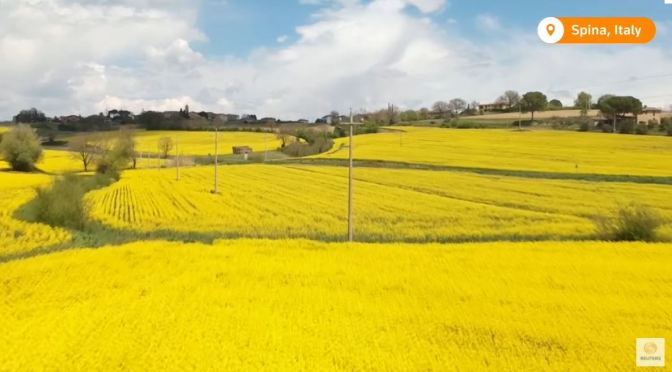
Springtime Views: Yellow Rapeseed Flowers Bloom In Umbria, Italy (Video)
A beautiful carpet of yellow rapeseed flowers lies over parts of Italy’s central Umbrian countryside for a few weeks in April, heralding in spring with a joyous burst of color.
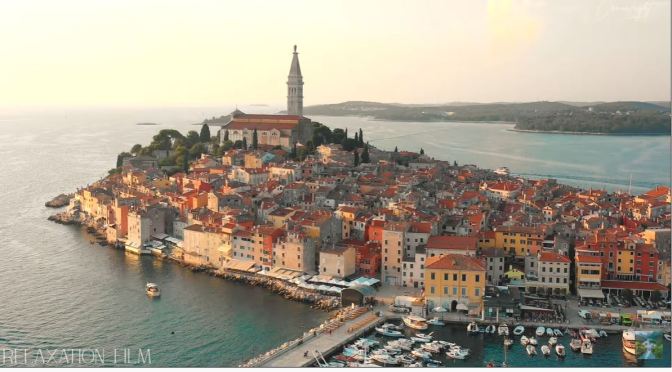
Aerial Views: ‘Croatia – Southeast Europe’ (4K)
Croatia is in Central and Southeast Europe, on the coast of the Adriatic Sea. It borders Hungary to the northeast, Serbia to the east, Bosnia and Herzegovina and Montenegro to the southeast and Slovenia to the northwest.
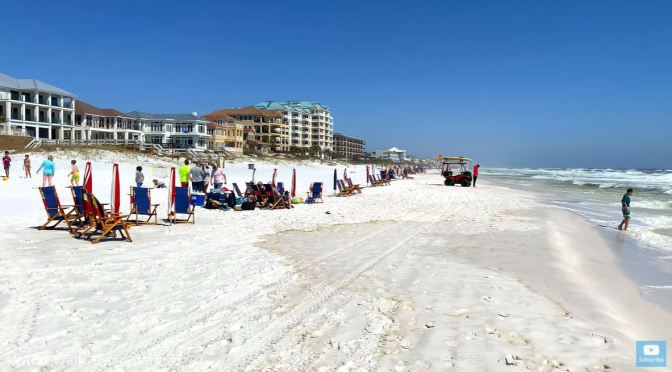
Spring Break Ocean Walk: Destin Beach, Florida (4K)
Destin is a city in northwest Florida, in the area known as the Panhandle. It’s known for its Gulf of Mexico beaches and many golf courses, as well as the Destin Harbor Boardwalk. Nature trails pass through the dunes of Henderson Beach State Park in the south, where the coastline is dotted with pine and oak trees sheltering wildlife. To the west are the tall slides, waterfalls and pools of Big Kahuna’s water park.
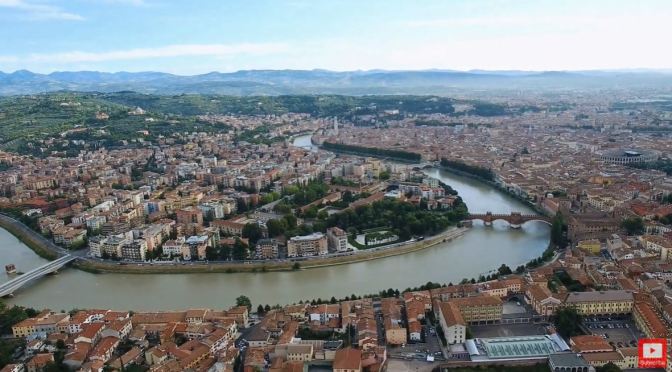
Aerial Views: ‘Verona – Northeastern Italy’ (4K)
Verona is a city in northern Italy’s Veneto region, with a medieval old town built between the meandering Adige River. It’s famous for being the setting of Shakespeare’s “Romeo and Juliet.” A 14th-century residence with a tiny balcony overlooking a courtyard is said be “Juliet’s House.” The Verona Arena is a huge 1st-century Roman amphitheater, which currently hosts concerts and large-scale opera performances.
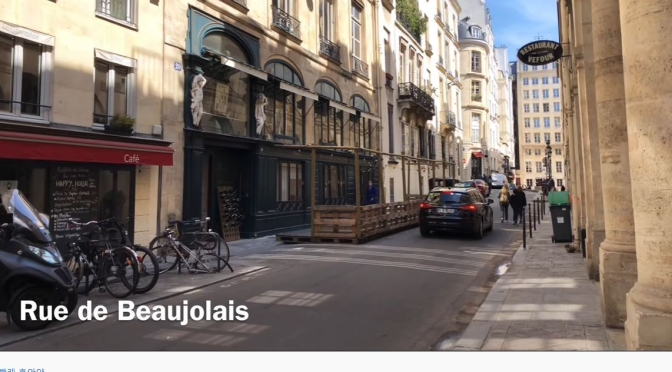
Walking Tours: ‘Passage De Beaujolais’ – Paris (Video)
Rue Beaujolais is a street in the 1st arrondissement of Paris, France.
The street was named after Louis Charles, Count of Beaujolais, the son of Louis Philippe II, Duke of Orléans.
The street was established in 1784 on a part of the former Palais-Royal Garden when the Duke of Orléans had the stone galleries built. At this time, the street was named Passage de Beaujolais.
 Boomers Daily