

From a Stanford Medicine online article:
 “A simple example would be copper and fiber wires. When you’re putting wires in a new facility, it’s easier to put in many more than you need that moment because putting them in 5 years from now or 10 years from now is quite hard. Something like 85 percent of our copper wires and fiber optic cables are dark right now because we know we’re going to need them in the future.”
When you consider the fast pace of technological advances today, you wonder how do you go about building a new hospital and keep the technology relevant for 10, 20 or even 50 years? I put that question to Stanford Health Care’s technology wiz Gary Fritz. He told me:
“We try to do something we call future-proof the hospital. We tried to make design decisions and technology decisions that allow us to move to the current or the next generation technology as easily as possible.”

 The van is new from the ground up, sitting on a new modular platform and featuring a 60kWh lithium ion powertrain said to endow it with a “power-to-weight efficiency that fully maximises the range of the vehicle”. It can fast charge to 80% in 30 minutes.

 Hear this week’s science news, with Nick Howe and Shamini Bundell. This week, a new 3D printer allows quick shifting between many materials, and understanding the link between gut microbes and liver disease.



 According to a recent survey of 1,000 U.S. consumers from advertising platform Criteo, 48% of millennial and Gen Z respondents use online grocery delivery services, compared to 37% of Gen X respondents and only 30% of baby boomer respondents.
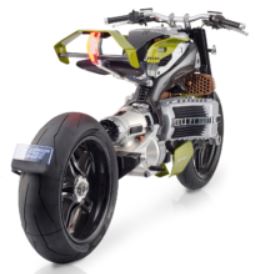 Well, with this extraordinary electric bike, I think I finally understand what Terblanche has been trying to get at all these years, and I absolutely love it. Designed and built in partnership with South African carbon wheel specialists BST, meet the all-electric Hypertek.

 From a Yanko Design online review:

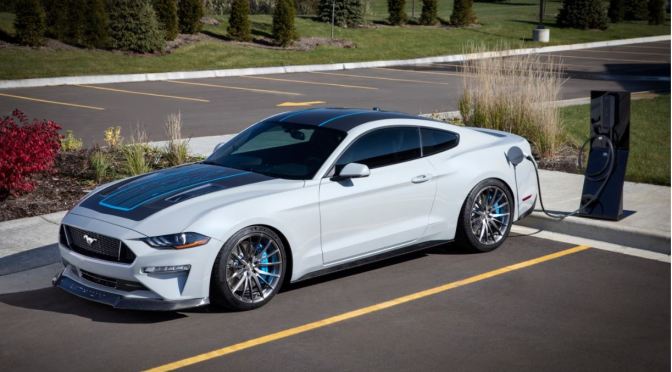
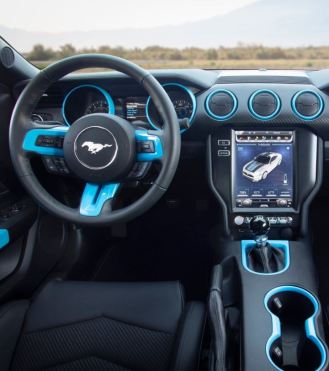 Built in collaboration between Ford and Webasto, Mustang Lithium project vehicle generates more than 1000 ft.-lbs. of instant torque and more than 900 horsepower for new levels of performance and technology with its 800-volt Webasto battery system with EVDrive technology.
 “The results we saw were stunning and suggest that holistically addressing aging via gene therapy could be more effective than the piecemeal approach that currently exists,” said first author Noah Davidsohn, a former research scientist at the Wyss Institute and HMS who is now chief technology officer of Rejuvenate Bio. “Everyone wants to stay as healthy as possible for as long as possible, and this study is a first step toward reducing the suffering caused by debilitating diseases.”
 Boomers Daily