From a Literary Hub online review:
The Top Twenty
There are some moments from A Visit From the Goon Squad that I won’t forget. In one chapter, a former PR hotshot named Dolly is tasked with reviving the public image of an African dictator known as “The General” with the help of a B-list actress named Kitty Jackson. Kitty’s job is to stand next to The General in a photo, but she ends up asking too many questions about a genocide and gets thrown into prison. Months later, it turns out, The General’s government becomes a democracy, Kitty is freed, and Dolly opens a sandwich shop. This strand of Egan’s polyphonic, funny, and often poignant book encapsulates some of her satire’s recurring ideas. In Goon Squad, a book with a large cast of characters set in a period roughly spanning the late 1970s to the 2020s, shifts in time are always jarring—they can destroy the body, corrupt memory, and blur processes of change. –Aaron Robertson, Assistant Editor
It is easier to conjure the intellectual-literary atmosphere of an era when it is 30 years’ past than when it is a mere decade ago. It is very hard to see 2010 right now, as we wait for time and the canon to true the lens, but I have a very clear sense-memory of revelation and exhilaration as I sped through David Mitchell’s epic-historical ghost story, The Thousand Autumns of Jacob de Zoet, wondering if the spirit of Robert Louis Stevenson had momentarily taken possession of Haruki Murakami. Here was a reminder that the world of a novel—in this case, a very detailed rendering of an 18th-century Dutch trading post in the port of Nagasaki—can be fuller, more vivid, than our own, that it can exist as a hothouse for the reader’s moral imagination.
–Jonny Diamond, Editor in Chief
Train Dreams may well be the 21st century’s most perfect novella (he said, having of course read them all…). It’s the incantatory story of a turn-of-the-century logger and railroad laborer, Robert Grainier, who loses his family to a wildfire and retreats deep into the woods of the Idaho panhandle as the country modernizes around him. Johnson’s spare, strange, elegiac prose conjures a world that feels both ancient and ephemeral, full of beauty and menace and deep sorrow. As Anthony Doerr wrote in his New York Times review: “His prose tiptoes a tightrope between peace and calamity, and beneath all of the novella’s best moments, Johnson runs twin strains of tenderness and the threat of violence.” An American epic in miniature, Train Dreams is a visionary portrait of soul untethered from civilization, a man stoically persevering on his own hermetic terms in the face of unimaginable tragedy. A haunted and haunting reverie. –Dan Sheehan, Book Marks Editor
Julie Otsuka’s groundbreaking (and PEN/Faulkner Award-winning) Buddha In the Attic begins: “On the boat we were mostly virgins. We had long black hair and flat wide feet and we were not very tall. Some of us had eaten nothing but rice gruel as young girls and had slightly bowed legs, and some of us were fourteen years old and were still young girls ourselves.” This is how we are introduced to our narrators, a group of Japanese “picture brides.” We follow them as they immigrate to California. We watch helplessly as they meet the husbands they were promised to, as they attempt to assimilate to America and raise children across a cultural divide. The collective first person narration matches the subject matter beautifully; it mimics the immigrant experience, the way “others” are often seen as the same and the automatic camaraderie and safety we might find among those who share our stories. Slipping out of the shared “we” and “most of us” and “some of us,” Julie Otsuka creates a dizzying dislocation, a confusion of identity that serves the story well: “…unable to remember our own names, not to mention those of our new husbands. –Katie Yee, Book Marks Assistant Editor
Although it came out in 2011, I read The Tiger’s Wife, the elegant first novel by Téa Obreht, only recently. I found it stunning, so perfectly moving on its many levels. Obreht’s protagonist and narrator, a young doctor named Natalia Stefanovic whose life is upended by the mysterious death of her beloved grandfather, is one of the most mellifluous, engrossing storytellers I’ve encountered in my life (she has learned well—her grandfather is one of the most mellifluous, engrossing storytellers she has encountered in hers). Her account remembers and aches for her loved one in a way that is both so poetic and relatable; she chiefly connects to his memory through a text, using his beloved copy of The Jungle Book to try to solve the puzzle around his last days, as well as his interior life. –Olivia Rutigliano, CrimeReads Editorial Fellow
Most of what remains with me years after reading Jesmyn Ward’s second novel is impressionistic. One of the final images in Salvage the Bones is of the 14-year-old protagonist Esche’s father roughing out the initial impact of Hurricane Katrina in the attic of their flooded house. They’ve been separated from the family dog, China, and her litter of puppies; Esche’s dad resolves to stay there until China returns. Ward’s story is largely about caretaking; the slimness of the book and the small-scale—a father and his children prepare for a hurricane that people are warning about—belie the immensity of what Ward set out to do with this National Book Award-winning novel. We all have at least some sense of the disastrous Katrina response and what it revealed about government infrastructure and shortsightedness concerning communities of color in particular. Katrina is the costliest natural disaster in US history, and by the time Salvage the Bones was published, the long-term mental and material costs of the hurricane were in some ways easier to see, though also largely lost in an over-saturated media market. –Aaron Robertson, Assistant Editor
Rachel Kushner’s 2013 masterpiece has the advantage of being both epic in its historical sweep and highly, acutely specific in its characterization, observation, and ultimately, its aesthetic goals. The story is simultaneously too sprawling to do justice to in a few lines and disarmingly simple. A woman moves to New York City in the 1970s primed to create. She’s an artist. She’s swept up in the circles of other artists and finds herself perhaps too much under the sway or influence of an older man, a successful artist and the heir to an Italian tire/motorcycle fortune. The novel is a wash of conversations remembered, urges subsiding and returning, impressions. Reno, as the protagonist is nicknamed, travels to the western salt flats, crashes a motorcycle, challenges a speed record. Then she’s in Italy, adjacent to extreme luxury and wealth; next she’s in the streets, caught up in riots and a burgeoning activist culture on a collision course with her past. –Dwyer Murphy, CrimeReads Managing Editor
How rare is it to come across a novel that elicits a physical reaction from its reader? All My Puny Sorrows runs the gamut of emotions. Miriam Toews will have you laughing out loud one minute and sobbing on the subway the next. Her novel tells the story of Elf and Yoli, two sisters with an incredible bond despite living very different lives. By all external trappings, Elf is the successful sister. She is a world-renowned virtuoso pianist. She’s wealthy and happily married. Yoli is not any of those things. Instead, she is struggling with how to love someone who no longer wants to live. And so here we find ourselves, in the room with these two inseparable sisters in the aftermath of Elf’s suicide attempt. The way Miriam Toews describes her sadness is haunting: “Then Elf tells me that she has a glass piano inside her. She’s terrified that it will break. She can’t let it break. She tells me that it’s squeezed right up against the lower right side of her stomach, that sometimes she can feel the hard edges of it pushing at her skin.” (I read this novel months ago, and I still think of the glass piano often. It’s so memorable in its specificity! It’s so weird and unique that it could only have come from the mouth of this wonderfully well-rounded, surprising character.) –Katie Yee, Book Marks Assistant Editor
It is possible to read Jenny Offill’s second novel, Dept. of Speculation, in a day. In fact, it is more difficult not to, as you will not want to stop reading once you’ve started. The first time I read it, I remember being dazzled by the form: a progression of short paragraphs, sometimes continuous with those around them, sometimes ostensibly standalone, each one a jolt of intelligence or feeling. Here is the one everyone quotes:
My plan was to never get married. I was going to be an art monster instead. Women almost never become art monsters because art monsters only concern themselves with art, never mundane things. Nabokov didn’t even fold his own umbrella. Vera licked his stamps for him.
The novel is filled with anecdotes like these, and also sayings, or literary quotes, like this one, which I have written down in my notebook every time I have read this book:
What Rilke said: I want to be with those who know secret things or else alone.
–Emily Temple, Senior Editor
It’s tough to sell me on a novel that’s not funny. To me, fiction without humor is missing an essential part of the human experience. Paul Beatty’s Booker Prize-winning masterpiece is one of the funniest—and most human—novels I’ve ever read. Not only that, it made me feel entirely vindicated for insisting upon comedy. The Sellout is so sharp you might not notice it’s cut you until you’ve already feeling faint. It’s a combination of laugh-out-loud comedy, precision social satire (rooted in a deep understanding of history), and literary tour de force. It’s so good it made me use the phrase “tour de force.” The mission of The Sellout’s narrator, a black man, is to reintroduce (official) segregation to his rural neighborhood within inner-city Los Angeles after it is mysteriously disappeared from the map. –Jessie Gaynor, Social Media Editor
As a novel, The Sympathizer is a roiling, darkly comic, propulsive literary thriller set in the immediate aftermath of the Vietnam War, as a North Vietnamese mole keeps watch on the exiled South Vietnamese government in Southern California—it is compulsive reading, arresting in its language, unforgettable in its imagery. But it is more than that. By simply writing the words “Vietnam War” I am able to conjure an entire American mythology, the 40-year cultural byproduct of so much not-quite propaganda/not-quite art: long-haired protesters in the streets, Rustbelt grunts wading through steaming jungles, a flock of juddering choppers against an enormous foreign sun, broken men returning to a country that does not want them… This is the “American” version of the war, a story we’ve told “ourselves” that, while not particularly flattering, is as narrow and myopic as any campfire epic. –Jonny Diamond, Editor in Chief
A Little Life is a polarizing book. There are those who love it, who hate it, and who spend their entire reading experience vacillating between these extremes. As one of the book’s advocates, even I experienced moments when I felt like throwing the book across the room. But the brilliance of this book is in the unbearable suffering it causes its characters; if the Bible was about how to survive the arbitrary punishments of angry Lord to such figures as Job, then A Little Life is about how to stay friends with Job, without forcing Job to, well, get better.
A Little Life follows four college friends through the ups and downs of their lives in any-time New York City, but is primarily focused on Jude, the survivor of an unimaginable childhood, grimly detailed in the most horrifying sections of the book. (While many would find the depth of suffering in A Little Life to be implausible in its extremes, Hanya Yanagihara, at a bookseller meet and greet I attended, said she’d received plenty of mail since publication that would suggest otherwise.) All this suffering sets Jude up for a central conflict between his friends, who want him to be happy, and his own understanding that the best he can aim is not to be happy but instead to just…be. –Molly Odintz, CrimeReads Associate Editor
It’s not always possible to tell that a novel is great while you’re reading it. I mean, obviously you can usually tell if you like something, but to for me, you only know that a novel is capital-g Great when you find yourself, weeks or months or years after the first reading, still thinking about it. Most books, even delightful and brilliant ones, do not pass this test, at least for me. But I have thought about N. K. Jemisin’s The Fifth Season (and its two sequels, The Obelisk Gate and The Stone Sky) at least weekly since I read it a few years ago.
Perhaps it’s unfair. The novel imagines an alternate Earth that is periodically torn apart by apocalyptic weather—like suffocating ash, acid clouds, fungal blooms, mineral-induced darkness, magnetic pole shifts—that lasts for decades at a time, often threatening to wipe out humanity entirely. So you can see how it might come to mind these days. –Emily Temple, Senior Editor
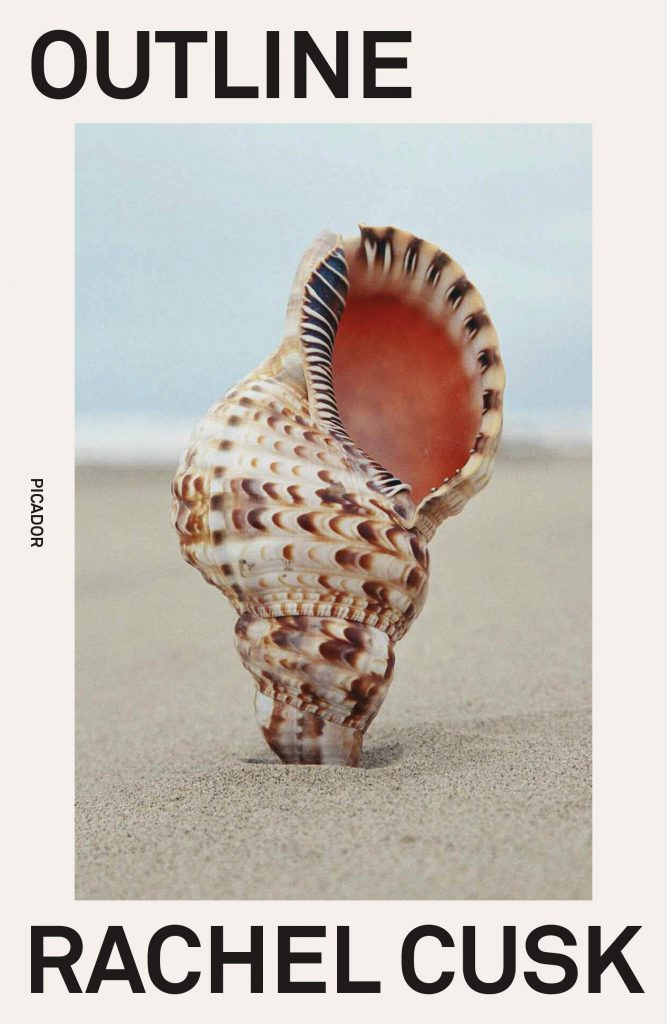 RACHEL CUSK, OUTLINE (2015)
There is something about the texture of Rachel Cusk’s prose in Outline (and in the novel’s two follow-ups, Transit and Kudos) that feels different from anything you’ve ever read before. It’s ostensibly a novel about a woman teaching creative writing in Athens, but it’s really just a series of conversations—importantly, conversations as she remembers them, filter after filter. There’s no real plot, and I’m at a loss to fully describe why the novel is so captivating. Probably, it’s because, as Heidi Julavits put it, it is “lethally intelligent . . . Spend much time with this novel and you’ll become convinced [Cusk] is one of the smartest writers alive. Her narrator’s mental clarity can seem so hazardously penetrating, a reader might fear the same risk of invasion and exposure.” That will do it. –Emily Temple, Senior Editor
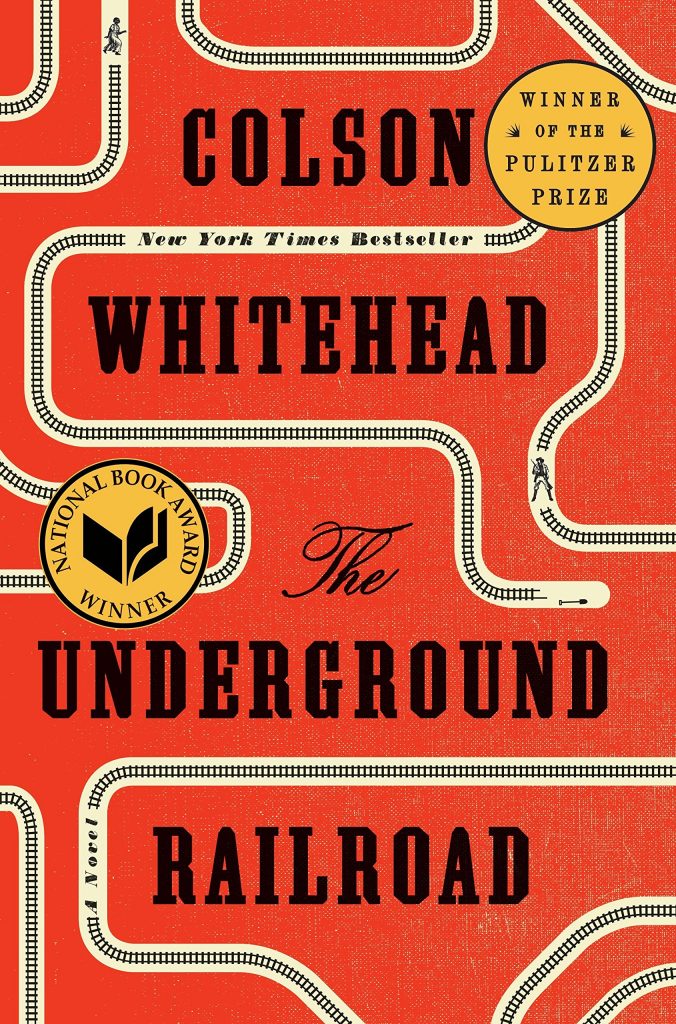
Colson Whitehead’s 2016 novel is, as they say in the business, a shoo-in for this list. It won the Pulitzer, the National Book Award, the Arthur C. Clark Award, and the Andrew Carnegie Medal for Excellence. It was longlisted for the Booker Prize. It was also a huge bestseller, of course, and achieved near-unanimous praise from critics. Oprah picked it for her book club. Barry Jenkins is adapting it into a television show. It doesn’t get much better than that.
But, why, you might ask, if by some strange accident you have not already read it yourself? Well, it’s accessible, entertaining, and character-rich, and it also reminds us of some uncomfortable but necessary truths about America and its history. –Emily Temple, Senior Editor
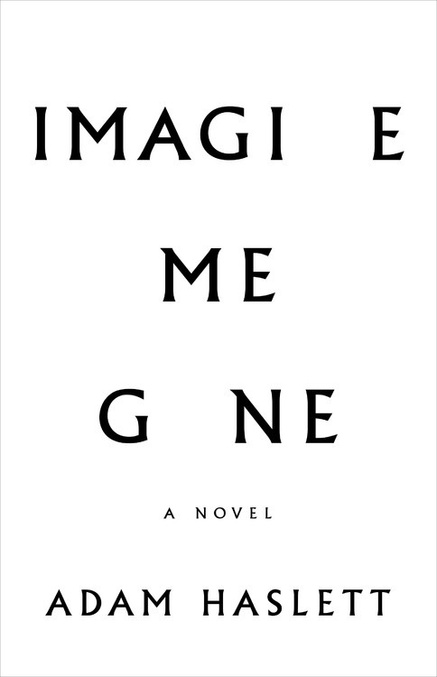
This was one of those novels I had to be told multiple times to read. I just didn’t want to read a sad book about depression! And to be fair . . . it is sad. But even so, I was wrong to resist, and so are you if you missed this one.
Adam Haslett’s second novel is a full and frank portrait of a family and the mental illness that besieges its members—some genetically, others merely experientially. It’s no more complicated than that—there’s no hook, no high concept twist, just the story of a family, told over the years and through the lens of each member: John, Margaret, and their (adult) children Michael, Celia, and Alec. Michael is the most intense narrator, and the one who has inherited his father’s “beast,” though in him it is changed into an obsessive, endlessly riffing master. In fact, Michael’s writing shows up quite a bit in the novel, and it’s one of the book’s best parts—a direct lens, as it were, into a highly unusual mind. –Emily Temple, Senior Editor
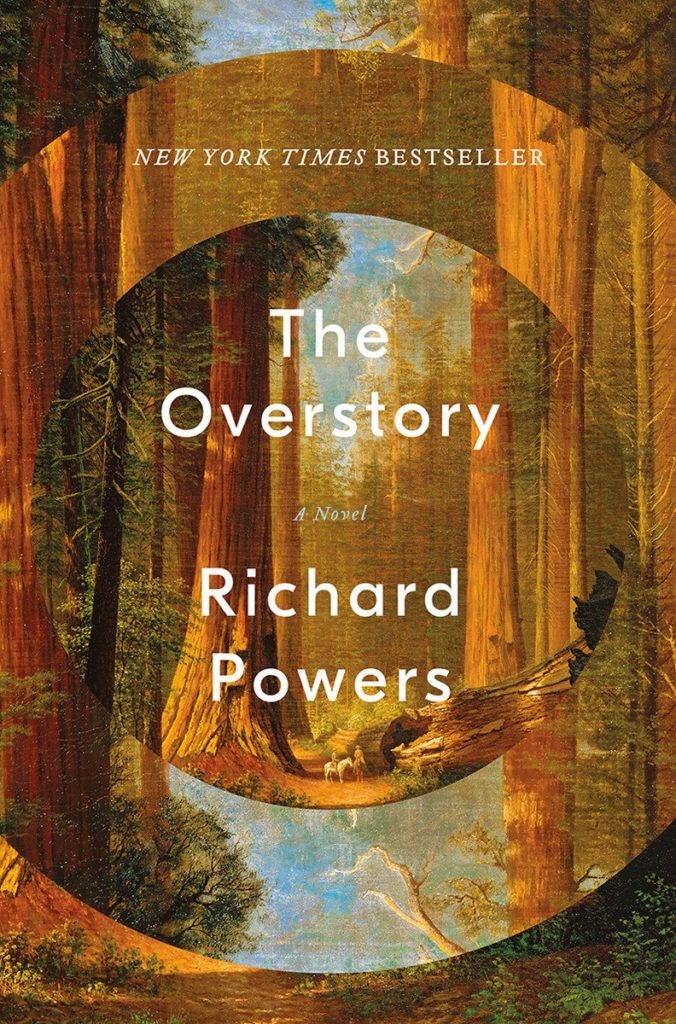
Much has been made of Richard Powers evocation of arboreal deep time. As ecologists and botanists and field biologists having been trying to tell us for decades, trees are alive in ways far closer to what we think of as sentience than anyone thought.
And while they can certainly be characters in bestselling narrative nonfiction (Peter Wohlleben’s The Secret Life of Trees comes to mind), can they be characters in a novel? Yes and no. While Powers does introduce several recurring tree characters—a landlocked and lonely chestnut that measures the generations of a single family, a monumentally giant redwood that’s home to eco activists—the lasting importance of this elegiac epic of climate collapse will be the way it takes environmental activism seriously. Powers’ human characters are heartbroken about the destruction of the planet, and they act upon it in all the messy, complicated ways one might expect from non-trees; but they are taken seriously—they are not quirky Franzonian extras, sprinkled through the narrative for a little radical spice. Here is a novel that contains within it layers of sadness and quiet hope; its concerns are ours, its characters are us. Deep time for dark times. –Jonny Diamond, Editor in Chief
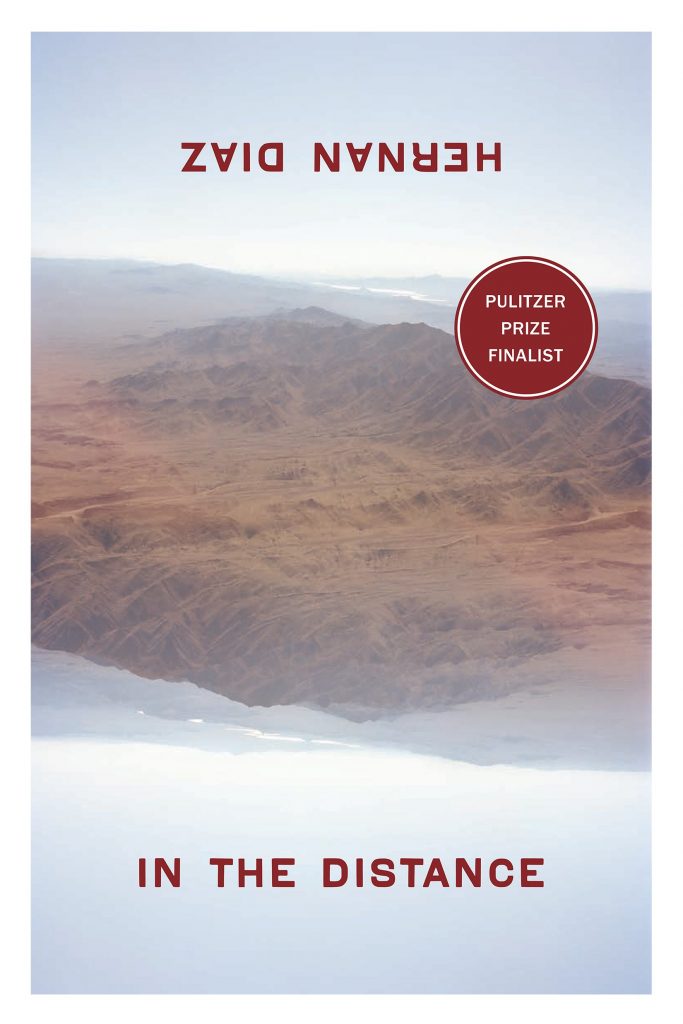
From the very beginning of Hernan Diaz’s slyly Western noir we are lashed to its main character, an adolescent Swedish immigrant named Hakan, as if to the mast of a doomed ship: we see what he sees, struggle through same harsh weather; we drift through his grim Sargassos, desperate for that ribbon of land on the horizon that will grant reprieve. Diaz’s close-third person shadowing of Hakan makes his felt dislocation ours: we know he has been separated from his brother on the way to New York, we know he has never seen a city (at one point he almost disembarks at Buenos Aires, thinking it his final destination), but we don’t really know where he is, or where he’ll end up, or why.
Though painstaking in its historical detail (without succumbing to the obsessive’s need to show off) In the Distance has the feel of a very contemporary story, capturing as it does the struggle and the will at the heart of migration, along with the cruelties that inevitably surround it. And though Diaz clearly has a copy of the Cormac McCarthy family bible, its brimstone and blood, there is tenderness buried at the borders of this novel, just waiting for a little rain to draw it to the surface. –Jonny Diamond, Editor in Chief
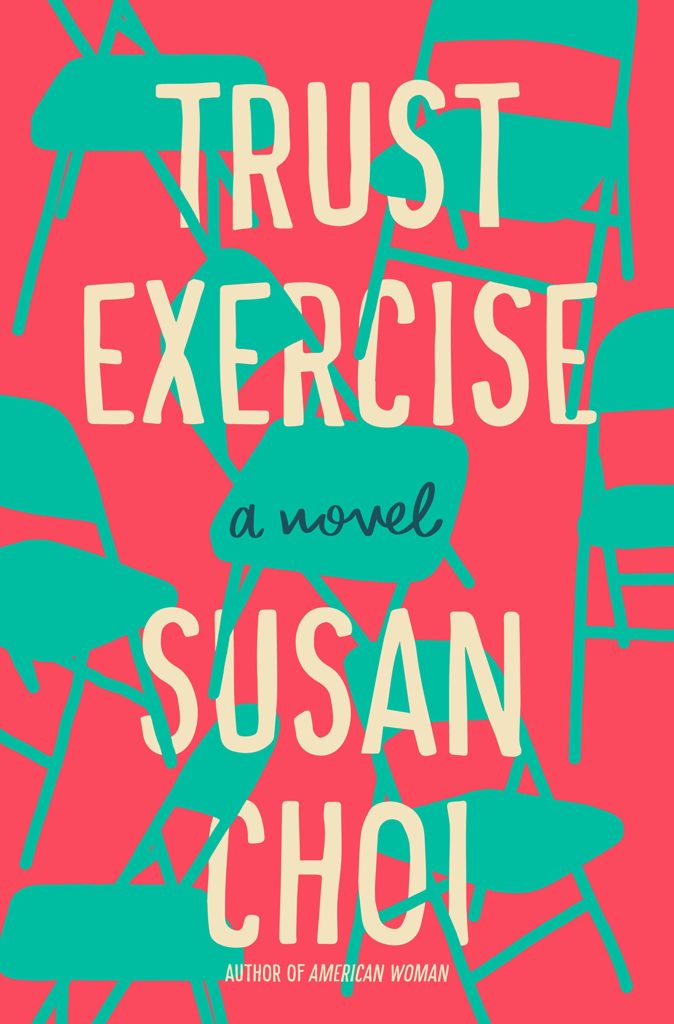
A finalist (and in my books, at least, the front runner) for this year’s National Book Award, Susan Choi’s fifth novel Trust Exercise is a novel in three parts. There’s a lot of concern over not ruining the twist that comes in part two (and to a lesser extent, part three), but it’s impossible to describe quite why this is one of the best novels of the decade without giving it away. So if you haven’t read it yet, stop reading this and just trust that the central hinge is perfect, and that you should go read it. Now, the spoilers. The first section of the novel begins at a performing arts school in the 1980s, a love story between Sarah and David, friends from opposite sides of the tracks, that suffer through their teenage years, their drama amplified by being sensitive, ambitious theater kids. The shift in part two is that this first story is, in fact, the story within the story, a book written by an adult Sarah (who is not actually called Sarah), being read now by a secondary character from the first story, someone named Karen (who is likewise not actually called Karen). It is an incredibly bold, somewhat shocking twist, resulting in an unraveling that’s pure craft. –Emily Firetog, Deputy Editor
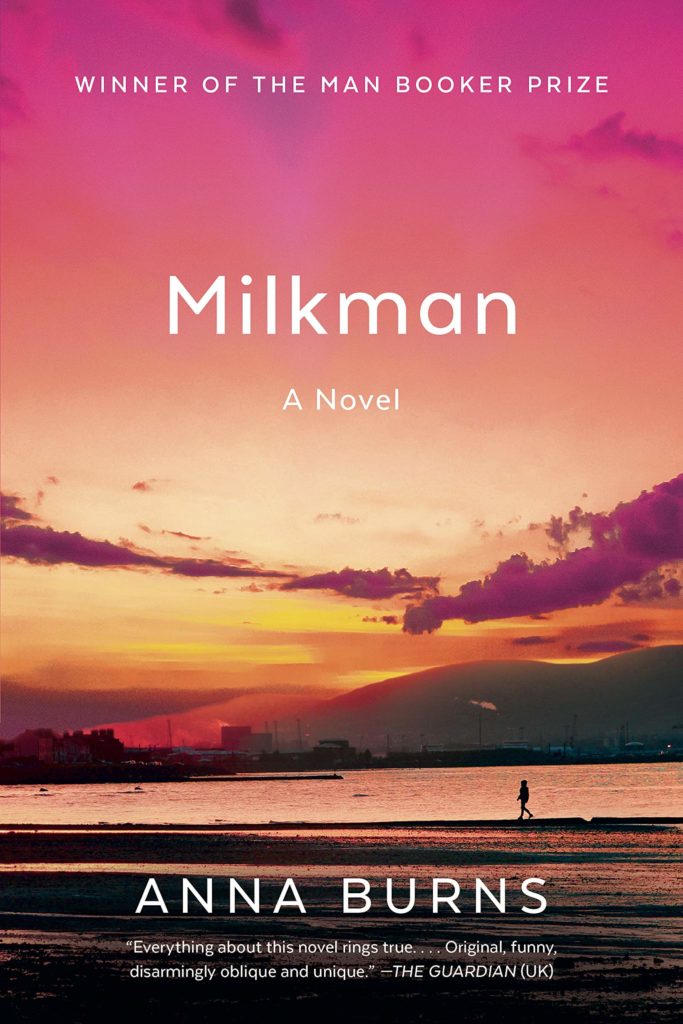 ANNA BURNS, MILKMAN (2019)
Anna Burns’s Milkman requires a little commitment. I don’t particularly hold to the idea that some books are “easy” while some are “hard” (or that there is particular virtue in either case) but Burns’s unspooling story of a young woman in Belfast during The Troubles ask of its readers that they be good listeners, that they might have the patience to let the novel’s speech-driven rhythms carry them along, its endless clause-laden sentences tugging like a current toward some unknown destination.
The novel doesn’t specifically locate us in Belfast, nor does it give us an exact era; in fact, the only character that’s ever granted a name is the “Milkman,” an IRA higher-up who may or may not be courting the main character, who’s something close to 18. Already deemed odd for her habit of walking the (dangerous) streets with her nose in a book, the attentions of the older man—he shows up at random in his white van—has people talking (but always just out of earshot, the curtains quickly drawn). Milkman is all menace and mood, its ambiguities like dark corners, places of concealment, its violence latent throughout, ready to explode.
***
Dissenting Opinions
The following books were just barely nudged out of the top ten, but we (or at least one of us) couldn’t let them pass without comment.
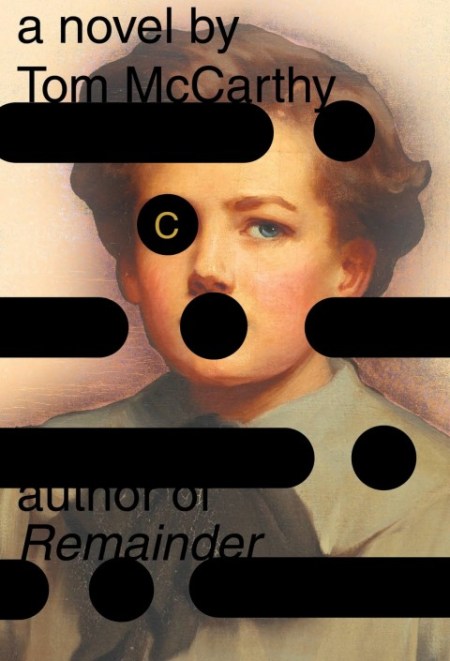 TOM MCCARTHY, C (2010)
Listen, haters. I know it’s not as good—or at least as pure—as Remainder, which is a nearly perfect novel. But I loved this book for its sheer postmodern ambition, its obsessions—with hearing and mishearing, communication and miscommunication, associative thinking—and its arch coldness. It seems McCarthy, who let’s not forget is the general secretary of the “semi-fictitious” International Necronautical Society, which is “devoted to mind-bending projects that would do for death what the Surrealists had done for sex,” is playing some sort of trick, or set of tricks, on us, and maybe on literature itself, and well, unfortunately I am the sort of reader who appreciates that.
After all, the novel, which is ostensibly about a troubled and troublingly blank young man named Serge Carrefax, building radios and dropping bombs as the twentieth century begins, is so weird, and so much, and so clearly about language and what we make of it, and what it’s for. In her review of the novel for the New York Times, Jennifer Egan wrote that McCarthy “withstands the temptations of emotional plotting and holds out instead for something bigger, deeper, more universal and elemental.. –Emily Temple, Senior Editor
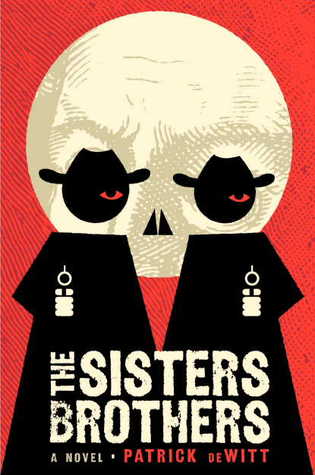
Patrick DeWitt’s The Sisters Brothers is a perfect Western, which is why it’s so startling that it’s a comedy about a protracted existentialist crisis. The Gold Rush-era story of two bounty-hunters, the philosophical Eli and his rowdier, more impulsive brother Charlie, it unfolds slowly as they head from Oregon to California to kill a prospector-alchemist named Hermann Kermit Warm at the behest of a shady figure known as the Commodore. Eli doesn’t exactly love what they do for a living (he’d rather work in a shop, he thinks), while Charlie doesn’t question it. As they make their way south, in a picaresque-fashion they stumble from one (often gritty) misadventure to the next, and eventually wind up teaming up with Warm when they finally find him. The best part of the novel is the narration—Eli is the ambivalent moral compass normally absent from Westerns, a kind of extreme normalcy and humanity amidst a desolate and unforgiving landscape and livelihood. He is ever-loving towards his cruel and reckless brother, a little anxious about his weight, and gets extremely excited when he purchases a toothbrush for the first time. Charlie, on the other hand, is scary—and you’ll spend pages worrying that the complicated, loving bond between them will be Charlie’s to selfishly, stupidly break. Eli’s sincerity is what keeps everything afloat, as well as makes it all feel so precarious. –Olivia Rutigliano, CrimeReads Editorial Fellow
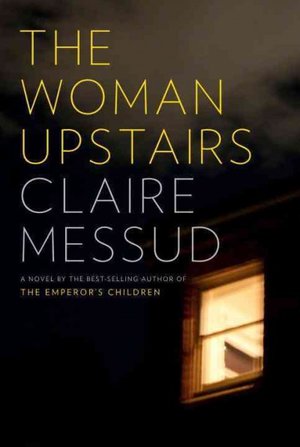
“How angry am I? You don’t want to know,” begins Claire Messud’s novel, in a sure hook if I’ve ever seen one. If I could, I would quote the entire first page because it establishes one of the most powerful and memorable feminist voices I have ever read in fiction: urgent and chillingly true. The quietly seething protagonist of The Woman Upstairs, Nora Eldridge, is a teacher who has sidelined her art, because she is a rule-follower who fears risk and uncertainty. She is unmarried, single, without kids; intelligent, experienced, and incisive enough to pierce societal facades and expose the enduring gender conventions, stereotypes, and pressures that imprison women. Thus, Messud’s titular allusion to Bertha Mason, the first “madwoman in the attic.” Nora’s predictable life is enlivened by the arrival of the worldly Shahids, a family of famous Italian artist Sirena, Lebanese academic and intellectual Skandar and young, well-mannered Reza. In each of the Shahids Nora glimpses the revival of a life she thought to be long lost. –Eleni Theodoropoulos, Editorial Fellow
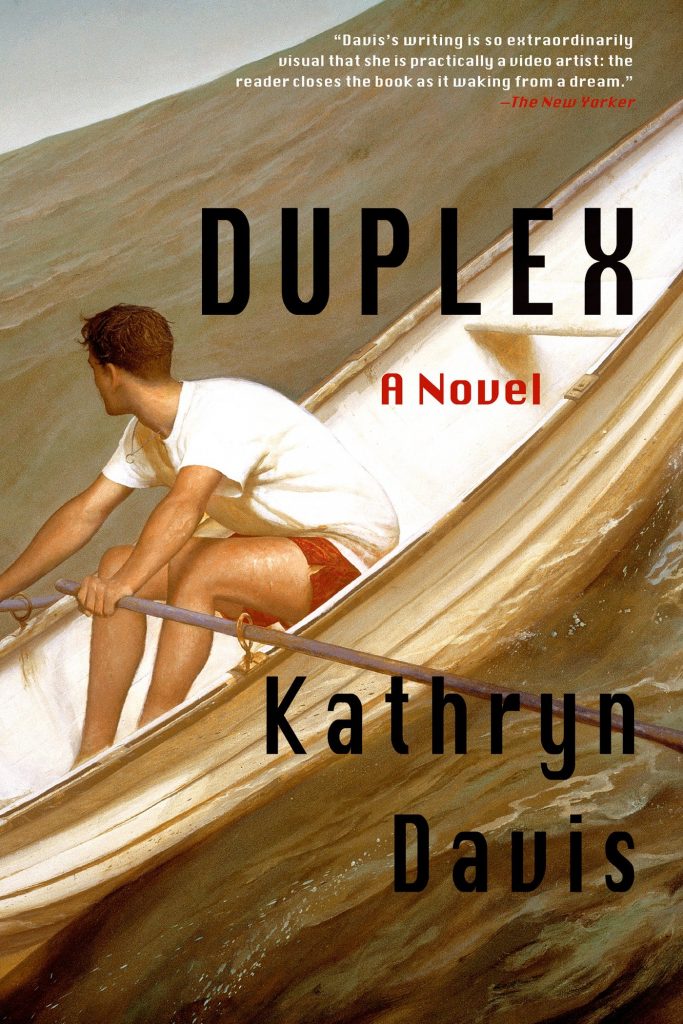 KATHRYN DAVIS, DUPLEX (2013)
It’s difficult to explain the phenomenon of reading this novel for the first time, though Lynda Barry does it as well as anyone could in the opening of her review for The New York Times:
The chapter is called “Body-without-Soul,” the book is called Duplex, and you’ve lived in a duplex so you think, “Oh, I know what this book is about.” . . . And then you read this: “The car was expensive and silver-gray and driven by the sorcerer Body-without-Soul.” And you find out not only does Miss Vicks know him, they are romantically involved, and he can make things vanish or “vibrate at unprecedented frequencies,” including her privates, he can sow fear inside anything, and then you read that he can fit his entire hand inside her. Time stutters. What? His entire hand what?
You read the phrase four times, trying to catch up, the way you tried to catch up when you were a kid and Henry, the teenager from next door, told a bunch of you a story about his finger and a girl. Finger? Girl? What? Then a flood of understanding horrified you, shamed and excited you, trailed you back into the house to the kitchen where dinner was ready, where your chicken potpie was waiting to be pierced with your fork and you stared at it. –Emily Temple, Senior Editor
 CHIMAMANDA NGOZI ADICHIE, AMERICANAH (2013)
Chimamanda Ngozi Adichie’s third novel is many things at once: part social satire, part coming-of-age, part romantic comedy, part immigration story. It is expansive and engaging and deeply enjoyable. It insists on the multiplicity of immigrant experiences, including the idea that an immigrant who has found success in the US might return to her country of origin, as its female protagonist Ifemelu does. Born in Nigeria, Ifemelu comes to the US for college, and struggles to earn money, unhappily doing sex work at one point, but ultimately thrives as a writer, winning a fellowship at Princeton and writing a popular blog about her experience of race in the US as a black African. When the novel opens, she is preparing to return home. Ifemelu’s childhood friend and later boyfriend (then ex-boyfriend)—and the novel’s second narrator—Obinze, travels to England and similarly faces money struggles, though his result in deportation. Americanah does not shy away from either social critique or pure, satisfying romance. It is about identity, in both the capital and lowercase senses, and it succeeds in its precise drawing the humanity of its characters as well as the nuances of its cultures. –Jessie Gaynor, Social Media Editor
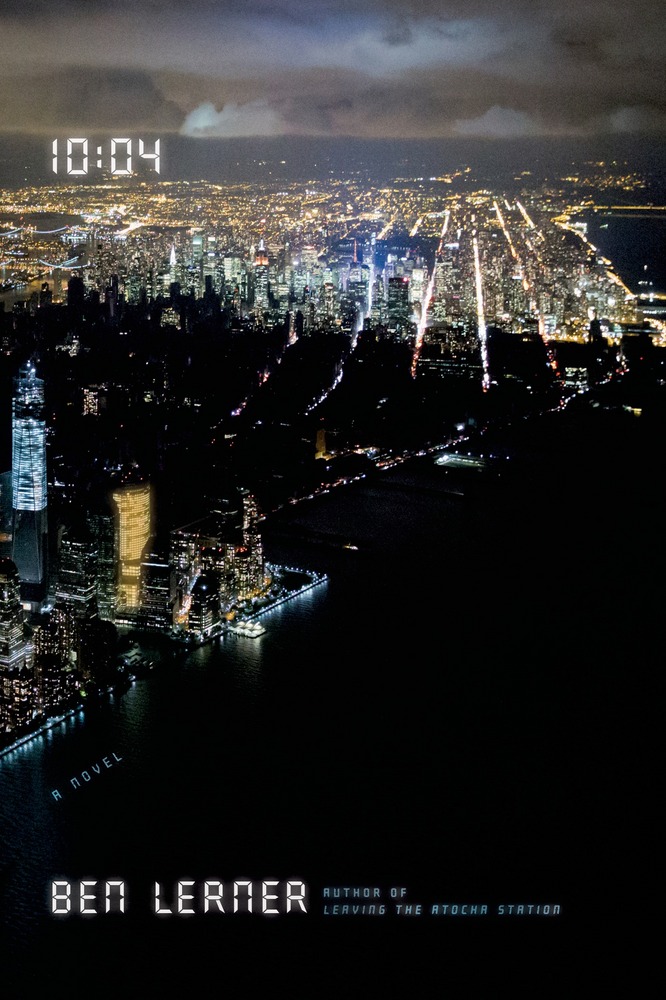 BEN LERNER, 10:04 (2014)
Considering his reputation, it’s actually a little jarring to remember that Ben Lerner has published all three of his novels (and one poetry collection) in the last decade. For those ready to jump down to the comments to tell me that actually, Lerner’s a poet—I know, dudes. Yes, he’d published two books of poetry before this decade (2006’s Angle of Yaw was a finalist for the National Book Award in Poetry), and he published another in 2010, but there’s really no denying that Lerner rose to general prominence with 2011’s slim, semi-autobiographical novel Leaving the Atocha Station, and that since then, he’s become a major name in the literary world primarily on the strength of his novels. Them’s the facts.
–Emily Temple, Senior Editor
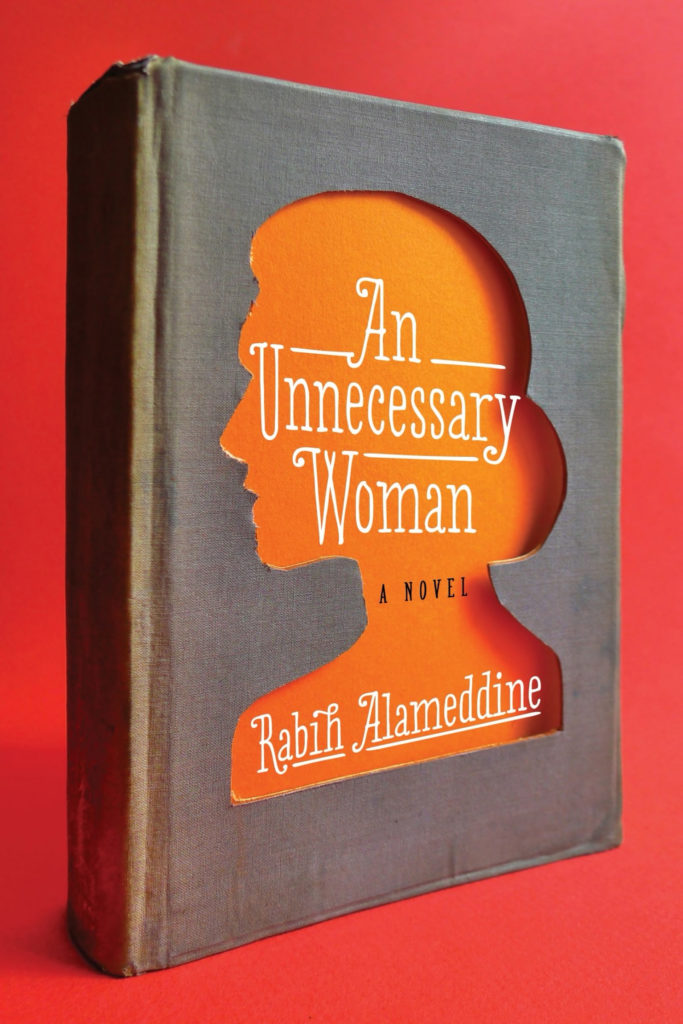
Of course I was going to love this book. This is a book about books. It has four (4) epigraphs. W. G. Sebald’s Austerlitz is mentioned on page three. Roberto Bolaño’s 2666 is mentioned on page six. That’s only the tip of the iceberg. Plus, it’s about an introverted, deliciously sardonic, relentlessly stubborn woman who hates pretty much everyone, but loves literature, and spends all her time hiding in her Beirut apartment, secretly translating all her favorite novels into Arabic. She’s been doing this for 50 years. No one has ever read any of them. Honestly, I can’t think of a book better suited to my temperament.
And that’s just the flashy headline. This is also a novel about the Lebanese Civil War, and about how we treat people who live at the margins, particularly women, particularly older women. This is also a novel about loneliness, and about grief, and about how language can help us negotiate these, and the limits of that negotiation. –Emily Temple, Senior Editor
Things were pretty good in 2015—Obama was president, the Paris Agreement was drafted, the Supreme Court affirmed same sex marriage (plus a little website called Lit Hub launched). And Lauren Groff’s third novel, Fates and Furies, was published. A finalist for the National Book Award, the book was a sensation, garnering positive reviews from everyone (including Obama, who said it was his favorite book of 2015). The novel begins on the day a young couple Lancelot (Lotto) Satterwhite and Mathilde Yoder marry, a mere two weeks after they meet. The way their love grows is told in the first half of the book, following Lotto’s mythic-hero story (born during a hurricane to a theme-park mermaid mother) he struggles as an actor before transforming into a brilliant playwright. He is a man touched by fate, who doesn’t question his successes. The second half of the novel turns the story on its head, Mathilde revealing herself as the catalyst for Lotto’s good fortune. As the story is retold and reshaped from her perspective, not only are gaps filled, but are secrets revealed. In an interview for Lit Hub, Groff said the novel is a “conversation about marriage, but also about privilege and background and our personality and how we deal with the world.” Fates and Furies takes a fairy tale marriage and probes its deepest darknesses and psychological depths with perfect, lyrical prose. If somehow you missed it when it was first published, this is your alarm to pick it up now. –Emily Firetog, Deputy Editor
A magnificently vivid and thoroughly heartwarming odd couple adventure tale set in the aftermath of the Civil War, in which Captain Jefferson Kyle Kidd—an elderly (but still spry) widower and veteran of three wars who roams the towns of Northern Texas, spreading the good word that the 15th Amendment has just been ratified and reading newspaper stories from distant lands to town halls full of rapt locals—finds himself tasked with delivering a young orphan girl (the delightfully quarrelsome former Kiowa “captive” Johanna) across 400 miles of unsettled territory to her relatives in San Antonio. As I have detailed at excruciating length to anyone who’ll listen over the past three years, I love everything about this tender gem of a novel: the way Jiles textures her Old West landscape with Kidd’s tersely poetic observations and ironic musings, the old-fashioned getaway and gunsmoke thrills over which she allows her mismatched protagonists to bond, her masterful blending of humor and suspense, and the pleasure she takes in detailing a disappearing way of life. It’s an exquisite portrait of two wary, worn-out souls, starved of love and unmoored from the worlds they knew, finding unlikely solace in one another. What begins as a hilariously combative battle of wills between this unlikely pair of malcontents becomes, by the close, something altogether more poignant, more precious. If I’m making this sound treacly and sentimental, forgive me, for it is neither. There’s nothing cheap, nothing unearned about the warmth that radiates from its closing pages, the sweet sorrow we feel at their journey’s end. –Dan Sheehan, Book Marks Editor
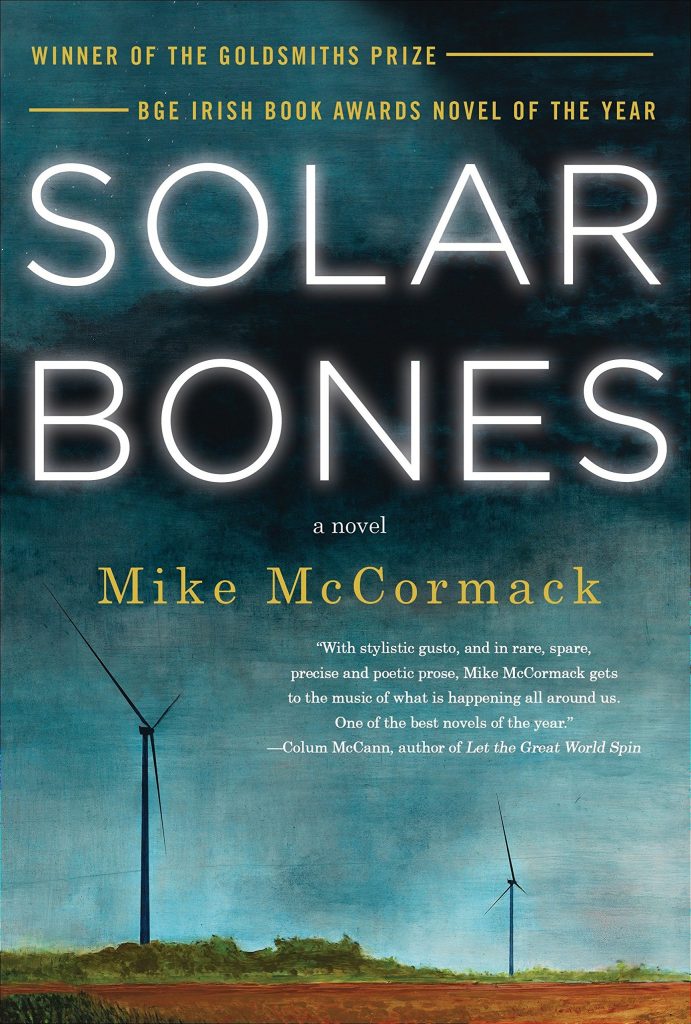 MIKE MCCORMACK, SOLAR BONES (2016)
The flap copy on my edition of Solar Bones gives away the ending, or at least the kicker. I’m going to give it away again, now, so look away if you’re one of those people who clutches their pearls at “spoilers,” as if one could spoil great literature by detailing any point of its plot. So: Marcus Conway is dead. And in this exceptional, strange novel, whose present action is no more than a few hours on All Souls’ Day, Marcus sits at his kitchen table and recounts the day of his death—and much of the life that came before it—in one book-length sentence, an incantatory ode to small town life in western Ireland. But the experimental formatting isn’t even the most impressive feature of the novel—I mean, before this I never would have imagined that I could be so enchanted by a book largely about the daily habits and various relationships and minor work dramas of a middle-aged civil engineer. What magic is that?
And ultimately, that’s what is so profound about this novel: it takes something quite straightforward—a regular person’s life—and presents it so carefully, so lyrically and specifically, that it can’t help but become cosmic, philosophical, a whole world to wonder at. This is why the ending—whether you know it’s coming or not—is so gutting. It’s an apocalypse, a small one, and you feel it, even as the cars continue to stream by outside your bedroom window. –Emily Temple, Senior Editor
Mr. Splitfoot, Samantha Hunt’s third novel, is her creepiest, and maybe her saddest. It is about two preteens—orphans—Ruth and Nat, who live in desolate upstate New York at the Love of Christ! Foster Home, Farm, and Mission, a terrible place run by a greedy religious psychopath. Ruth is in love with Nat, while Nat is enamored of his own skills—somehow, he can speak to the dead. He can summon the deceased parents of the children who live in the home. It’s during one of his séances that they are interrupted by a new character—a charismatic charlatan named Mr. Bell who wants to help Nat profit financially from his talent. This interloper is obviously bad news—but the sense of foreboding around him and their whole enterprise is gravely augmented by the fact that every other chapter of the novel takes place many years later. Ruth, now an adult, is there, and Nat is nowhere to be found. This older Ruth also does not talk at all now, but she is determined to help a young woman, her niece Cora, escape something dangerous. –Olivia Rutigliano, CrimeReads Editorial Fellow
Homegoing, Yaa Gyasi’s sweeping narrative of the slave trade’s toll on a family lineage across three centuries, begins with two half-sisters in 18th-century Ghana: Effia, whose marriage to the British governor of Cape Coast Castle furnishes her with security and wealth, and Esi, who is kidnapped and sold into bondage, waiting for passage to the Americas in the packed, rank dungeons under the fortress where Effia lives in luxury. Each chapter is told from the perspective of one of their descendants, unfolding the effects of slavery on both sides of the Atlantic: in West Africa, families and villages are torn apart by war and kidnappings; in America, the inhuman brutality of American slavery, rumors of which provoke horror among those who remain in Africa, leads into the era of Jim Crow apartheid and torture. In the book’s earlier scenes, some of its most vivid, Isabel Wilkerson wrote for The New York Times that Gyasi “walks assuredly through the terrain of Alex Haley, Solomon Northup and Chimamanda Ngozi Adichie in her intimate rendering of the human heart battered by the forces of conquest and history.” Some critics contended that the book’s later scenes, in the modern-day US, relied on stereotypes that were “sometimes unquestioningly imported, rather than combatted, subverted, and complicated,” Kate Osana Simonian wrote for The Kenyon Review. Regardless, this book is an astonishing testament to survival and a witness to the ancestral wisdom and ingenuity that made survival possible. –Corinne Segal, Senior Editor
I have been recommending this slim, glinting dagger of novel since it came out in 2016, to anyone who will listen, and I’m not going to stop now. Look, “best of” lists like this one should be messy and idiosyncratic and unexpected, reflections of long and heated arguments by people who care a lot about books and are always reading—what they shouldn’t be is calibrated to please everyone. Having said that—and aside from my love of Danielle Dutton’s miraculous first-person inhabitation of 17th-century Renaissance woman Margaret Cavendish—I would like this book to serve as representative evidence of all the short novels that might not be epic in length, but are so in scope, that are too often left off lists like this one because they don’t immediately register as monumental. But back to the book.
Of noble station, Margaret Cavendish—aka “Mad Madge—was a real person, a writer of plays, poetry, philosophical treatises, scientific theories, and more. The first woman ever invited to the Royal Society in London, Cavendish did, indeed, achieve the intellectual fame she’d long sought; unsurprisingly, her accomplishments were diminished at every turn, as many claimed her books must have been written by her husband. Dutton (who founded Dorothy: A Publishing Project) realizes the outsize ambitions of this remarkable book with virtuosic efficiency, braiding first- and third-person perspectives with passages from Cavendish’s original writing. I will be recommending this book for the next decade. –Jonny Diamond, Editor in Chief
 ELIF BATUMAN, THE IDIOT (2017)
The Idiot is one of those books that expanded my understanding of what a novel could look like. It is meandering, but it meanders with such gusto that I never doubted that Elif Batuman knew exactly where she was leading me. The Idiot is a campus novel, telling the story of its protagonist’s first year at Harvard. She—Selin—has a romantic interest (their relationship is sort of one-and-a-half-sided—their courtship mostly takes place in the then-nascent medium of email), but mostly she bobs along. That’s part of it, the bobbing. Selin is something of a buoy in a world of torpedoes. If this sounds tiresome, consider the profound power of the incredibly funny, linguistically virtuosic narrator. The Idiot is occasionally baggy, but its voice is so thoroughly charming that I could have read volumes of it. Selin is, if occasionally bewildered, also full of wonder, without any of the tweeness with which that word is sometimes unfairly burdened. The Idiot is a novel of ideas, a novel of fascination. And it’s just so damn funny. Of the novel’s humor, Cathleen Schine writes, “Language is the medium and language is the comedian, language is the star and the prop, Chaplin and the globe he balances, the hungry fellow and the shoe he dines on.” The Idiot is, for all its shaggy bits, a perfectly self-contained world. –Jessie Gaynor, Social Media Editor
Jesmyn Ward is a MacArthur genius grant recipient, a two-time National Book Award winner, and a former TIME 100 honoree, as well as the author of one of the most powerful and affecting memoirs of the last ten years, so why does it still feel like she’s under-read? Granted, Ward is not one of the book world’s Very Online Authors, nor does she qualify as a literary wunderkind (though I’d argue that winning two National Book Award by the still-young age of forty is pretty damn wunderful), and she and her work have never really been subjected to the kind of breathless op-ed assault that can, as a silver lining, serve to raise awareness of a title, but still… All that throat-clearing is to say that if you haven’t yet gotten around to reading Ward’s work, you really, really should. She is a truly magnificent writer and one of the most poetic and humane chroniclers of the trauma that generations of systemic racism has inflicted upon the contemporary black American family. Her finest (and most harrowing) work to date, Sing, Unburied, Sing is an intimate, mystical portrait of a fractured Mississippi Gulf Coast family and the painful histories and buried secrets that plague its members as they embark upon a journey to the State Penitentiary. As she does in 2011’s Salvage the Bones, Ward infuses this devastating Southern realist tale with a sort of mythic grandeur. Her language is lyrical, hypnotic, haunted by a deep and profound sorrow as her characters are haunted by the ghosts of young men brutally and prematurely wrenched out of the world. –Dan Sheehan, Book Marks Editor
If I were to choose one word to describe my experience reading Ottessa Moshfegh’s latest novel, the word would be delight. It’s just so goddamn fun, and weird, and, well, mean in a way you’re not allowed to be, usually, either in literature or in life, which made me love it (look, she’s not hurting anybody, everyone is fictional, let me have this).
Like many readers (and writers) I know, I first fell for Moshfegh via her stories in the Paris Review, and 2017 her collection Homesick for Another World. My Year of Rest and Relaxation picks up some of her stories’ elements—horrible people, anger, dissociation between reality and interiority—while feeling like a much bigger, better, complex work. Well, it’s a novel, after all, and it’s a good one.
As you may know, the book centers on an unnamed narrator (rich, she tells us, and pretty) living in New York City, whose parents have recently died, and who would like to take a “year of rest and relaxation” via a drug stupor, waking only every three days to eat. She is sometimes stymied by Reva, her “best friend,” but eventually more or less succeeds, and wakes in the summer of 2001, slowly readjusting to her life before she’ll have to readjust all over again. –Emily Temple, Senior Editor
Just popping in to introduce you to a book you’ve definitely never heard anything about, an underappreciated novel I like to call Normal People. Just kidding! I’m sure you know all about it. I’m sure it’s the first thing you see when you walk into your local indie. I’m sure you probably tried to go to the Books Are Magic event that so many people RSVP’d to that they had to move it to a local church (and it was still packed!). You are probably also pumped for the TV adaptation—right? There is good reason for the hype, friends. From Sally Rooney, celebrated author of Conversations With Friends and heralded as “the first great millennial writer” comes the story of Connell and Marianne. Connell is your quintessential cool kid (popular, star of the football team, etc.), while Marianne lives a more solitary and private high school existence. His mother works for her family. One day, when Connell comes to pick his mother up from Marianne’s house, an unlikely connection grows between the two teenagers. Through Sally Rooney’s masterfully controlled prose, we follow them through the halls of their high school, where they pretend not to know each other. –Katie Yee, Book Marks Assistant Editor
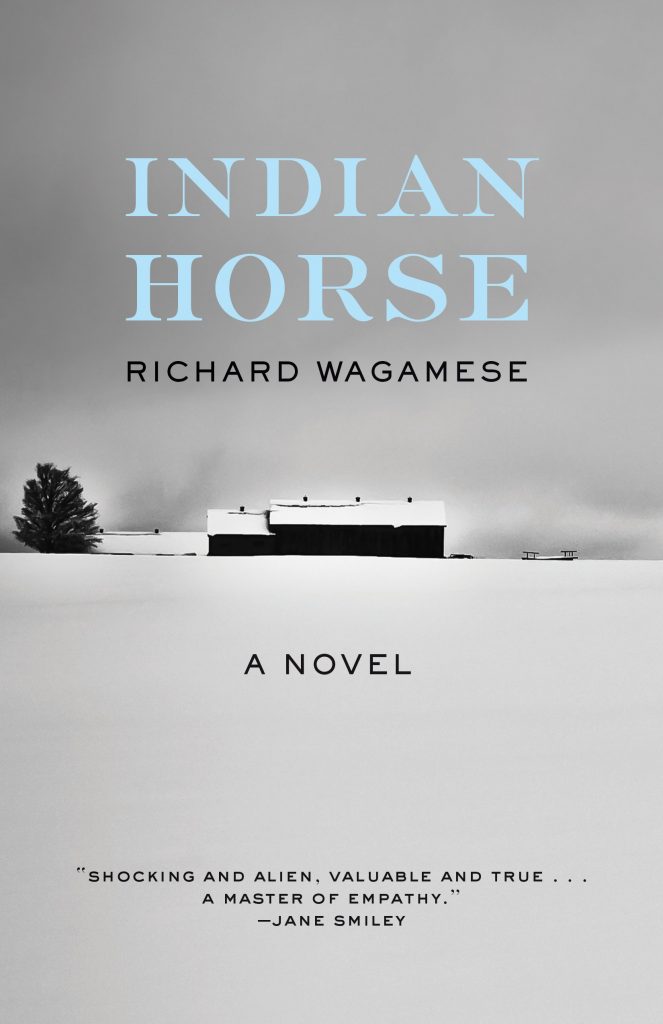 RICHARD WAGAMESE, INDIAN HORSE (2018)
Most of us (I hope) are at least intellectually aware of the centuries of colonial violence meted out by European settlers upon the Indigenous nations of North America, and though we don’t need to feel something to grasp its injustice, art is here to remind us of the specific human cost of systematized theft and racism.
The late Richard Wagamese’s Indian Horse (first published in Canada in 2012, but released in the US by Graywolf in 2018) recounts the all too familiar story of Indigenous children stolen from their parents to be (re)educated in the ways of Christian empire. In this case, that story happens in one of Canada’s notorious “residential schools,” church-run boarding schools that were effectively prisons, in which all traces of First Nations’ culture were forbidden (language, first and foremost), and where neglect, abuse, and even murder, were tragically commonplace. Though the material is necessarily grim, Wagamese doesn’t fetishize despair, and allows his main character, Saul, the chance to feel something like joy as he discovers a preternatural talent for hockey. And though the sport might only represent a brief respite, for Saul, from a lifetime of pain and loss, these sections contain the best writing about a sport I have ever read. –Jonny Diamond, Editor in Chief
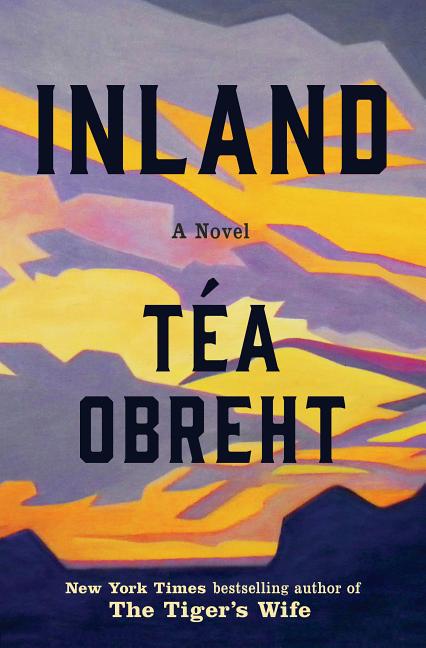 TÉA OBREHT, INLAND (2019)
You’d be forgiven, if you read Téa Obreht’s 2011 debut The Tiger’s Wife (ahem, see above), for having high expectations for her sophomore effort, especially considering it’s been 8 years in the making.
You’d be forgiven, and you wouldn’t be disappointed. This is a lush, wide-ranging, and fully American novel, a revisioning of a classic Western, imbued, as all the best revisionings are, with many of the satisfactions of the trope, but presented alongside a set of new and better ones.
For instance, for a Western, it’s not particularly violent—or not as violent as you’d except, though what is there was so well-written as to make me gasp—and instead we get the aftermath: the ghosts. Ghosts are everywhere in this novel, reminding us that every place and time has its own history, its own victims, its own way of self-consideration. Both Nora and Lurie see them, though it’s not always clear that they both believe them. We believe them, though: such is the compelling texture of Obreht’s prose. –Emily Temple, Senior Editor
To read more: https://lithub.com/the-20-best-novels-of-the-decade/


 Two containers make up the ground floor of each house, with two more cantilevered three metres over one end to create a sheltered porch below and a first-floor terrace off the master bedroom.
 Squirrel Park is a scheme of four houses made from converted shipping containers in Oklahoma City, USA, by Allford Hall Monaghan Morris. Built for a developer client who plans to live in one of the properties, Squirrel Park has four two-bedroom homes on a 2,500-square-metre site.
 A 2019 Super Bowl ad kicked off a showdown between the maker of Bud Light and the maker of Coors Light. WSJ’s Jennifer Maloney explains how that standoff has led to accusations of corporate espionage, two lawsuits and questions about the future of the beer industry.


 “Originally designed as both a road and racing car, little compromise was made for comfort and practicality. With a light body and a peppy 2½ litre Riley engine, the Healey Silverstone performed well; even the headlights were brought inside behind the grille to make it more aerodynamic. It had a very limited run; just 105 produced making correct examples extremely desirable.

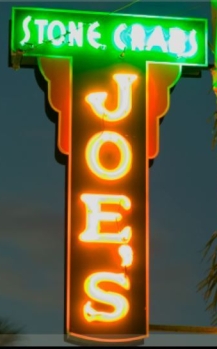 Joe’s Stone Crab in Miami Beach, Fla., is the top-grossing independent restaurant in the country, according to Restaurant Business’ annual ranking of the Top 100 Independents. In its first time in the top spot, the restaurant brought in more than $38 million in 2018.
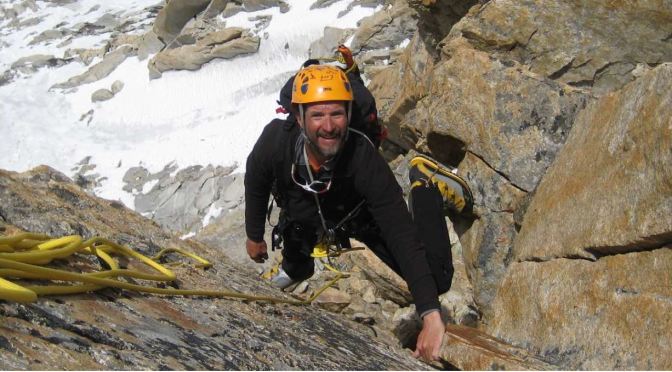
 In the spring and summer, he trained two to four hours a day, six days a week, running daily and carrying 60 pounds of water up a 4,000-foot peak near his home in Seattle twice a week. “All the research has shown that 80 percent of training for alpine ascents needs to be long duration and low intensity, to build a huge foundation of endurance,” Swenson says. “There are no shortcuts to this. There’s no thirty-minute-a-day gym workout. You have to have the discipline to put the time in.”
 “We do inherently cross over multiple verticals so we compete for share against other fast casuals in Denver,” he said.
 “If restaurants aren’t paying attention to this they should probably start now because grocers are in a position to do some serious business [in delivery],” Frank Beard, GasBuddy analyst, told Restaurant Dive.
 Philips Lumify ultrasound technology is an important component of the mobile ECMO unit. Members of the ECMO team use Lumify for real-time visual guidance when inserting tubes in veins and arteries in a process called ECMO cannulation.
 JENNIFER EGAN,
 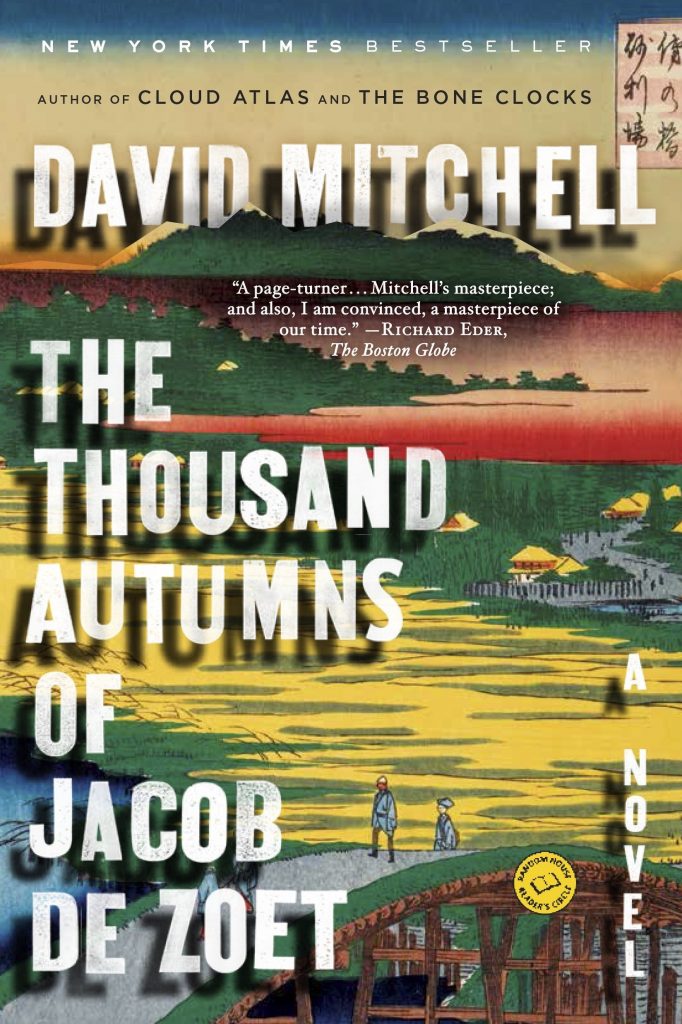 DAVID MITCHELL,
 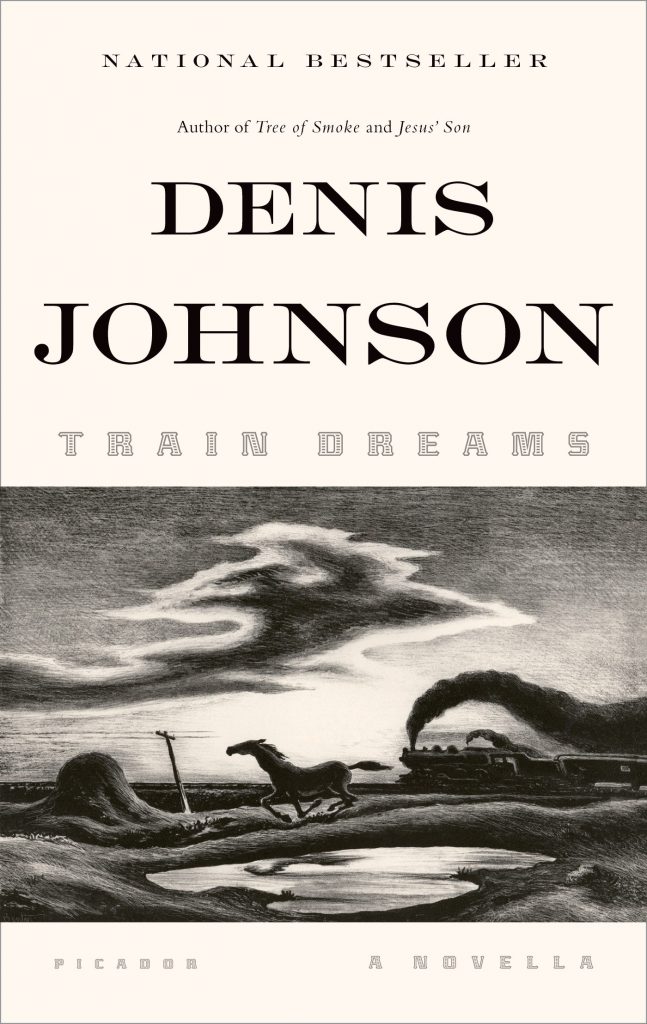 DENIS JOHNSON,
 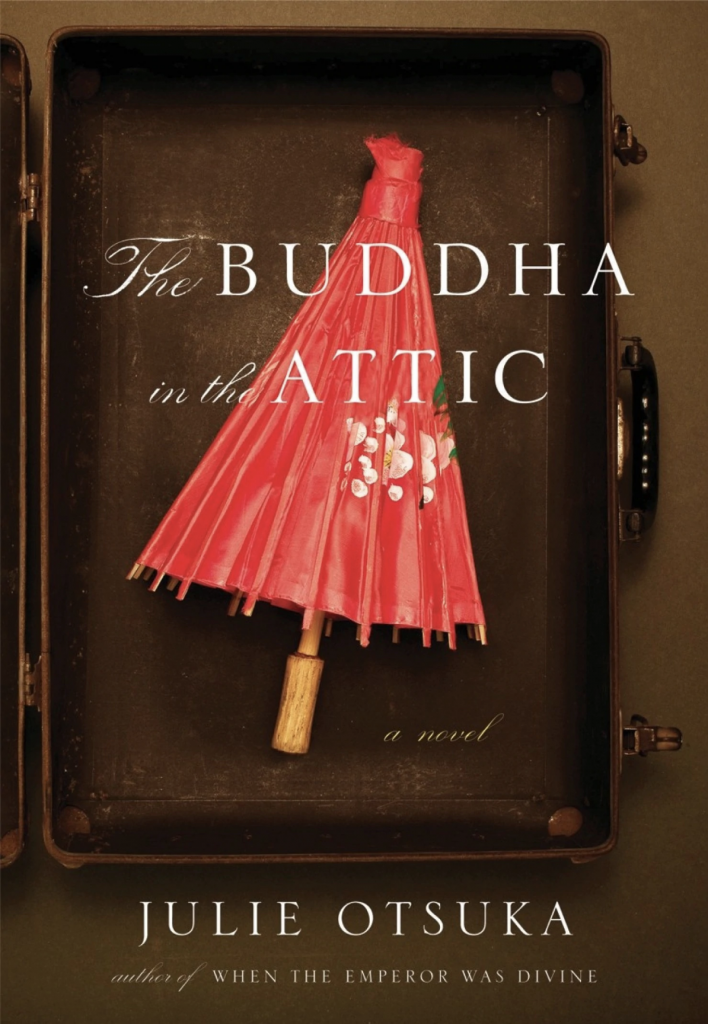 JULIE OTSUKA,
 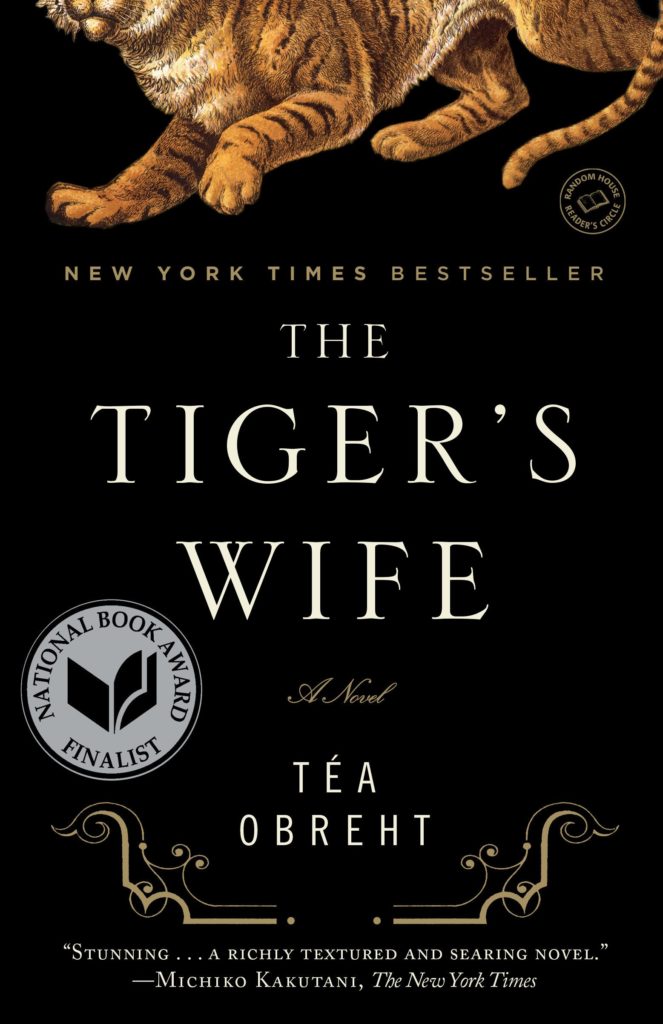 TÉA OBREHT,
 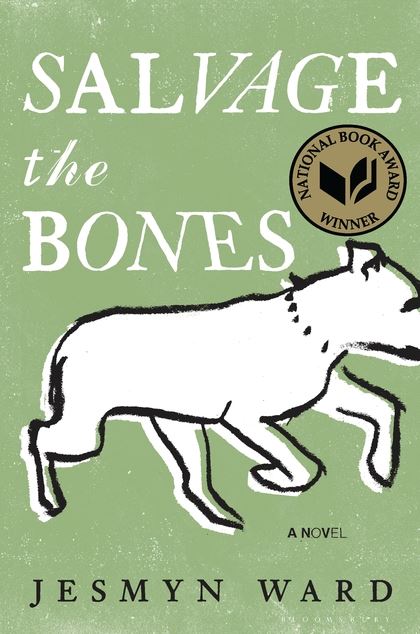 JESMYN WARD,
 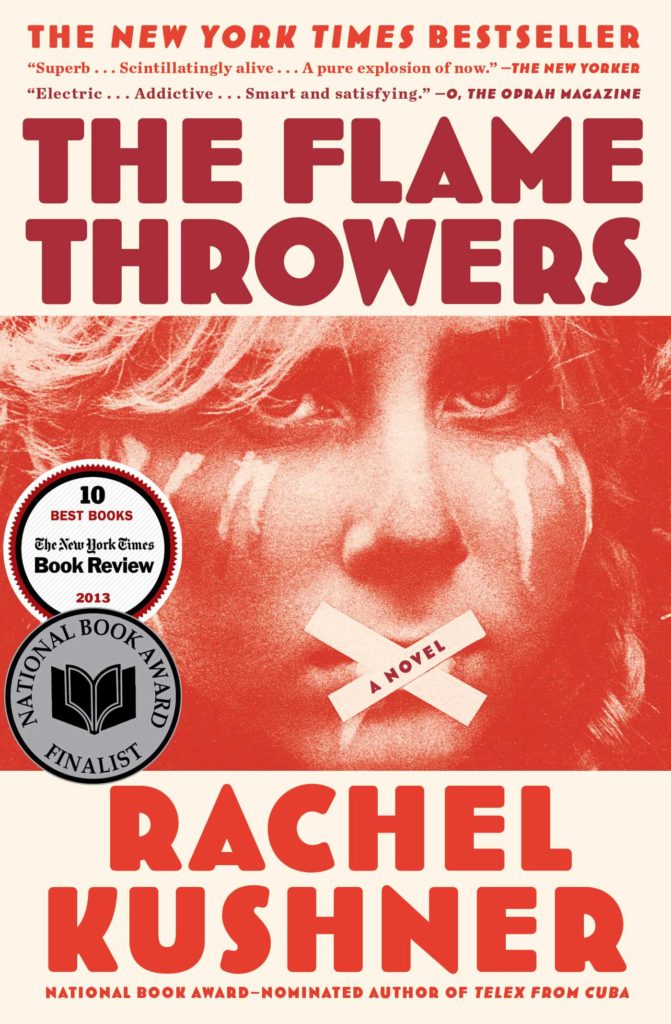 RACHEL KUSHNER,
 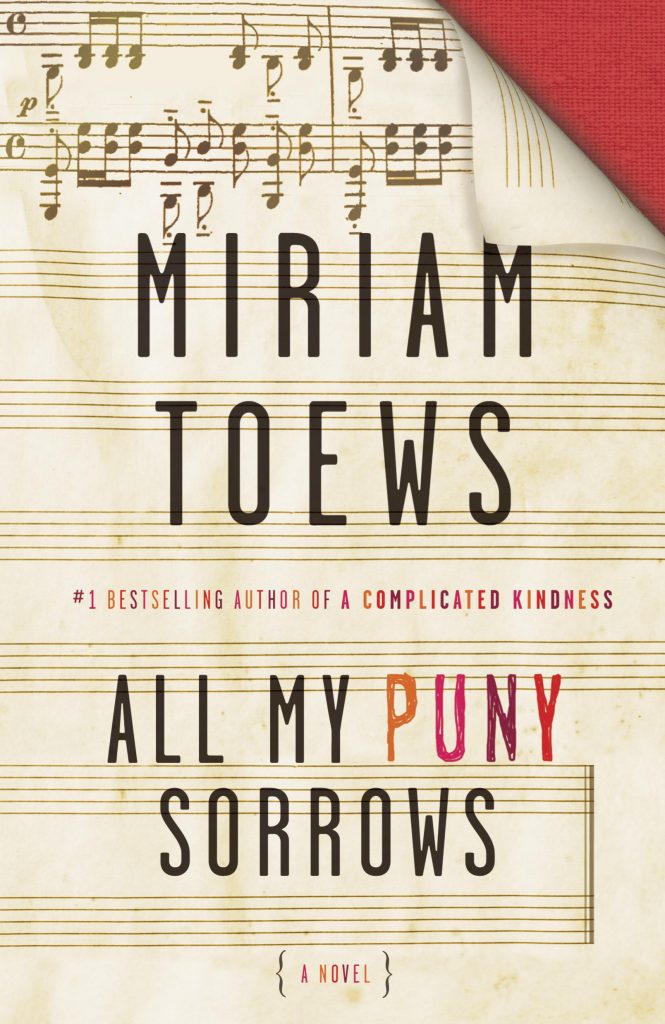 MIRIAM TOEWS,
 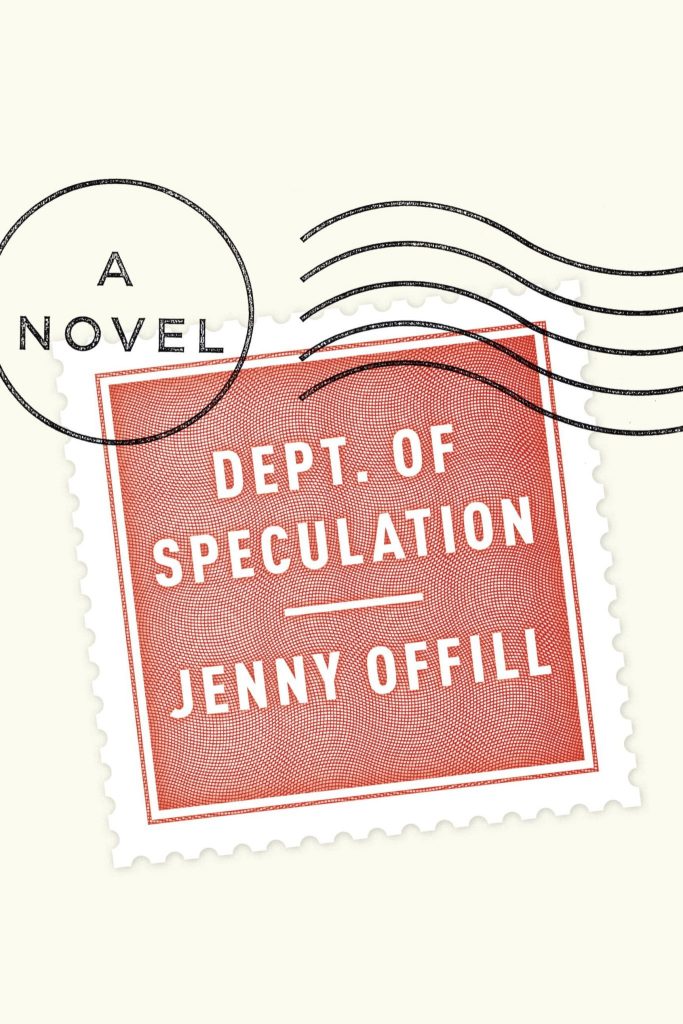 JENNY OFFILL,
 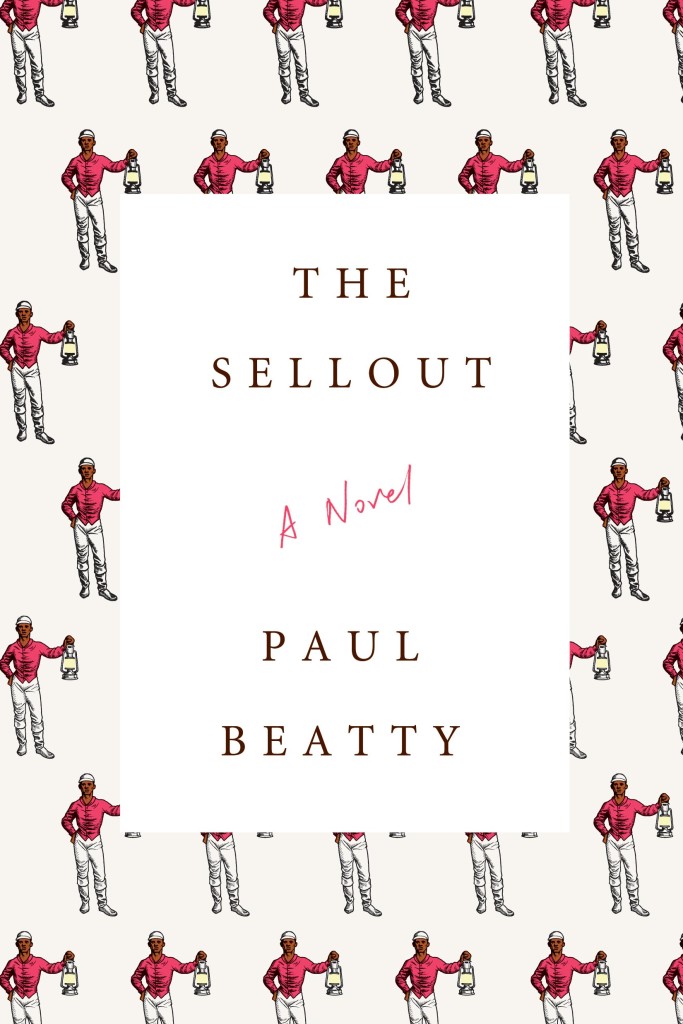 PAUL BEATTY,
 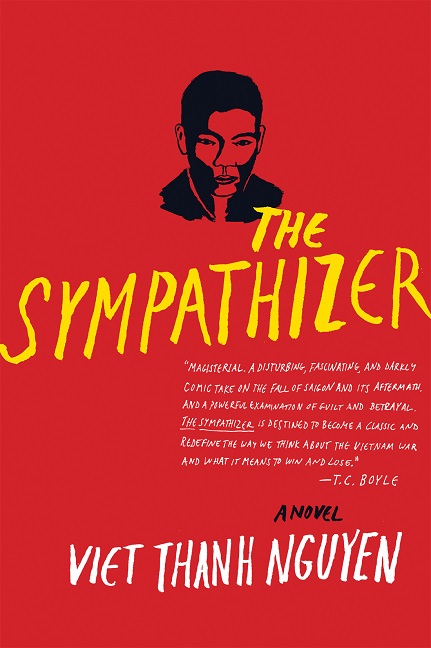 VIET THANH NGUYEN,
 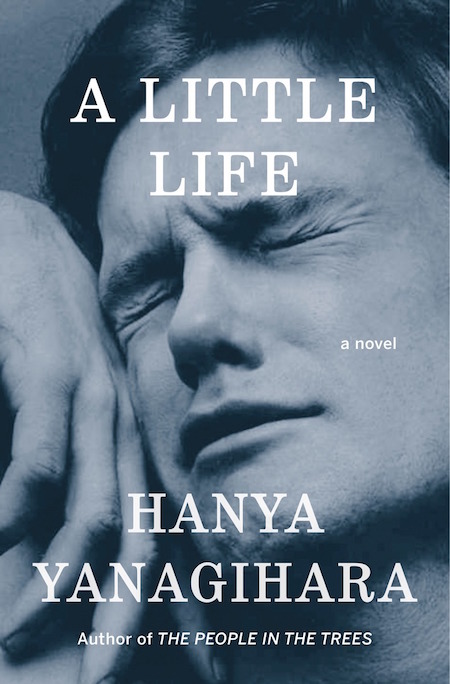 HANYA YANAGIHARA,
 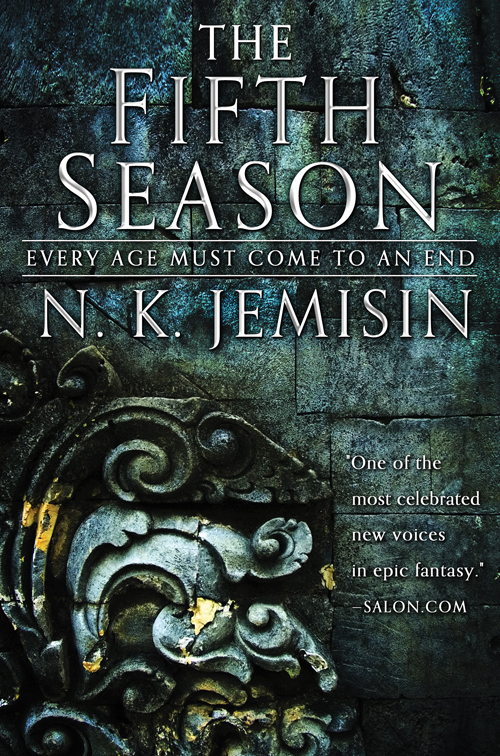 N. K. JEMISIN,
  COLSON WHITEHEAD,
  ADAM HASLETT,
  RICHARD POWERS,
  HERNAN DÍAZ,
  SUSAN CHOI,
  PATRICK DEWITT,
  CLAIRE MESSUD,
  RABIH ALAMEDDINE,
  LAUREN GROFF,
 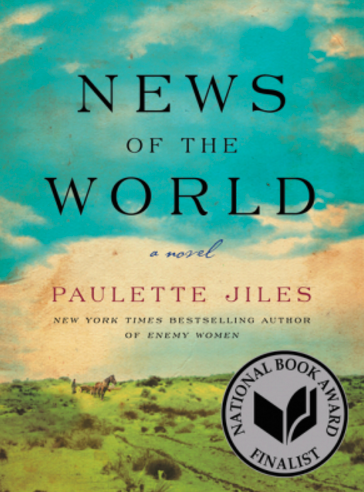 PAULETTE JILES,
 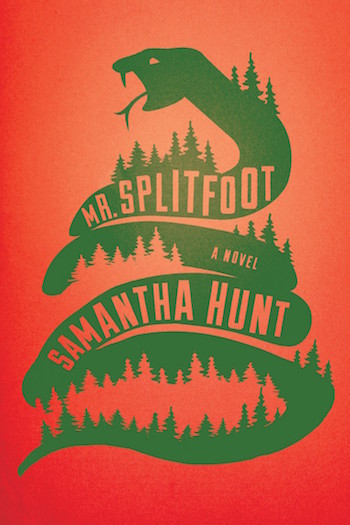 SAMANTHA HUNT,
 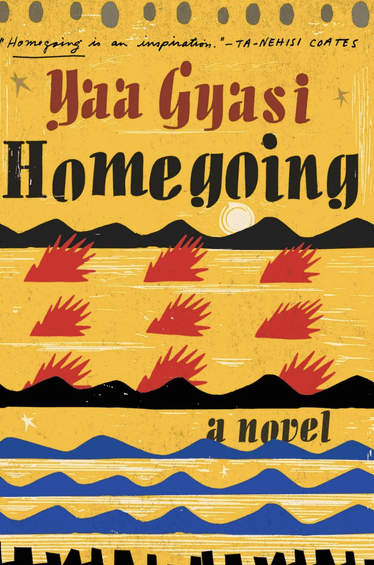 YAA GYASI,
 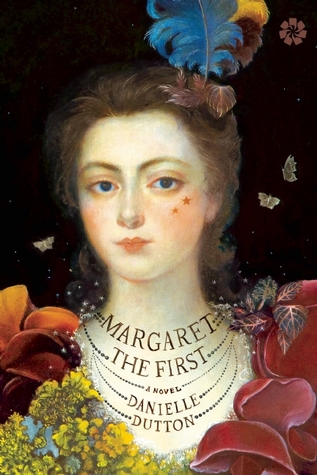 DANIELLE DUTTON,
 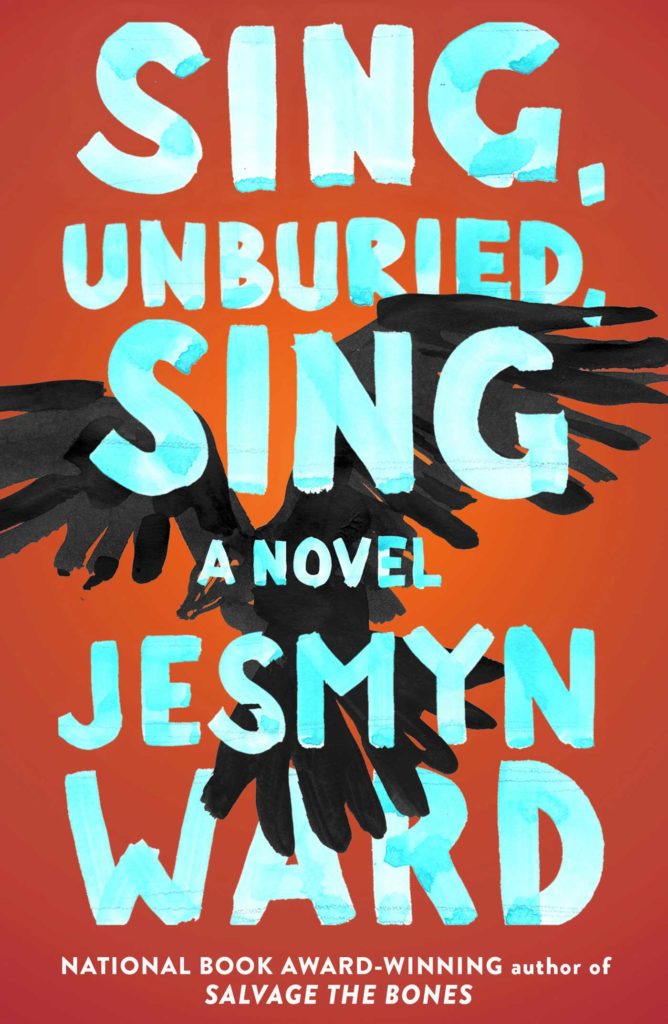 JESMYN WARD,
 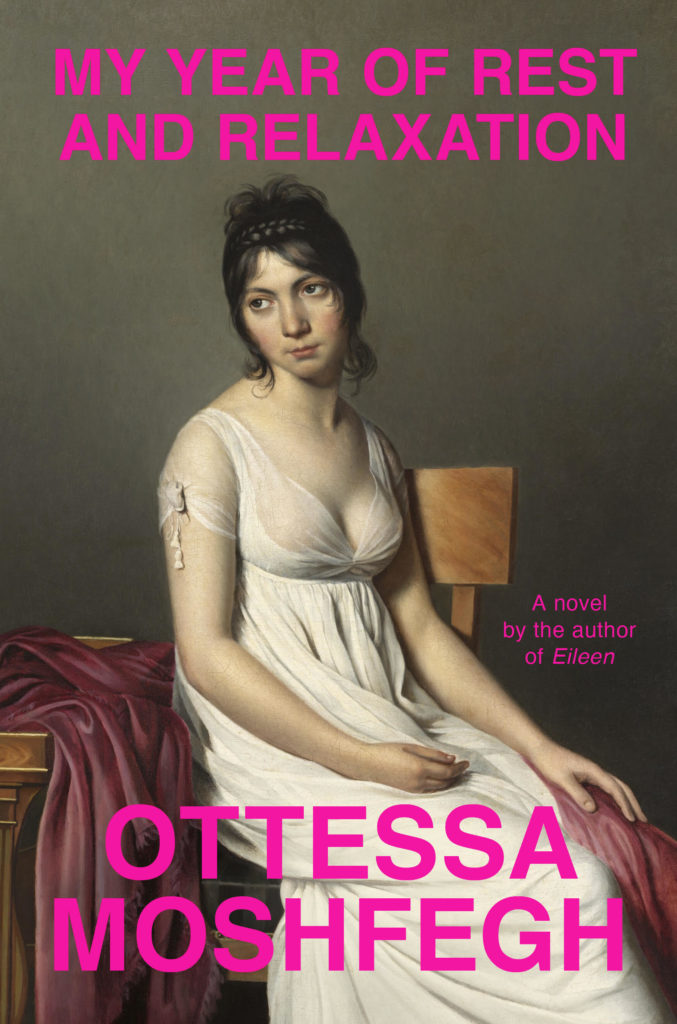 OTTESSA MOSHFEGH,
  SALLY ROONEY,
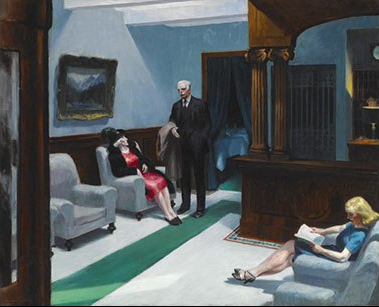 Isolation was a persistent theme in Hopper’s art and life. Was he dogged by isolation or did he pursue it? ‘Did anybody really know this silent, non-communicative man?’ asked Raphael Soyer in a 1981 interview, 14 years after Hopper’s death. His friends recollected a cynical and taciturn artist, self-doubting, introspective and distrustful of fame. But before Hopper became the painter of lonely figures in all-night diners, he was the illustrator of raucous party scenes and smiling couples waltzing together at summer fêtes.
 Boomers Daily