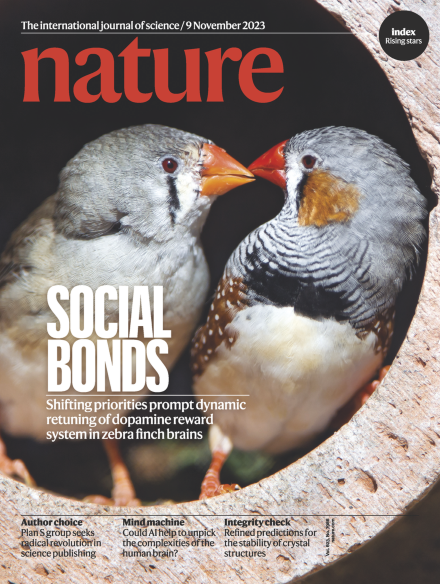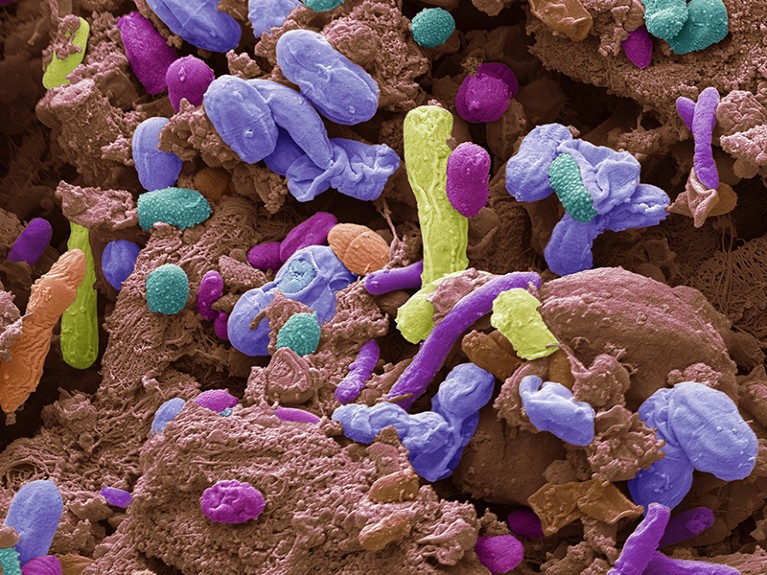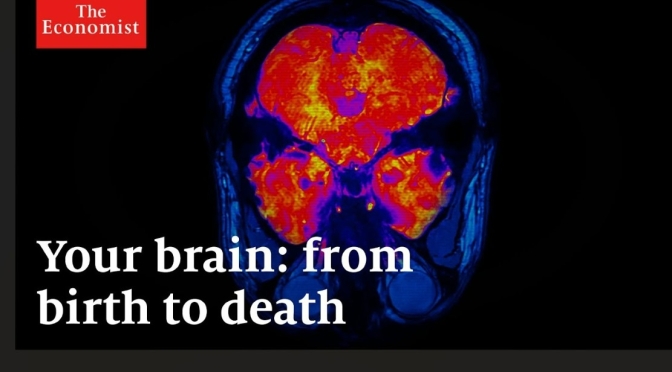

The Economist (November 2, 2023) – As the most complex organ in your body, your brain changes radically throughout your life. Starting from before birth and continuing even after you’ve died. This is what happens to your brain as you age.
Video timeline:00:00 – What happens to your brain when you age? 00:32 – In the womb 01:03 – Childhood 03:19 – Teenage years 04:48 – Early adulthood 05:27 – Middle age 07:04 – Later life 07:36 – Death
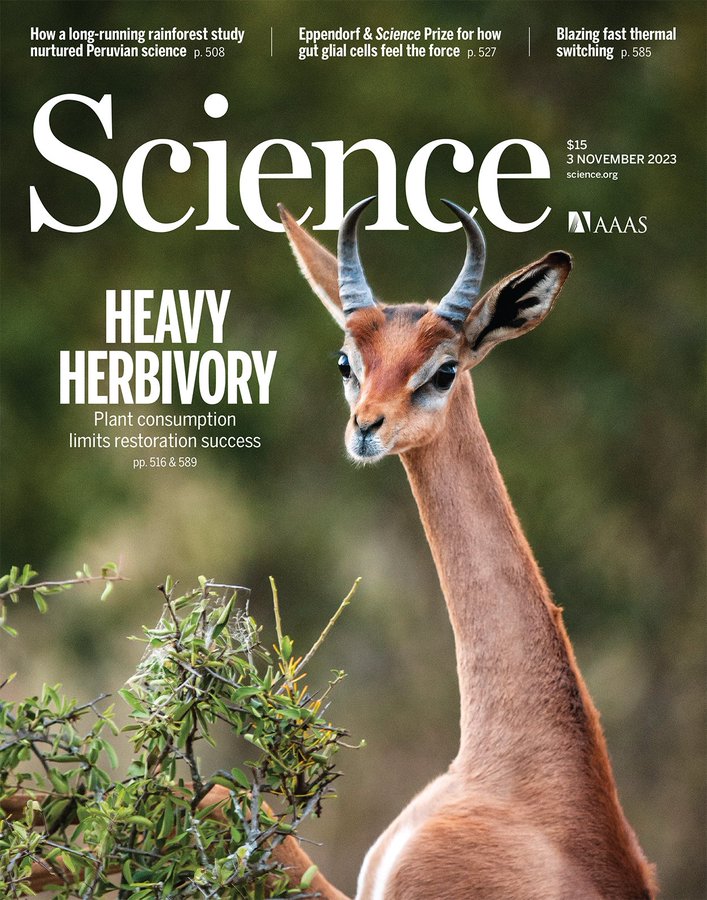
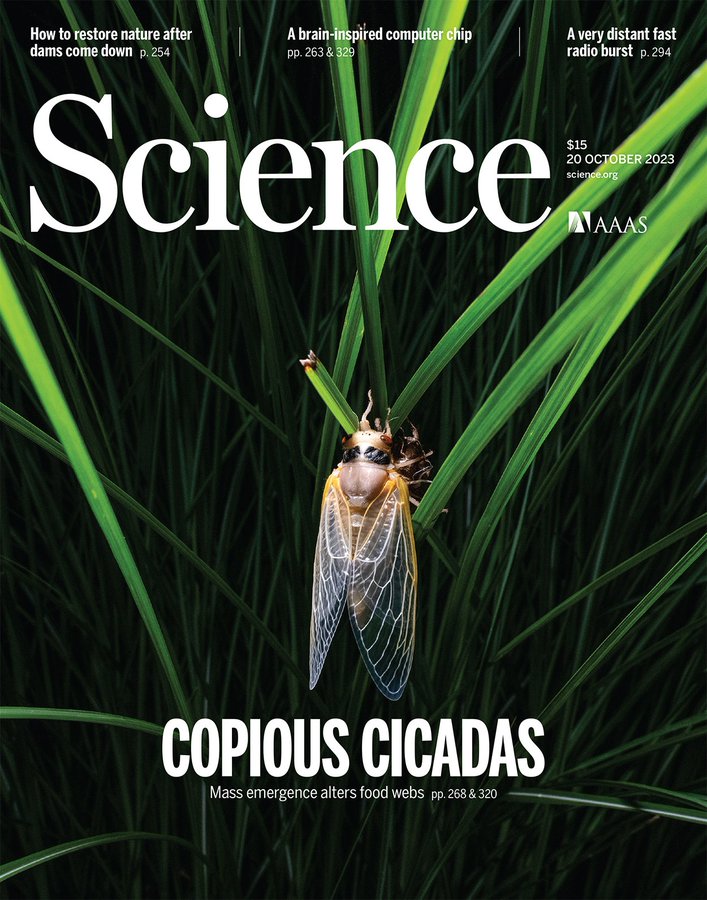
Science Magazine – November 3, 2023: The new issue features Heavy Herbivory – Plant consumption limits restoration success; How a long-running rainforest study nurtured Peruvian science; No easy way to explain cosmic expansion mystery; Ancient fish reveal the origin of the shoulder in vertebrates, and more…
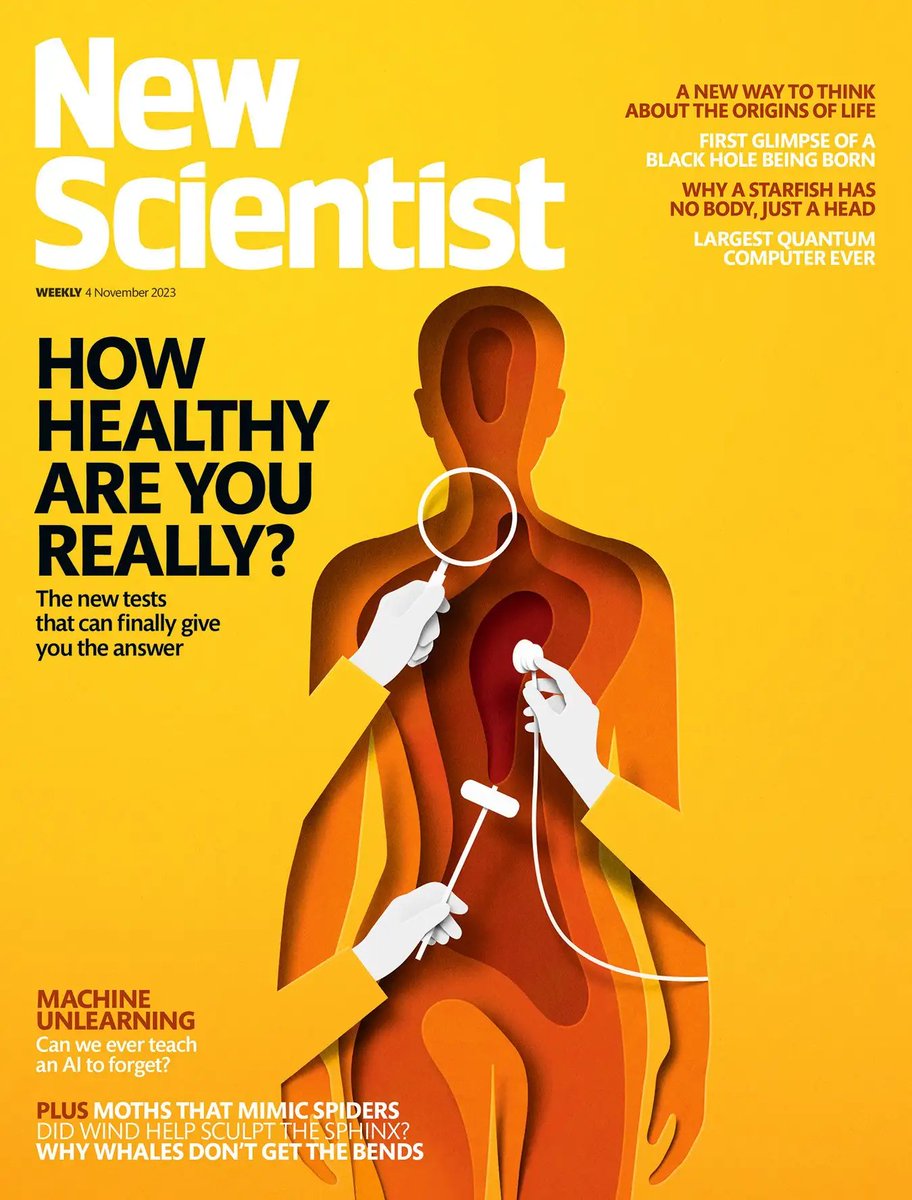
New Scientist Magazine (November 4, 2023): This issue features How healthy are you really? – New tests to give you the answer; The origins of Life; Machine Unlearning – Can we ever teach an AI to forget?; Moths that mimic spiders; Did wind help sculpt the Sphinx; and more…
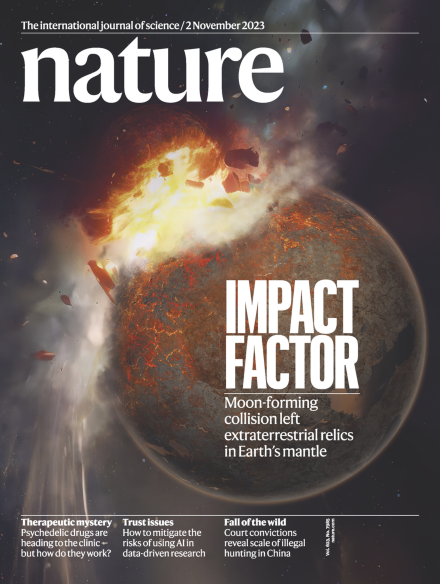
nature Magazine – November 2, 2023: The latest issue cover features an artist’s impression of the collision between the protoplanet Theia and proto-Earth about 4.5 billion years ago. It has been suggested that it was this ‘Giant Impact’ that formed the Moon, but direct evidence for the existence of Theia remains elusive.
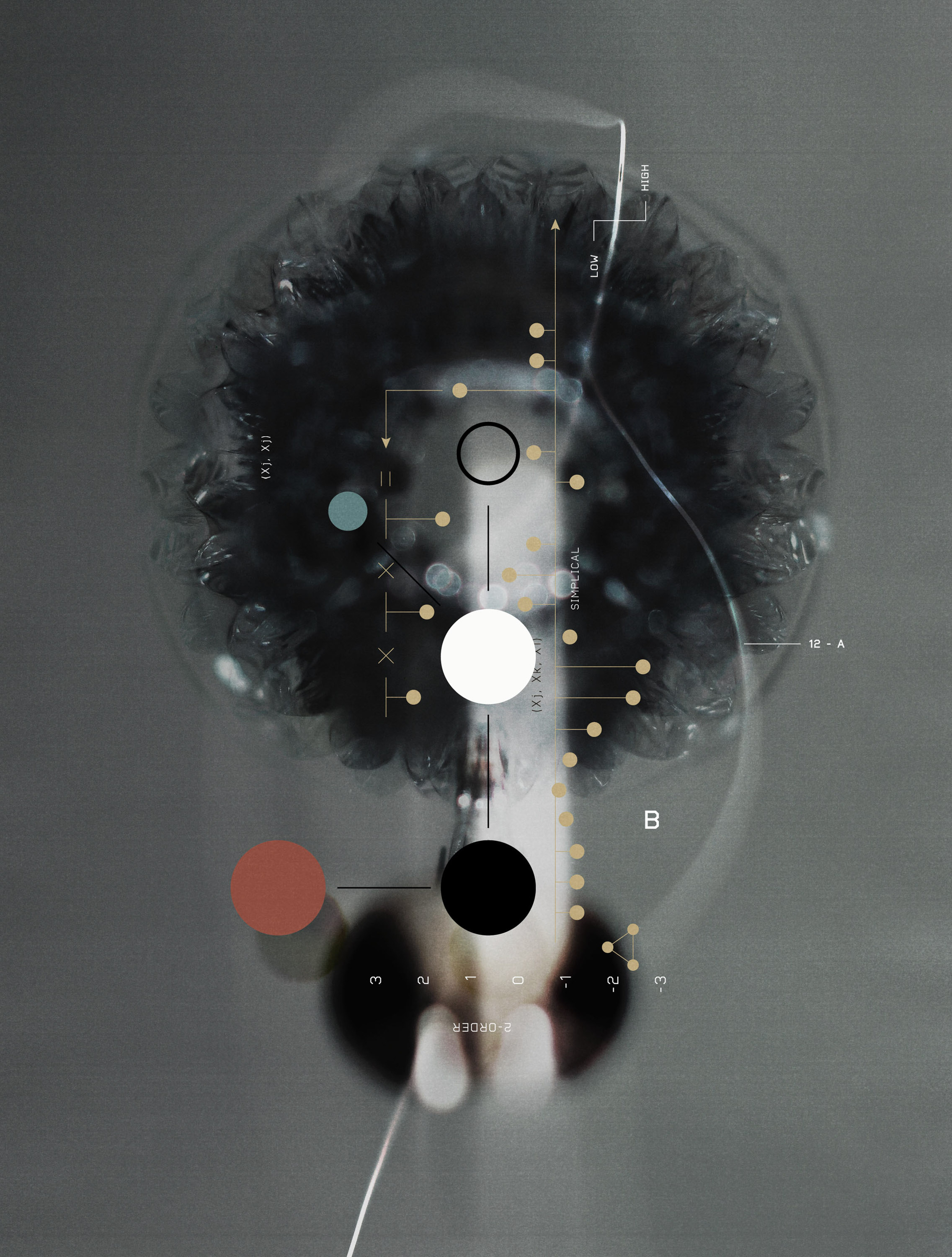
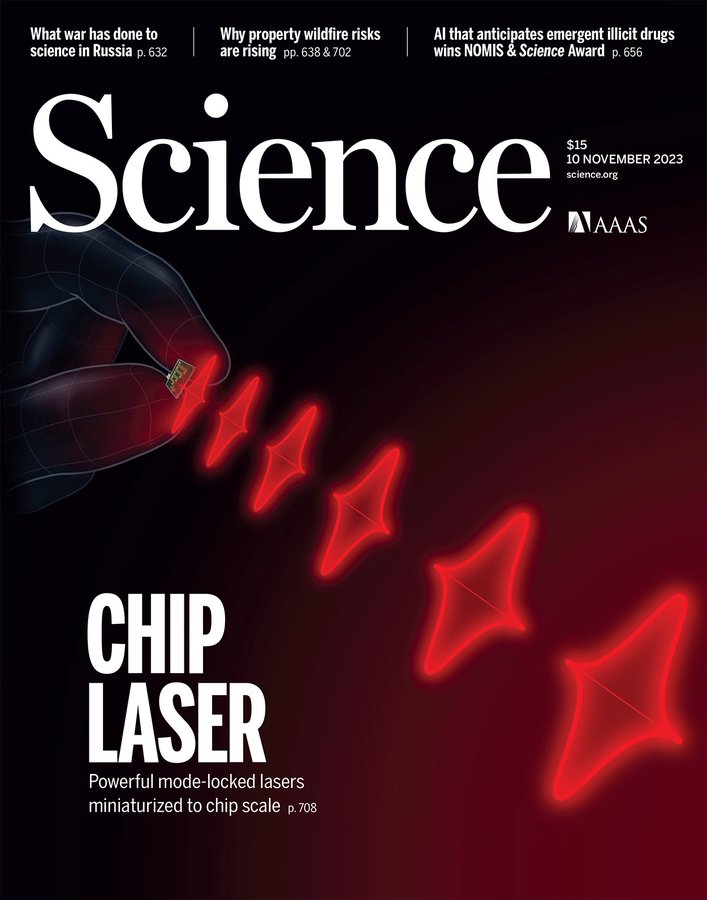
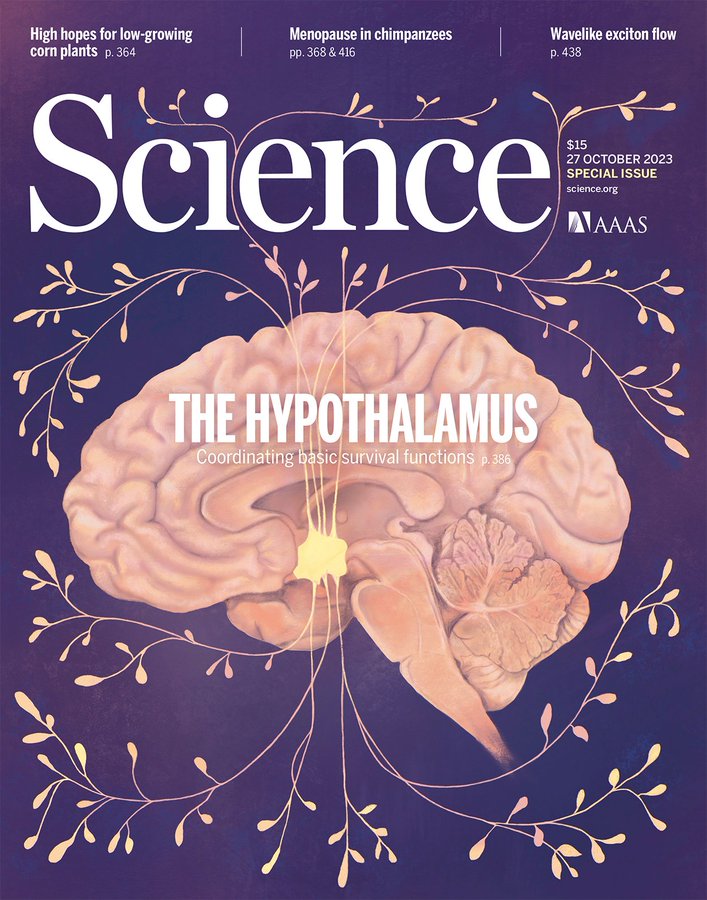
Science Magazine – October 27, 2023: The new issue features The Hypothalamus – Coordinating basic survival functions; High hopes for low-growing corn plants; A quantum process in a laser microchip….
If you pause for a second and think about the activities that occupy most of your day, presumably sleeping, eating, and engaging in social interactions are among the first that come to your mind. Perhaps surprisingly, a small area buried deep inside the brain, called the hypothalamus, is responsible for coordinating neuronal signals related to these activities. By controlling the homeostasis of the neuroendocrine, limbic, and autonomic nervous systems, the hypothalamus is a key brain region for many physiological and pathological processes. Despite its small size, the hypothalamus has a complex cellular organization and circuitry that determine its structural and functional organization. It is composed of 11 nuclei grouped by their location and has vast, mostly bidirectional connections with many neuronal and endocrine systems.
Plants bred or engineered to be short can stand up better to windstorms. They could also boost yields and benefit the environment
To an interstate traveler—or anyone lost in a corn maze—the most impressive feature of corn is its stature. Modern corn can grow twice as tall as a person, but height has drawbacks, making the plants vulnerable to wind and more difficult for farmers to tend. Plant scientists think corn can be improved by making it shorter, and leading seed companies are doing that through both conventional breeding and genetic engineering. Bayer has launched a short variety in Mexico, another company is selling its versions in the United States, and more are getting involved.
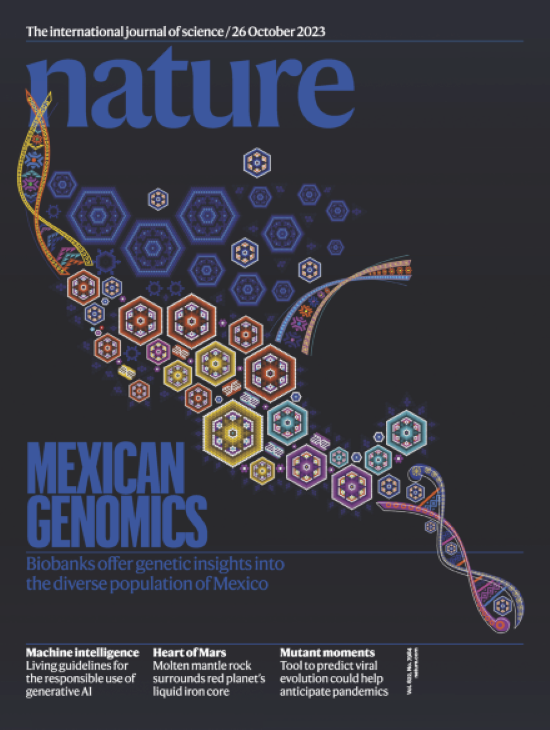
nature Magazine – October 26, 2023:The latest issue cover features a map of Mexico based on data that reflect the nation’s genetic diversity, the initial results of the Mexican Biobank project.
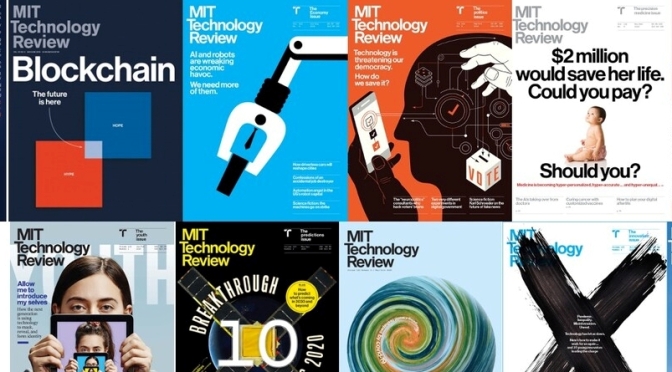
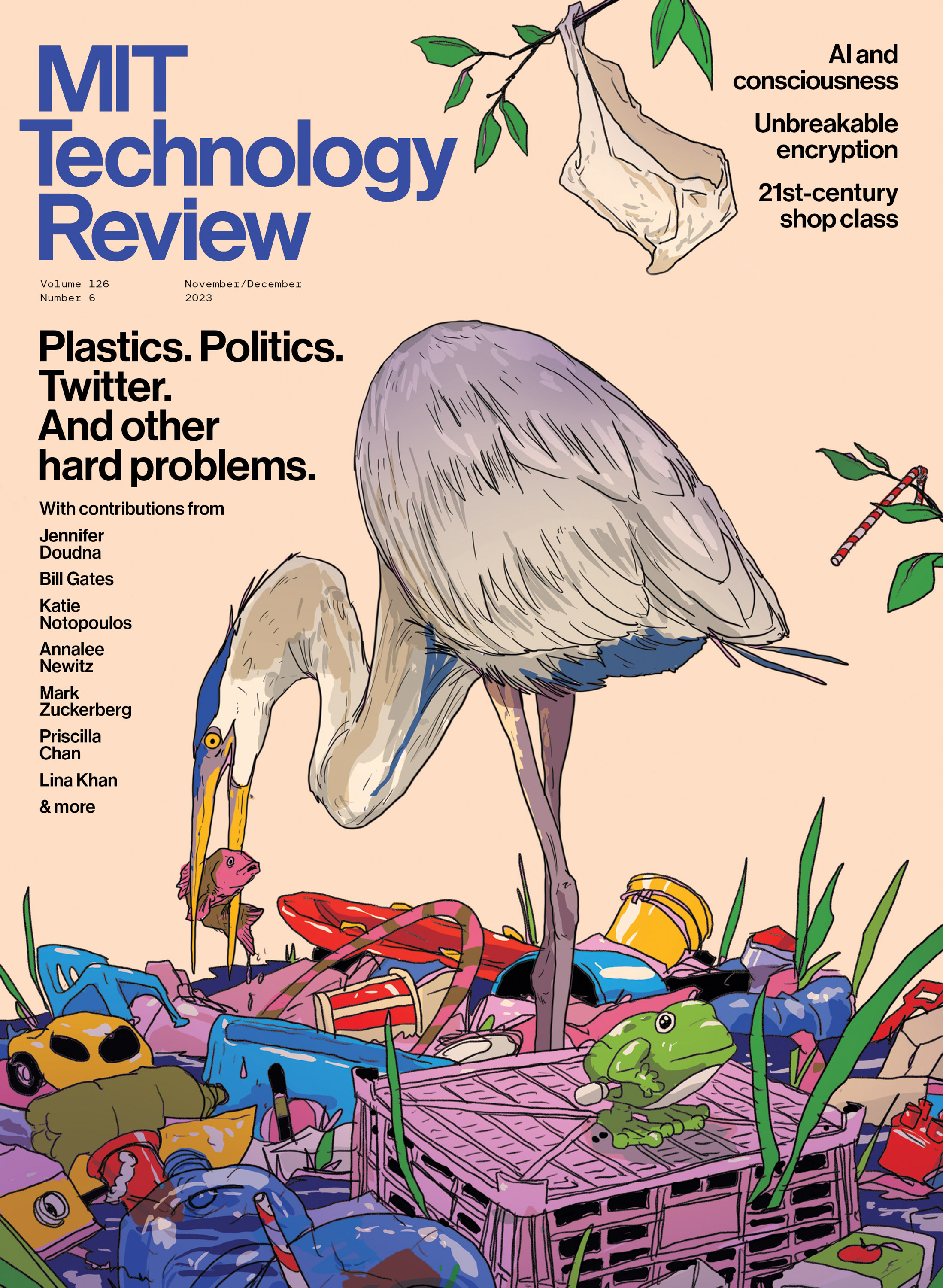
MIT Technology Review – November/December 2023: The Hard Problems issue features the Intractable problem of plastics; Fixing the internet; Exploring what it would it take for AI to become conscious. Also, there are so many urgent issues facing the world—where do we begin? Bill Gates, Mark Zuckerberg, Jennifer Doudna, and others offer their ideas.
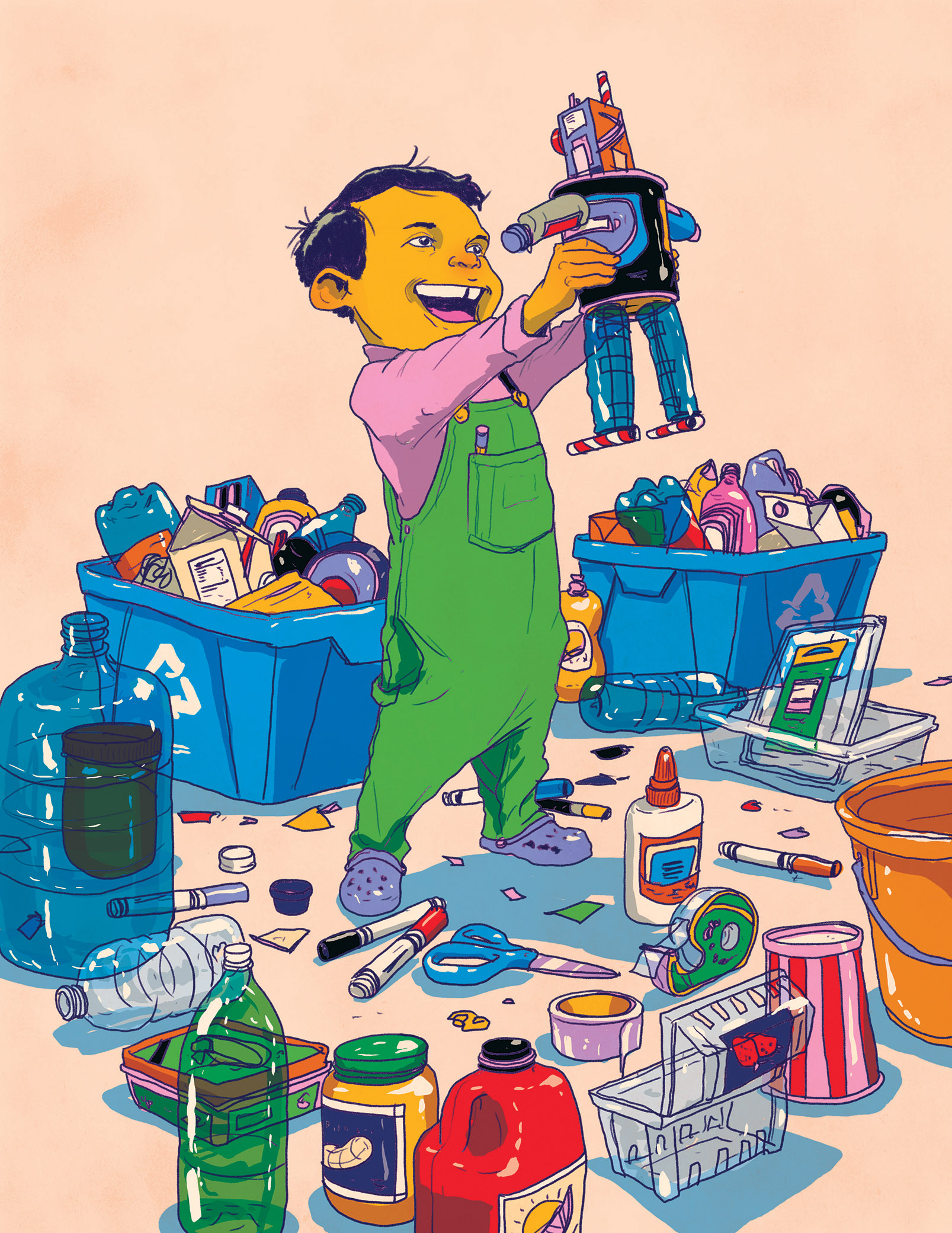
Plastic is cheap to make and shockingly profitable. It’s everywhere. And we’re all paying the price.
Plastic, and the profusion of waste it creates, can hide in plain sight, a ubiquitous part of our lives we rarely question. But a closer examination of the situation can be shocking.
Indeed, the scale of the problem is hard to internalize. To date, humans have created around 11 billion metric tons of plastic. This amount surpasses the biomass of all animals, both terrestrial and marine, according to a 2020 study published in Nature.
Currently, about 430 million tons of plastic is produced yearly, according to the United Nations Environment Programme (UNEP)—significantly more than the weight of all human beings combined. One-third of this total takes the form of single-use plastics, which humans interact with for seconds or minutes before discarding.
Philosophers, cognitive scientists, and engineers are grappling with what it would take for AI to become conscious.
David Chalmers was not expecting the invitation he received in September of last year. As a leading authority on consciousness, Chalmers regularly circles the world delivering talks at universities and academic meetings to rapt audiences of philosophers—the sort of people who might spend hours debating whether the world outside their own heads is real and then go blithely about the rest of their day. This latest request, though, came from a surprising source: the organizers of the Conference on Neural Information Processing Systems (NeurIPS), a yearly gathering of the brightest minds in artificial intelligence.
In August, the Sun rose behind the Extremely Large Telescope, under construction in Chile.
Past the halfway point, Extremely Large Telescope prepares to receive first mirrors
A web of steel girders is rising from the flattened summit of Cerro Armazones, 3000 meters above sea level in Chile’s Atacama Desert. The dome it will support will be vast—with a footprint as big as a soccer field and almost as tall as the Statue of Liberty— and unexpectedly nimble: It will smoothly rotate on rails as a giant telescope inside tracks stars through the night.
DW Documentary (October 18, 2023) – Butterflies and moths. Graceful and beautiful, they flit about our spring and summer skies. Their delicate choreographies and dazzling colors are among the most amazing in the animal kingdom. But beauty is not their only quality!
Through the lenses of powerful microscopes, scientists discover unexpected secrets about these fragile creatures that can be adapted and applied to make our world better and more sustainable. This film is a journey into the nano-dimensions of butterflies, taking viewers from high-tech labs to dense forests and lavender fields around the world. We take a close look at the iconic morpho butterfly and find out how its iridescent blue wings reveal a way to produce structural color, a discovery which allows researchers to control light.
Physicist Chunlei Guo, whose work involves reproducing butterfly structures, has created a material capable of absorbing all the colors of the spectrum, a discovery that might revolutionize the field of renewable energies. He is also investigating how the amazing hydrophobic properties of butterfly wings could be used to create an unsinkable metal, which could be useful for constructing floating cities if ocean levels continue to rise.
The blue morpho, the industrious silk moth, the transparent glasswing butterfly, the resistant Heliconius, the enigmatic monarch and the delicate white cabbage butterfly – all have inspired discoveries. These have taken place in many different scientific fields, including energy efficiency and medicine — and even in the detection of toxins, thereby helping save lives in the event of chemical or gas attacks. We take a look at the work of researchers, biologists and geneticists.
We also talk to experts, such as physicist and biomimicry expert Serge Berthier, as well as to Jessica Ware, an entomologist at the American Museum of Natural History, about butterflies’ incredible behaviors and capacities. Tiny as they are, butterflies and moths can inspire groundbreaking scientific progress. And they also serve as a warning about what’s at stake if we fail to protect our extraordinary natural environment.
nature Magazine – October 19, 2023: The latest issue features how humans develop in the very early stages when a newly formed embryo is implanted in the wall of the uterus, largely because of the physical and ethical challenges that are presented by studying early human embryos.
The test 30 years ago of what remote sensing could tell us about our own planet shows the value of looking with unbiased eyes at what we think we already know.