Ukraine battles to restore power. Plus; China’s unrelenting zero-Covid policy, Kanye West’s presidential bid, a flick through today’s papers and a special interview with General Philip Breedlove, NATO’s former Supreme Allied Commander Europe, and General Sir Richard Shirreff, NATO’s former Deputy Supreme Allied Commander Europe.
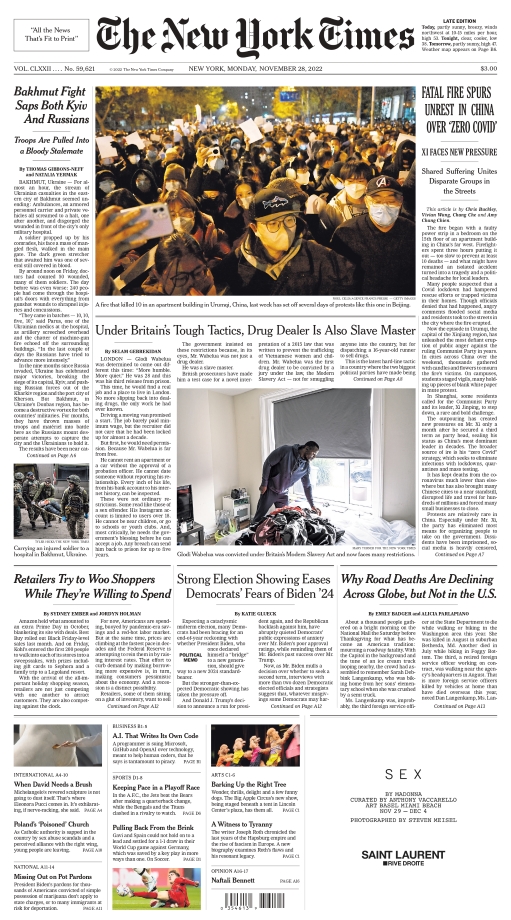
Protests became rare once the government cut off most routes to collective action. But ubiquitous Covid rules, bringing shared suffering, have created a focus for anger.
Even as they have celebrated successes elsewhere, Ukrainian forces in one small eastern city have endured relentless Russian attacks. And the struggle to hold it is only intensifying.
Our weekend programme comes live from Monocle’s radio studio in Zürich, where Tyler Brûlé and a panel of special-guest thought leaders discuss key topics in front of a studio audience.
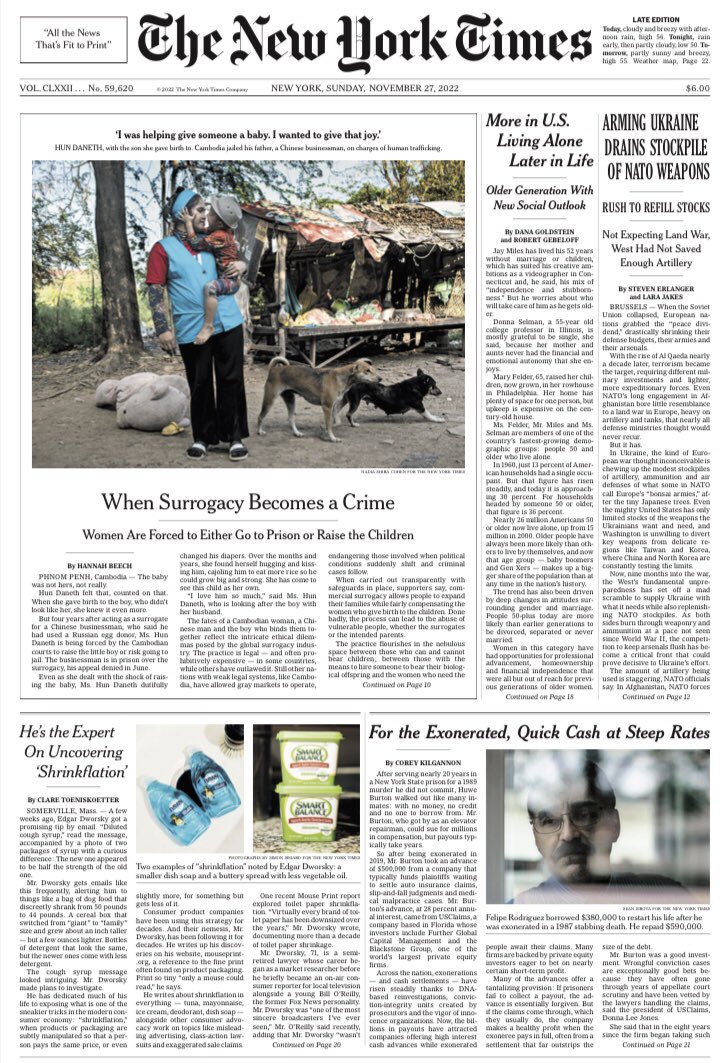
In Cambodia’s weak legal system, surrogacy exists in a gray market, endangering all involved when political conditions suddenly shift and criminal charges follow.
Many former prisoners are broke until state settlements arrive. Tiding them over has become a niche market for finance firms. An investment can reap 33 percent interest.
PBS NewsHour – New York Times columnist David Brooks and Washington Post associate editor Jonathan Capehart join William Brangham to discuss the week in politics, including recent mass shootings in America and what can be done during the lame-duck session of Congress.
Black Friday deals returned, drawing shoppers back into stores, but inflation worries left many companies unsure what the holiday shopping season would look like.
0:15 This island nation has moved to the metaverse – Rising seas are due to swamp Tuvalu by the end of the century. So the Pacific archipelago of 12,000 people has taken a remarkable step, declaring itself the world’s ‘first digital nation’.
1:39 Crosswords battle memory loss – Researchers studied 107 elderly people with mild cognitive impairment. 4 times a week, they spent half an hour either doing a crossword or completing tasks on a popular brain-training computer platform. Then they were reassessed after 12 and 66 weeks. Crossword players scored better on cognitive decline and daily functioning tests.
2:50 UK is rolling out ‘buzz’ stops for bees – The UK is planting bee-friendly native flowers on the roofs of roadside bus shelters, creating a parallel transport network for bugs. Management company Clear Channel aims to convert 1,000 shelters overall with native plants such as pansies and thyme.
4:05 Entrepreneur running 200 marathons for water – Guli is an Australian entrepreneur and environmental activist. She plans to complete Run Blue in time for the UN Conference on Water in March 2023 and to inspire as many people as possible along the way. Guli’s mission has taken her to the front lines of the global water crisis.
_____________________________________________
The World Economic Forum is the International Organization for Public-Private Cooperation. The Forum engages the foremost political, business, cultural and other leaders of society to shape global, regional and industry agendas. We believe that progress happens by bringing together people from all walks of life who have the drive and the influence to make positive change.
Slovakia hosts the Visegrád Group’s V4 summit, Somalia launches a TV channel aimed at countering al-Shabaab propaganda and Taiwan heads to the polls in local elections.
“Every hour is getting harder.” Russia’s assault on Ukraine’s essential services has caused blackouts in hospitals and cut off power and water in cities.
The Biden administration has imposed new sanctions on Tehran and expressed support for protesters, as the Iranian government aids Russia in the Ukraine war and continues nuclear enrichment.
Russia’s latest strikes in Kyiv cause more power cuts, as the European Parliament votes to declare Moscow a state sponsor of terrorism. Turkey threatens to launch a land operation against Kurdish militants in Syria and the European Space Agency wants to send more people to the moon.
Missile attacks on Ukraine’s battered power grid are an “obvious crime against humanity,” Ukrainian President Volodymyr Zelenskyy has told the UN Security Council. Ukrainian President Volodymyr Zelenskyy appealed to the United Nations Security Council on Wednesday to take action to stop Russian airstrikes targeting vital infrastructure that have once again plunged Ukrainian cities into darkness and cold as winter sets in.
“Today is just one day, but we have received 70 missiles. That’s the Russian formula of terror,” Zelenskyy said via video link to the Council chamber in New York. He said hospitals, schools, transport infrastructure and residential areas had all been hit. “When we have the temperature below zero, and millions of people without energy supplies, without heating, without water, this is an obvious crime against humanity,” he told the meeting in New York. In his speech,
Zelenskyy called for the adoption of a UN resolution condemning energy terror. Ukraine is waiting to see “a very firm reaction” to Wednesday’s airstrikes from the world, he added. The Council is unlikely to take any action in response to the appeal since Russia is a member with veto power. However, Zelenskyy called for Russia to be denied a vote on any decision concerning its actions.
“We cannot be hostage to one international terrorist,” he said. “Russia is doing everything to make an energy generator a more powerful tool than the UN Charter.” Russia’s UN ambassador Vasily Nebenzya responded by complaining that it was against Council rules for Zelenskyy to appear via video and rejected what he called “reckless threats and ultimatums” by Ukraine and its supporters in the West.
News, Views and Reviews For The Intellectually Curious







 PBS NewsHour – New York Times columnist David Brooks and Washington Post associate editor Jonathan Capehart join William Brangham to discuss the week in politics, including recent mass shootings in America and what can be done during the lame-duck session of Congress.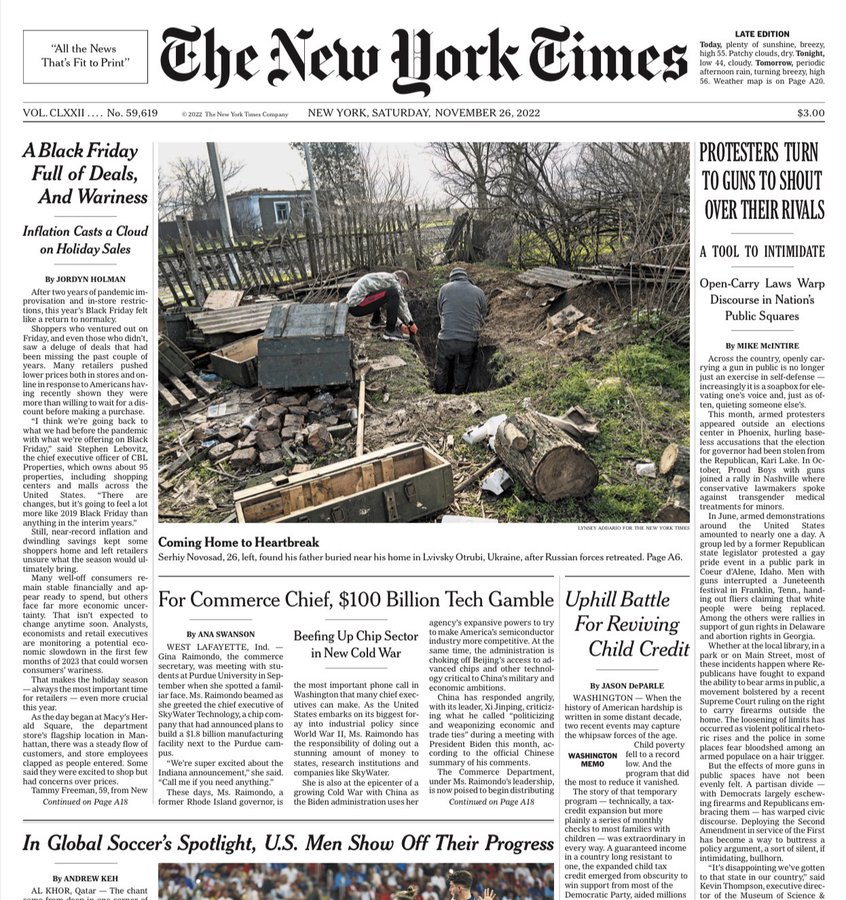


 Boomers Daily