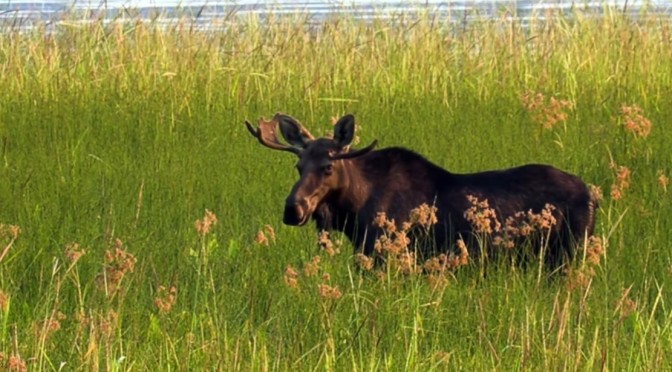
CBS Sunday Morning – We leave you this Sunday morning with moose grazing on the shores of Killarney Lake, near Coeur d’Alene, Idaho. Videographer: Hank Heusinkveld.
Category Archives: Nature
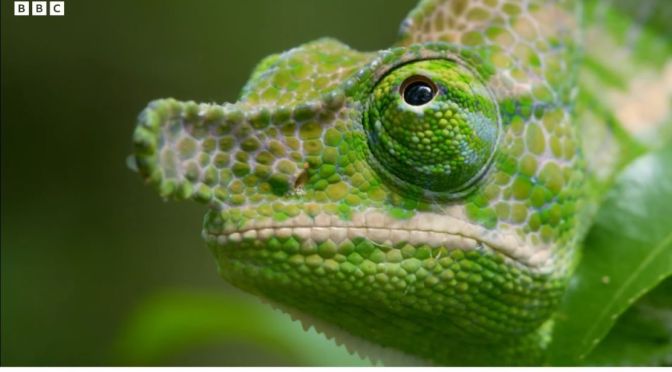
Madagascar Views: The Labord’s Chameleon (BBC)
Discover how a Labord’s chameleon learns how to hunt for a meal and find a potential mate, all in a short lifespan of just four months.
Labord’s chameleon is a semelparous species of chameleon, a lizard in the family Chamaeleonidae. The species is endemic to Madagascar.
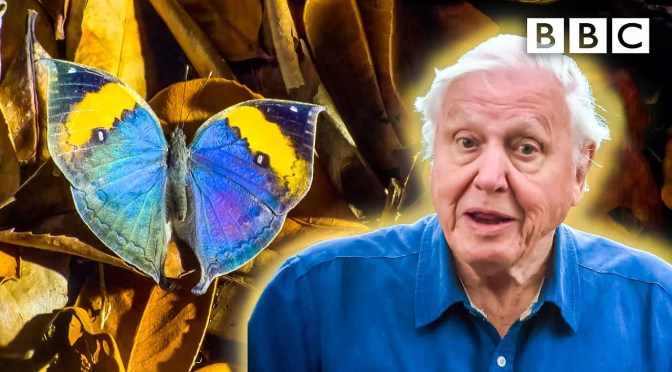
The BBC At 100: Nature And Sir David Attenborough
David Attenborough recounts some of his timeless moments exploring the natural world with BBC Studios’ dedicated Natural History Unit. From his first major series Zoo Quest in 1954 to the amazing advances in technology that have made shows like The Green Planet possible.

See BBC 100 Year Timeline
Following the closure of numerous amateur stations, the BBC starts its first daily radio service in London. After much argument, news is supplied by an agency, and music drama and “talks” fill the airwaves for only a few hours a day. It isn’t long before radio is heard across the nation. This black and white footage from 1922 is silent.
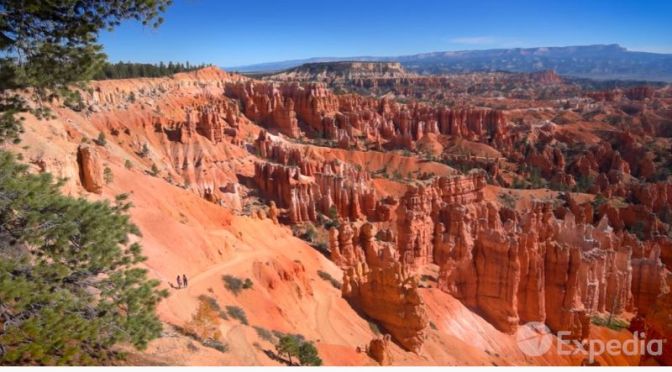
Nature: Bryce Canyon National Park In Utah

Bryce Canyon National Park, a sprawling reserve in southern Utah, is known for crimson-colored hoodoos, which are spire-shaped rock formations. The park’s main road leads past the expansive Bryce Amphitheater, a hoodoo-filled depression lying below the Rim Trail hiking path. It has overlooks at Sunrise Point, Sunset Point, Inspiration Point and Bryce Point. Prime viewing times are around sunup and sundown.
Climate: The Future Of Our Frozen Planet – Sir David Attenborough (BBC)
“We can do it. We must do it.”
Sir David Attenborough. This is life on thin ice.
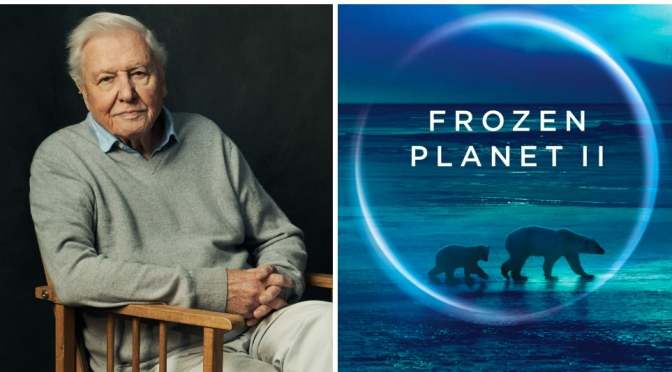
Frozen Planet II (2022): This six-part series – narrated by Sir David Attenborough – explores the wildlife found in the world’s coldest regions: the Arctic and Antarctic, high mountains, frozen deserts, snowbound forests, and ice-cold oceans. From polar bears to penguins, and from snow monkeys to Siberian tigers, each species must overcome a unique set of challenges to endure its extreme environment.
Views: San Juan National Forest In Colorado (CBS)
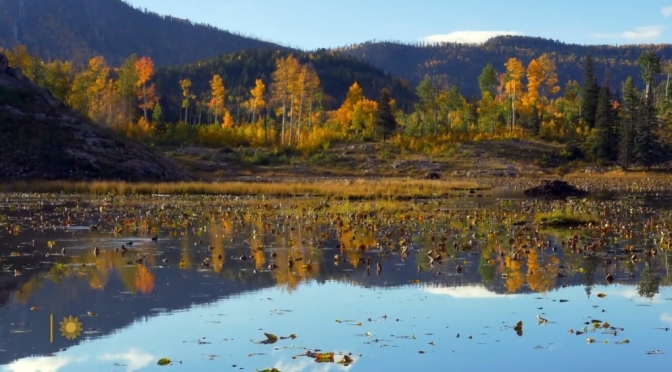
“Sunday Morning” takes us to San Juan National Forest in Colorado. Videographer: Scot Miller.
The San Juan National Forest covers the southern half of the massive and complex San Juan Mountains. There are numerous peaks, rivers, lakes, and remote stretches in the forest, including the Weminuche Wilderness, the largest in the state. Parts of the forest are accessible from Cortez, Durango, Pagosa Springs, Silverton, Telluride, and Ouray.
Yellowstone Park Views: Bull Elks Fall ‘Bugling’
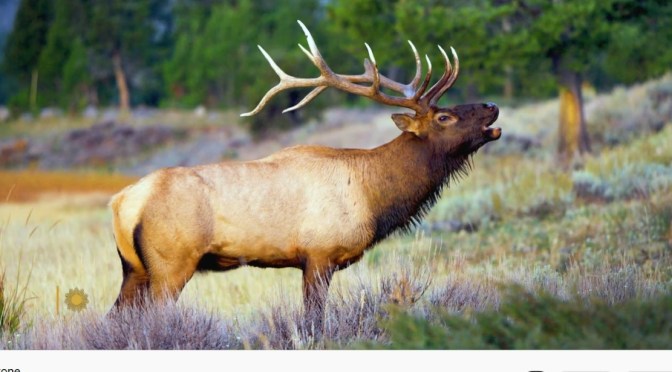
“Sunday Morning” leaves us this morning with elk bugling at Yellowstone National Park. Videographer: Doug Jensen.
Yellowstone’s autumn is defined in many ways-frost on morning grass, color creeping into shimmering aspen leaves, ice rimming mountain ponds. There are sights and smells to a Yellowstone autumn, elements that, if you’ve visited here many times, become as familiar as old friends. But nothing etches the lens through which we see fall as much as the rut of the elk, Cervus alaphus. The reason for this is almost entirely auditory.
The Sound of a Bull Elk in Autumn
If you’ve never heard the bugle of the bull elk during the fall rutting period, you are in for an experience that is at once thrilling and haunting. The sound of a bull elk bugling is something that draws many visitors to Yellowstone each autumn, for it is an experience as memorable as anything you are likely to have in the park. In most cases, the bugle starts low and throaty, rising to a high whistle, then dropping to a grunt or a series of grunts. It’s a sound that is difficult for the human alphabet to imitate, a guttural bellow, a shrill pitch, and a hollow grunting. A-a-a-a-a-a-a-a-eeeeeeeeeeeeee-oh. Ee-uh. Ee-uh. Ee-uh. It’s an odd combination that, like the buzz of your first rattlesnake, you’ll never forget.
Nature: Darling Wildlife Refuge On Sanibel Island
“Sunday Morning” takes us to Florida’s Sanibel Island, in calmer times, at the J.N. “Ding” Darling Wildlife Refuge. Videographer: Charles Schultz.
J.N. “Ding” Darling National Wildlife Refuge, on the subtropical barrier island of Sanibel, is part of the largest undeveloped mangrove ecosystem in the United States. President Harry S. Truman signed an executive order creating the Sanibel National Wildlife Refuge in 1945 for the purpose of and in 1967 was renamed in honor of Jay Norwood Darling. It is world famous for spectacular migratory bird populations.
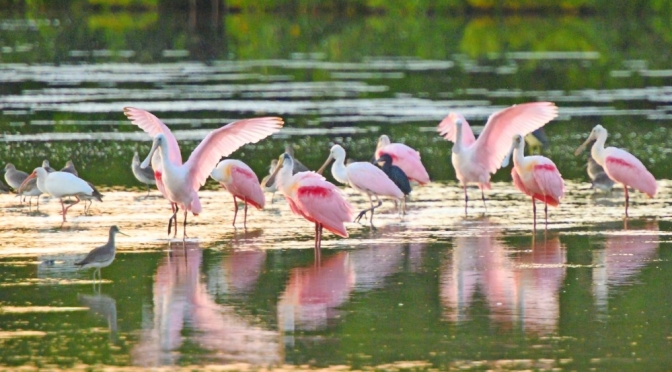
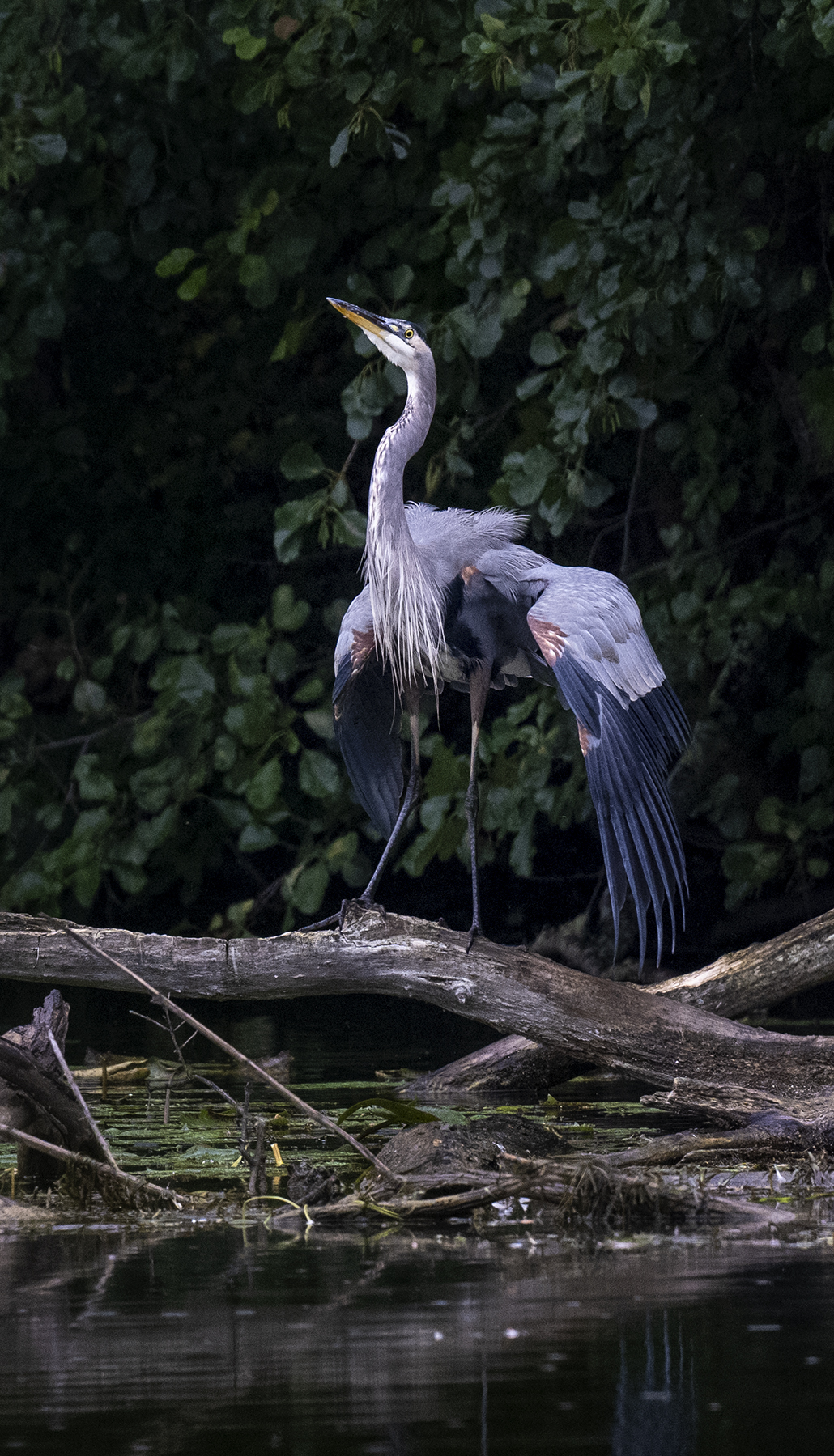
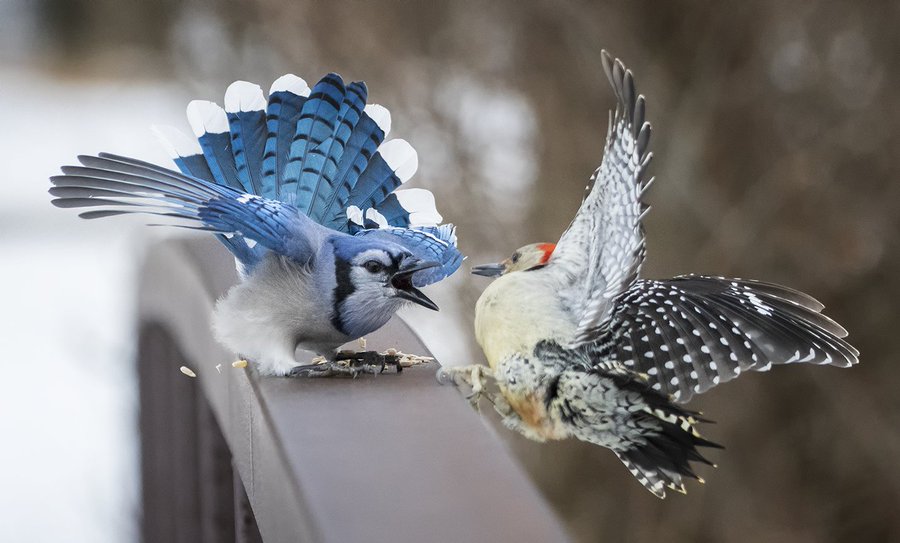
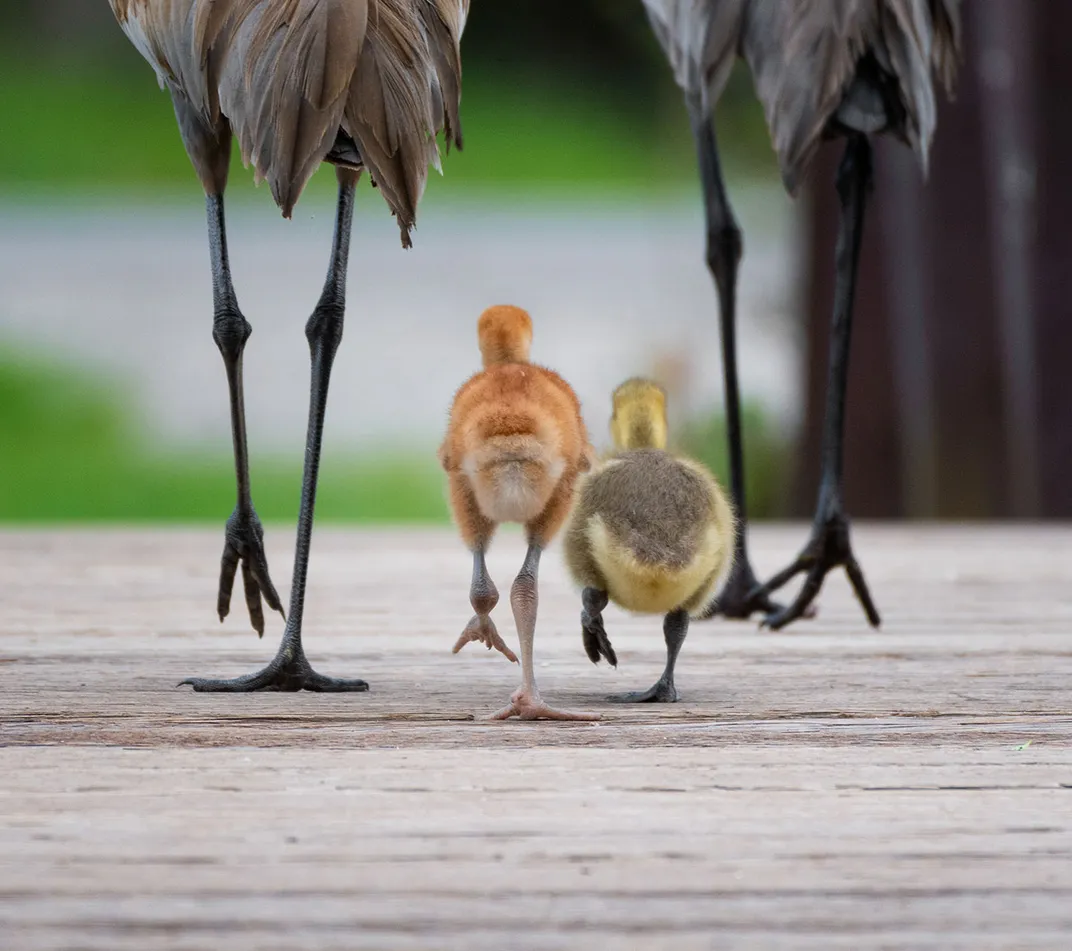
Wildlife Photography: Jocelyn Anderson & “The Beautiful World Of Birds”
Wildlife: A Chameleon Birthing On Mount Kenya
In these frozen peaks, a chameleon gives birth to live young as it is too cold to lay eggs out in the open.
In East Africa, during the day, on the high slopes of Mount Kenya the tropical sun keeps the cold at bay – but at night the frost descends. During this cycle of freeze and thaw, a pregnant high casqued chameleon must choose the right time to give birth, if her new-borns are to escape the deadly night freeze.