
| INSIDE THE ISSUE |
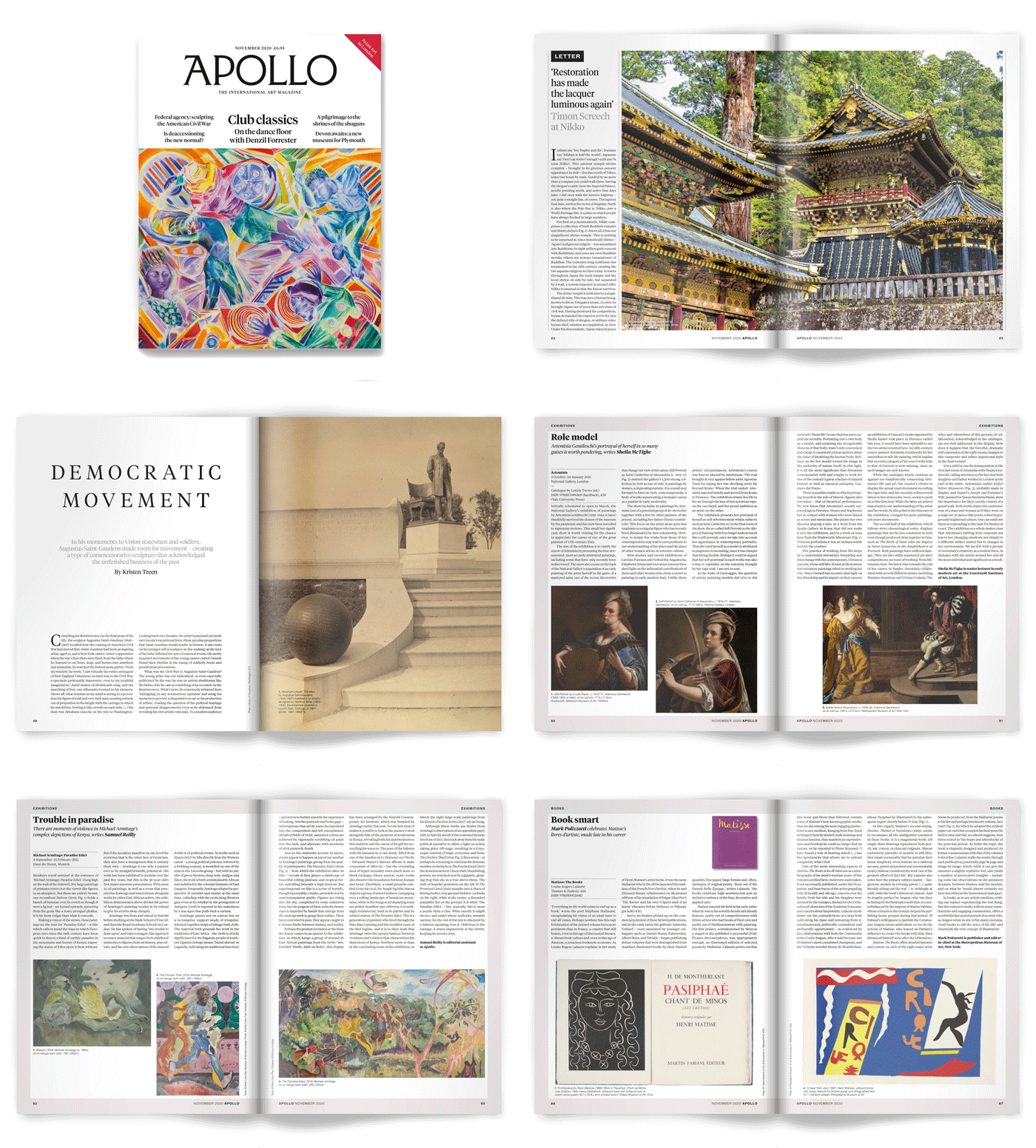
| FEATURES | Denzil Forrester interviewed by Gabriel Coxhead; Kristen Treen on Augustus Saint-Gaudens’ monuments to the American Civil War; Emilie Bickerton visits the Musée Cernuschi in Paris; Glenn Adamson defends progressive deaccessioning; Thomas Marks visits the Box in Plymouth; mathematician John Coates shows Susan Moore his collection of early Japanese ceramics |
| REVIEWS | Sheila McTighe on Artemisia Gentileschi at the National Gallery; Samuel Reilly on Michael Armitage at the Haus der Kunst; Mark Polizzotti on Matisse’s artists’ books; Emily Knight on Joseph Wright of Derby; Sameer Rahim on Islamic influences in European architecture; Anthony Cutler on the Turin Shroud |
| MARKET | A preview of the second part of Asian Art in London; and the latest art market columns from Emma Crichton-Miller, Susan Moore and Samuel Reilly |
| PLUS | Timon Screech visits the shrines of the shoguns; Gillian Darley on the enduring appeal of crescents in architecture; Damian Thompson watches Yotam Ottolenghi make a feast inspired by the court of Versailles; Thomas Marks on the vital role of education in museums; Robert O’Byrne revisits the advertisements in Apollo 40 years ago |


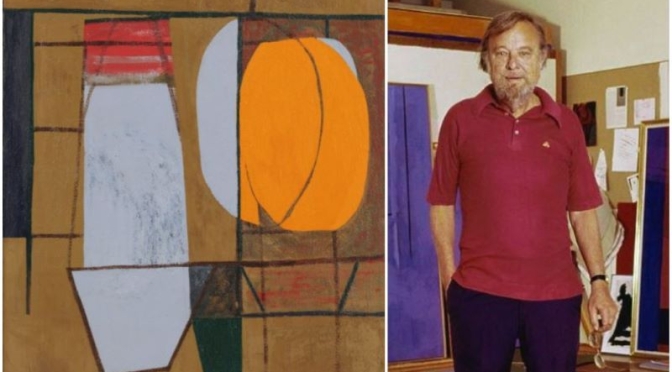
‘Motherwell was one of the finest American painters of the 20th century, most definitely,’ says Dedalus Foundation CEO Jack Flam. ‘His paintings mix raw energy with a spiritual gracefulness that sets them apart.’
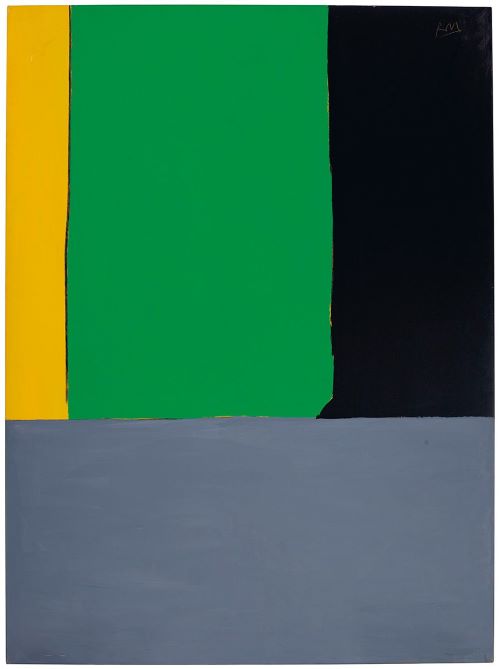
Few artists were as intrinsically connected to Abstract Expressionism as Robert Motherwell (1915-1991). Unlike Mark Rothko and Jackson Pollock, whose stars burned brightly but briefly, Motherwell remained prolific throughout his 50-year career. He was a searching artist whose output, though determinedly abstract, was also hugely varied.
Motherwell’s ‘Elegies to the Spanish Republic’ series is widely regarded as the high point of his career, with examples found in several major museum collections — they have consistently achieved the artist’s highest prices at auction too.
On Motherwell’s death in 1991, the eminent art critic Clement Greenberg wrote that ‘although underrated today… he was one of the very best of the Abstract Expressionist painters’.



















 Boomers Daily