“Master Slave Husband Wife,” by Ilyon Woo, relates the daring escape from bondage in Georgia to freedom in the North by an enslaved couple disguised as a wealthy planter and his property.
In “The Wandering Mind,” the historian Jamie Kreiner shows that the struggle to focus is not just a digital-age blight but afflicted even those who spent their lives in seclusion and prayer.
‘Island nations tend to be complacent about border problems, seeing them as things that happen to someone else. But then you have Brexit and Northern Ireland, and it suddenly becomes clear that no one is safe.
Russia is fighting Ukraine about borders. This means that, as well as dodging bombs and getting used to living in the dark, residents of the border zone have to decide if they are “really” Russian or “really” Ukrainian.
Some will no doubt be keeping the non-chosen identity in a trunk in the attic, to be retrieved in case of future need. But the logic of war is stern: those who choose to be Ukrainians are also opting to hate Russians as the enemy invader, while those in Ukraine who choose to be Russians are contemplating the possibility of having to move east.
Wherever the border ultimately settles, there will be fortifications and troops stationed on either side and a series of tightly controlled crossing points. Villages and families will be divided and the normal commerce of economic and social life disrupted. Schools will teach in the language of the victor. Roads that used to lead somewhere will end abruptly.’
The Curtain and the Wall: A Modern Journey along Europe’s Cold War Borderby Timothy Phillips
On the Edge: Life along the Russia-China Border by Franck Billé and Caroline Humphrey
For Matisse art was a perpetual emergency, a matter of testing boundaries, breaking through.
Matisse: The Red Studio – an exhibition at the Museum of Modern Art, New York City, May 1–September 10, 2022; and SMK–National Gallery of Denmark, Copenhagen, October 13, 2022–February 26, 2023
Matisse in the 1930s – an exhibition at the Philadelphia Museum of Art, October 20, 2022–January 29, 2023; the Musée de l’Orangerie, Paris, March 1–May 29, 2023; and the Musée Matisse Nice, June 23–September 24, 2023
Times Literary Supplement @TheTLS (January 20, 2023) features an extract from Lawfare by Geoffrey Robertson KC (published tomorrow by TLS Books); @NoreenMasud and Jade French on H. D.; Michael Hofmann on Shirley Hazzard; Gwendoline Riley on Michael Bracewell; Jenny Uglow on Anthony Gross – and more.
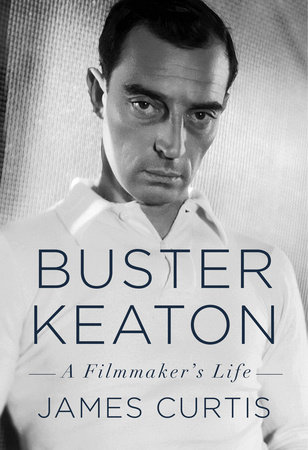
Buster Keaton: A Filmmaker’s Life by James Curtis.
From acclaimed cultural and film historian James Curtis—a major biography, the first in more than two decades, of the legendary comedian and filmmaker who elevated physical comedy to the highest of arts and whose ingenious films remain as startling, innovative, modern—and irresistible—today as they were when they beguiled audiences almost a century ago.
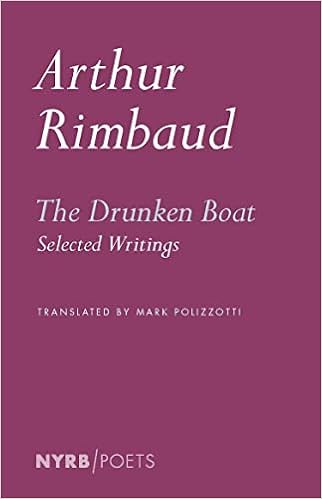
The Drunken Boat: Selected Writings by Arthur Rimbaud, translated by Mark Polizzotti
Poet, prodigy, precursor, punk: the short, precocious, uncompromisingly rebellious career of the poet Arthur Rimbaud is one of the legends of modern literature. By the time he was twenty, Rimbaud had written a series of poems that are not only masterpieces in themselves but that forever transformed the idea of what poetry is. Without him, surrealism is inconceivable, and his influence is palpable in artists as diverse as Henry Miller, John Ashbery, Bob Dylan, and Patti Smith.
Jefferson Cowie’s powerful and sobering new history, “Freedom’s Dominion,” traces the close association between the rhetoric of liberty in an Alabama county and the politics of white supremacy.
“American Caliph,” by Shahan Mufti, recounts the complex story of a largely forgotten episode from 1977, when an armed Muslim group held dozens of people hostage.

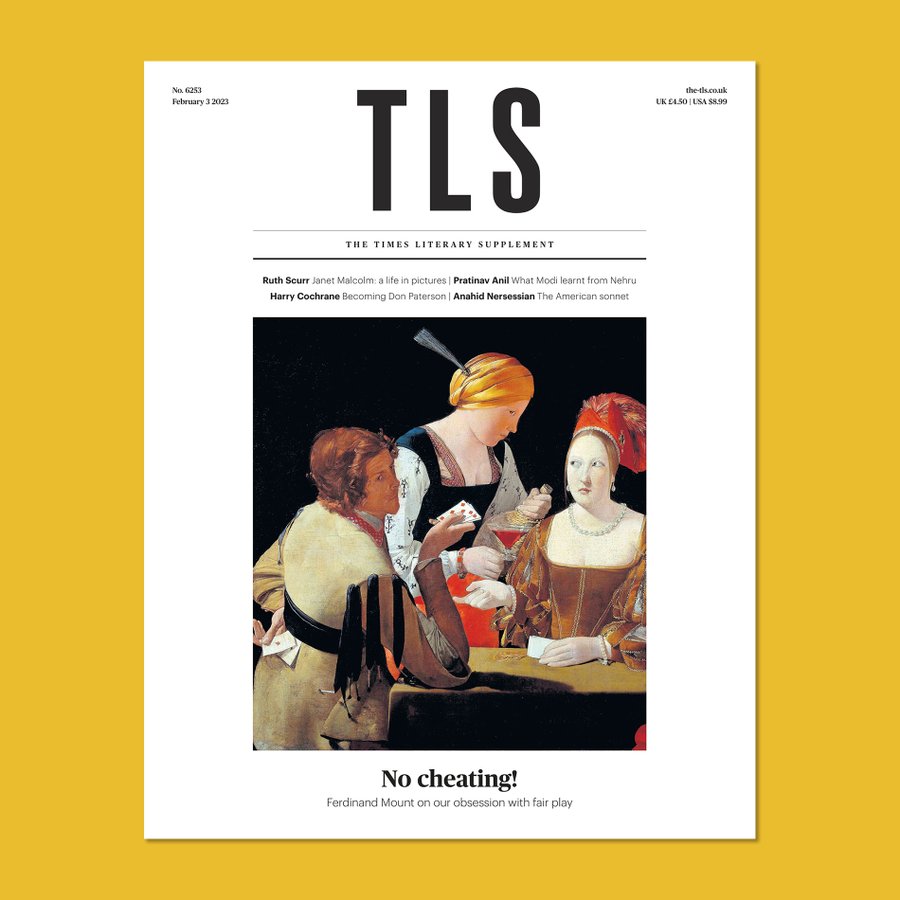
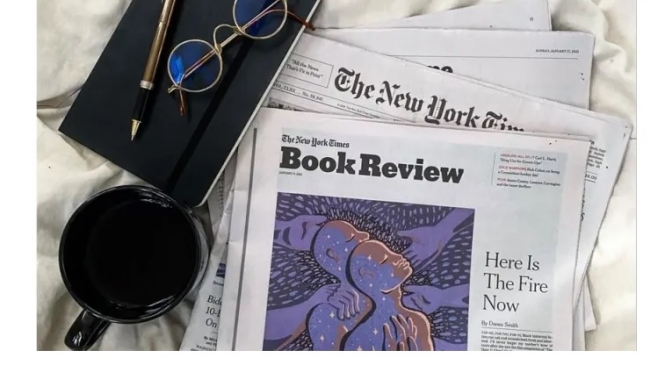


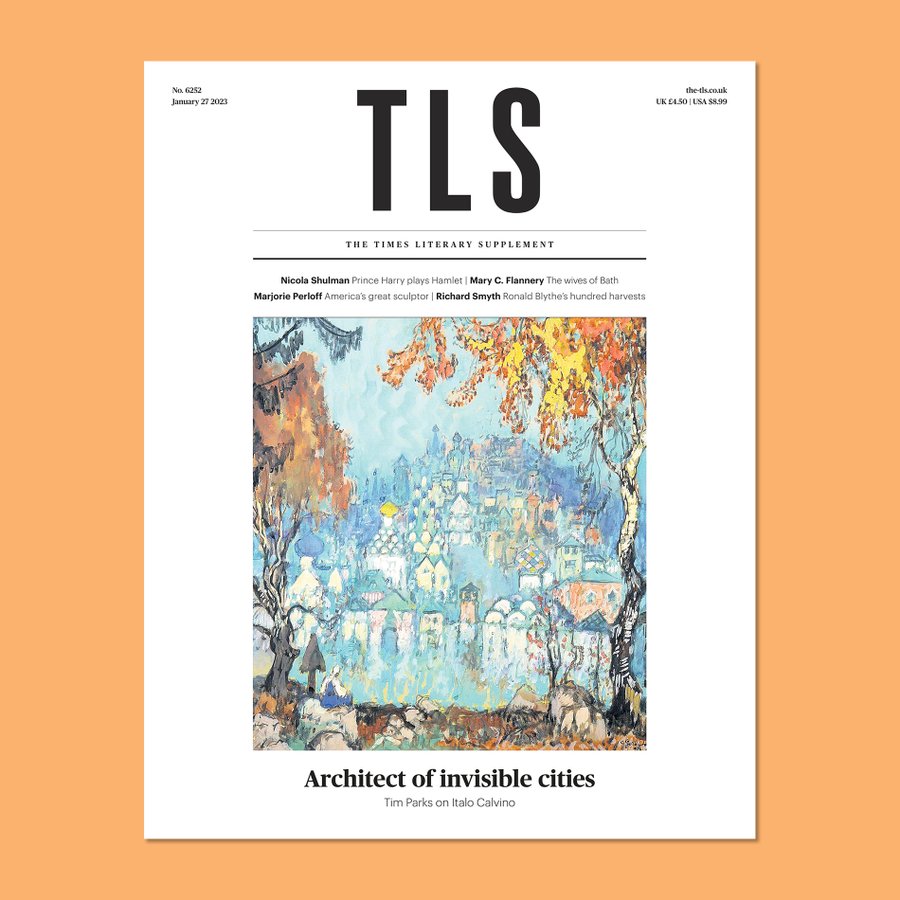

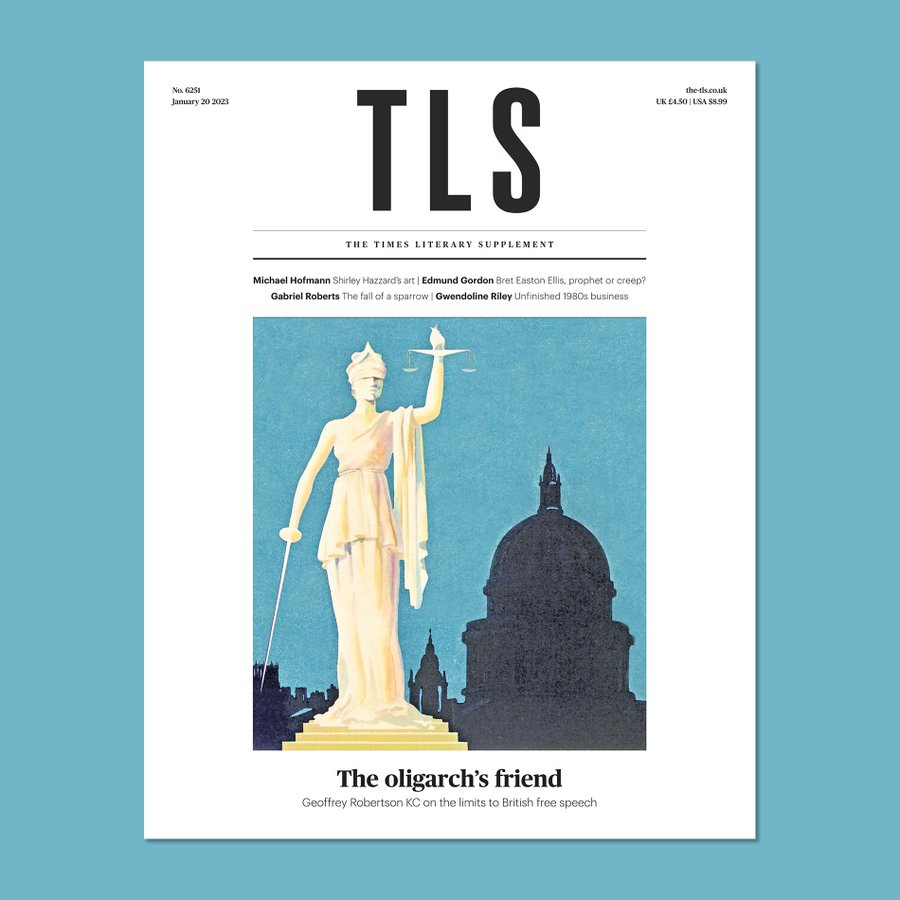
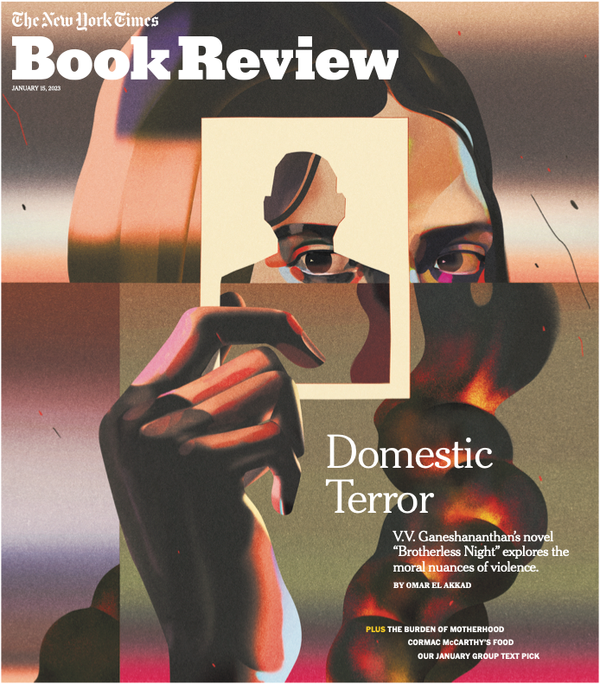 Illustration by Ibrahim Rayintakath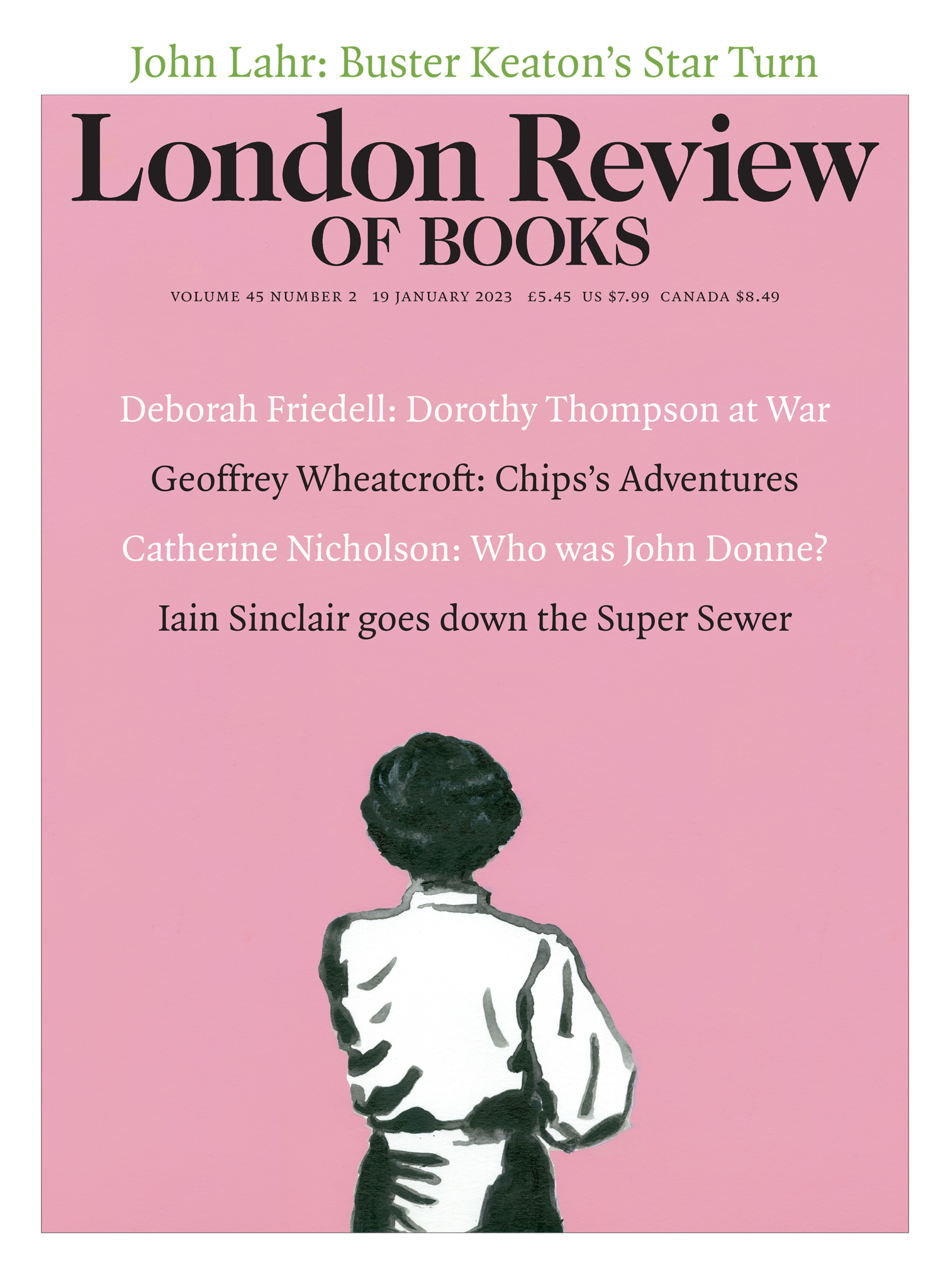

 Boomers Daily