
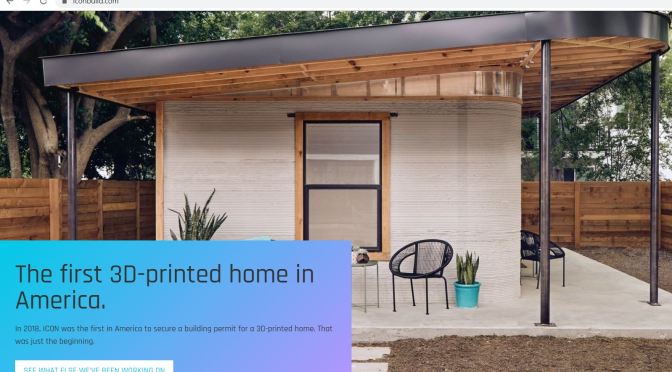
From an Austin.Curbed.com online article:
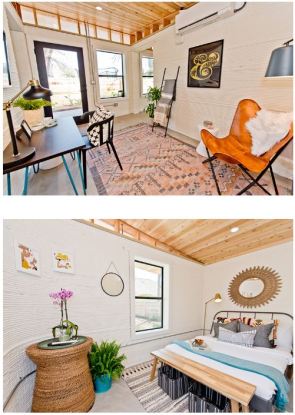 ICON, which uses robotics, software, and advanced materials (including its proprietary “Lavacrete”) to remove numerous barriers in the contemporary building industry, debuted its first 3D printer and the country’s first permitted, 3D-printed home in at SXSW 2018 in Austin.
Community First Village, run by Mobile Loaves and Fishes to provide permanent, personal housing and services for homeless people in Austin, had quite the breakthrough day Monday. Partnering with Austin-based Icon and and Cielo property group, it opened the second phase of its development with a 3D-printed prototype house that will serve as a welcome center for the community. The 500-square-foot building took a total of 27 hours to print.
To read more: https://austin.curbed.com/2019/9/10/20858924/austin-homeless-tiny-house-3d-printing
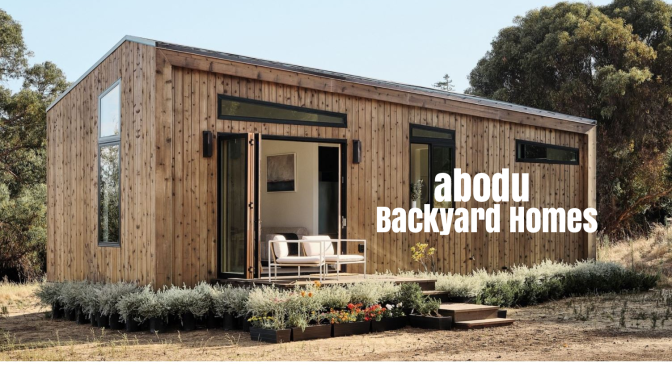
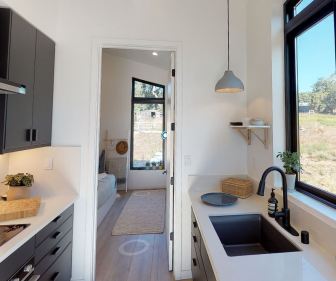 Having gained this pre-approval status, Abodu said one of its units can be installed in a backyard in as little as two weeks.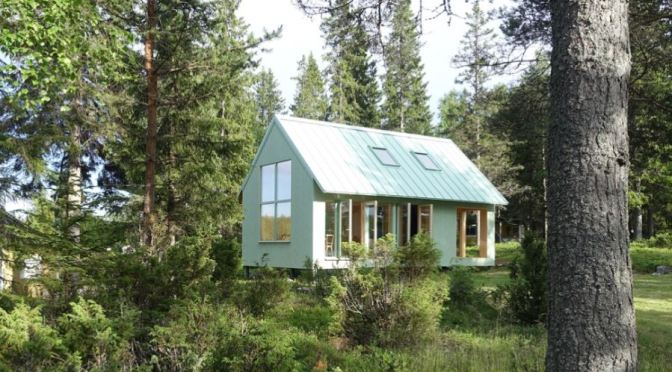
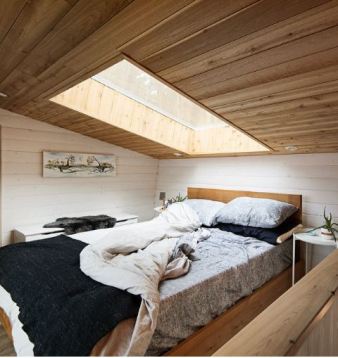
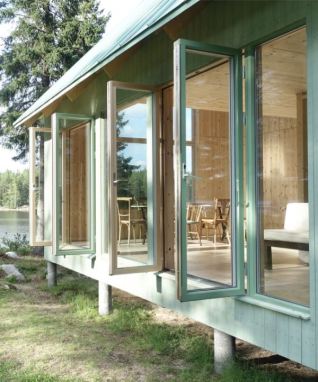 During the summers, the northern Swedish island of Kallaxön is bright for nearly 24 hours a day, which means the windows that wrap the house are put to good use. Inside, the house is clad entirely in pale timber.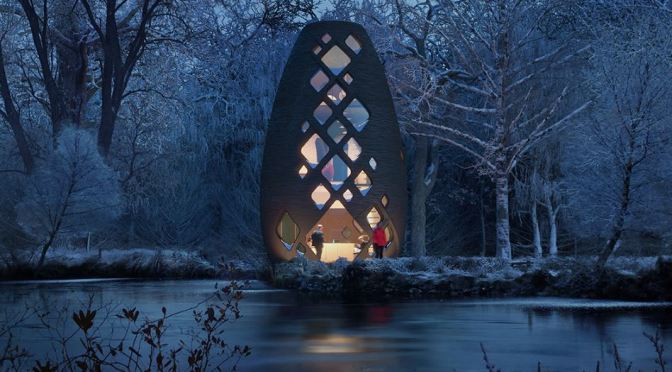
 AI spacefactory — the architects behind the
 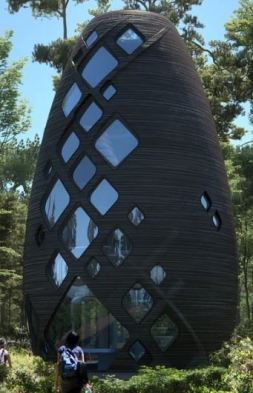 developed from the same designs and 3D printing technologies behind the
 Running the course of a weekend, from Saturday 21st to Sunday 22nd September,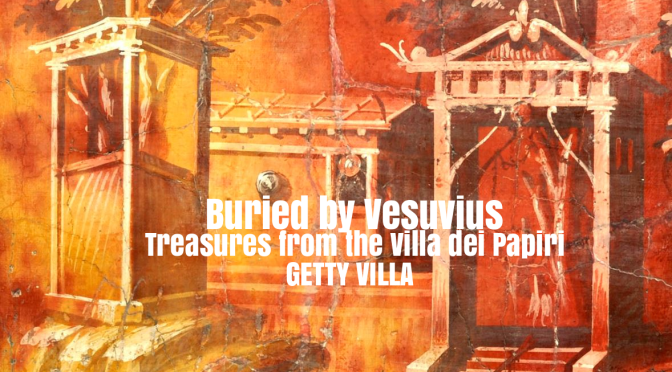
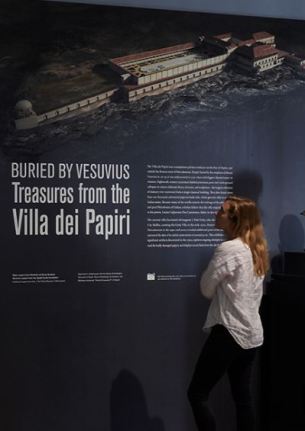 …the Getty Villa, despite some anomalies and insertions, is considered a strong likeness, which makes it a powerful locale for “Buried by Vesuvius: Treasures From the Villa dei Papiri,” the first major exhibition of works discovered in the Roman residence. The show includes Weber’s 1758 architectural map—used to build the Getty Villa—along with some of the approximately 90 sculptures pulled from the site, showing athletes, philosophers, rulers, poets and mythological figures. The exhibition also displays findings from the recent excavations.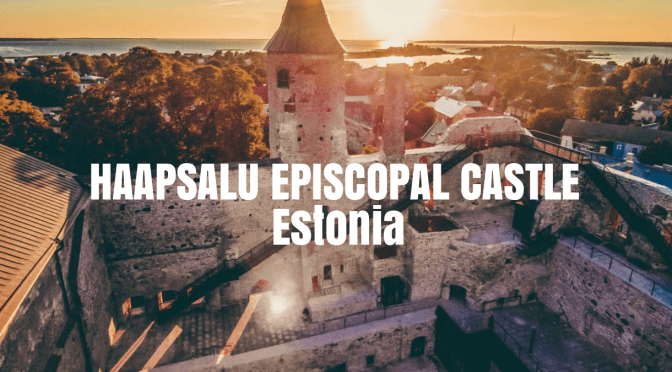
 the long and colourful history of haapsalu episcopal castle began when it was built in the 13th century, but since the 17th century the main castle has been in ruins.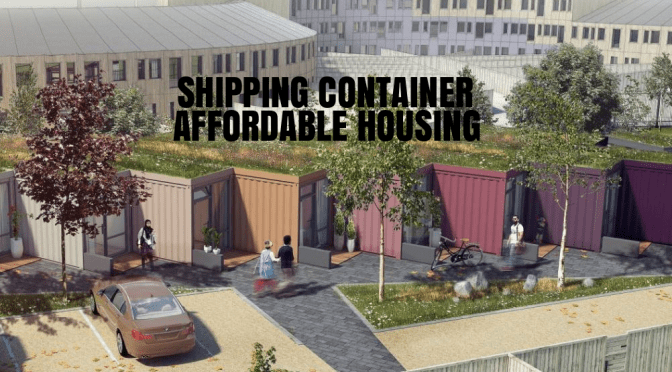
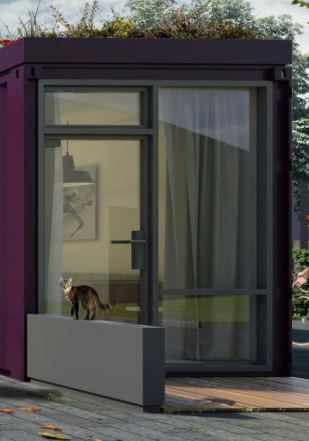 “The scheme provides much-needed single-person accommodations for social rent using converted shipping containers to create contemporary, environmentally-friendly homes in a desirable area near to local amenities and within walking distance of the town center,” explain the architects. The firm developed the design in consultation with local residents and stakeholders, and they previously completed a pop-up container cafe for Kingston University and volumetric student residential projects in Coventry.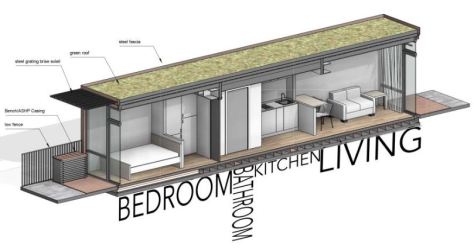
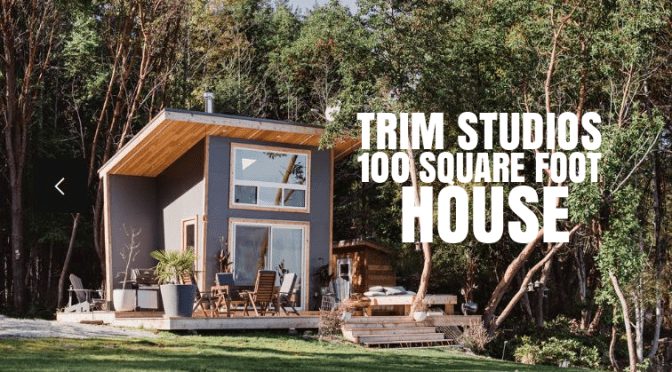
 For Trim Studio, the design requirements were simple and straightforward: a living area, kitchen, wood-burning stove, bathroom, bedroom, patio, log storage, and an outdoor shower. The challenge, however, came with the square footage restrictions: the home could be no larger than 100 square feet, and no taller than 16 feet high.
  Kris and Ali visited the site and, as Rodrigo Munguia, principal of Trim Studio, tells it, “immediately fell in love with the property.” Dubbing the site and house Ohana (meaning family in Hawaiian), the couple knew they wanted a cabin that spoke to the wooded area and took advantage of the property’s magnificent views. Particularly exciting for Munguia was the fact that they also wanted to have their wedding on the property, and planned to start their lives together at Ohana as a married couple.
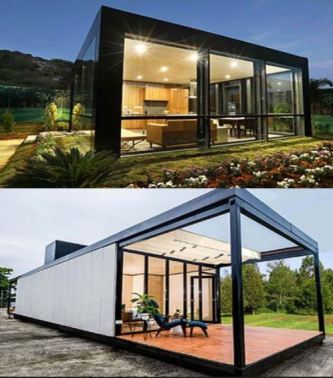
 systems, we are able to speed up the process, and bring down the overall cost of home construction,” says Anotnio.
 Boomers Daily