

From a Yahoo online article:
 The percentage of boomers who own a pet grew from 50% to 54% between 2008 and 2018. Among the oldest boomers — those between 70 and 74 — the percentage of pet owners rose from 41% to 45%. In contrast, the percentage of pet owners between the ages of 18 to 39 dropped from 63% to 61% during that time frame. Among consumers 40-54, the percentage of pet owners held steady at 64%.
So what type of pet reigns supreme among boomers and seniors? Those over 55 appear to see the value in all types of pets, as the percentage of dog owners grew from 27% to 32% and the percentage of cat owners grew from 27% to 33% between 2008 and 2018. The percentage of owners of pets other than dogs and cats also increased going from 16% to 24% in the 10-year period.
Among boomers specifically, the percentage of dog owners has risen from 34% to 38% in the last decade, and the research showed that boomers are more likely to own dogs than other pets. Boomers are also getting new pets as opposed to simply aging with the pets they already owned. In fact, the data show that 1.4 million boomers own dogs that are less than one year old and another 5.2 million have dogs between the ages of 1 and 3.
To read more: https://finance.yahoo.com/news/baby-boomers-helping-fuel-pet-153954968.html

 Fifty-five years after co-founding the rock band The Who, Pete Townshend is still at it. The lead lyricist and guitarist says he actually doesn’t enjoy performing but views it as an “easy” job necessary to finance his lifestyle and support his family and staff. Economics correspondent Paul Solman sits down with Townshend to discuss aging, surviving child abuse and art’s ability to inspire hope.
 As societal stresses have increased, loneliness and social isolation have become silent killers. Dilip Jeste, MD, a geriatric neuropsychiatrist who specializes in successful aging, explains how loneliness has become an epidemic, the risk factors, helpful interventions, and how we can harness wisdom for compassion, self regulation, and more.


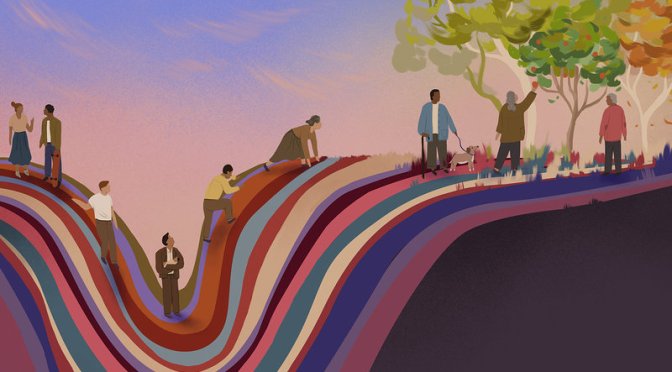
 Contrary to popular opinion, when it comes to well-being, our lives do not represent an inevitable decline from the sunny uplands of youth to the valley of death. Instead, the opposite is true — we can confidently look forward to old age as the happiest time of our lives.
 So why do people grow happier as they age? Is it an absence of stress, or are they able to focus more on what brings them joy?
 Boomers Daily