

Radio News 24/7 reports: Pfizer vaccine approved by FDA, Germany faces surging Covid-19 fatalities, and other top world news.

Radio News 24/7 reports: Pfizer vaccine approved by FDA, Germany faces surging Covid-19 fatalities, and other top world news.

NPR News Now reports: FDA votes to approve Pfizer/BioNTech vaccine, California stay-at-home orders, ICU beds in short supply and other top news.

The field of psychology underwent a replication crisis and saw a sea change in scientific and publishing practices, could ecology be next? News Intern Cathleen O’Grady joins host Sarah Crespi to talk about the launch of a new society for ecologists looking to make the field more rigorous.
Sarah also talks with Andrew Storfer, a professor in the School of Biological Sciences at Washington State University, Pullman, about the fate of the Tasmanian devil. Since the end of the last century, these carnivorous marsupials have been decimated by a transmissible facial tumor. Now, it looks like—despite many predictions of extinction—the devils may be turning a corner.

U.S. nears final vaccine review as daily national deaths top 3,250, Facebook hit with antitrust lawsuits, and Florida sheriff deputies deliver meals to kids doing virtual school.

How water chemistry is shifting researchers’ thoughts on where life might have arisen, and a new model to tackle climate change equitably and economically.
In this episode:
00:46 A shallow start to life on Earth?
It’s long been thought that life on Earth first appeared in the oceans. However, the chemical complexities involved in creating biopolymers in water has led some scientists to speculate that shallow pools on land were actually the most likely location for early life.
News Feature: How the first life on Earth survived its biggest threat — water
07:44 Coronapod
The COVID-19 pandemic has massively shifted the scientific landscape, changing research and funding priorities across the world. While this shift was necessary for the development of things like vaccines, there are concerns that the ‘covidization’ of research could have long-term impacts on other areas of research.
News: Scientists fear that ‘covidization’ is distorting research
20:45 Research Highlights
The Hayabusa2 mission successfully delivers a tiny cargo of asteroid material back to Earth, and a team in China claims to have made the first definitive demonstration of computational ‘quantum advantage’.
Nature News: Physicists in China challenge Google’s ‘quantum advantage’
22:38 Calculating carbon
Limiting carbon emissions is essential to tackling climate change. However, working out how to do this in a way that is fair to nations worldwide is notoriously difficult. Now, researchers have developed a model that gives some surprising insights in how to equitably limit carbon.
Research Article: Bauer et al.
News and Views: Trade-offs for equitable climate policy assessed
29:08 Briefing Chat
We discuss some highlights from the Nature Briefing. This time, bioluminescent Australian animals, and the collapse of the Arecibo telescope.
NPR News Now reports: President-Elect Biden’s ‘First 100 Days Agenda’, new Cabinet nominees and other top news.
First person in the world given Pfizer’s vaccine, Georgia again certifies Joe Biden’s win, and here’s your guide to holiday tipping during the pandemic.

A.M. Edition for Dec. 7. What to expect from stimulus negotiations in Washington. China’s rising exports generate a record trade surplus. Rudy Giuliani tests positive for Covid-19. Plus, tips for staying safe in the break room. Marc Stewart hosts.

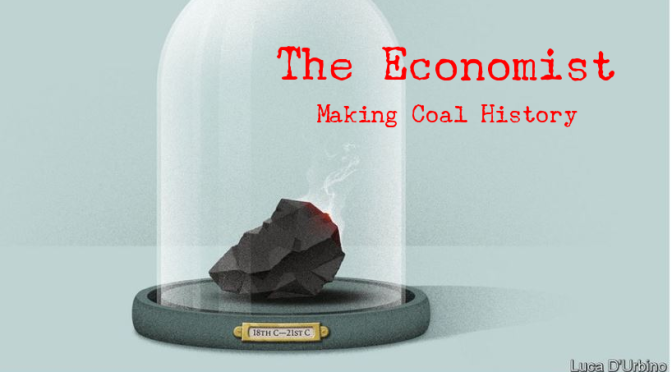
A selection of three essential articles read aloud from the latest issue of The Economist. This week: killing coal, Joe Biden and Iran (10:30), and how Taiwan’s economy remains resilient (16:20)

Monocle’s editor in chief Tyler Brûlé is joined by guests Christoph Lenz, Rob Cox and Chandra Kurt to discuss the weekend’s top stories. Plus: we check in with the newsroom of Iceland’s morgunblaðið newspaper.



 Boomers Daily