Survivalist Hazen Audel embarks on a risky journey to escape the Amazon rainforest and travel 500 miles to the Atlantic coast. Of course his voyage won’t be easy and he encounters some of the jungle’s most fascinating and frightening wildlife. From an Anteater and Anaconda to a Tarantula and Tailless Whip Scorpion, this thrilling journey will be one to remember. Join Hazen on this remarkable adventure in Primal Survivor: Escape The Amazon, premieres Thursday 14th April at 9pm, on National Geographic UK.
Tag Archives: Wildlife
Gulf Coast Views: Dauphin Island, Southern Alabama
“Sunday Morning” takes us to Dauphin Island off the Gulf coast of Alabama. Videographer: Scot Miller.
Dauphin Island is a town in Alabama, on the Gulf Coast island of the same name. It’s known for stretches of white sand, like Public Beach. At the entrance to Mobile Bay, 19th-century Fort Gaines features original cannons and a blacksmith shop. Migrating birds can be seen in the forest, dunes and swamp of the Audubon Bird Sanctuary. The Dauphin Island Sea Lab’s Estuarium offers aquariums and a living marsh boardwalk.
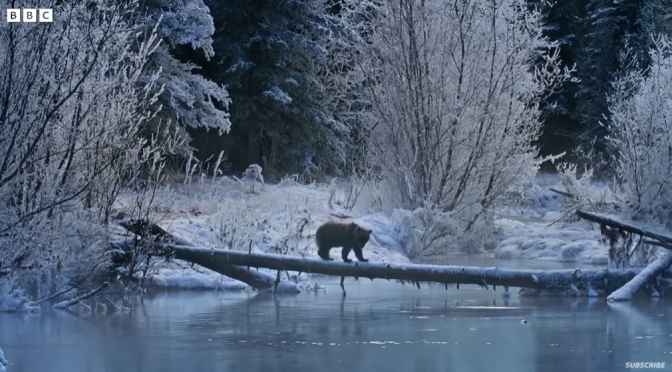
Alaska Wildlife: The Ice Bears Of The Yukon (BBC)
Remote and wild, the Yukon is a river of haunting beauty and dangerous extremes – a place where the ‘call of the wild’ is still strong. In summer, it is a relentless giant, carving its way 2,000 miles across Canada and Alaska. In winter, -50C temperatures transform it into a river of ice.
Home to grizzlies, moose and great runs of salmon, the Yukon lies at the heart of a vast northern wilderness. Bears delay their winter hibernation to fish for a final salmon feast, while the frozen river provides a lifeline for lynx and a race track for intrepid dog sledders. From indigenous hunters to gold-prospectors, musk ox to caribou, the Yukon’s natural riches have long sustained people and animals and continue to do so despite its changing fortunes.
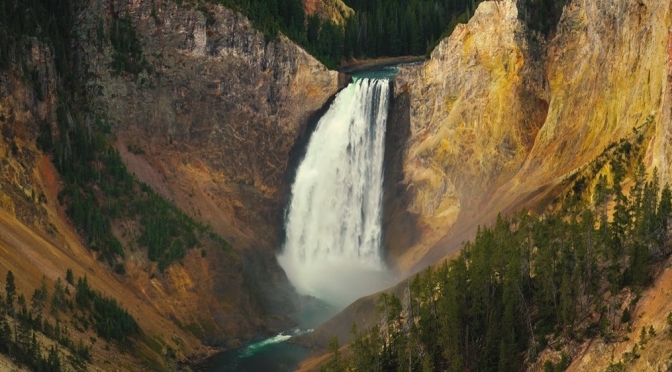
Views: The Wilderness & Wildlife Of Wyoming (4K)
Wyoming is a state in the Mountain West subregion of the Western United States. The 10th largest state by area, it is also the least populous and least densely populated state in the contiguous United States. Wikipedia
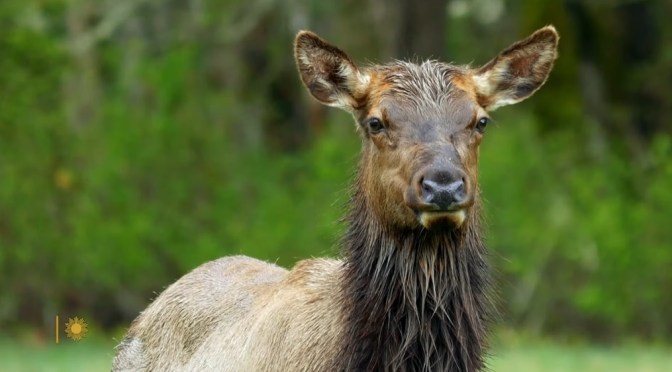
North Carolina Views: Elk In Great Smoky Mountains
“Sunday Morning” takes us among the elk and turkeys at the Great Smoky Mountains National Park in North Carolina. Videographer: Scot Miller.
Elk are the second-heftiest members of the deer family, after the bigger and darker-haired moose. While there’s really no mixing up those two giant deer, the names are definitely a cause for confusion from an international perspective. In Europe, what North Americans call moose are known as “elk.” The word “moose” is an indigenous North American (likely Algonquin) word, and in New England, early European colonists distinguished between the “black moose”—the moose as we know it today—and the “grey moose,” or elk.
Nature Views: San Diego Zoo Wildlife Alliance
Turn off the lights and connect with nature. Join us as we reflect on our mission to create a world where all live thrives by celebrating Earth hour this evening at 8:30PM.
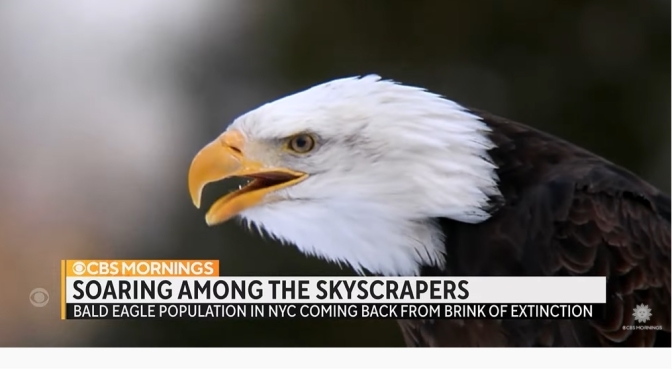
Nature View: Bald Eagles Soar In New York City
Bald eagles were nearly extinct in New York City due to environmental factors such as pollution and pesticides. Michael George spoke to an urban park ranger sergeant who participated in the two-decade effort to bring the birds back to the city.
The bald eagle is a bird of prey found in North America. A sea eagle, it has two known subspecies and forms a species pair with the white-tailed eagle, which occupies the same niche as the bald eagle in the Palearctic.
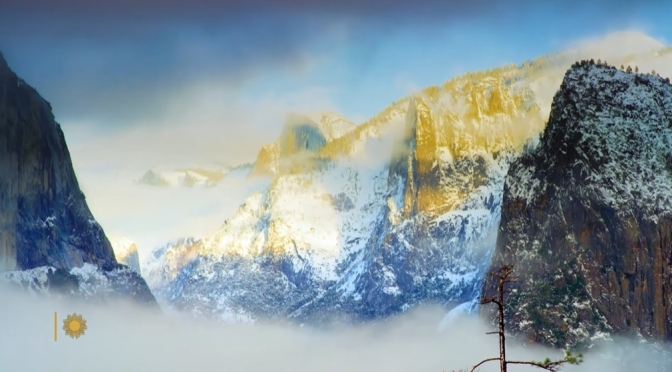
Views: Yosemite National Park Valley In California
“Sunday Morning” takes us for a walk on the wild side, at California’s Yosemite National Park. Videographer: Lance Millbrand.
Yosemite National Park is in California’s Sierra Nevada mountains. It’s famed for its giant, ancient sequoia trees, and for Tunnel View, the iconic vista of towering Bridalveil Fall and the granite cliffs of El Capitan and Half Dome. In Yosemite Village are shops, restaurants, lodging, the Yosemite Museum and the Ansel Adams Gallery, with prints of the photographer’s renowned black-and-white landscapes of the area.
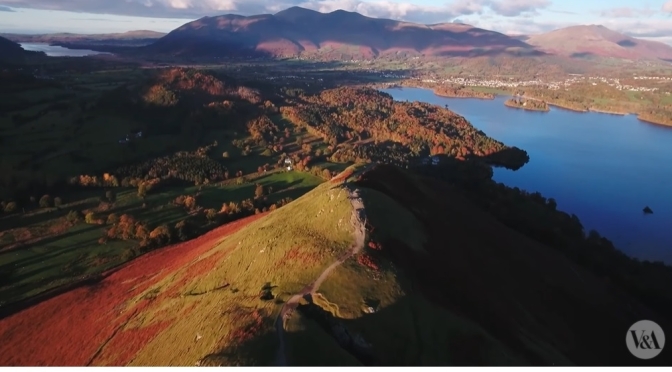
Views: Beatrix Potter’s ‘Lake District’ In England
From dawn to dusk. Sit back, relax, and be transported to the Lake District with a specially commissioned immersive film that celebrates the sights and sounds of a landscape that inspired Beatrix Potter.
The Lake District is a region and national park in Cumbria, North West England known for its glacial lakes and rugged fell mountains. Beatrix Potter eventually settled here after growing up in her ‘unloved birthplace’ of London, becoming an award-winning sheep farmer and respected member of the local community.
When Potter died aged 77 on 22 December 1943, she left 14 farms and more than 4,000 acres to the National Trust. Produced and directed by award-winning filmmaker and photographer Terry Abraham, this film captures intimate shots of the native wildlife that Potter would have sketched and later immortalised in her storybooks, alongside epic panoramic footage of its mountains and lakes, featuring locations where Potter lived, worked and admired:
Catbells and Derwentwater Newlands Valley Watendlath Yew Tree Farm, Coniston Tarn Hows Hill Top and Near Sawrey Esthwaite Water Ullswater Great Langdale
Read an interview with Terry Abraham on our blog: https://www.vam.ac.uk/blog/museum-lif…
This film was produced to accompany the V&A exhibition, Beatrix Potter: Drawn to Nature, until 8 January 2023.
Views: North American River Otters In Maine
“Sunday Morning” visits otters on the hunt for fish at a pond in Portland, Maine. Videographer: Mauricio Handler.
The North American River Otter (Lontra canadensis) is the species of otter found in Maine, and you’ll find lots of them along the entire coast (and probably inland as well). River otters are mostly nocturnal members of the weasel family (Mustelidae) and rather large, growing up to 3.5 feet long and weighing around 30 pounds. They are referred to as “semi-aquatic,” since they spend most of their waking hours in water and come to land when denning, moving from one body of water to another, or marking a territory.