
Videographer: Lance Milbrand.

Videographer: Lance Milbrand.
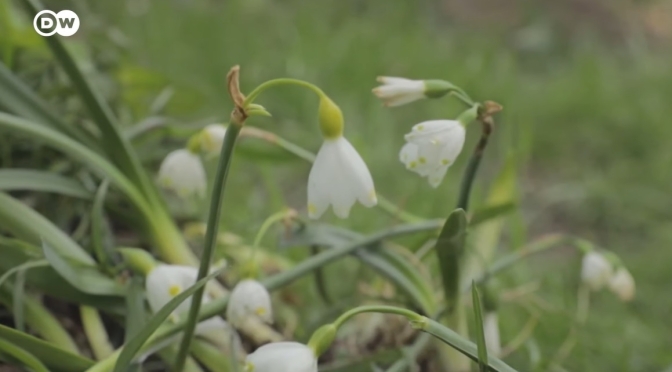
Khatuna Jakeli loves snowdrops. Not only because they’re pretty, but because they provide her with an income. Every year in April and May, she treks through the Caucasus mountains of Adjara and collects the wildflower bulbs. The bulbs are then sold to the Netherlands, from where they are shipped to flower stores throughout Europe.
The Caucasus delivers 22 million snowdrops to the Netherlands every year, including 15 million wild snowdrops. A lucrative business, from which little remains for Khatuna Jakeli. Yet it is her most important source of income. A report by Juri Rescheto.
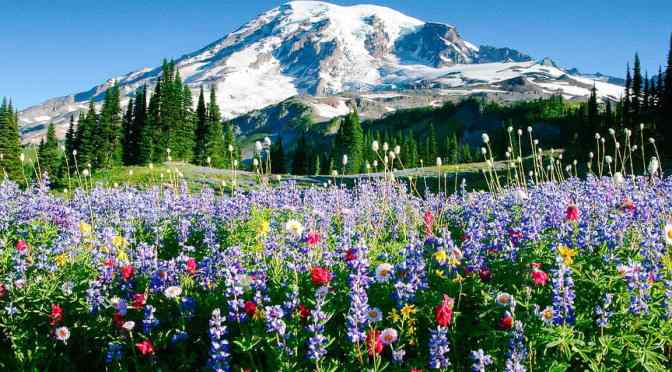
“Sunday Morning” visits wildflowers on Mount Rainier in Washington State. Videographer: Mike Griffith.
There are hundreds of species of wildflowers found in Mount Rainier National Park, far more than can be represented here. However, this identification guide is meant to help you familiarize yourself with some of the most common and interesting wildflowers you may see during your visit to the park. For identification of flowers in the field, you can download the Mount Rainier Wildflower site bulletin, ask a ranger, or purchase a variety of wildflower identification guidebooks available in the park visitor centers and gift shops.
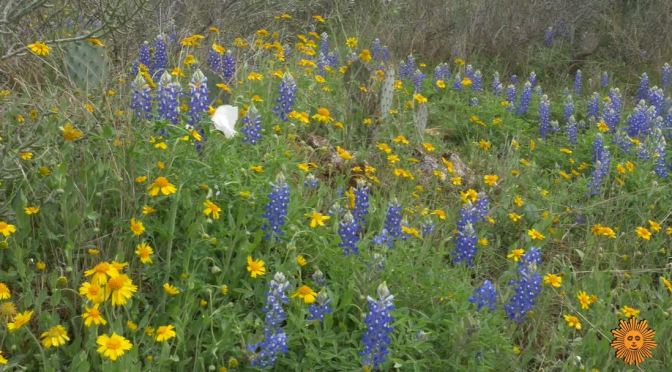
“Sunday Morning” takes us to Mason County, Texas, for a look at bluebonnets and wildflowers. Videographer: Scot Miller.
Mason County is a county located on the Edwards Plateau in the U.S. state of Texas. At the 2010 census, its population was 4,012. Its county seat is Mason. The county is named for Fort Mason, which was located in the county.
Filmed on February 9, 2021
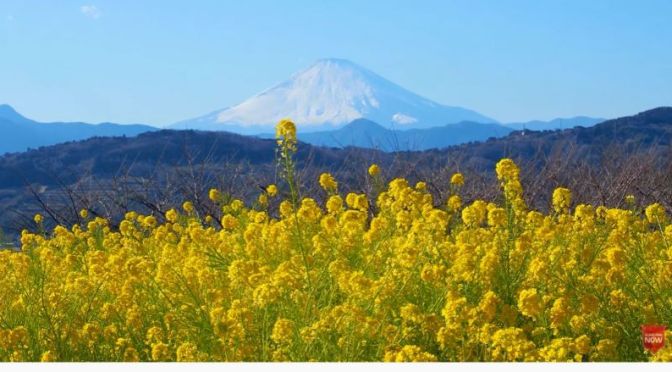
Shizuoka Prefecture (静岡県, Shizuoka-ken) is a prefecture of Japan located in the Chūbu region of Honshu.[1] As of December 2019, Shizuoka Prefecture has a population of 3,637,998 and has a geographic area of 7,777.42 km2 (3,002.88 sq mi). Shizuoka Prefecture borders Kanagawa Prefecture to the east, Yamanashi Prefecture to the northeast, Nagano Prefecture to the north, and Aichi Prefecture to the west.
Shizuoka is the capital and Hamamatsu is the largest city in Shizuoka Prefecture, with other major cities including Fuji, Numazu, and Iwata.[2] Shizuoka Prefecture is located on Japan’s Pacific Ocean coast and features Suruga Bay formed by the Izu Peninsula, and Lake Hamana which is considered to be one of Japan’s largest lakes. Mount Fuji, the tallest volcano in Japan and cultural icon of the country, is partially located in Shizuoka Prefecture on the border with Yamanashi Prefecture. Shizuoka Prefecture has a significant motoring heritage as the founding location of Honda, Suzuki, and Yamaha, and is home to the Fuji International Speedway.
Filmed and Edited by: Casper Rolsted
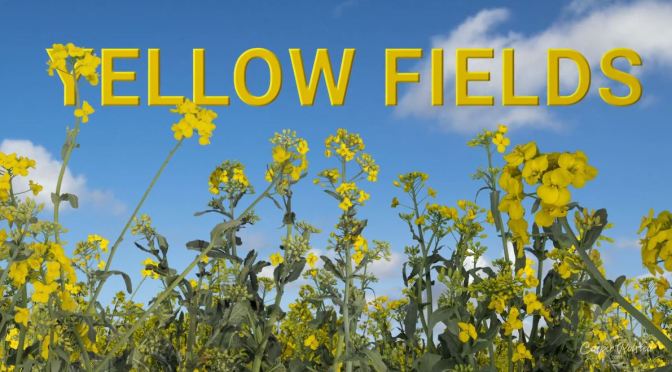
Every spring bright yellow fields occur for a few weeks all over the world. These beautiful carpets of yellow are the Rapeseed crop blooming. Many may be familiar with this crop under its other name of Canola.
The crop grows to 100 cm (39 in) in height and the flowers are about 17 mm (0.67 in) across.
Crops from the genus Brassica, including Rapeseed, were among the earliest plants to be widely cultivated by mankind as early as 10,000 years ago.
Today Rapeseed is used for production of animal feed, edible vegetable oils, and biodiesel.
 Boomers Daily