

Stephen Hahn, U.S. Food and Drug Administration Commissioner, Sigal Atzmon, founder and chief executive officer of Medix Global, and Roche CEO Severin Schwan, on the pandemic, Covid-19 vaccines and the new mutation.

Stephen Hahn, U.S. Food and Drug Administration Commissioner, Sigal Atzmon, founder and chief executive officer of Medix Global, and Roche CEO Severin Schwan, on the pandemic, Covid-19 vaccines and the new mutation.

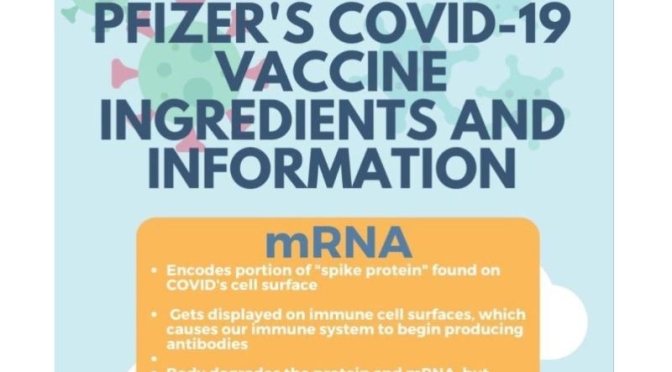
The U.S. began vaccinating the population against the coronavirus earlier this month, but mass adoption is not a guarantee. Roughly four in ten Americans say they would “definitely” or “probably” not get a vaccine, according to a recent survey by the Pew Research Center. Watch this video to find out how major stakeholders plan to convince the entire country to trust a vaccine made in record time, using mRNA technology that’s never before been licensed.


NPR reports: Another COVID-19 vaccine nears authorization. A major computer hack poses a ‘grave risk’ to the U.S. And, Congress gets closer to a new coronavirus relief package.

Lawmakers near relief deal with second round of stimulus checks, do Americans trust the vaccine, and drinking red wine and eating cheese could reduce cognitive decline.
As states and hospitals in the U.S. race to roll out the first Covid-19 vaccines, WSJ’s Daniela Hernandez hears from a hospital administrator and immunization expert about the logistical challenges involved in this first phase of the vaccination process.
Photo: Victoria Jones/Zuma Press

Staff Writer Meredith Wadman and host Sarah Crespi discuss what to expect from the two messenger RNA–based vaccines against COVID-19 that have recently released encouraging results from their phase III trials and the short-term side effects some recipients might see on the day of injection.
Sarah also talks with researcher Xing Chen, a project co-leader and postdoctoral scientist at the Netherlands Institute for Neuroscience, about using brain stimulation to restore vision. Researchers have known for about 70 years that electrical stimulation at certain points in the brain can lead to the appearance of a phosphene—a spot of light that appears not because there’s light there, but because of some other stimulation, like pressing on the eyeball. If electrical stimulation can make a little light appear, how about many lights? Can we think about phosphenes as pixels and draw a picture for the brain? How about a moving picture?






 Boomers Daily