
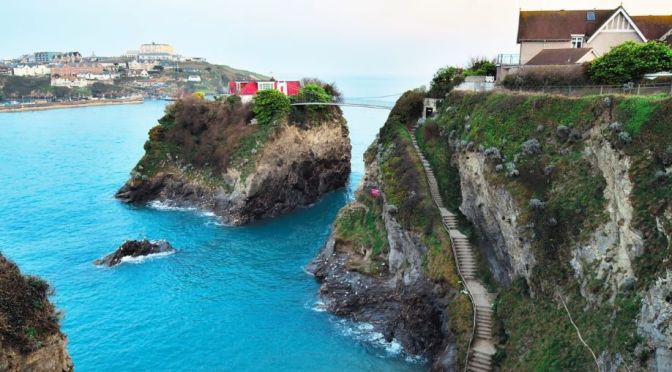
Cornwall is a county on England’s rugged southwestern tip. It forms a peninsula encompassing wild moorland and hundreds of sandy beaches, culminating at the promontory Land’s End. The south coast, dubbed the Cornish Riviera, is home to picturesque harbour villages such as Fowey and Falmouth. The north coast is lined with towering cliffs and seaside resorts like Newquay, known for surfing.
Tag Archives: Travel Videos
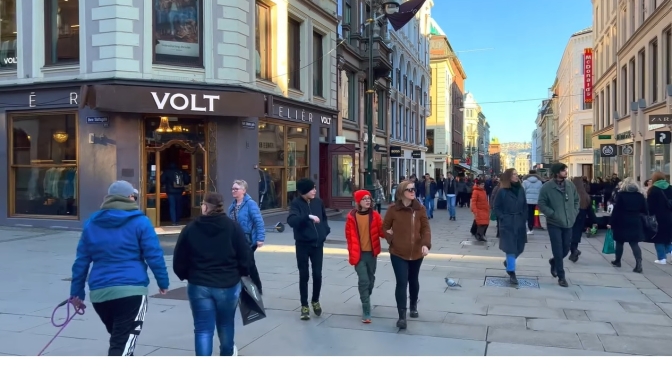
City Walking Tour: Oslo – Capital Of Norway (4K)
Oslo, the capital of Norway, sits on the country’s southern coast at the head of the Oslofjord. It’s known for its green spaces and museums. Many of these are on the Bygdøy Peninsula, including the waterside Norwegian Maritime Museum and the Viking Ship Museum, with Viking ships from the 9th century. The Holmenkollbakken is a ski-jumping hill with panoramic views of the fjord. It also has a ski museum.
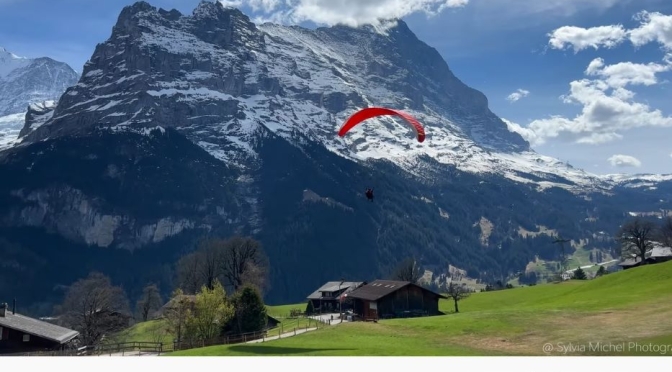
Swiss Views: A Spring Hike Above Grindelwald (4K)
Grindelwald, a village in Switzerland’s Bernese Alps, is a popular gateway for the Jungfrau Region, with skiing in winter and hiking in summer. It’s also a base for mountain-climbing ascents up the iconic north face of Eiger Mountain. Gletscherschlucht, a glacial gorge just outside Grindelwald, features paths with interpretive signage, waterfalls and striated limestone walls.
Timeline: 0:00 Taking the Gondola up to Grindelwald Bort 1:46 Starting the hike at Grindelwald Bort 2:54 Back to spring in Grindelwald
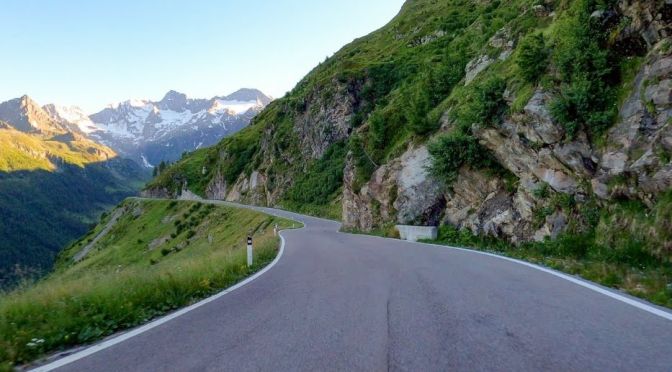
Road Tour: Sella Carnizza Pass, Northern Italy (4K)
The Sella Carnizza is a pass in the far east of Italy, close to the Slovenian border. The area gave a deserted feeling, with the road in poor condition and broken trees everywhere from a landslide. However the area is full of great nature, mountains, and roads, so well worth the visit!

Walking Tour: Shibuya District In Tokyo, Japan
Tokyo, Japan’s busy capital, mixes the ultramodern and the traditional, from neon-lit skyscrapers to historic temples. The opulent Meiji Shinto Shrine is known for its towering gate and surrounding woods. The Imperial Palace sits amid large public gardens. The city’s many museums offer exhibits ranging from classical art (in the Tokyo National Museum) to a reconstructed kabuki theater (in the Edo-Tokyo Museum).
Shibuya is a special ward in Tokyo, Japan. As a major commercial and finance center, it houses two of the busiest railway stations in the world, Shinjuku Station and Shibuya Station.
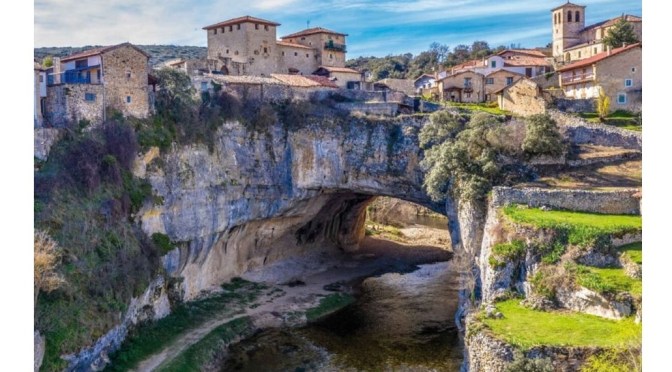
Village Tours: Puentedey In Northern Spain (DW)
Puentedey in northern Spain was named the most beautiful village in Spain in 2022. One reason is its 15-meter-high natural stone arch, carved by the Nela River and nicknamed God’s Bridge.
Puentedey stands out, a place in Burgos that, as its name indicates, is defined by a structure that was considered divine for a long time. It is a rock arch that the river Nela has been carving for millions of years on which a town has been built.
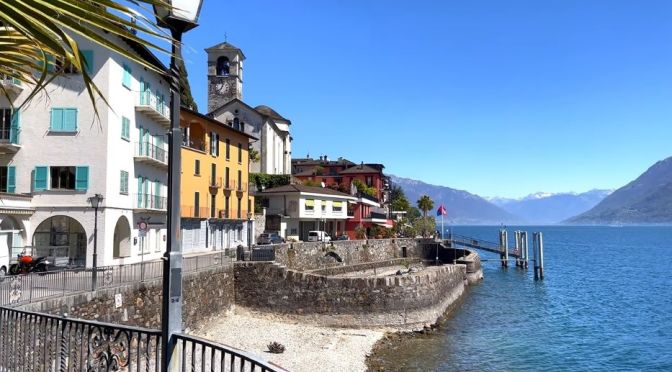
Lake Walks: Brissago In Ticino, Switzerland (4K)
Brissago is a municipality in the district of Locarno in the canton of Ticino in Switzerland. A wonder swiss town, lying at the lowest point in Switzerland, just 197 metres above sea level, and perched between the shores of Lake Maggiore and the steep mountains behind, Brissago is a small town on the Italian frontier.
The lowest and oldest part of the village is clustered around the beautiful Renaissance church of St. Peter and Paul, surrounded by centuries-old cypresses. In the narrow lanes leading down to the lake you will find some picturesque spots to admire: gardens where lemons, oranges and cedars grow in the open air, as well as beautiful mansions. Brissago is famous not only for its tobacco and cigar factory, but also for its islands, which seen from above look like bright green spots in the blue of the lake.
Between 1885 and 1928 Baroness Antonietta Saint-Léger, a Russian of German origin, planted a botanical garden designed as an earthly paradise, and her successor, the department store king Max Emden, continued her work. Today the neo-classical villa contains a restaurant and the administration offices of the Botanical Park of Canton Ticino. Their plants are still there, together with the Himalayan cinnamon with its scent of camphor, the Madagascar gladiolus, the bald cypress from the swamps of North America with its trunk under water, and numerous other exotic species.

Photography: Capturing Aboriginal Australia (BBC)
Aboriginal photographer Wayne Quilliam has been travelling across Australia for 30 years, documenting its hundreds of Aboriginal and Torres Strait Islander groups. He shares people’s stories, he says, so others can better understand the diversity of Aboriginal cultures. “I don’t generally reflect on the negatives of what’s happening in our communities because there are so many that do so,” he says. A warning for Aboriginal and Torres Strait Islander viewers: This video contains images of people who may have died.

Village Walks: Pitigliano In Tuscany, Italy (4K)
A breathtaking town carved into the Tufo rock, in the heart of the Tuscan Maremma, Pitigliano is one of the most beautiful villages in Italy.
Also known as Little Jerusalem, thanks to the large Jewish community it hosted within its walls in the 16th century, Pitigliano is definitely one for the bucket list next time you’re in Tuscany.
Perched on a cliff of local stone known as ‘tufo’, the town stands majestically at the crossroads of the valleys of the Lente, Meleta and Prochio, with a wonderful view of the wild and unspoiled Tuscan Maremma countryside.

Walking Tour: CHÂTEAU DE VICENNES In France (4K)
The château of Vincennes, which succeeded an earlier fortified hunting lodge on the site, consists of four principal buildings—the keep, the chapel, and two pavilions—enclosed by an enceinte with nine towers. The magnificent and well-preserved keep, the finest surviving in France, 170 feet (52 metres) in height, was begun under Philip VI, completed under Charles V (reigned 1364–80), and used thereafter as a royal residence until Versailles was built. The chapel, not completed until 1552 but in Gothic style, has a Flamboyant facade and a great rose window. The two pavilions—the Pavillon du Roi and the Pavillon de la Reine—were built by Louis Le Vau, under the direction of Jules Cardinal Mazarin, during the third quarter of the 17th century.
 Boomers Daily