Aquarist knowledge is an often overlooked but vital part of marine research
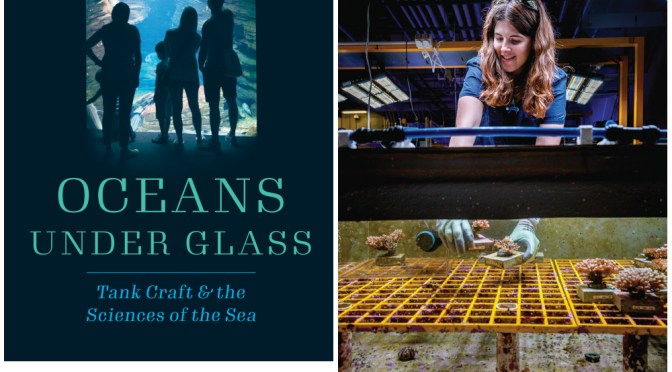
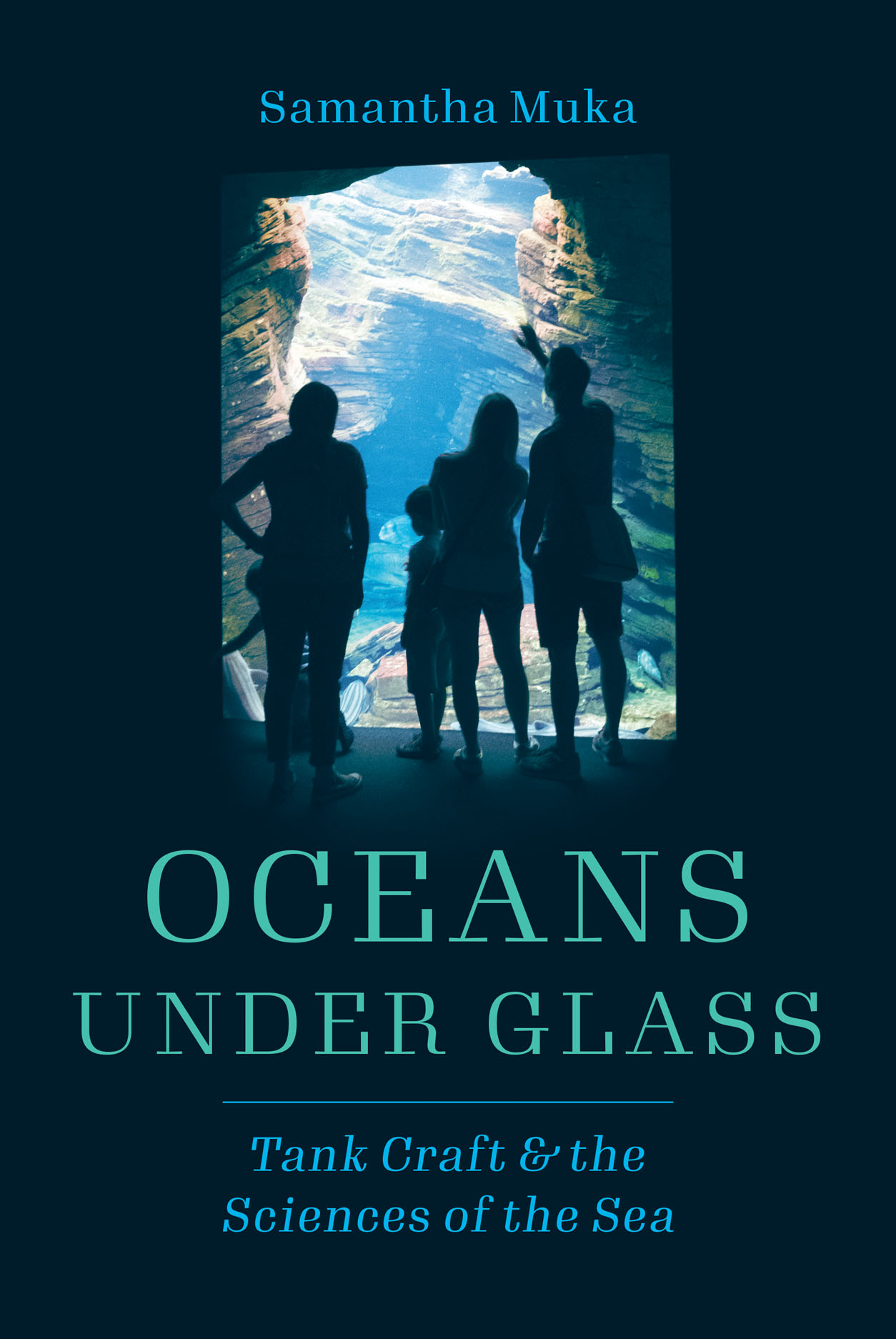
A welcome dive into the world of aquarium craft that offers much-needed knowledge about undersea environments.
The art of aquarium science
Atlantic coral is rapidly disappearing in the wild. To save the species, they will have to be reproduced quickly in captivity, and so for the last decade conservationists have been at work trying to preserve their lingering numbers and figure out how to rebuild once-thriving coral reefs from a few survivors. Captive environments, built in dedicated aquariums, offer some hope for these corals. This book examines these specialized tanks, charting the development of tank craft throughout the twentieth century to better understand how aquarium modeling has enhanced our knowledge of the marine environment.
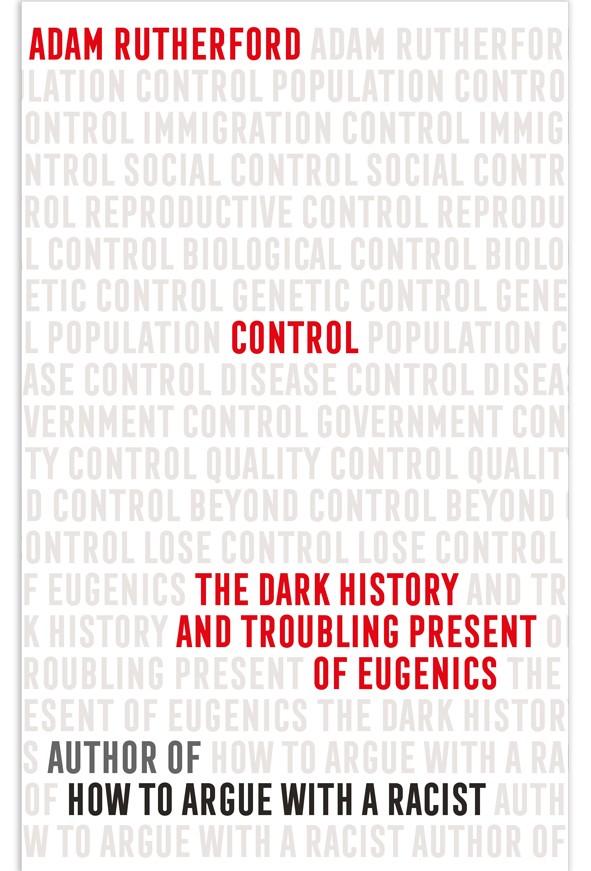
When Charles Darwin’s cousin, Francis Galton, coined the word eugenics in 1883, he called it the study of the conditions under which “men of a high type are produced”. This gross idea led to the gates of Auschwitz, reminds broadcaster Adam Rutherford (an alumnus of the Galton Laboratory, former name of University College London’s human‑genetics centre). It hasn’t gone away, he explains in his timely salvo on the politics and history of notions that dog genetics, events up to and after the ‘CRISPR twins’ and the resurgence of white supremacy.
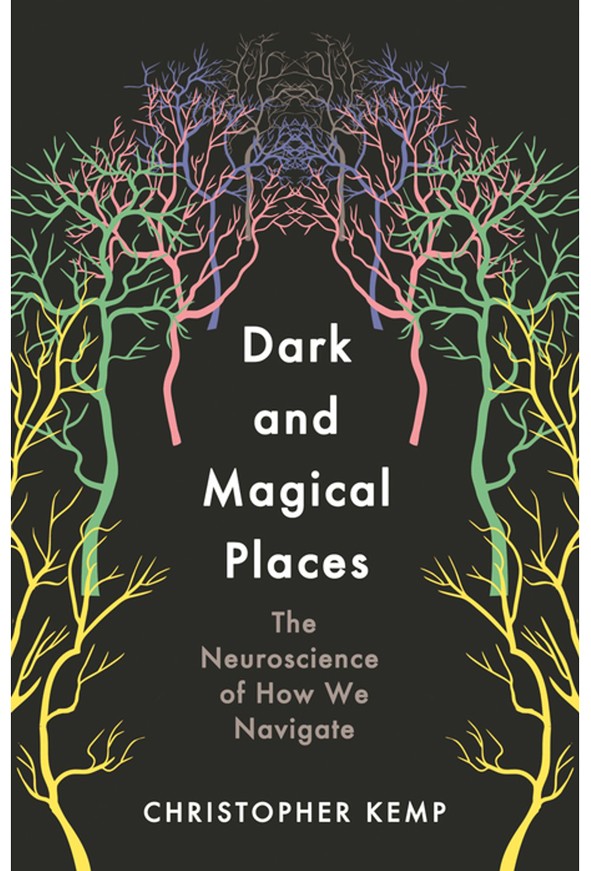
Dark and Magical Places
Christopher Kemp Profile/Wellcome Collection (2022)
“I have no sense of direction,” confesses molecular biologist Christopher Kemp — unlike his wife, “an effortless and intuitive navigator”. Once, in a mirror maze, he was transfixed with alarm, and had to be pulled out by his seven-year-old son. Many others experience similar disorientation, sometimes with disastrous results, as when hikers get lost. Their stories vitalize this compelling study of the brain, memory and navigation, in which one psychologist compares our understanding of parts of the brain with knowledge of black holes.
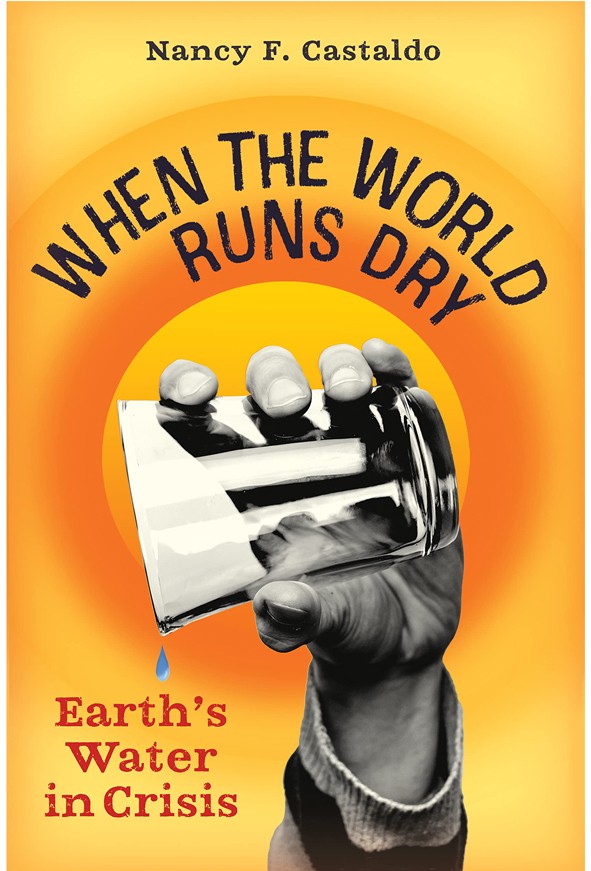
When the World Runs Dry
Nancy F. Castaldo Algonquin (2022)
Globally, millions of people must walk up to 6 kilometres daily to get clean water, says environmental writer Nancy Castaldo. Moreover, each year, more children die as a result of water contamination than from violence, including war, said the United Nations in 2019. Castaldo’s alarming book discusses many examples of shortages and tainting, ranging from drought in Cape Town, South Africa, to lead pollution in Flint, Michigan. She concludes with realistic steps to reduce domestic consumption and contamination.
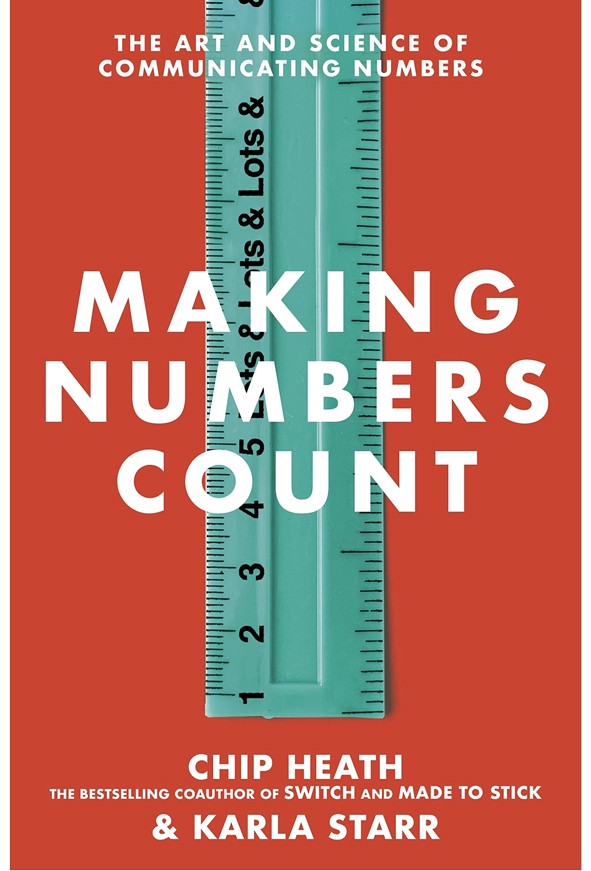
Making Numbers Count
Chip Heath and Karla Starr Avid Reader (2022)
Business scholar Chip Heath and science journalist Karla Starr are familiar with the need to “translate numbers into instinctive human experience”, informatively and memorably. Unable to find a book on the subject, they decided to write their own. Their diverse guide bubbles with translated statistics. For example, there are about 400 million civilian-owned firearms in the United States — that translates into one for every adult and child, with around 70 million left over.
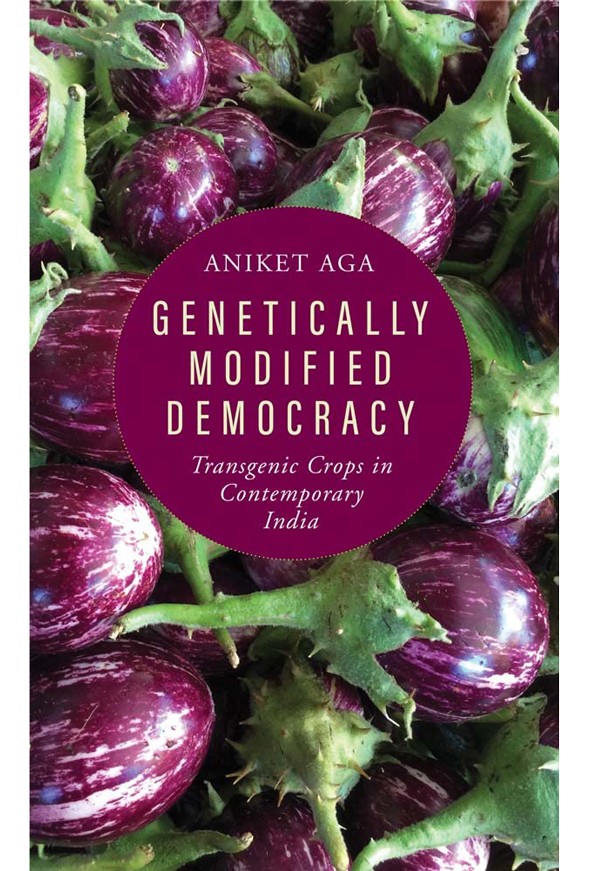
Genetically Modified Democracy
Aniket Aga Yale Univ. Press (2021)
India’s 1960s Green Revolution began without much deliberation. The government promoted high-yielding varieties of wheat and rice, and guaranteed purchase prices. This helped “already well-off, landed farmers”, notes environmentalist Aniket Aga, but led to huge debts for the struggling majority. When genetically modified crops reached India in 2002, they cultivated much more scrutiny, involving scientists, seed companies, farmers, consumers and the state. Aga describes the debate, without claiming to provid
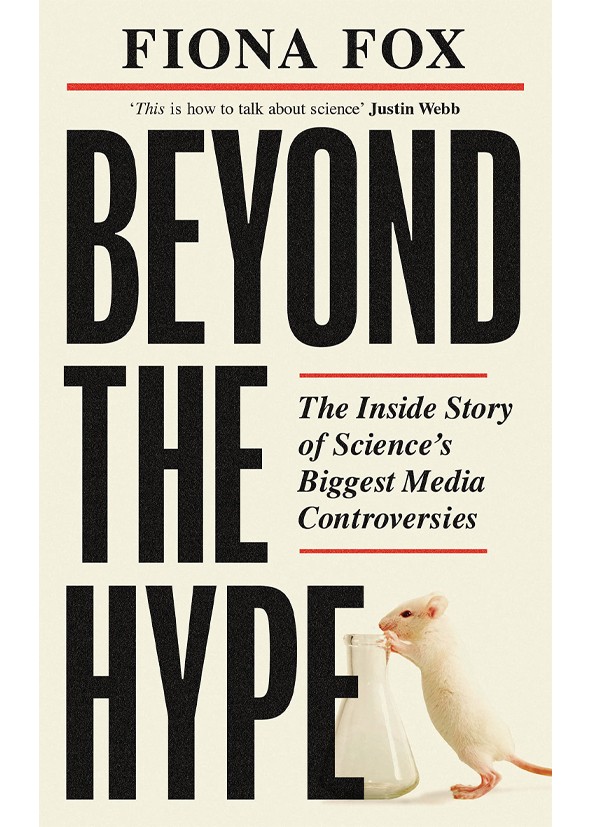
It is 20 years since journalist Fiona Fox set up the influential Science Media Centre in London, to persuade more scientists to engage with the media. This absorbing, detailed book is her memoir of that period — not, as she makes clear, an “objective record”. Separate chapters deal with controversies such as “Climategate”, “Frankenfoods”, the politicization of science, sexism in research and how the current pandemic epitomizes an “age-old dichotomy” between the need for simple public messaging and the messy complexity of science.
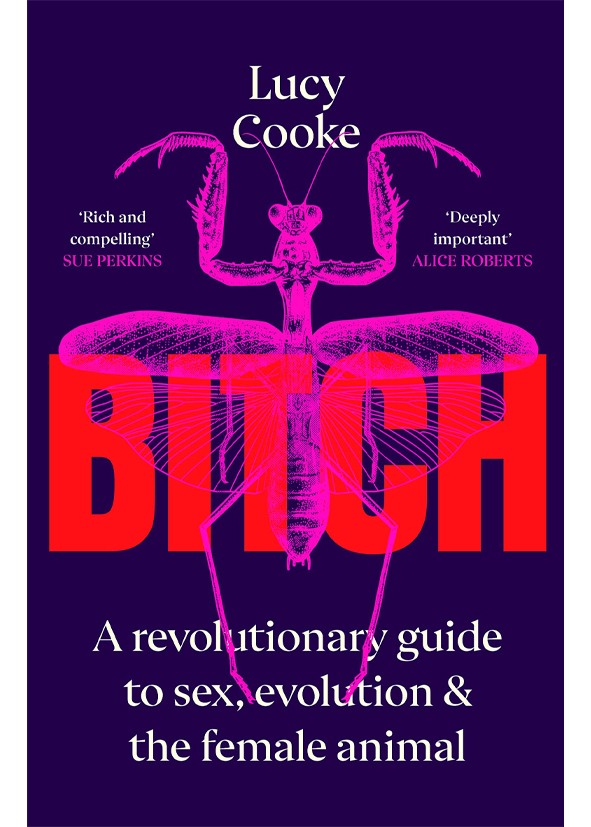
Bitch
Lucy Cooke Doubleday (2022)
“Try explaining the need to be passive” to a female spotted hyena (Crocuta crocuta), writes zoologist and author Lucy Cooke, “and she’ll laugh in your face, after she’s bitten it off”. She is dominant in rough play, scent‑marking and territorial defence. By analysing numerous animals, this sparkling attack on scientific sexism draws on many scientists — of multiple genders — to correct stereotypes of the active male versus passive female. Many such concepts were initiated by Charles Darwin, who is nevertheless Cooke’s “scientific idol”.
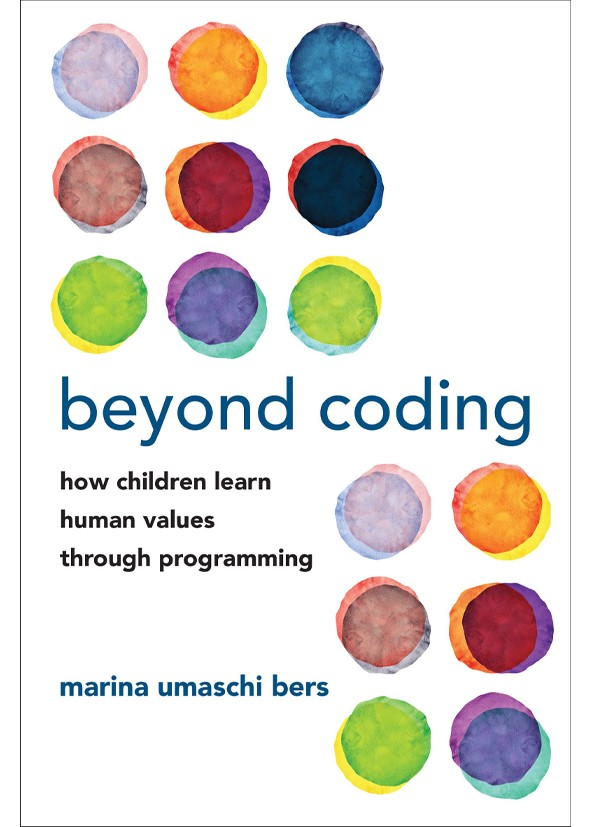
Beyond Coding
Marina Umaschi Bers MIT Press (2022)
Early-childhood technologist Marina Bers developed the KIBO robot, which young children can program with coloured, barcoded wooden blocks to learn computer coding. It is the chief character in her engaging book, which presents four key ways to consider coding for kids: as a “playground”; “another language”; a “palette of virtues”; and a “bridge”. The palette includes infusing ethics and moral education into programming. The bridge involves finding points of connection between diverse cultural, ethnic and religious groups.
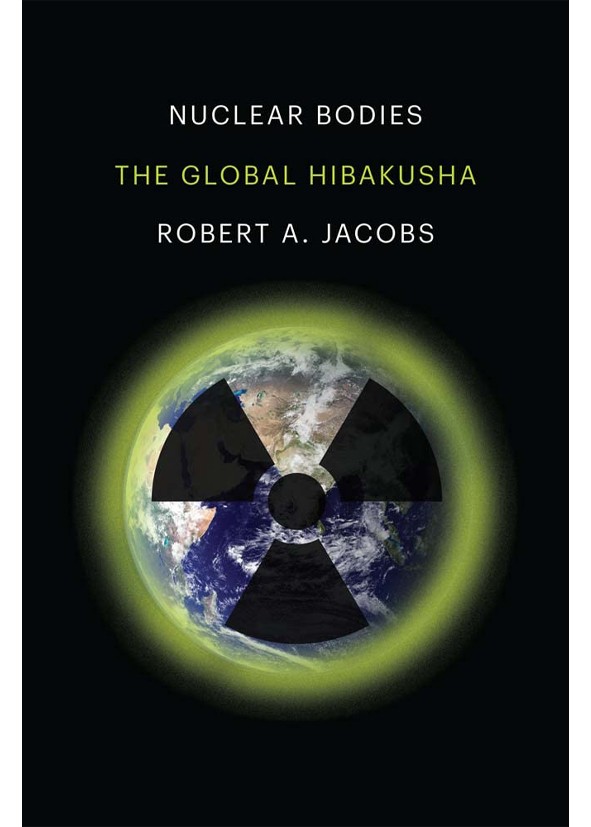
Nuclear Bodies
Robert A. Jacobs Yale Univ. Press (2022)
The Japanese word hibakusha originally described the victims of the atomic bombs dropped on Japan in 1945. Since the 2011 Fukushima nuclear power-plant disaster, the term has been widely extended to denote worldwide victims of radiation exposure. Yet it does not appear in the Oxford English Dictionary: evidence that “these ‘global hibakusha’ have been largely invisible to us”, because of their relative political insignificance, notes Hiroshima-based historian Robert Jacobs in this grimly important analysis of the cold war.
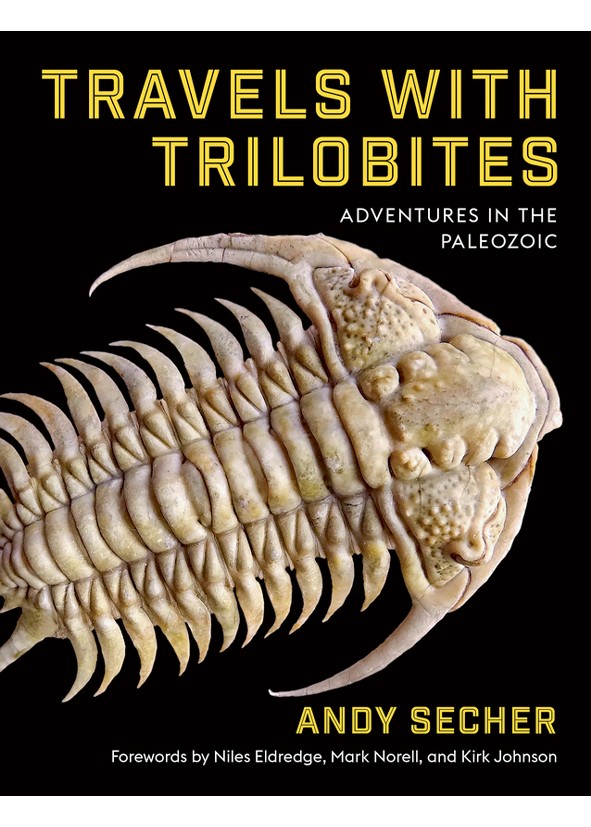
Travels with Trilobites
Andy Secher Columbia Univ. Press (2022)
The fascinating marine invertebrate known as a trilobite belongs to the beginning of complex animal life. It appeared some 521 million years ago, and endured for more than 250 million years, evolving more than 25,000 recognized species. Palaeontologist Andy Secher coedits the trilobite website for the American Museum of Natural History in New York City. He owns more than 4,000 trilobite fossils, many of which are pictured in this paean to “the omnipresent monarchs of the world’s ancient se
Andrew Robinson reviews five of the week’s best science picks.
Spark
Timothy J. Jorgensen Princeton Univ. Press (2022)
The use of electricity in medicine has long been controversial, notes health physicist Timothy Jorgensen. Eighteenth-century polymath Benjamin Franklin applied shocks to paralysed muscles with temporary success. In the 1930s, neurologist Ugo Cerletti pioneered painful but effective electroconvulsive therapy for schizophrenia and depression. Yet even today, “no one is sure exactly how ECT works”, says Jorgensen in his brilliant book. Now, business magnate Elon Musk plans to implant computer chips to treat brain disorders.
The New Fire
Ben Buchanan & Andrew Imbrie MIT Press (2022)
Artificial intelligence (AI) is not like electricity, but like fire, say Ben Buchanan and Andrew Imbrie — academic specialists in emerging technology — in their authoritative, coruscating analysis of its current and future significance. Its potential impact ranges from illuminating to catastrophic, according to three rival and sometimes overlapping views from observers whom they label “evangelists, warriors and Cassandras”. “Three sparks ignite the new fire,” say the authors: data, algorithms and computing power.
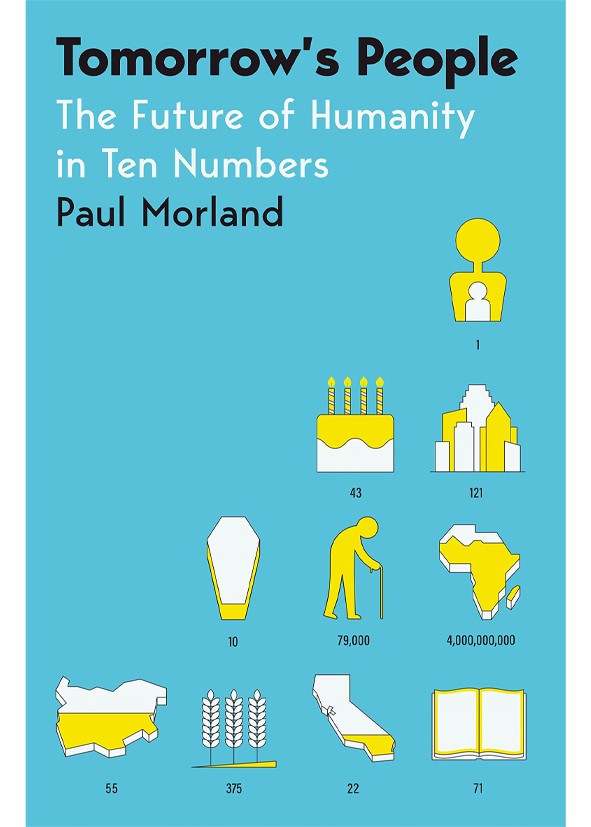
Tomorrow’s People
Paul Morland Picador (2022)
“To most of us, the influence of demography on our future is far from obvious,” writes demographer Paul Morland. City dwellers tend to have low fertility, thereby creating an older population and eventually population decline, which could prompt migration and ethnic change, as in today’s United Kingdom — or might not, as in Japan. Morland’s careful book discusses ten indicators, one per chapter: infant mortality, population growth, urbanization, fertility, ageing, old age, population decline, ethnic change, education and food.
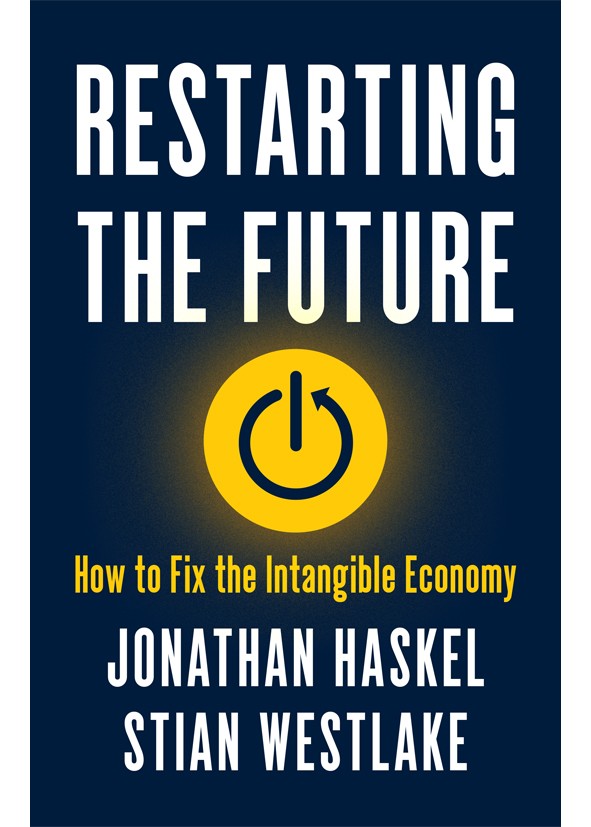
Restarting the Future
Jonathan Haskel & Stian Westlake Princeton Univ. Press (2022)
In the past few decades, growth has stagnated in advanced economies. This is odd, given low interest rates, high business profits and a wide belief that we live with “dizzying technological progress”, write economists Jonathan Haskel and Stian Westlake. They argue that the old economic model based on material production fails when it comes to intangible assets — such as software, data, design and business processes — that hinge on ideas, knowledge and relationships. Financial and state institutions must update to cope.
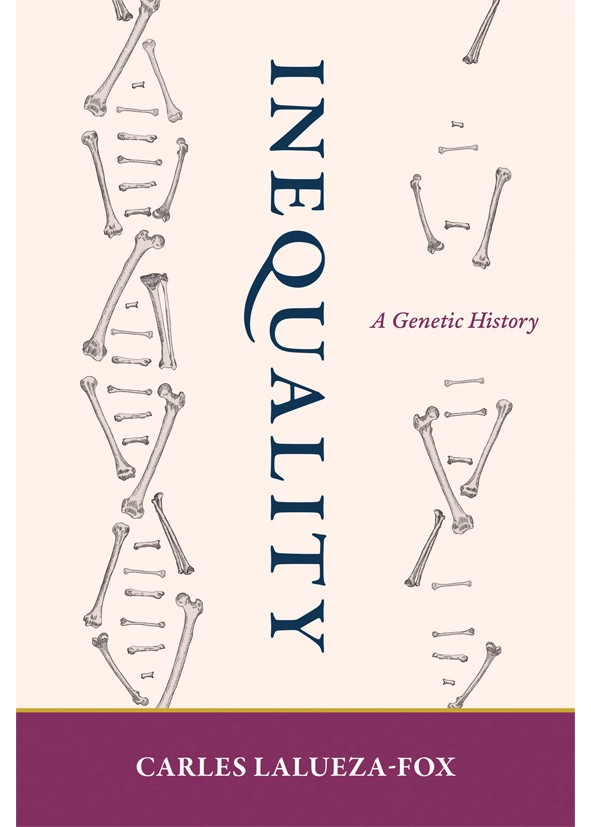
Inequality
Carles Lalueza-Fox MIT Press (2022)
Inequality and its origins will always preoccupy humans. In 2014, biologist Carles Lalueza-Fox led the retrieval of a genome from a European forager’s skeleton more than 7,000 years old; his later studies revealed genetic evidence of “inequality and discrimination in different times and periods”, as he describes in this significant book, written during the pandemic. He concludes by observing that COVID‑19 has had an enhanced impact on poor people, which he anticipates will feature in future genetic studies.
News, Views and Reviews For The Intellectually Curious


 Boomers Daily