
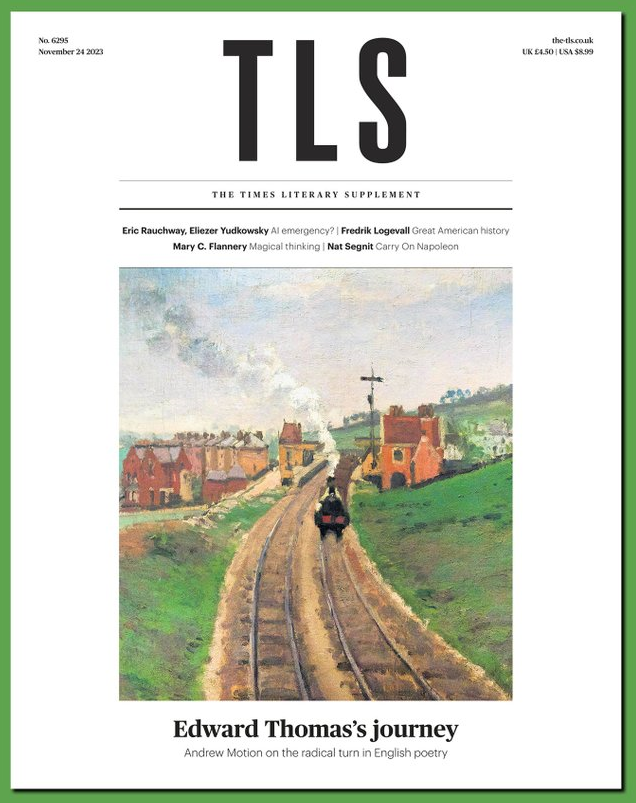
Times Literary Supplement (November 22, 2023): The new issue features Edward Thomas’s journey – The radical turn in English poetry; An AI emergency; Great American history; Magical thinking; Carry On Napoleon, and more…

Times Literary Supplement (November 22, 2023): The new issue features Edward Thomas’s journey – The radical turn in English poetry; An AI emergency; Great American history; Magical thinking; Carry On Napoleon, and more…
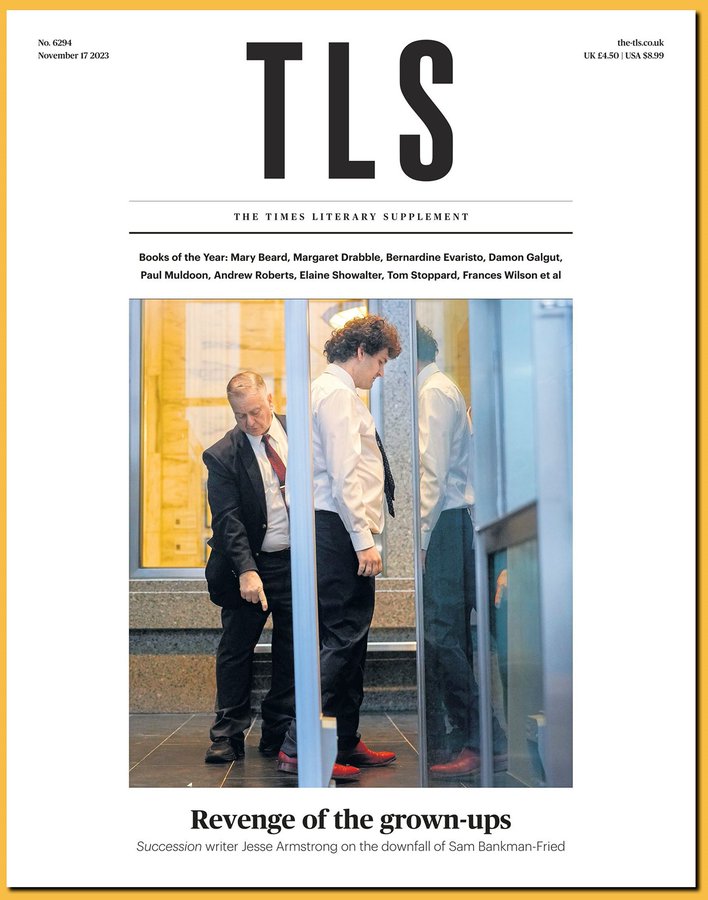
Times Literary Supplement (November 17, 2023): The new issue #TheTLS features Revenge of the grown-ups – The downfall of Sam Bankman-Fried; 2023 Books of the Year; the elusive Shakespeare; Simone Weil; Philosophers and public affairs – and more…
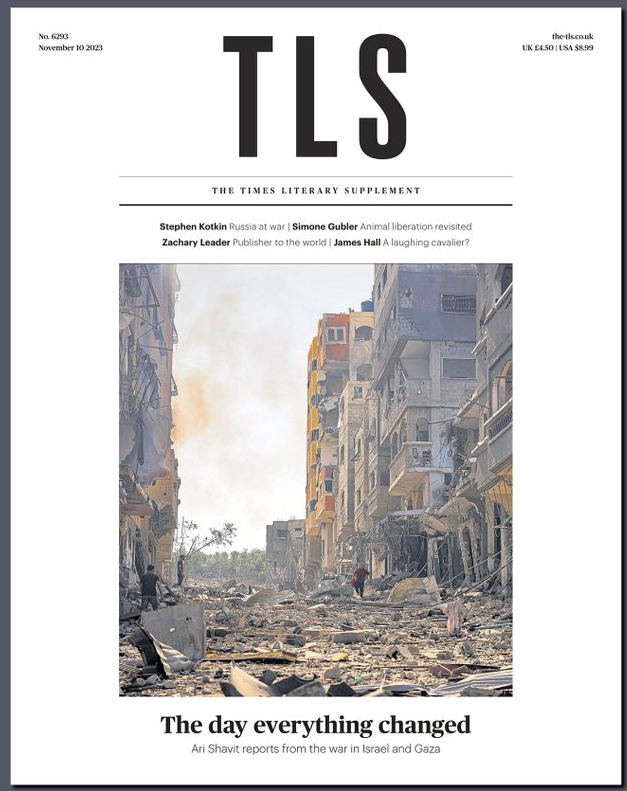
Times Literary Supplement (November 10, 2023): The new issue features The day everything changed – The war in Israel and Gaza; Russia at war; Animal liberation revisited; Publisher to the world; Maison Gainsbourg in Paris; and more…
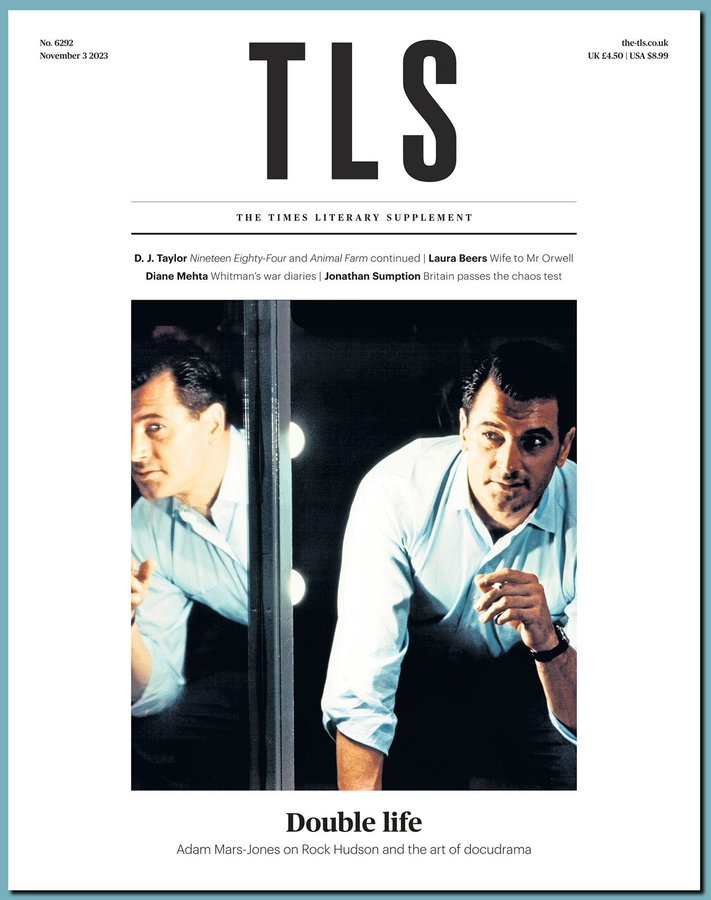
Times Literary Supplement (November 3, 2023): The new issue features Rock Hudson and the art of docudrama; Nineteen Eighty-Four and Animal Farm continued; Wife to Mr. Orwell; Whitman’s war diaries; Britain passes the chaos test and more…
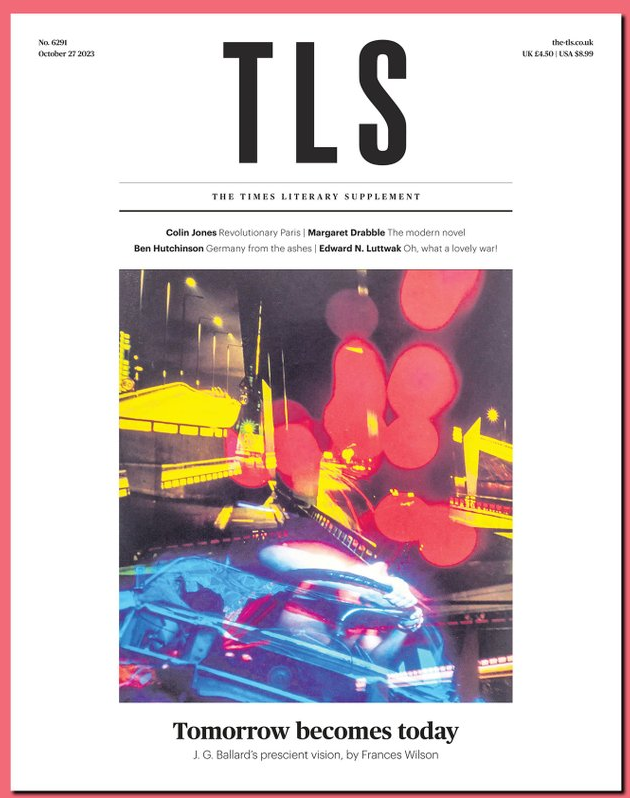
Times Literary Supplement (October27, 2023): The new issue features ‘Tomorrow becomes today’ – J.G. Ballard’s prescient vision; Revolutionary Paris; The modern novel; Germany from the ashes and Oh, what a lovely war!….
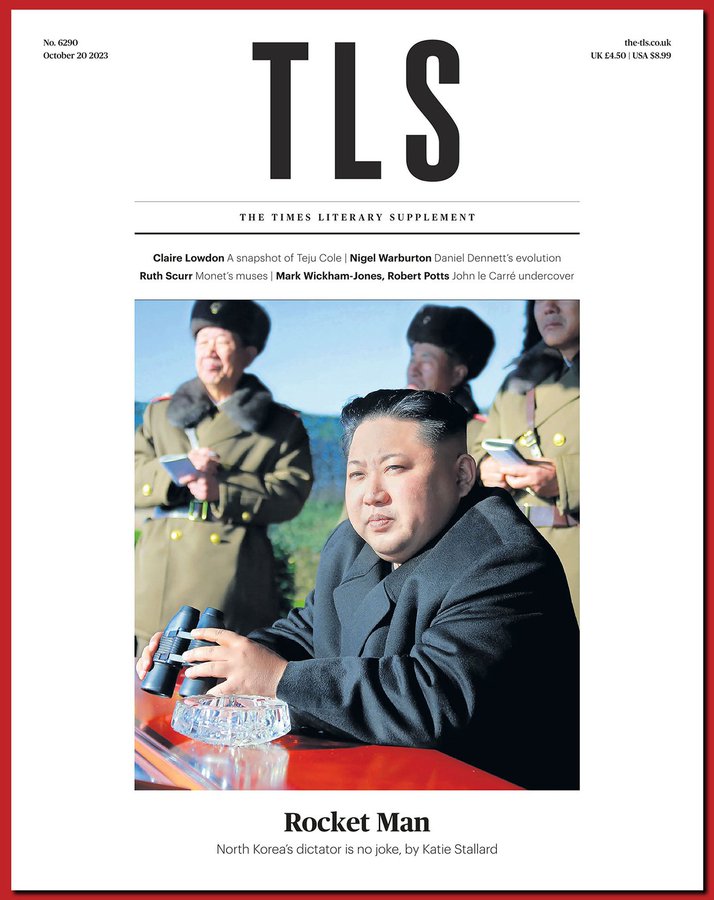
Times Literary Supplement (October20, 2023): The new issue features ‘Rocket Man’ – North Korea’s dictator is no joke; A snapshot of Teju Cole; Daniel Dennett’s evolution; Monet’s muses; John le Carré undercover, and more…

Times Literary Supplement (October13, 2023): The new issue features Deeper Truths – The spiritual quest of the Nobel Laureate Jon Fosse; ‘Woke Wars’ and identity politics; fashion and the Bloomsbury group; Jewish boxers in London; Elsa Morante’s princes and demons and ‘Free Will?’
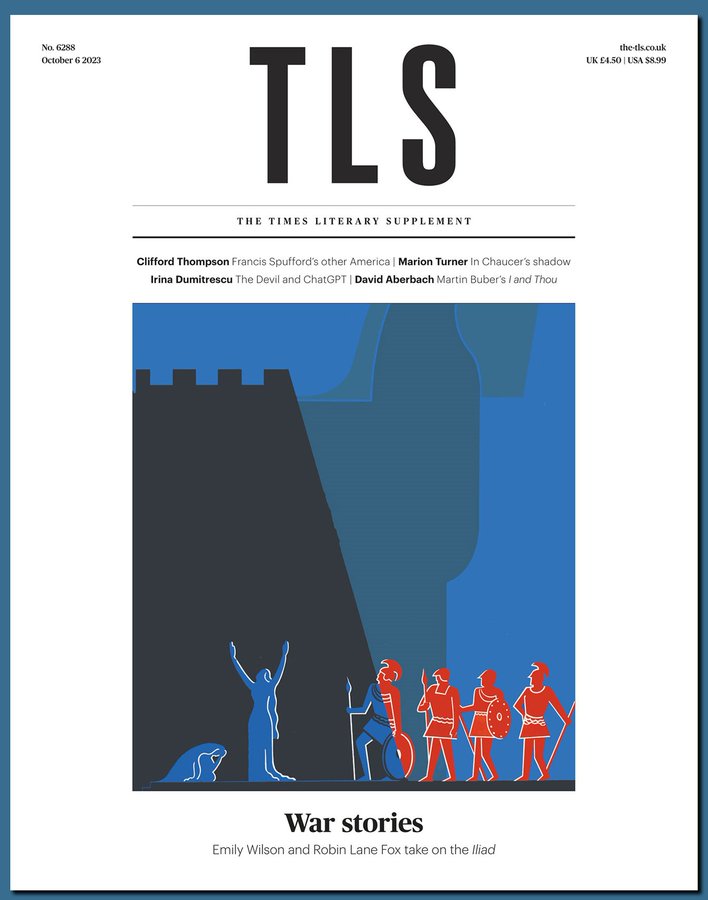
Times Literary Supplement (October 6, 2023): The new issue features War Stories – A review of the Iliad; Frances Sputford’s ‘Other America’; In Chaucer’s Shadow; The devil and ChatGPTand Martin Buber’s ‘I and Thou’…
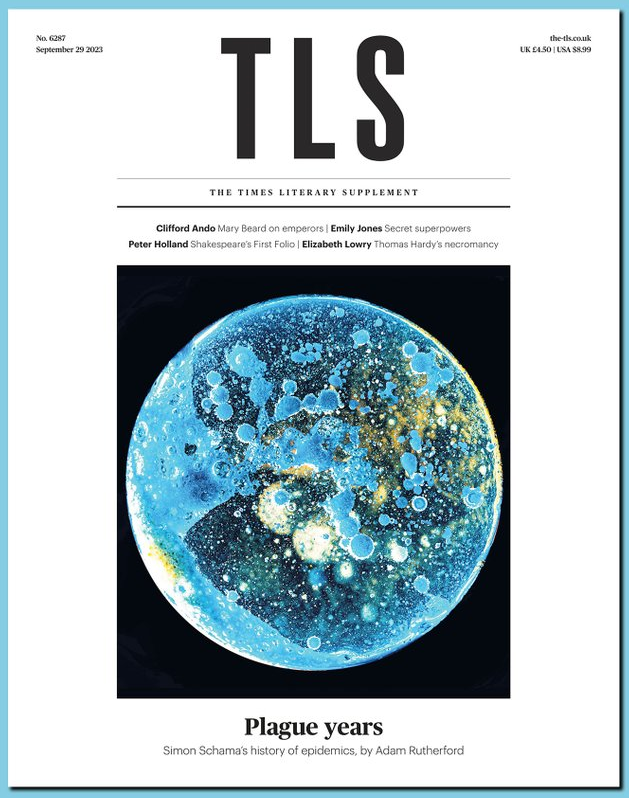
Times Literary Supplement (September 29, 2023): The new issue features The First Folio at 400; how disease shaped global history; novels of queer experience; what Britain laughs at; literary thefts and coincidences – and much more…

How disease has shaped global history
Scientists often make poor historians. Their shortcomings in describing and analysing the past include a failure to shed the whiggish stories that academic history moved away from decades ago. Straight lines are still drawn between Great Men and the impact of their brilliant insights on our view of reality. They also sometimes fail to treat the material of history with the seriousness they bring to their own discipline. Simple questions that are drummed into schoolchildren are frequently ignored in analysing documentary evidence: who wrote this, why, and for whom? The result is context-lite narrative that doesn’t stand up to scrutiny.

Works to commemorate the 400th anniversary of the First Folio
Next year, the Folger Shakespeare Library in Washington DC will reopen after a three-year closure for a large-scale renovation of its building, which dates from 1932. The centrepiece of the new Shakespeare Exhibition Hall, will be, as the press release puts it, something “that only the Folger could produce: all 82 copies of the 1623 First Folio of Shakespeare that were collected by Henry and Emily Folger”. The Folger holds slightly more than a third of all extant copies of the book and now eighty of them will be on permanent show in a “20-foot long visible vault”, while two more will be open in cases as part of an “interactive” visitor experience. Peering into the vault says much about the Folgers’ appetite for cornering the market in Folios but, since nearly all copies differ in some respects, it did make some kind of sense to buy many of them.

Times Literary Supplement (September 22, 2023): The new issue features Playing with Fire – The limitless ambition of Elon Musk; Peter Brown in an antique land; The new New Journalism; A literary critic and murderer; John Gray’s Hobbes for liberals, and more…

ELON MUSK by Walter Isaacson
Walter Isaacson’s intimate account of a tech titan
When Elon Musk was a child, his parents warned him against playing with fire. His response was to take a box of matches behind a tree and start lighting them. Scenes like this are frequent in Walter Isaacson’s new biography of Musk, who has become the world’s richest person thanks to his disdain for authority, instinct for the dramatic and “reality-bending wilfulness” (and because he has applied these traits to good ideas). Isaacson reports that the family’s motto is “Live dangerously – carefully”, but a more apt one might be the maxim quoted by Musk’s cousin Peter: “Risk is a type of fuel”.

The intellectual life of a pioneering historian of Late Antiquity
By Mary Beard
JOURNEYS OF THE MIND – A Life in History by Peter Brown
In the late 1970s, the historian Peter Brown dumped his old dinner jacket on a park bench in Berkeley, California. It was not just a minor act of charity to the local homeless, who may or may not have welcomed a cast-off “tuxedo”. Brown had recently moved from an academic career in Oxford and London to a post in the United States, and he was signalling to himself a new start in what seemed to be a more democratic, less hidebound educational system: more jeans and trainers than black tie. He has been based in America ever since.
 Boomers Daily