

0:15 These ‘robo-boots’ may improve balance – They provide a super-quick blast of assistance to your muscles helping you to stay upright. Scientists asked a healthy participant to stand on a moving floor wearing the exo-boots. Then ‘pulled the rug’ out from under them. They programmed the boots to work using the same delay as human reflexes or artificially faster than humanly possible. The exo-boots only improved balance when they worked faster than our natural response. It means that, one day, wearable exoskeletons could deploy lightning-quick reflexes to help people with balance impairment.
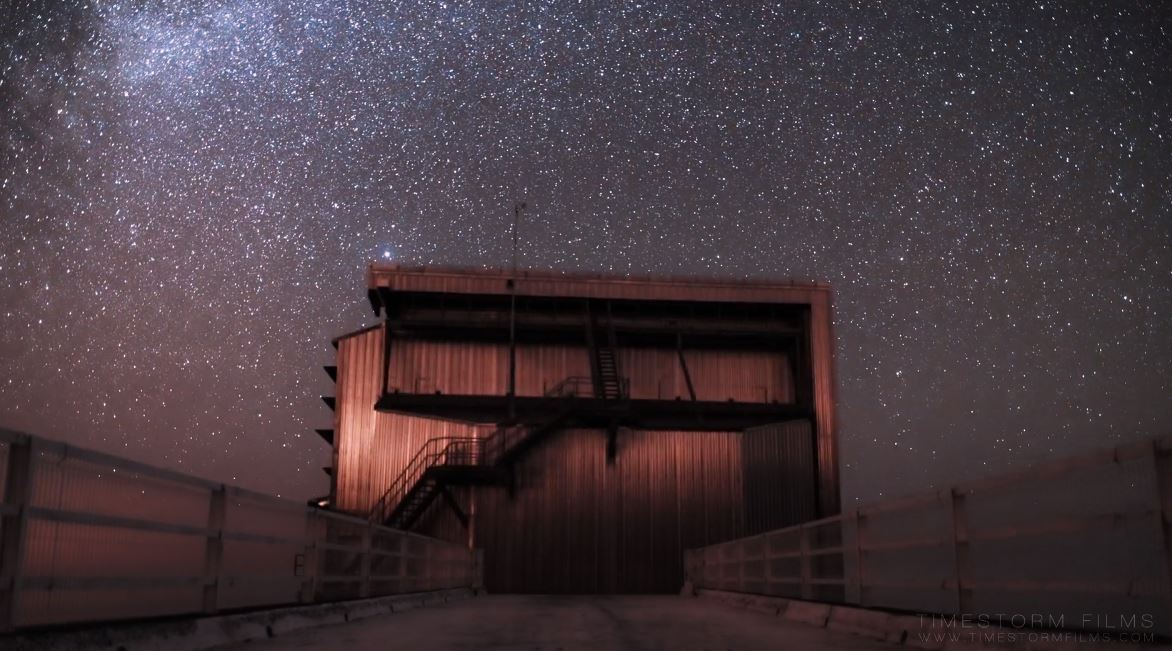
1:35 This new telescope could help explain dark energy – A new space telescope is being launched by the European Space Agency to help scientists build a 3D map of the universe by photographing billions of galaxies up to 10 billion light years away – across more than a third of the sky. Around 95% of the universe is ‘dark matter’ or ‘dark energy’ which doesn’t fit into our cosmological models. The super-sensitive telescope will effectively enable us to look back in time to how distant galaxies looked 10 billion years ago and to see how dark energy accelerated the expansion of the universe.
3:10 How to build earthquake proof buildings – When an earthquake strikes, it creates horizontal forces that shake the building from left to right. Concrete is very strong when compressed, but it has little flexibility, and when stretched, as it is during an earthquake, it’s liable to crack. So to create earthquake resistant buildings, designers add a flexible steel skeleton known as rebar. The steel is elastic and springs the building back into shape. Sometimes, when tension is too high, the steel may warp permanently. This is advantageous, though, because it keeps the building upright, enabling people to escape. There are other ways to make earthquake resistant buildings. Watch the video to learn more.
4:34 Climate doom is a dangerous myth – It’s the most common false claim about climate change, especially among young people. Some experts believe it’s more damaging than climate denialism. In fact, scientists say, it’s not too late to arrest global warming. Global temperatures will stabilize a few years after we reach net zero and the belief that it’s pointless trying to stop climate change only leads to inaction. Making it as unhelpful as denying climate change altogether.
_____________________________________________
The World Economic Forum is the International Organization for Public-Private Cooperation. The Forum engages the foremost political, business, cultural and other leaders of society to shape global, regional and industry agendas. We believe that progress happens by bringing together people from all walks of life who have the drive and the influence to make positive change.



 Boomers Daily