

Special delivery – mRNA moves past COVID-19
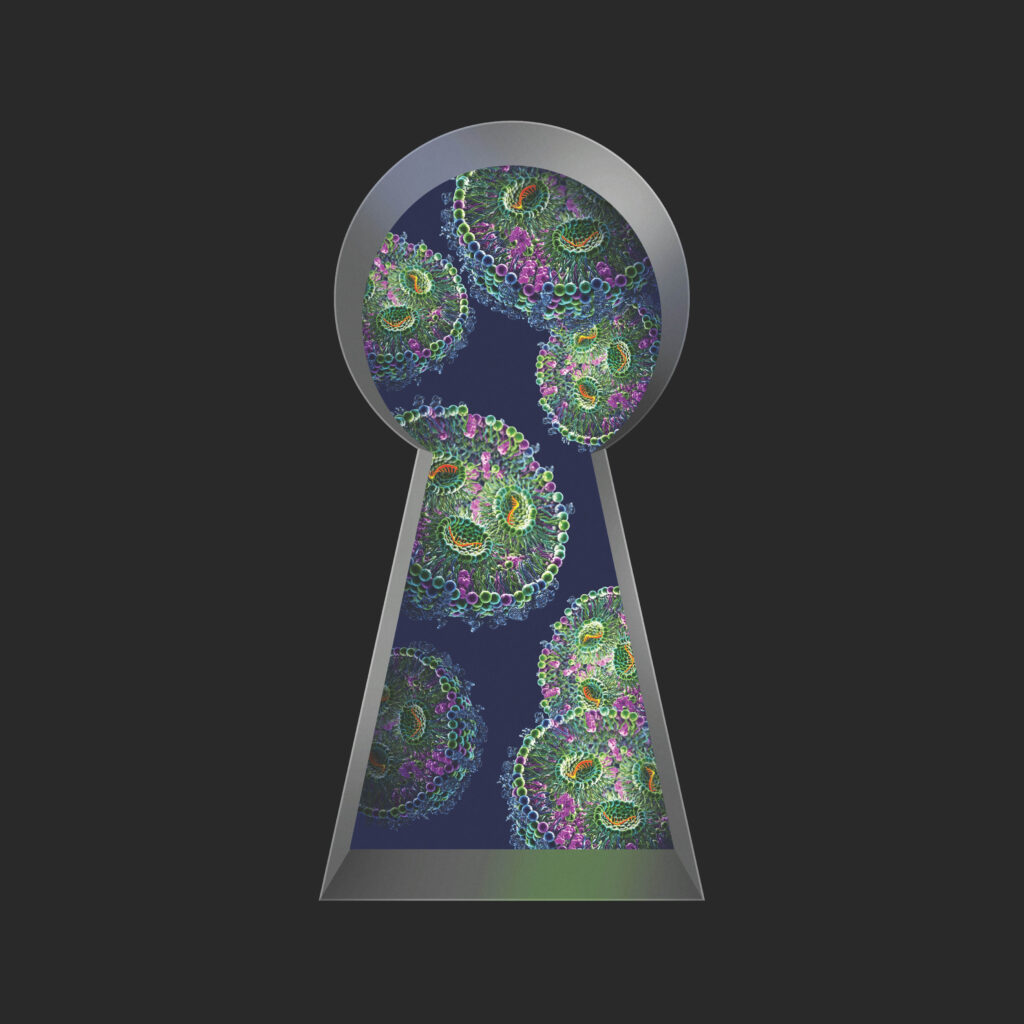
Catastrophe occasionally apologizes for itself by coughing up a consolation prize. World War II gave us penicillin. So, let’s count our blessings.
The COVID-19 pandemic, from which we’re still struggling to emerge, has expanded our working vocabulary, gifting the public lexicon with new, if admittedly mostly gloomy, words and concepts. (Examples: spike protein, intubation, N95, rapid antigen test.) We may not flood our speech with these terms, but we’re at least passingly familiar with them now.
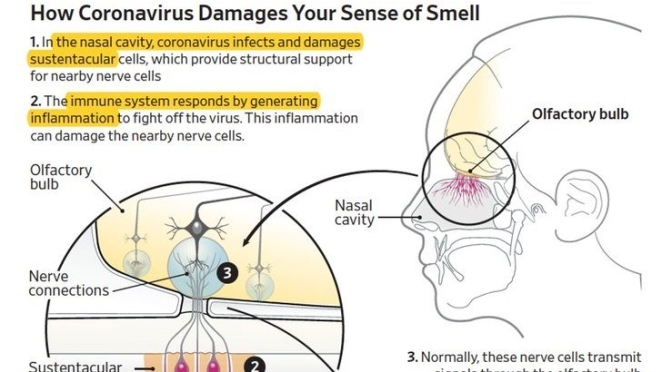
Sniff – Making sense of smell
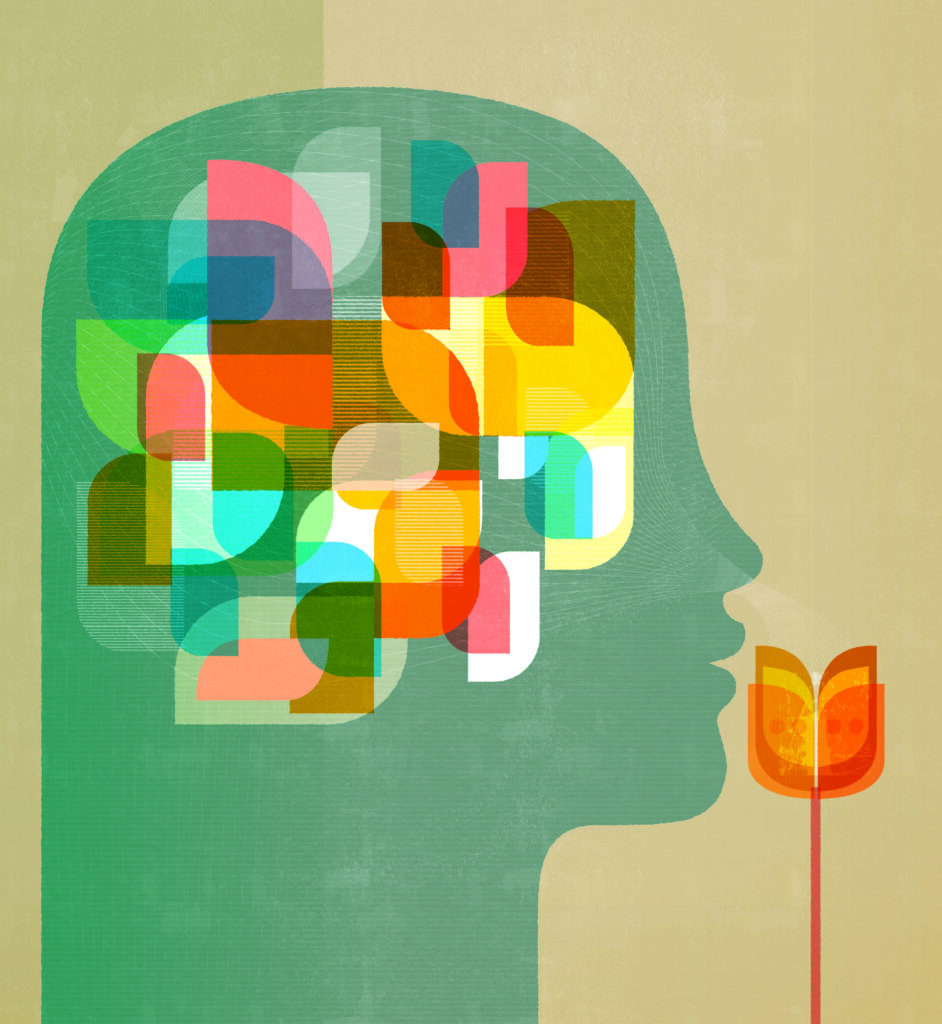
Among the human senses, smell — or more formally, olfaction — is often considered the most dispensable. In a recent survey, 1 in 6 college students said they would rather lose their sense of smell than their little left toe, and 1 in 4 would forgo their sense of smell to keep their phone.
By Nina Bai
But for people who’ve found themselves suddenly unable to smell — a more common predicament since the COVID-19 pandemic — the loss can be surprisingly, profoundly devastating.

 Listen to the latest science updates, with Benjamin Thompson and Shamini Bundell. This week, insights into the evolution of walking upright, how science needs to change in the next 150 years, and the remaining hurdles for vaccination.
 Boomers Daily