

 Science Editor-in-Chief Holden Thorp joins host Sarah Crespi to discuss his editorial on preventing vaccine hesitancy during the coronavirus pandemic. Even before the current crisis, fear of vaccines had become a global problem, with the World Health Organization naming it as one of the top 10 worldwide health threats in 2019. Now, it seems increasingly possible that many people will refuse to get vaccinated. What can public health officials and researchers do to get ahead of this issue?
Also this week, Sarah talks with Science Senior Correspondent Jon Cohen about his story on Chinese scientist Shi Zhengli, the bat researcher at the center of the COVID-19 origins controversy—and why she thinks President Donald Trump owes her an apology.
Finally, Geert Van der Snickt, a professor in the conservation-restoration department at the University of Antwerp, talks with Sarah about his Science Advances paper on a new process for peering into the past of paintings. His team used a combination of techniques to look beneath an overpainting on the Ghent Altarpiece by Hubert and Jan Van Eyck—a pivotal piece that showed the potential of oil paints and even included an early example of painting from an aerial view.
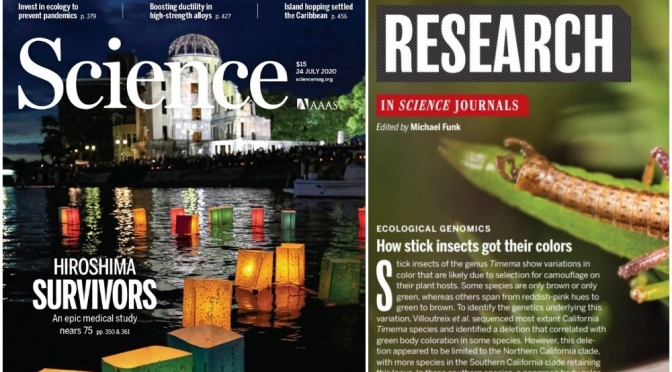
Contributing Correspondent Dennis Normile talks about a long-term study involving the survivors of the Hiroshima and Nagasaki bombings. Seventy-five years after the United States dropped nuclear bombs on the two cities in Japan, survivors are still helping scientists learn about the effects of radiation exposure.
Also this week, Sarah talks with Winnie Lau, senior manager for preventing ocean plastics at Pew Charitable Trusts about her group’s paper about what it would take to seriously fight the flow of plastics into the environment. This week’s episode was produced with help from Podigy.
Contributing correspondent Kai Kupferschmidt talks with host Sarah Crespi about the success of a fast moving megatrial for coronavirus treatments. The United Kingdom’s Recovery (Randomized Evaluation of COVID-19 Therapy) trial has enrolled more than 12,000 hospitalized coronavirus patients since early March and has released important recommendations that were quickly taken up by doctors and scientists around the world.
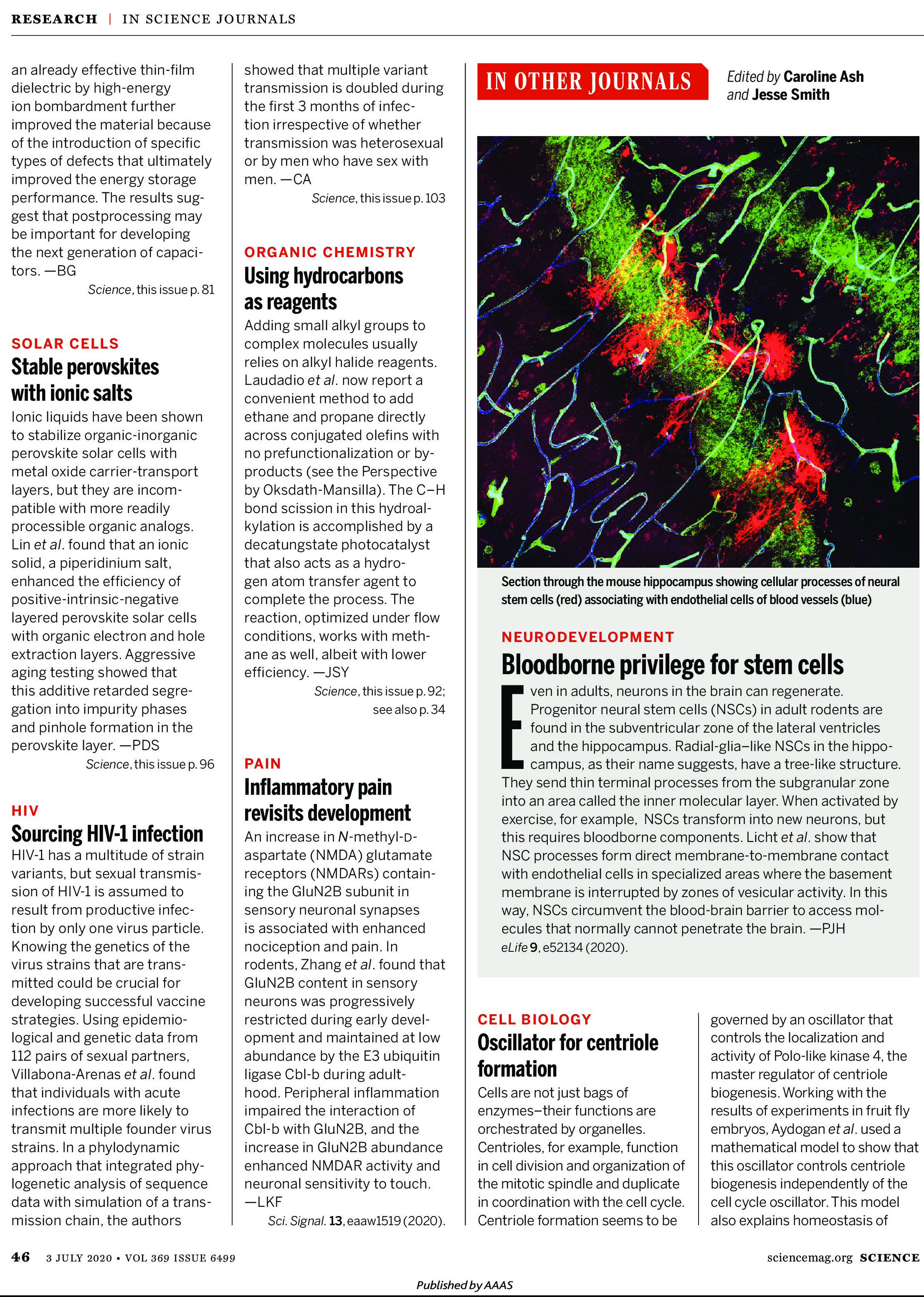
Kupferschmidt discusses why such a large study is necessary and why other large drug trials like the World Health Organization’s Solidarity trial are lagging behind. Also this week, producer Meagan Cantwell talks with Saul Villeda, a professor in the Department of Anatomy at the University of California, San Francisco, about transferring the beneficial effects of exercise on the brain from an active mouse to a sedentary mouse by transferring their blood.

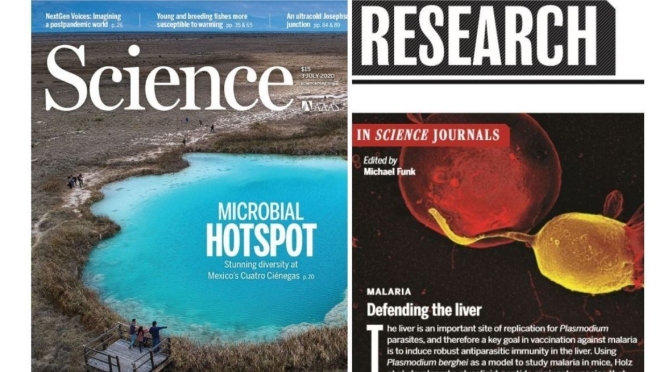
First up this week, News Intern Rodrigo Pérez-Ortega talks with host Meagan Cantwell about an oasis of biodiversity in the striking blue pools of Cuatro Ciénegas, a basin in northern Mexico. Researchers have published dozens of papers exploring the unique microorganisms that thrive in this area, while at the same time fighting large agricultural industries draining the precious water from the pools.
David Tatnell, a postgraduate researcher at the University of Exeter, talks with host Sarah Crespi about using heat to make sound, a phenomenon known as thermoacoustics. Just like the sound of fire or thunder, sudden changes in temperature can create sound waves. In his team’s paper in Science Advances, Tatnell and colleagues describe a thermoacoustic speaker that uses thin, heated films to make sound. This approach cuts out the crosstalk seen in mechanical speakers and allows for extreme miniaturization of sound production. In the ultrasound range, arrays of thermoacoustic speakers could improve acoustic levitation and ultrasound imaging. In the hearing range, the speakers could be made extremely small, flexible, and even transparent.

 Boomers Daily