Tag Archives: Retail

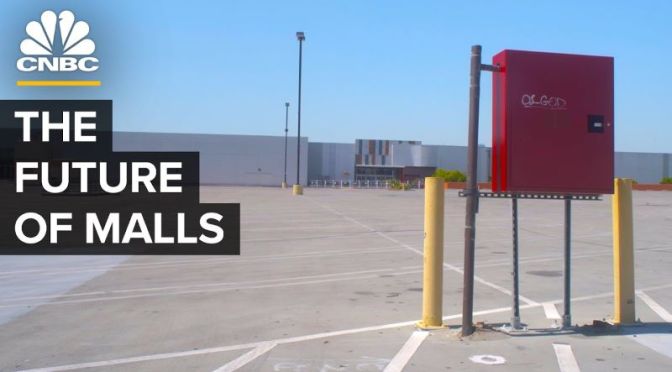
Analysis: ‘Why U.S. Malls Are Disappearing’ (Video)

Shopping malls in the U.S. were already in decline before the Covid-19 pandemic as consumers shifted away from traditional brick-and-mortar stores to e-commerce. The outbreak has only exacerbated the challenges at malls as social distancing has placed restrictions on stores, movie theaters and restaurants.

So what will become of malls in America after the pandemic ends? Shopping malls across the U.S. have been reeling as restaurant and retail tenants struggle to keep their doors open. Data compiled by Coresight Research shows about a quarter of U.S. malls could close over the next three to five years, accelerating a trend that began before the pandemic.

Simon Property Group — the nation’s biggest mall owner — said earlier this month that its fourth-quarter revenue dropped by 24% on a year-over-year basis to $1.1 billion. However, some analysts think Simon — with its portfolio of A-rated malls and a healthy balance sheet — will benefit as distressed malls operated by its rivals close their doors. The company is also expected to see gains from new additions like hotels and luxury residences.

“Unfortunately there are a lot of centers that don’t fit that high profile and that have lost their competitive edge,” said Piper Sandler analyst Alexander Goldfarb. “The thing about Simon is they’ve been really focused on maintaining it, and that’s both been through a combination of culling the lower productive centers as well as making sure that they keep investing in their top centers.”

Simon Property Group CEO David Simon said the company is also getting a lift from increasing traffic at some of its locations and from tenants paying their rent on time. Malls are a big tax driver for the communities they serve and employ lots of people locally. Watch the video above to find out more about the struggles U.S. malls face and what could become of them after the pandemic ends.

Retail Psychology: ‘How Museum Gift Shops Decide What To Sell’ (Video)

Gift shops are like the final exhibit of an art museum. They’re often located toward the exit and are unmissable on your way out the door. Souvenirs inside can range from Vincent Van Gogh socks to giant stuffed soup cans to Mona Lisa rubber ducks.

But how do gift shop curators decide what to sell? Stocking decisions often revolve around how curators want visitors to perceive the art lining museum walls. When you see a certain piece of art on a lot of merchandise, that usually means curators think that artwork is important. And thanks to a psychological phenomenon called the mere-exposure effect, the more you see that art, the more you begin to think it’s important.

Read more about this from Micaela Marini Higgs at Vox: https://www.vox.com/the-goods/2018/11…

Analysis: What Makes ‘Costco’ So Successful

Costco is one of the biggest and most successful retailers in the country. In this video, WSJ’s Sarah Nassauer dissects the wholesaler’s unique approach to doing business. Photo: Qian Weizhong/ZUMA Press

Luxury Brands: ‘Why Some Watches Are So Expensive’

Expensive materials, delicate craftsmanship, and an economic principle that turns the usual equation of supply and demand on its head. WSJ explains why some watchmakers can charge hundreds of thousands of dollars for a single timepiece. Illustration: Alex Kuzoian/WSJ

Analysis: Rise Of 7-Eleven Convenience Stores

7-Eleven, home of the 64-ounce Double Gulp and the Pina Colada Slurpee, has helped revolutionize the way we shop at convenience stores. In March 2019, the 90-year-old brand launched its first Evolution Store. Featuring fresh food options and specialty alcohol, the new store concept is aimed at a new generation of consumers. And with consumer behavior changing due to Covid-19, the convenience store industry could be on the verge of a profound change.

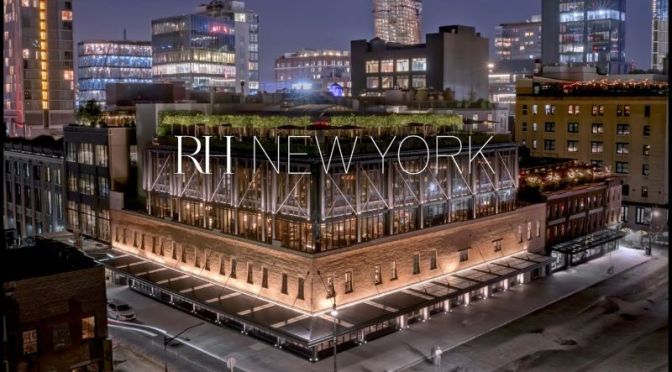
Analysis: Can ‘Restoration Hardware – RH’ Become A Global Luxury Brand?

COVID-19 has dealt a harsh blow to countless retailers, many of which were already struggling. However, RH, formerly Restoration Hardware, is doing rather well. The company’s stock price had cratered in March 2020 and struggled in early April, as forced lockdowns endangered retail. But by December 2020, shares had rebounded and risen more than 110 percent since the beginning of the year. RH is now ambitiously trying to turn it into a global luxury brand providing an array of services.

Future Deliveries: U.S. To Allow Small Drones To Fly Over People At Night (2021)

Small drones will be allowed to fly over people and at night in the United States, the Federal Aviation Administration (FAA), a significant step toward their use for widespread commercial deliveries.

Commerce: ‘Will Digital Payments Replace Cash?’

Is cash still king? The coronavirus pandemic may cause a drastic decline in cash usage due to the risk of contamination. The unprecedented surge in the demand for contactless payment has also shown outstanding performances for major companies offering cashless payment methods, like Apple, Square and Paypal. Could covid-19 signal the end of cash in the United States and can the U.S. really function without physical currency?

Online: ‘Inside Amazon’s Smart Warehouse’ (Video)

Amazon is the world’s biggest retailer, and its CEO Jeff Bezos the world’s richest man, for one very good reason. His company is better than anyone else, ever, at giving people what they want, quickly. Amazon acquired its undisputed status as heavyweight champion of the retail universe thanks largely to its lightning-fast delivery times.

The astonishing feat of ferrying hundreds of millions of items, from guitar strings to saucepans to car parts, directly to your door, inside 24 hours, is nothing short of a modern logistical miracle. So how does Amazon do it? A super-smart army of slave robots, for one. Ingenious, if occasionally unscrupulous, management practices are part of the answer too.

And the modern-day voodoo of deep-learning AI – all of which are made flesh in the most advanced stockrooms the world has ever seen. So join us today, as we button up our hi-vis jacket and journey inside Amazon’s smart warehouses.