
Hollywood movie aside, just how good a physicist was Oppenheimer?
A-bomb architect “was no Einstein,” historian says, but he did Nobel-level work on black holes

A-bomb architect “was no Einstein,” historian says, but he did Nobel-level work on black holes

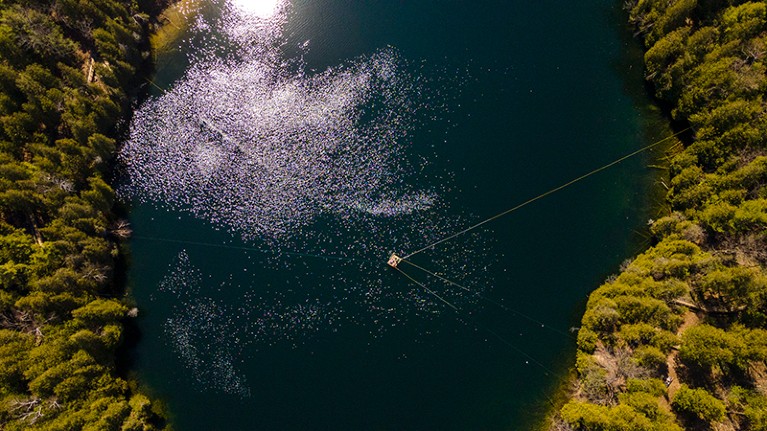
The dawn of a new geological epoch is recorded in the contaminated sediment at the bottom of Crawford Lake in Canada.
The official marker for the start of a new Anthropocene epoch should be a small Canadian lake whose sediments capture chemical traces of the fallout from nuclear bombs and other forms of environmental degradation. That’s a proposal out today from researchers who have spent 14 years debating when and how humanity began altering the planet.
To smooth the path of the quantum revolution, researchers and governments must predict and prepare for the traps ahead.
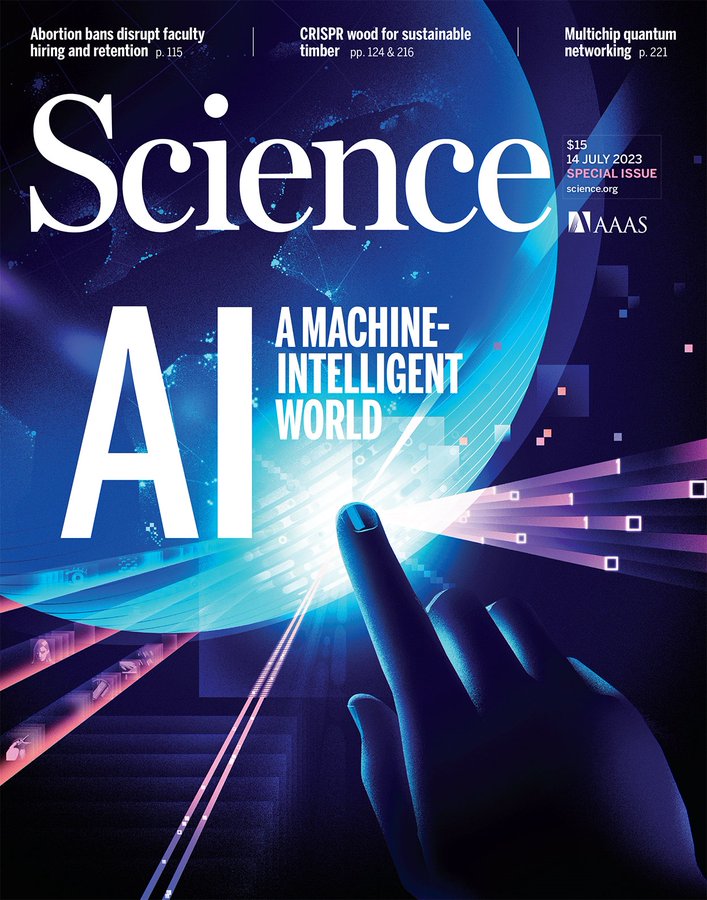

Huge strides have been made in the development of machine-learning algorithms to generate what is commonly called artifi cial intelligence (AI). Looking to the forefront of how AI is being used in science and society reveals many benefi ts, as well as grand challenges, that must be addressed.
Despite advances in molecular biology, genetics, computation, and medicinal chemistry, infectious disease remains an ominous threat to public health. Addressing the challenges posed by pathogen outbreaks, pandemics, and antimicrobial resistance will require concerted interdisciplinary efforts.
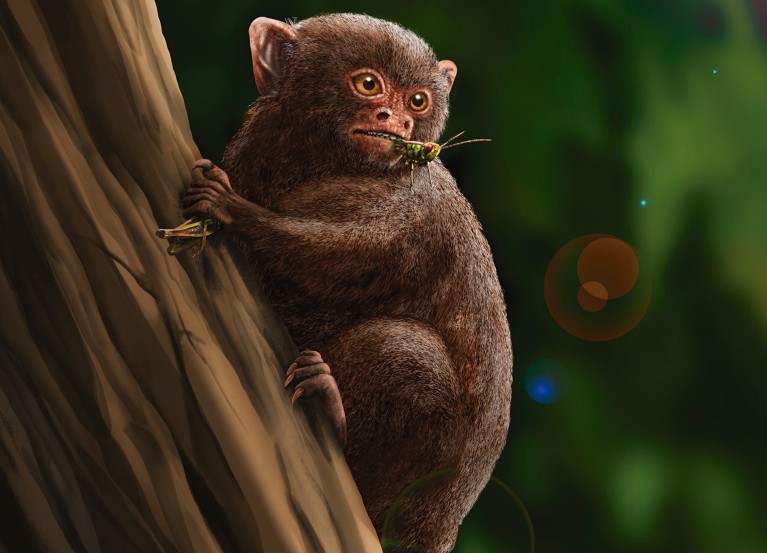
Analysis suggests that three types of primate made the transoceanic journey to South America from Africa millions of years ago.
Some of the first primates to reach South America might have been tiny, insect-loving monkeys that had been swept out to sea.
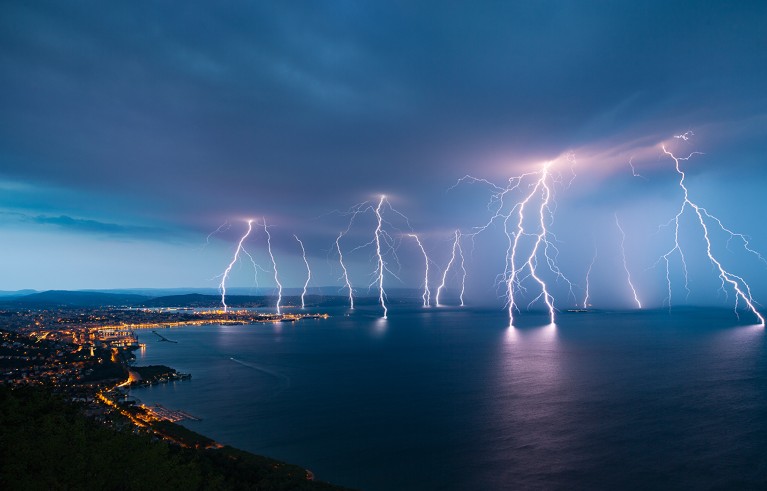
Coverage of wispy cirrus clouds is linked to episodes of electrical activity.
Lightning is typically seen when imposing cumulonimbus clouds fill the sky. But new research shows that these bolts of electricity can also be used to forecast thin and wispy clouds that warm the world by reflecting heat back to the surface.

Amateur astronomer Koichi Itagaki is one of the most prolific supernova hunters of all time
Half-billion-year-old tunicate from western Utah “looks like it died yesterday”
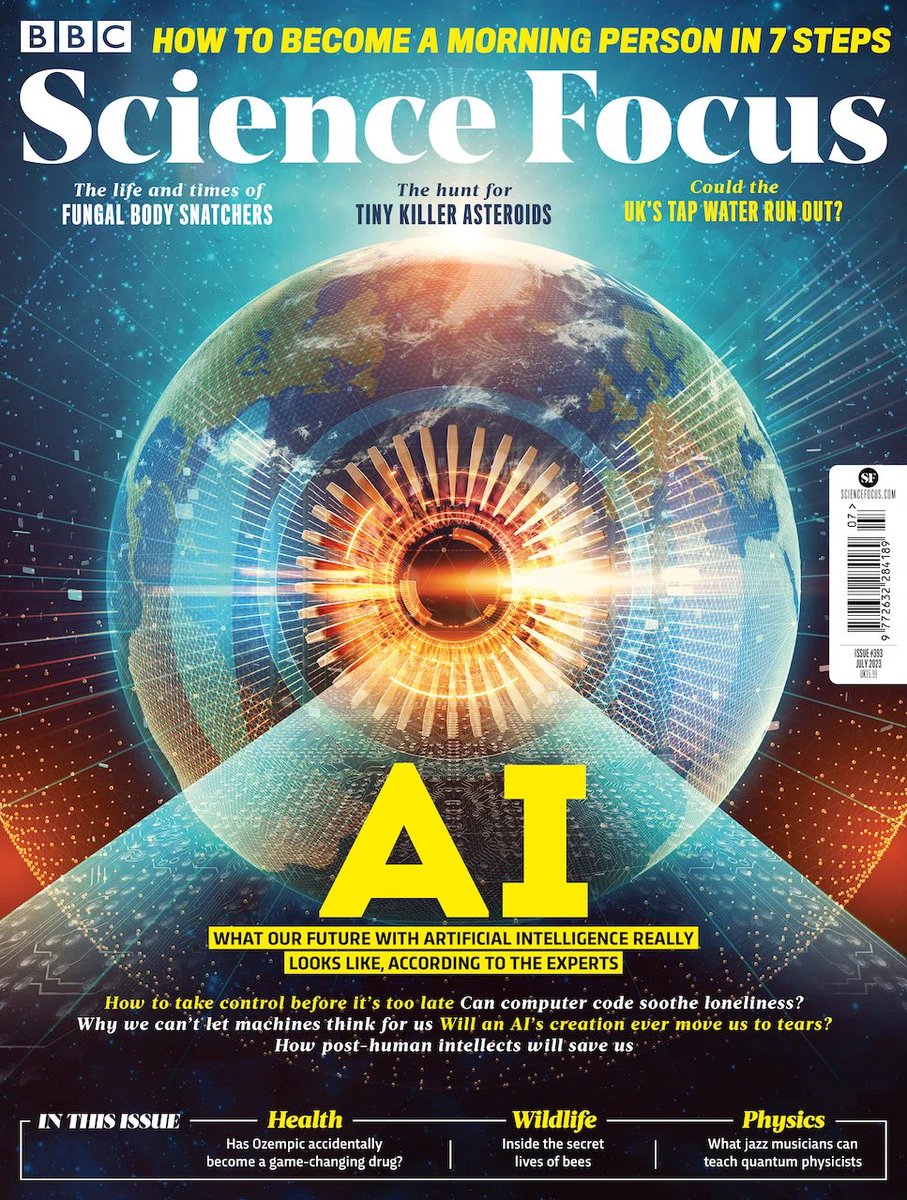


OpenAI is back in the headlines with news that it is updating its viral ChatGPT with a new version called GPT-4. But when will this be available, how does it work and can you use it?

Artificial intelligence art generators train themselves on art pulled straight from the internet… but what happens when most of the art out there is now made by AI?
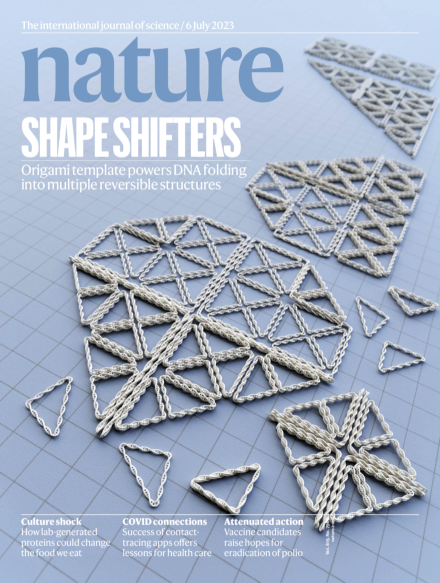
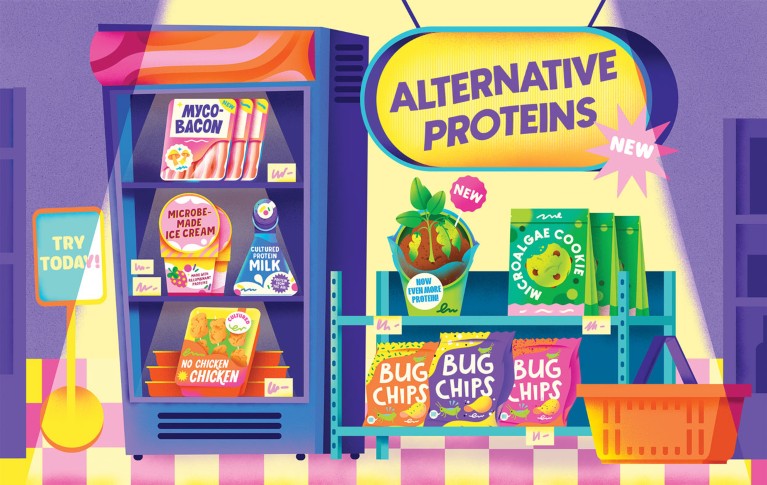
Humanity needs to eat less meat. Here are seven alternatives.
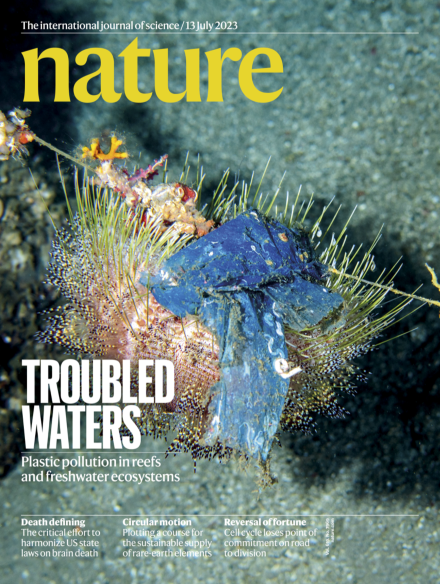
Would you eat a burger enriched with mealworms? Fake bacon sliced from a mass of fermented fungi? Milk proteins extruded by microbes? Maybe you already have. Dozens of companies are now banking on these alternatives to animal protein becoming a regular part of your diet.
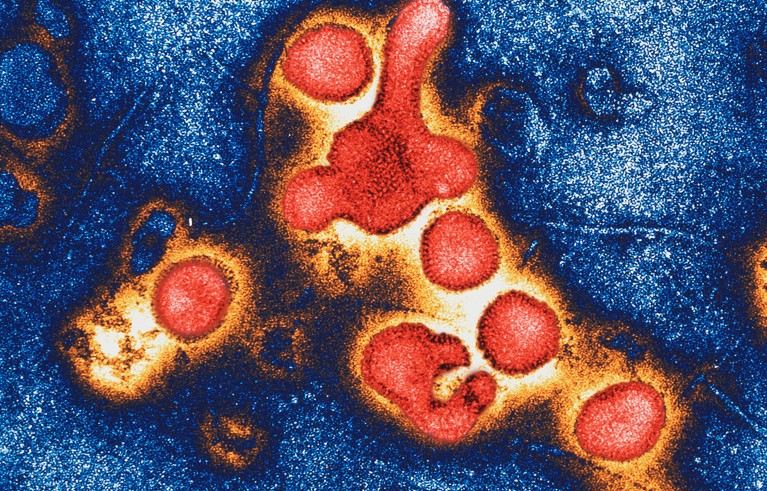
Complexes formed from ‘nanobodies’ and an antiviral drug halt infection in its tracks.
A dynamic duo comprising an antiviral drug joined to an antibody fragment provides strong protection against the two main types of influenza that infect humans, according to research in mice.


Subtle shifts in stellar signals reveal pervasive waves from mergers of giant black ho
Scientists are learning how to cryopreserve living tissues, organs, and even whole organisms, then bring them back to life
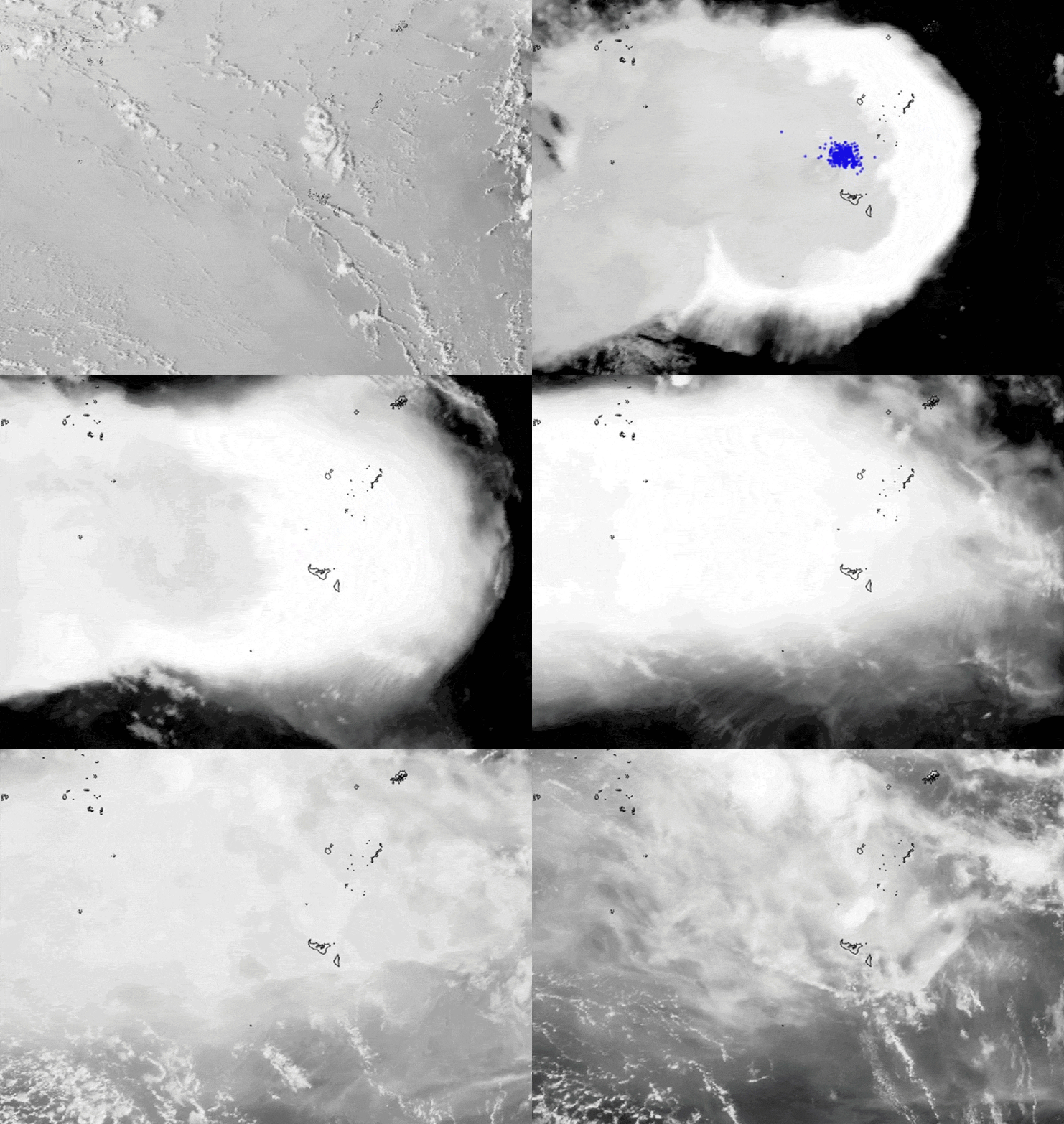
The huge eruption of the Hunga Tonga–Hunga Ha‘apai volcano generated more than 2,600 lightning flashes per minute.

Freely accessible large language models have accelerated the pace of innovation, computer scientists say.
The craze for generative artificial intelligence (AI) that began with the release of OpenAI’s ChatGPT shows no sign of abating. But while large technology companies such as OpenAI and Google have captured the attention of the wider public — and are finding ways to monetize their AI tools — a quieter revolution is being waged by researchers and software engineers at smaller organizations.
Mock embryos created by multiple groups recapitulate developmental events beyond implantation
A European space telescope sets off to discover the nature of dark energy—the biggest ingredient in the universe
An MIT class exercise suggests AI tools can be used to order a bioweapon, but some are skeptical
 Boomers Daily