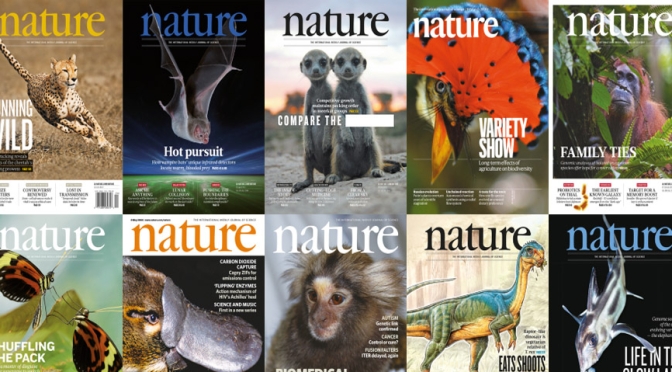
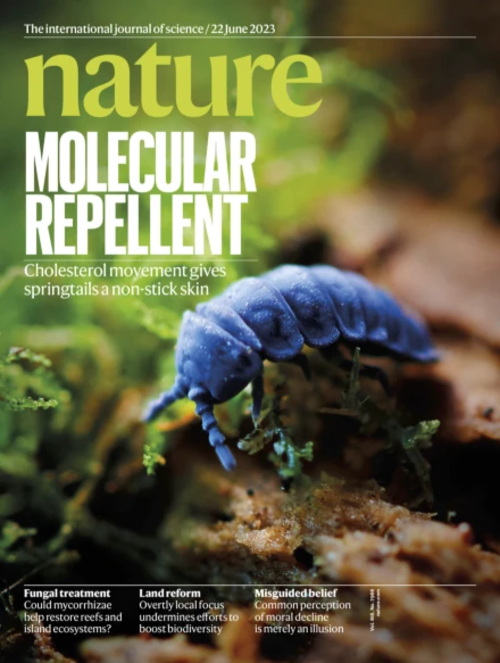
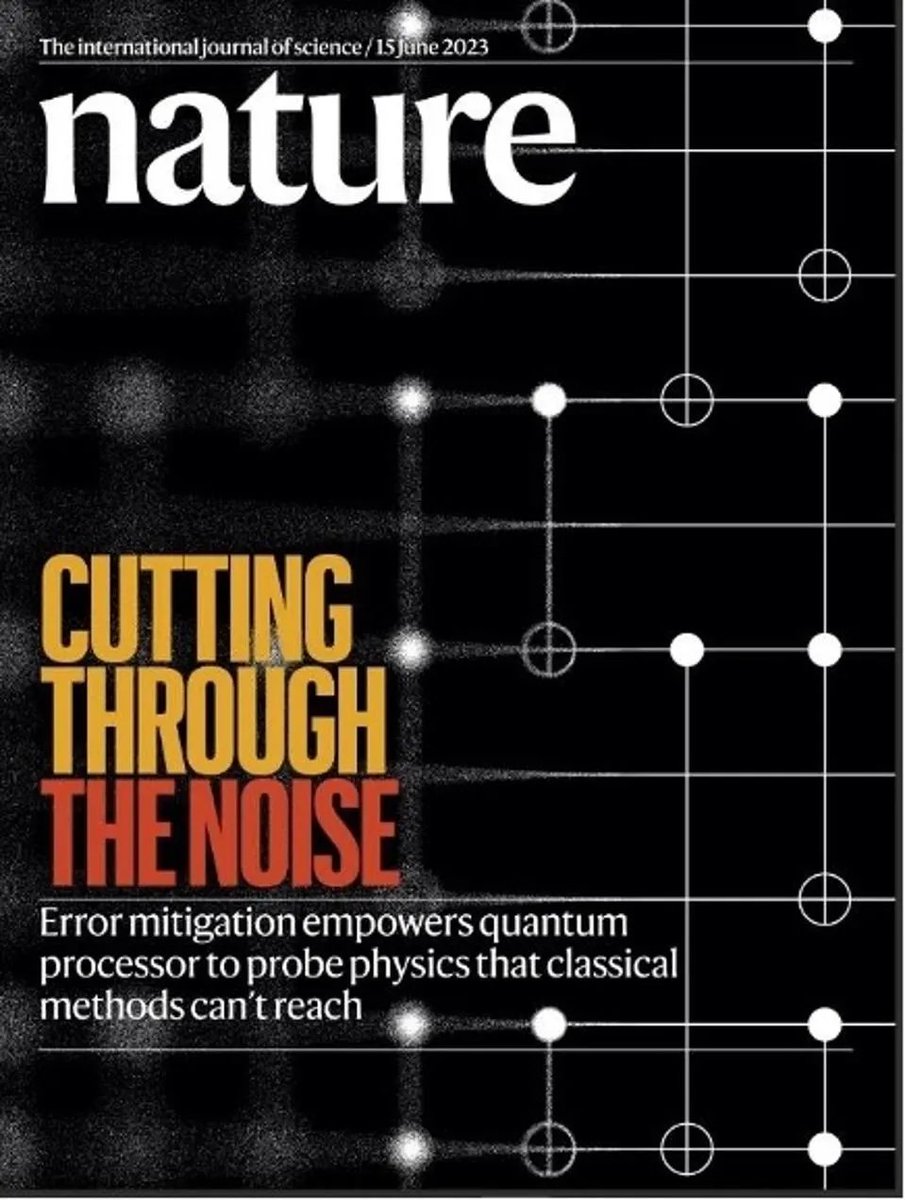
nature Magazine -June 22, 2023 issue: 00:45 Why losing the Y chromosome makes bladder cancer more aggressive; How pollution particles ferry influenza virus deep into the lungs, and why artificial lights could dazzle glow worms into extinction.
Science Magazine – June 16, 2023 issue: A wild little penguin (Eudyptula minor) stands silhouetted against the city of Melbourne, Australia. Increasing levels of light pollution are having adverse effects on humans and the natural world.
For most of history, the only lights made by humans were naked flames. Daily life was governed by the times of sunrise and sunset, outdoor nighttime activities depended on the phase of the Moon, and viewing the stars was a common and culturally important activity. Today, the widespread deployment of outdoor electric lighting means that the night is no longer dark for most people—few can see the Milky Way from their homes. Outdoor lighting has many legitimate uses that have benefited society. However, it often leads to illumination at times and locations that are unnecessary, excessive, intrusive, or harmful: light pollution.
Data on shark populations in coral reefs raise concern and hope for recovery
Sharks and their relatives are some of the most threatened vertebrates on Earth, with approximately one-third estimated or assessed as threatened with extinction (1). This is a major problem because as predators that help keep the food web in balance, these animals play a variety of vitally important ecological roles (2) and in doing so help to keep healthy many ecosystems that humans depend on. Coral reefs provide homes for countless fish species that are vital for fisheries and are therefore an especially important ecosystem for humans—and one where the decline of shark populations seems to be especially acute
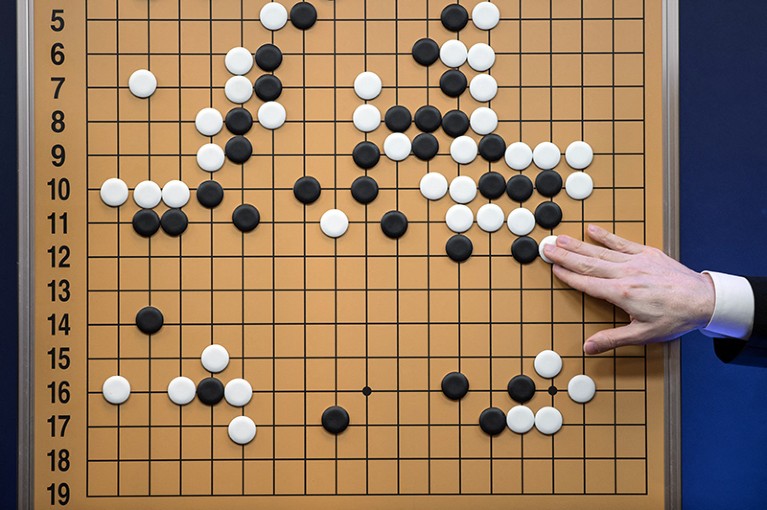
The technology developed by DeepMind that plays Go and chess can also help to write code.
An artificial intelligence (AI) system based on Google DeepMind’s AlphaZero AI created algorithms that, when translated into the standard programming language C++, can sort data up to three times as fast as human-generated versions.
“We were a bit shocked,” said Daniel Mankowitz, a computer scientist at DeepMind who led the work. “We didn’t believe it at first.”
Large sections of the Kakhovka dam have collapsed, unleashing catastrophic floods. Credit: Satellite image (c) 2023 Maxar Technologies via Getty
Extensive flooding could have severe consequences for farming, health and the environment.
The 66-year-old Kakhovka dam on the Dnieper River in south Ukraine collapsed on the morning of 6 June after a suspected explosion, triggering a catastrophic humanitarian and environmental crisis.
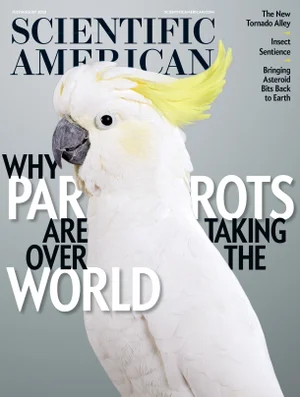
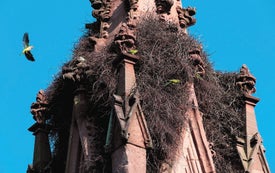
At Brooklyn’s Green-Wood Cemetery the living get as much attention as the dead. Groundskeepers maintain the 478-acre historic landmark as an arboretum and habitat for more than 200 breeding and migratory bird species. But many visiting wildlife lovers aren’t interested in those native birds. They’re at the entryway, their binoculars trained on the spire atop its Gothic Revival arches. They’ve come to see the parrots.
Exposure to extreme heat can damage the central nervous system, the brain and other vital organs, and the effects can set in with terrifying speed, resulting in heat exhaustion, heat cramps or heatstroke. It also exacerbates existing medical conditions such as hypertension and heart disease and is especially perilous for people who suffer from chronic diseases. The older population is at high risk, and children, who may not be able to regulate their body temperatures as effectively as adults in extreme conditions, are also vulnerable.
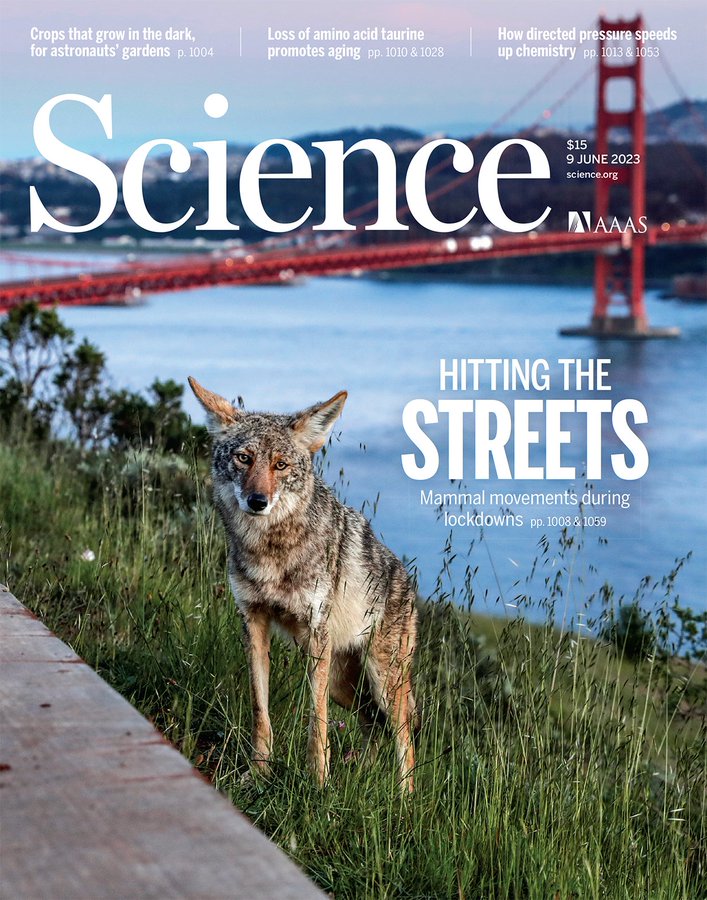
Science Magazine – June 9, 2023 issue: In response Covid-19 lockdowns that severely altered human mobility, with many people confined to their homes, animals such as the coyote (Canis latrans) traveled longer distances and occurred closer to roads. These changes suggest that animals can modify their behavior in response to rapid changes in human mobility.
Anthropologists praise Homo naledi fossils but doubt spectacular claims of intentional burial and art
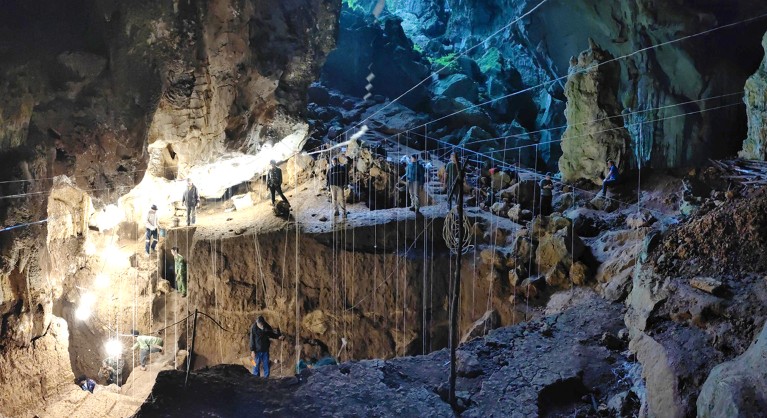
A trio of papers posted online and presented at a meeting today lays out an astonishing scenario. Roughly 240,000 years ago, they suggest, small-brained human relatives carried their dead through a labyrinth of tight passageways into the dark depths of a vast limestone cave system in South Africa. Working by firelight, these diminutive cave explorers dug shallow graves, sometimes arranging bodies in fetal positions and placing a stone tool near a child’s hand. Some etched cave walls with crosshatches and others cooked small animals in what amounted to a subterranean funeral, more than 100,000 years before such behaviors emerged in modern humans.
Crops grown without sunlight could help feed astronauts bound for Mars, and someday supplement dinner plates on Earth
For the first astronauts to visit Mars, what to eat on their 3-year mission will be one of the most critical questions. It’s not just a matter of taste. According to one recent estimate, a crew of six would require an estimated 10,000 kilograms of food for the trip. NASA—which plans to send people to Mars within 2 decades—could stuff a spacecraft with prepackaged meals and launch additional supplies to the Red Planet in advance for the voyage home. But even that wouldn’t completely solve the problem.
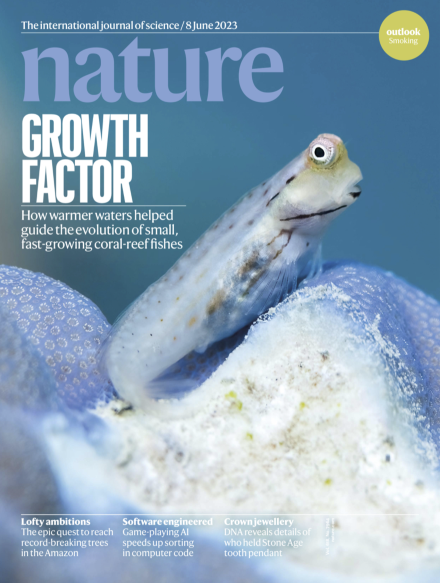
nature Magazine – June 8, 2023 issue: Coral reef fishes, such as the blenny Ecsenius stictus pictured on the cover, are diverse, abundant and grow quickly. In this week’s issue, Alexandre Siqueira and his colleagues investigate the evolutionary history of these fishes to find out how growth has shaped life on coral reefs.
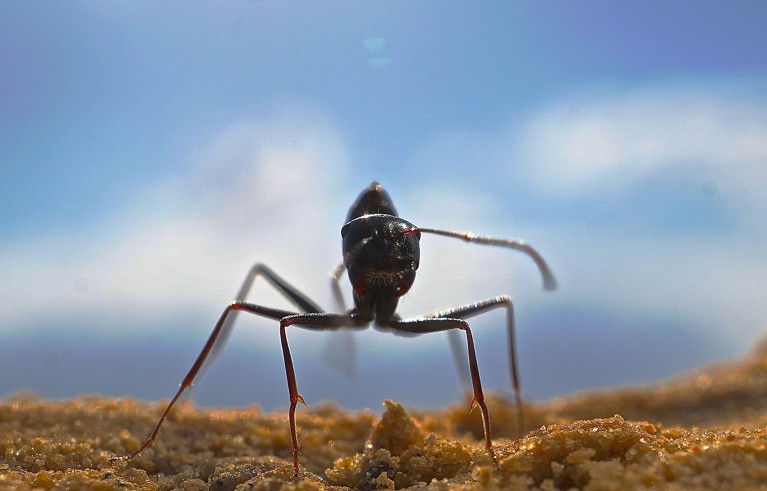
Ants living on the sprawling salt pans of Tunisia use DIY markers to find their way home.
The desert ant Cataglyphis fortis lives in Tunisia’s arid salt flats, and can travel more than a kilometre from its underground nest in search of food. Now scientists have found that these ants build tall hills on top of their nests that help the insects to find their way home across the vast, featureless landscape1.
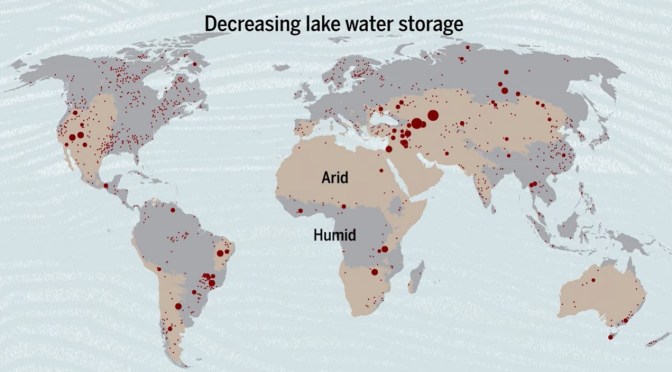
SCIENCE MAGAZINE VIDEOS – JUNE 6, 2023: Some of the most notable lakes in the world, from the Great Salt Lake to Poyang Lake, have shrunk dramatically in recent decades. But because most lakes lack long-term, on-the-ground measurements, it was hard to say whether this was a widespread phenomenon.
Now, researchers have published a first-of-its-kind data set to look at how lake water storage has changed in nearly 2000 of the world’s largest lakes. They find significant global losses and tease out what might be driving these decreases.
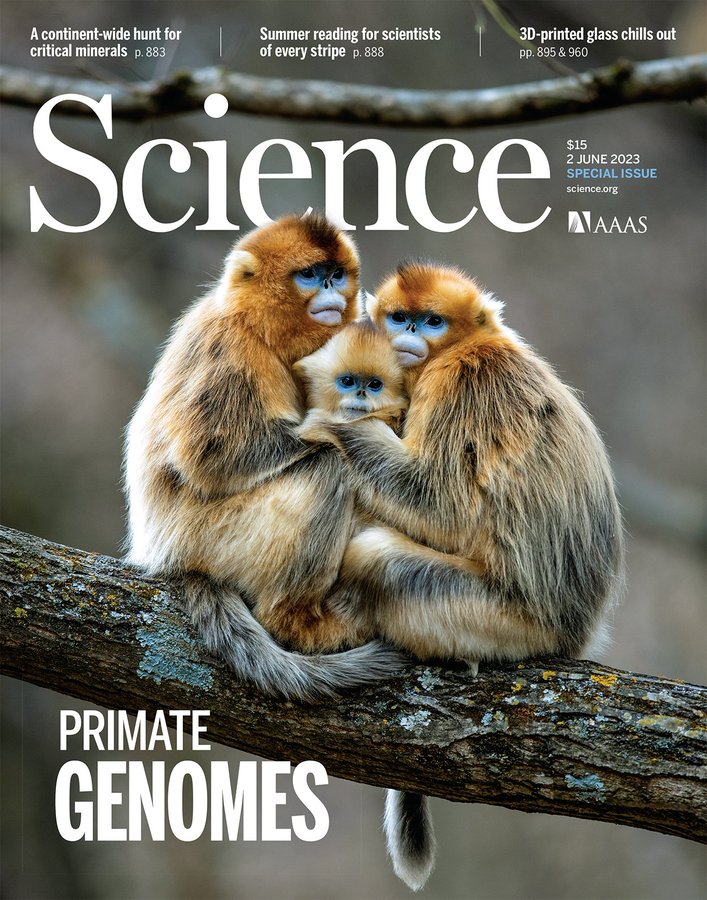
Science Magazine – June 2, 2023 issue: The snub-nosed monkey genus Rhinopithecus comprises five allopatric and morphologically differentiated species, the black-white snub-nosed monkey, the black snub-nosed monkey, the golden snub-nosed monkey, the gray snub-nosed monkey, and the Tonkin snub-nosed monkey.
Humans are primates. If we weren’t able to do things like write poetry and drive cars, we would likely be classified as another species of great ape, along with our closest cousins—chimpanzees, bonobos, gorillas, and orangutans. Thus, understanding the genomes, evolutionary history, sociality, and, some might argue, even ecology of modern primates greatly informs our understanding of ourselves.
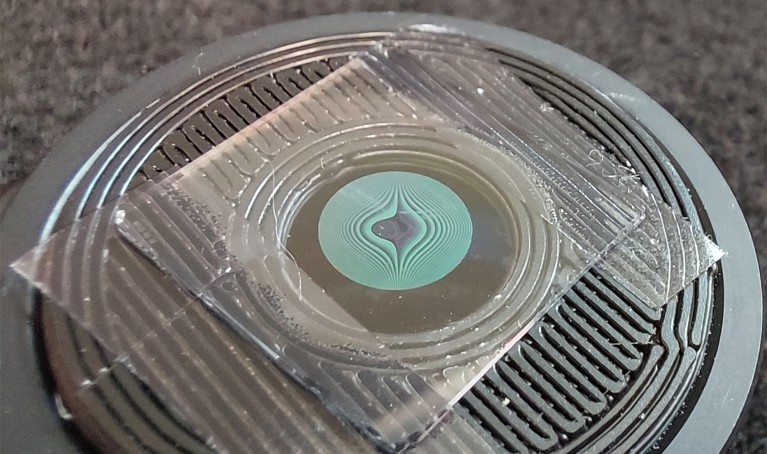
Printing glass with additive manufacturing techniques could provide access to new materials and structures for many applications. However, one key limitation to this is the high temperature usually required to cure glass. Bauer et al. used a hybrid organic-inorganic polymer resin as a feedstock material that requires a much lower temperature for curing (see the Perspective by Colombo and Franchin).
Sonic Hedgehog signaling and primary cilia control the core mammalian circadian clock
Virtually all mammalian physiological functions fall under the control of an internal circadian rhythm, or body clock. This circadian rhythm is governed by master neural networks in the hypothalamus that synchronize the activity of peripheral clocks in cells throughout the body.
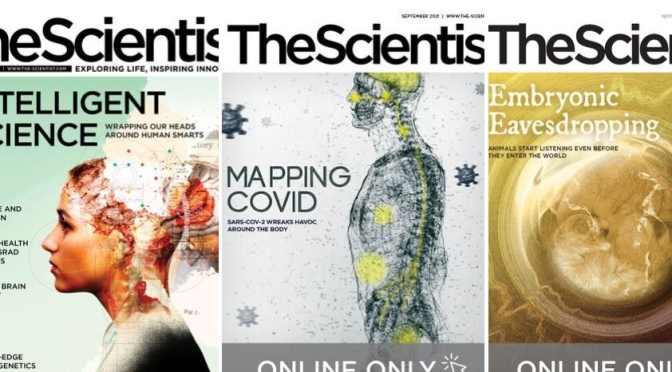
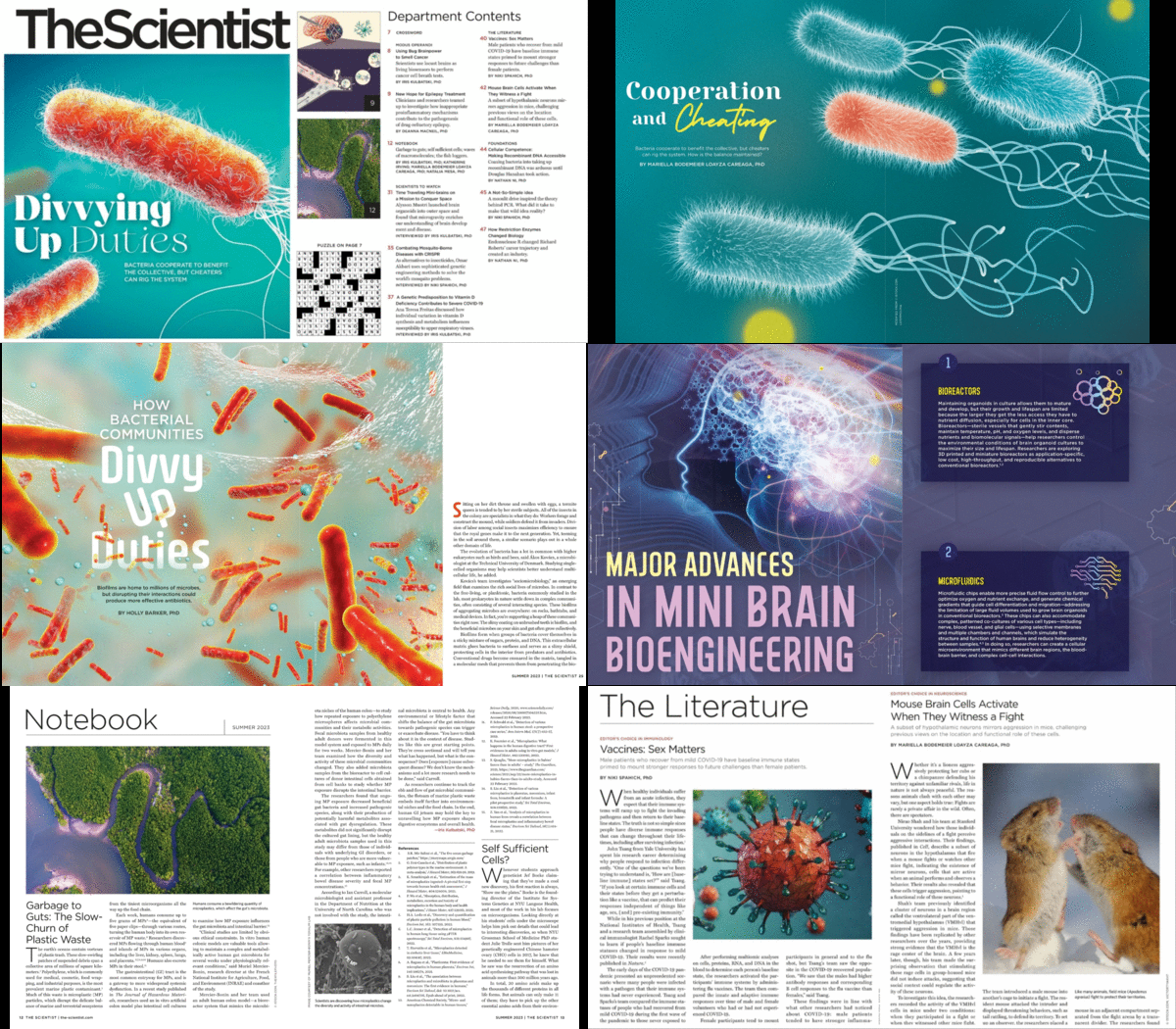
The Scientist Magazine (June 1, 2023) – The Summer Issue features bacteria cooperating to benefit the collective, but cheaters can rig the system and biofilms are home to millions of microbes, but disrupting their interactions could produce more effective antibiotics.
Bacteria cooperate to benefit the collective, but cheaters can rig the system. How is the balance maintained?
People often recognize social behaviors in complex organisms such as insects, nonhuman primates, and humans. But Megan Frederickson, an ecologist and evolutionary biologist at the University of Toronto, is interested in a different, microscopic social community: bacteria. “Cooperation is everywhere,” she said. “Cells cooperate in multicellular organisms; individuals cooperate in societies; and different species cooperate… Why would it not be the case that microbes cooperate with each other?”
Clinicians and researchers teamed up to investigate how inappropriate proinflammatory mechanisms contribute to the pathogenesis of drug-refractory epilepsy.
Doctors treat epilepsy with anticonvulsants to control seizures, but some patients do not respond to these first-line therapies. For patients with drug-refractory epilepsy (DRE) whose seizures persist after treatment with two or more anticonvulsants, clinicians must surgically remove part of the brain tissue to cure the disease.
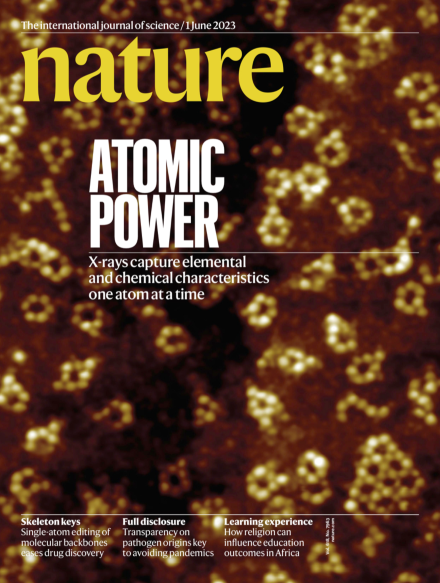
nature Magazine – June 1, 2023 issue: X-rays are widely used to characterize materials, but samples still require a reasonably high number of atoms for success. In this week’s issue, Saw-Wai Hla and his colleagues report that they have used synchrotron X-rays to characterize the elemental and chemical state of an individual atom. The team was able to detect X-ray-excited currents generated from an iron and a terbium atom in molecular hosts.



















 Boomers Daily