National Geographic photographers ventured to places far and wide to capture the year’s most fascinating images.
Taking the Plunge
Atka Bay, Antarctica
A young emperor penguin jumps off a 50-foot cliff for its first swim. The species normally breeds on low-lying sea ice, but some colonies have been found on higher and more permanent ice shelves, behavior likely to become increasingly common with climate change. Left by their parents a month earlier, the chicks must fend for themselves and find food by hunting in the sea.
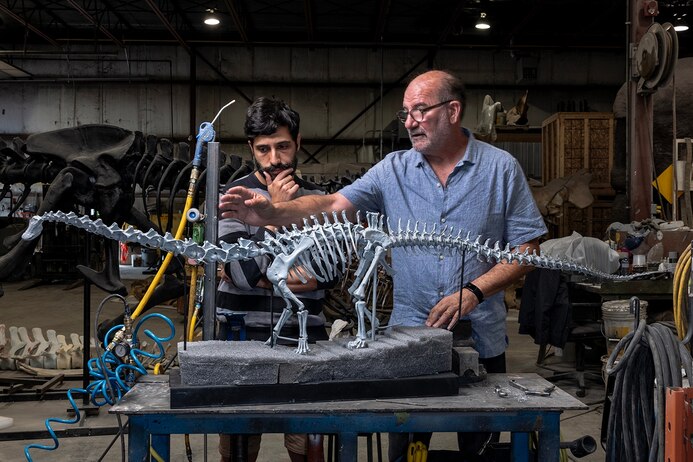
A team of scientists and artists transformed a jumble of bones entombed in tons of rock into a towering dinosaur that will leave visitors to L.A.’s Natural History Museum wonderstruck.
What life is like when your brain can’t recognize faces
The common neurological disorder affects roughly 2 percent of the population. Author Sadie Dingfelder shares her perspective navigating the world with it.
For centuries, the Seine River has been Paris’s dumping ground. A billion-dollar cleanup is trying to make it swimmable again.
How the Seine River shaped the city of Paris
The history of Paris is inextricably linked to the river that flows through its center—from Neolithic settlement to this year’s Olympic games.
Meet the ancient goddess of the Seine River: Sequana
The opening ceremony for the Paris 2024 Summer Olympics will take place on the fabled French waterway. But did you know it was named for a Gallo-Roman deity?
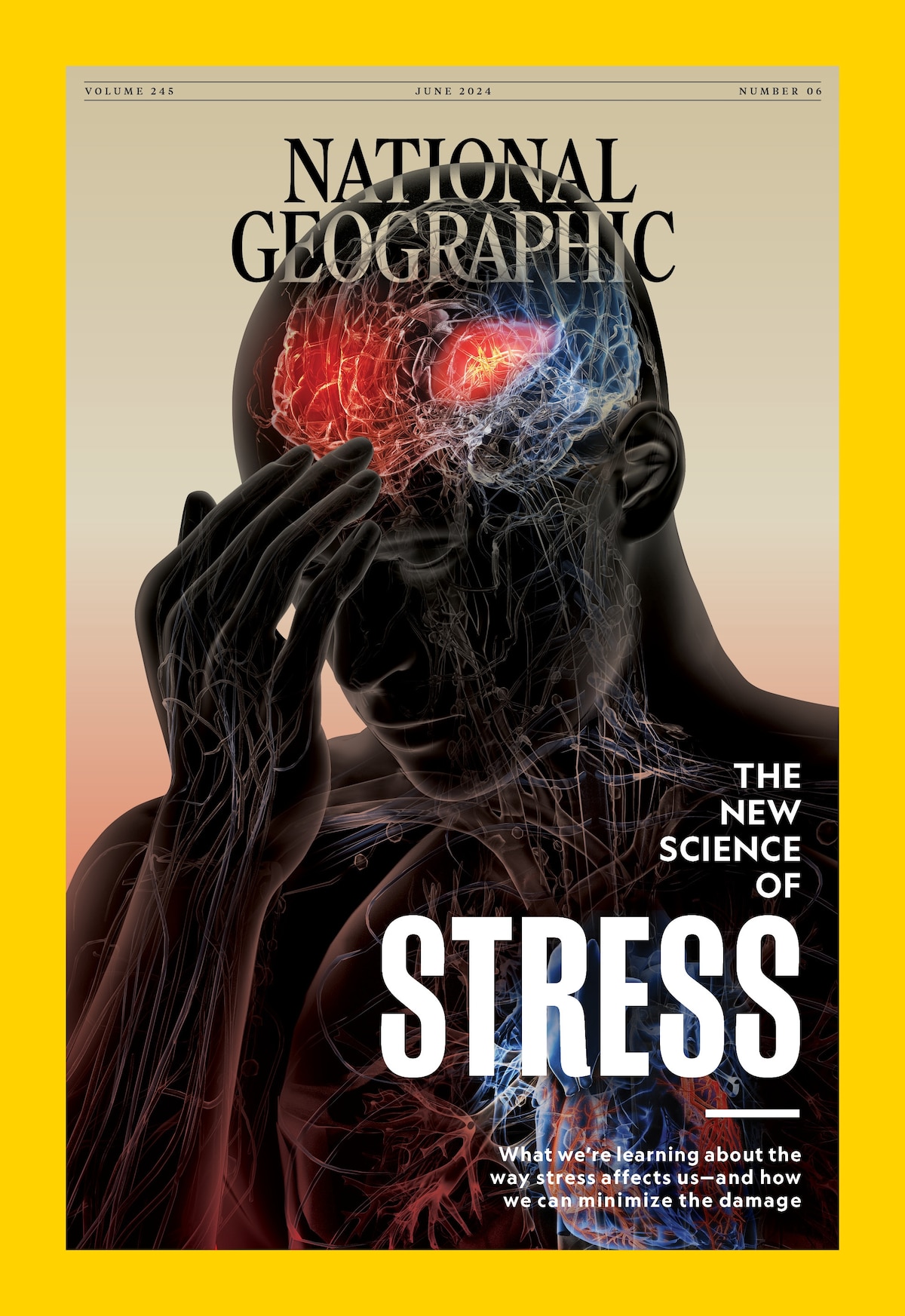
From cardiovascular disease and obesity to a weakened immune system, the side effects of stress can be life-altering. But there may be a way to prevent those outcomes.
ByYudhijit Bhattacharjee
Does meditation actually work? Here’s what the science says.
Research is finally catching up to the idea that meditation—which has been practiced for millennia—also provides many health benefits, including managing stress and anxiety.
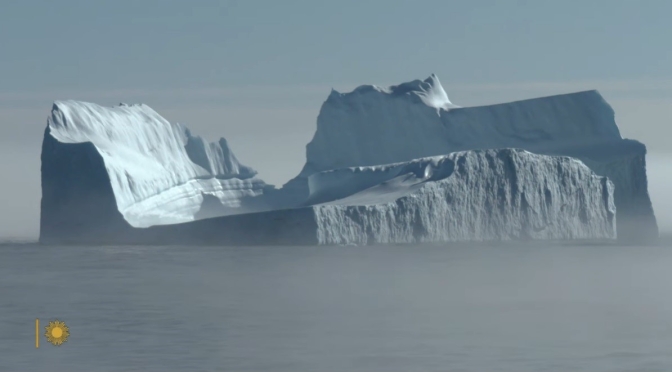
CBS Sunday Morning (April 21, 2024): We leave you this Sunday amid icebergs in the Southern Ocean off the Antarctic peninsula – icebergs rapidly melting as ocean temperatures rise. Videographer: Lee McEachern.
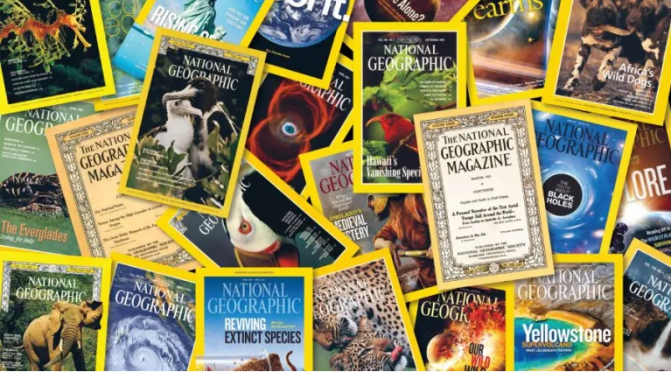
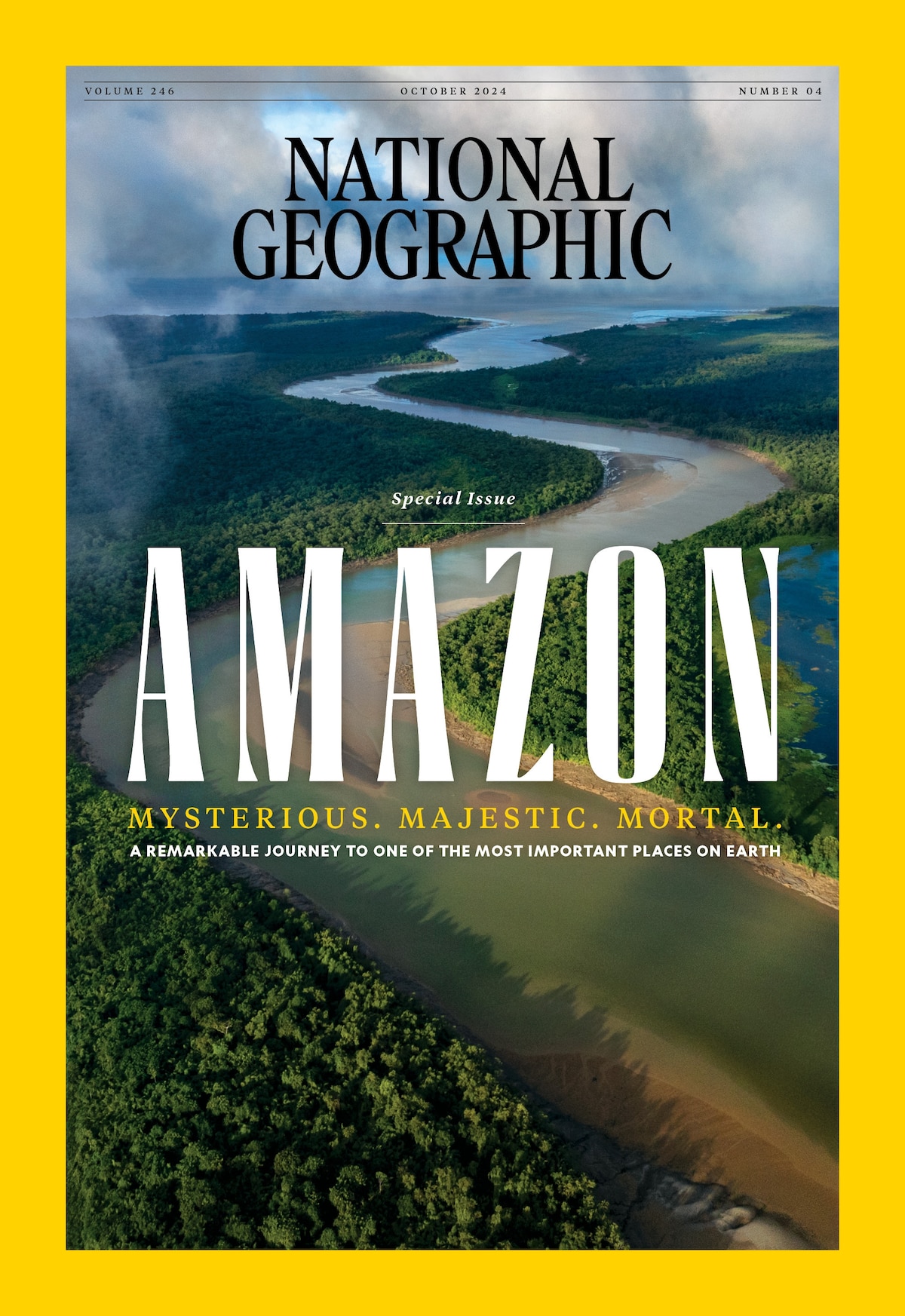
National Geographic Magazine (February 14, 2024) – The new issue features ‘The Hidden World of Hyenas – Why these misunderstood – and maligned – animals are one of Africa’s most successful predators…
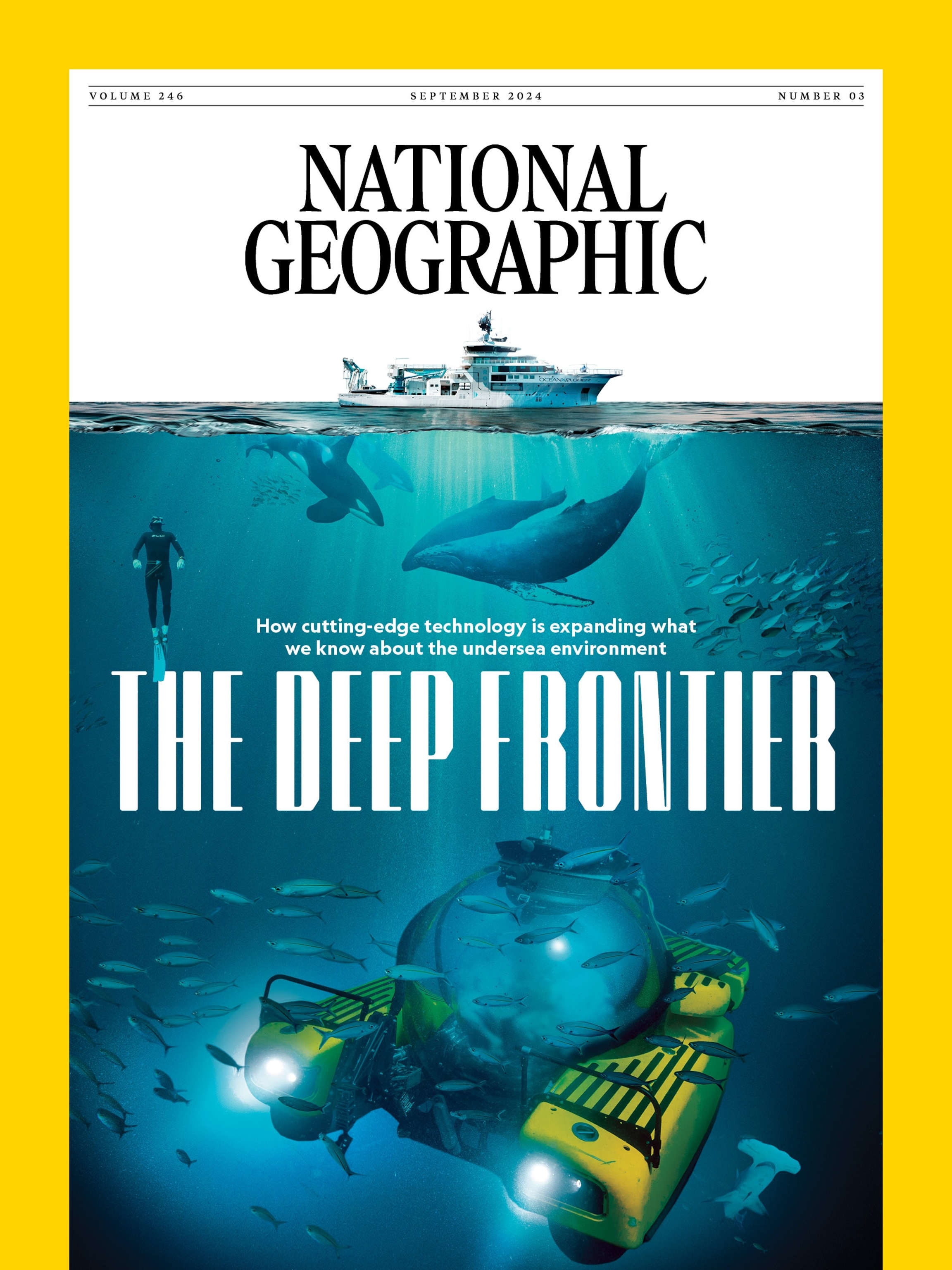
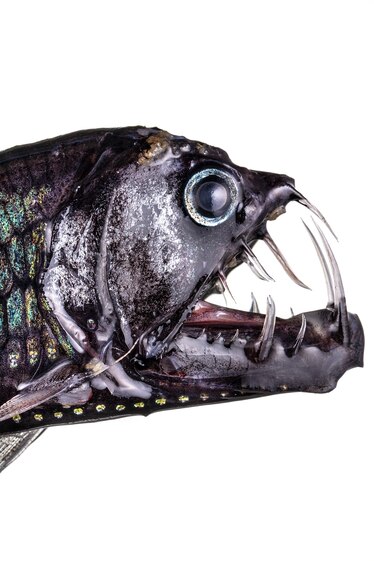
The species help harness carbon dioxide, a greenhouse gas, deep in the ocean, but much is still unknown about this region and its fascinating inhabitants.
The spotted hyena is Africa’s most successful predator—and one of its most misunderstood animals. But decades of cutting edge research is yielding greater understanding, respect, and protection.
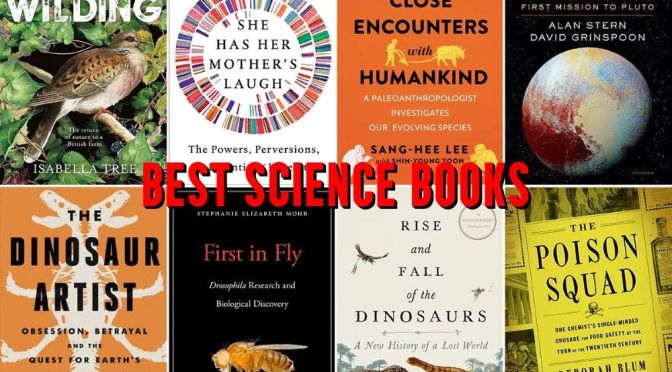
Smithsonian Magazine (December 7, 2023) – From stories on the depths of the ocean to the stars in the sky, these are the works that moved us the most this year
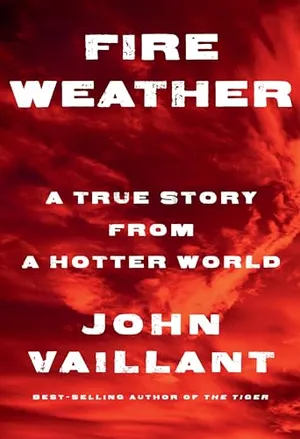
In a year when record-setting forest fires raged across Canada and their smoke clouded the skies across North America, and a Maui forest fire incinerated the town of Lahaina in a deadly blaze, the most harrowing book we read about climate change featured a devastating forest fire. In Fire Weather, author John Vaillant crafts a thriller about a cataclysmic inferno that burned through the town of Fort McMurray, Alberta, in May 2016. (We ran an excerpt of the book here.) The blaze generated hurricane-force winds and lightning, and entire neighborhoods burned to the ground under a type of pyrocumulus cloud usually associated with volcanoes. Roughly 100,000 people evacuated what would become the costliest disaster in Canadian history.
Scuttling Earth for at least 220 million years, turtles have survived more than one mass extinction, including the one that offed dinosaurs. But in a geologic instant, humans have pushed more than half their 360 known species to near-extinction. And in an actual instant, animals slated to live a century or more can be killed—after their shells are crushed by cars, their mouths are snagged by fishhooks or their ponds are drained by developers.
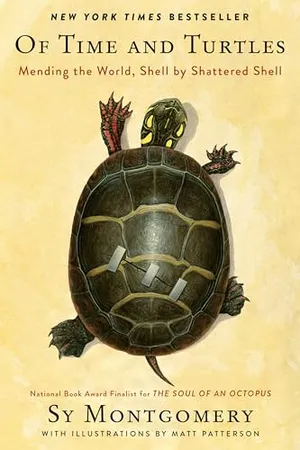
Yet there is hope for some turtles. The Turtle Rescue League in Southbridge, Massachusetts, rehabilitates hundreds of ailing turtles each year. In Of Time and Turtles, author Sy Montgomery joins the small squad in spring of 2020, just as routine life freezes for Covid-19. The book recounts her year with the league, as they incubated eggs, injected antibiotics, mended shattered shells and returned healed patients to nature.
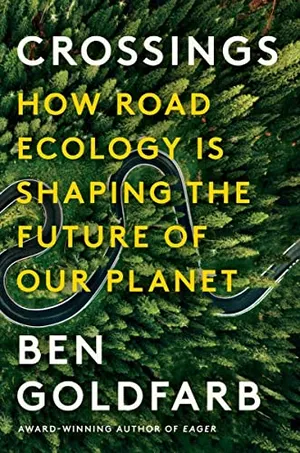
From the start of Ben Goldfarb’s fascinating book on road ecology, Crossings, the reader is peppered with jaw-dropping facts. Some 40 million miles of roadways encircle the Earth. While a half-century ago 3 percent of land-dwelling mammals died on a road, in 2017 that percentage had quadrupled. In 1995, researchers estimated that, in the United States, deer factor into more than a million vehicle crashes annually, injure 29,000 drivers and passengers, and kill more than 200. (We ran an excerpt of the book, with many more surprising facts, here.) And the book is engrossing for other reasons. In it, Goldfarb chronicles roads from California to Canada to Tasmania to show how they have impacted the natural world—and that includes us. He explores how roads have affected everything from butterflies to mountain lions to frogs.
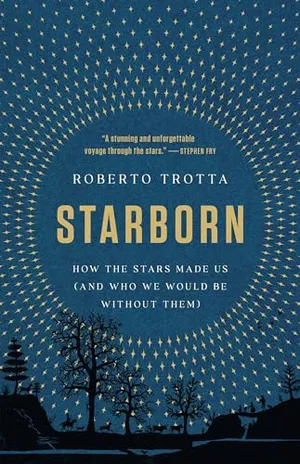
Without the stars, the history of our species would have been very different. That’s the central argument in Roberto Trotta’s engaging homage to the star-studded night sky, Starborn. The stars are more than just pretty: As Trotta shows, our efforts to understand the movements of the stars and planets (and the sun and the moon) played a crucial role in the development of navigation and precision timekeeping. In ancient Egypt, for example, the bright star Sirius was worshipped as a deity, and the start of the new year was signaled when Sirius first became visible in the pre-dawn sky. Seafaring Polynesians, meanwhile, traveled from island to island in the Pacific Ocean by memorizing the positions and movements of some 200 stars—aided by their knowledge of ocean currents, fish, birds and seaweed. Today’s most accurate timekeepers are atomic clocks, which count vibrations of a cesium atom—but even these need to be tweaked based on the sun and stars, because the Earth’s spin is gradually slowing.
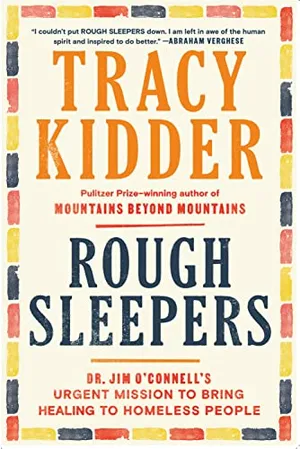
In Rough Sleepers, author Tracy Kidder profiles a dedicated doctor who treats Boston’s homeless. Harvard-educated physician Jim O’Connell is the founder and president of the Boston Health Care for the Homeless Program. “The Program,” as O’Connell calls it, employs roughly 400 workers to treat more than 11,000 homeless people annually. O’Connell, who refers to the unhoused as “rough sleepers,” a 19th-century British term, is called Dr. Jim by his patients. He treats them in a clinic and drives a van to meet them on the streets. He addresses everything from lice and scabies to more advanced problems that patients have following years of neglect, including large tumors and, in one case, a hernia that dropped below a man’s knees. Aside from care, O’Connell sometimes hands out his own money and gift cards.Report this ad
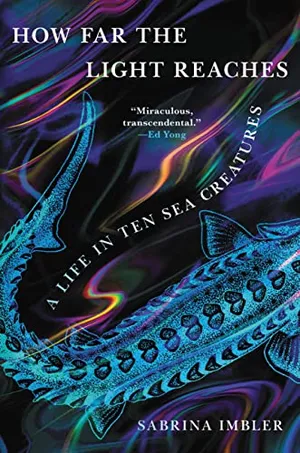
Nature is unabashedly queer. We are surrounded by species that live outside our human experience, points of reflective contrast to our terrestrial lives. Sabrina Imbler’s scientifically steeped memoir How Far the Light Reaches revels in these differences, using an aquarium of undersea creatures as foils for significant moments in the author’s life. The preserved remains of a whale are a foil for dissecting a breakup, and our sometimes leering fascination with a marine worm called the sand striker gives form to a meditation on consent. Imbler’s essay “We Swarm,” especially, is a treasure. Squishy marine organisms called salps, which spend part of their lives in aggregations of hundreds of individuals, open a warm recollection of Pride celebrations along the New York shoreline.
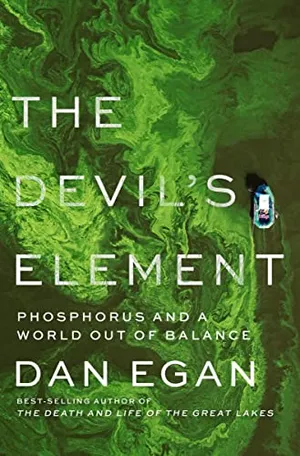
As chemicals go, phosphorus—number 15 on the periodic table—is something of a paradox. In The Devil’s Element, journalist Dan Egan explains how phosphorus is essential for all life; it can be found in every cell in your body. But it is also combustible and explosive. So-called white phosphorus is a waxy substance that spontaneously combusts when exposed to oxygen—and can cause temperatures to hit 2,370 degrees Fahrenheit. White phosphorus was the key ingredient in the bombs dropped by the Allies on Hamburg, Germany, during World War II, unleashing a firestorm that leveled the city and killed some 37,000 people.Report this ad
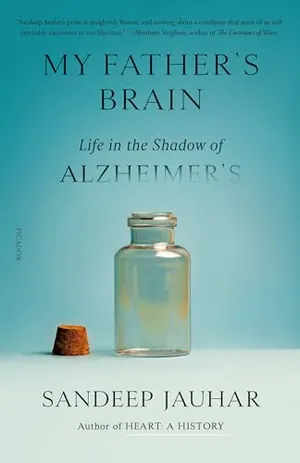
Alzheimer’s disease robs a person’s memory, yes, but it also causes sweeping behavioral transformations that can include agitation and stubbornness. Those with the condition can become unrecognizable to their loved ones and difficult patients. The slow-acting and irreversible disease “is more feared than death itself,” writes Sandeep Jauhar in My Father’s Brain. After his father starts to show signs of dementia in 2014, Jauhar’s parents move states to be closer to their sons. But the close proximity does little to prevent his father’s Alzheimer’s from upending the lives of family members. Jauhar doesn’t shy away from narrating the ugly and difficult experiences of his father’s irrational behavior, which often leads to sibling fights and frustration for the author.
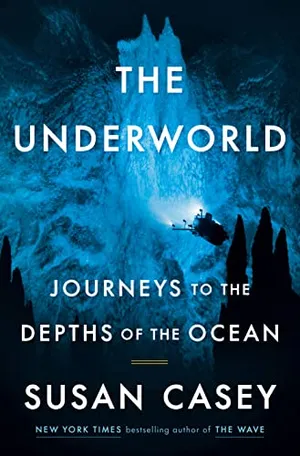
In June, the world paid more attention than usual to deep-sea exploration when OceanGate’s Titan submersible went quiet while exploring the Titanic. Later, the public learned the craft imploded. That was the rare tragic episode of deep-ocean adventures, one years in the making due to the company’s failure to test and heed warnings. But a much more awe-inspiring exploration of the deep has been taking place for decades, and Susan Casey’s enthralling book, The Underworld, documents it in stunning detail. (We ran an excerpt of the book here.) As Casey points out, though you can view maps of Mars on your iPhone, 80 percent of Earth’s seafloor hasn’t been charted in sharp detail.
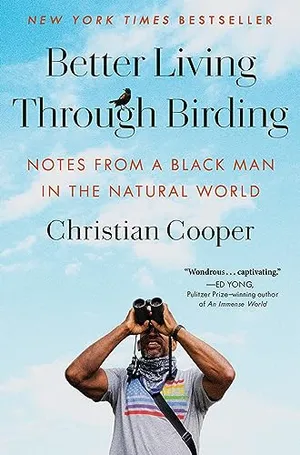
In little more than two minutes captured on video in May 2020, the life of New York City birder Christian Cooper drastically changed. He saw a dog run through a forested section of Central Park and asked its owner, a white woman, to leash her pet in accordance with the law. When she refused, he began to film her with his smartphone, and as he did, she said she would call the police on him and tell them “an African American man is threatening my life.” As the racist incident came to national attention, Cooper quickly became the best-known birder in America. And, amid a hobby that is largely older and white, “the fact that that birder is Black turned heads,” Cooper writes.
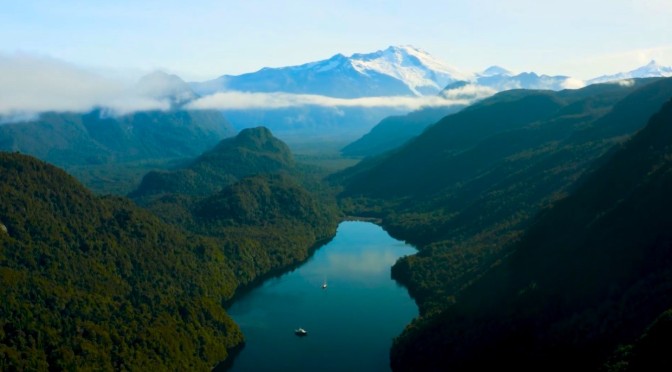
SeaLegacy Films (October 16, 2023) – At the foot of the iconic mountain peaks of Chilean Patagonia, just below the blue surface of the sea, lies a biodiverse and pristine kelp forest. In this episode of “Sea of Hope,” Mission Blue ocean policy expert Max Bello and Chilean Environment Minister Maisa Rojas join the SeaLegacy team to explore how wonderful and spectacular this unique ecosystem is. in the world.
Abundant and diverse life forms find their home in the world’s longest continuous kelp forest, just off the coast, in a region home to hundreds of fjords and more than 40,000 islands and islets. Join our co-founder Andy Mann as he embarks with the exploration team on an adventure to discover the treasures of Chilean Patagonia and evaluate the health of this productive and wild ecosystem. Discover the natural neon colors, the huge stems of kelp, some of the marine characters that inhabit the area, and the impressive carbon capture abilities of the underwater forests!
BBC Earth (July 7, 2023) – Sir David Attenborough presents remarkable, new animal behaviors from all the continents, including a kidnapping macaque to thirsty bats navigating crocodile-infested waters.
From ‘Seven Worlds One Planet’.
News, Views and Reviews For The Intellectually Curious






 CBS Sunday Morning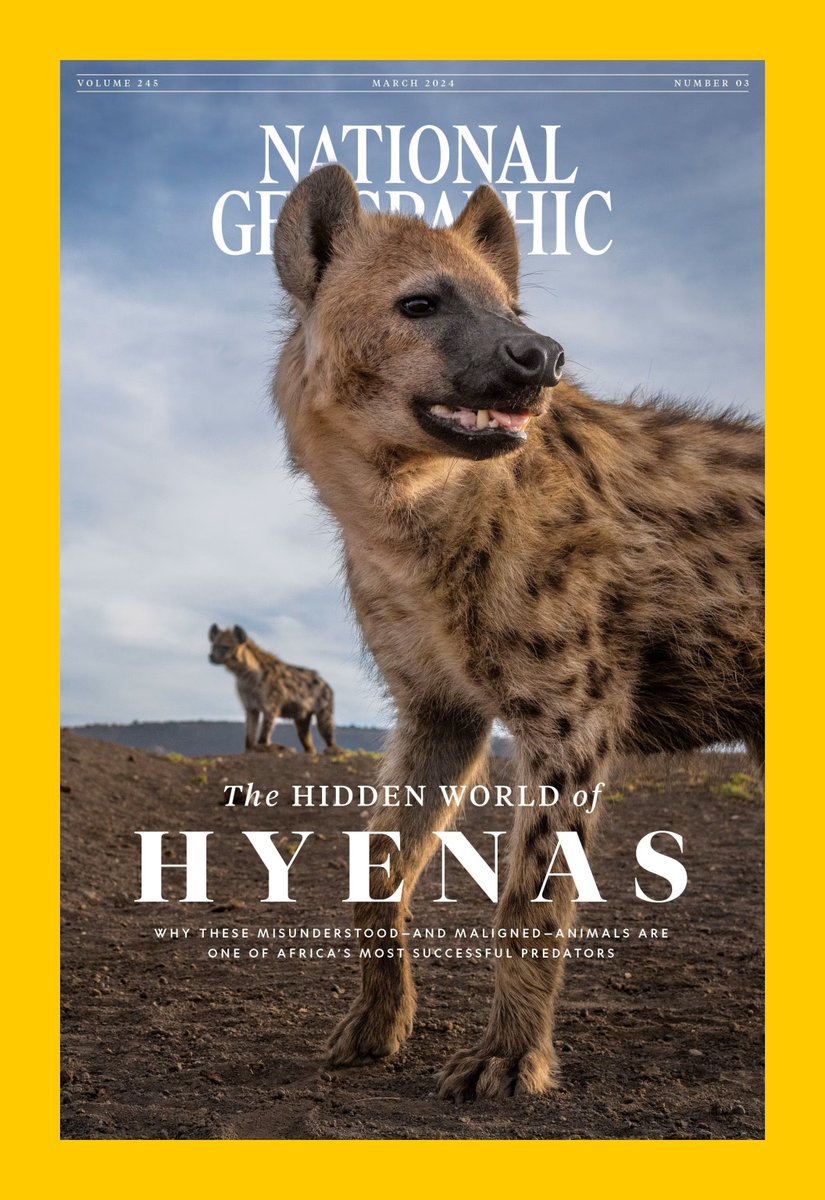
:focal(800x602:801x603)/https://tf-cmsv2-smithsonianmag-media.s3.amazonaws.com/filer_public/54/95/5495bf57-cfac-40d7-a1ac-4fc8f56baa3e/booklist-2023-science.jpg)

 SeaLegacy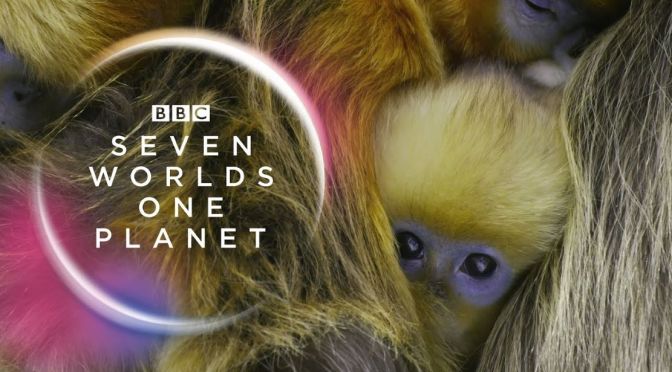

 Boomers Daily