

From an NPR online article:
 The irony is most hospitals are “nonprofit,” a status that makes them tax exempt. Many (but not all) do enough charity work to justify tax benefits, yet it’s clear nonprofit hospitals are very profitable. They funnel much of the profits into cushy salaries, shiny equipment, new buildings, and, of course, lobbying. In 2018, hospitals and nursing homes spent over $100 million on lobbying activities. And they spent about $30 million on campaign contributions. Health industries have also been funneling hefty sums into dark money groups. But their political power isn’t just the result of lobbying or electioneering. Hospitals are often the biggest employers in states and cities across America.
A recent study by Yale School of Public Health economist Zack Cooper and colleagues takes a look at hospital politics and helps shed light on why American health care is so insanely expensive.
Cooper and his colleagues have spent years investigating whether this was true, filing Freedom of Information Act requests and crunching data. They’ve uncovered evidence that suggests it was true. They find that legislators who were on the fence and voted “yea” for the legislation were 700% more likely to see a large bump in Medicare payment rates to hospitals in their district. Between 2005 and 2010, Congress shelled out over $2 billion to 88 hospitals through the horse-trading Section 508 provision. It was a clear win for these hospitals, which spent the money on more equipment, buildings, services, and staff.
To read more: https://www.npr.org/sections/money/2019/10/15/769792903/how-non-profit-hospitals-are-driving-up-the-cost-of-health-care
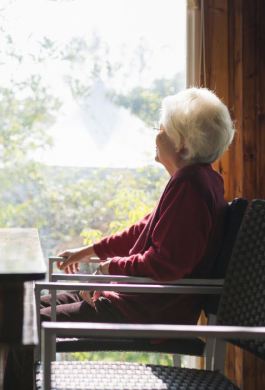 There may be no easy fix for the loneliness epidemic plaguing the nation, but helping people cope with hearing loss could be one key to tackling this complex problem. Hearing loss affects 1 of every 5 people and is strongly linked to loneliness: Every decibel drop in perception in people under 70 increases the odds of becoming severely lonely by 7%,
 That’s the kind of astonishing illumination you’ll find in The Trojan War Museum, Ayşe Papatya Bucak’s debut story collection. These are stories that reflect the author’s Turkish heritage and a curiosity about our human search for meaning as profound as it is lyrical. The stories are music. They beguile and illuminate with narratives about yearning and desire, circumstance and courage, resilience and discovery. Reading them, while the reading lasts, replaces seeing.
 PBHWB of 40–42.5 °C was associated with both improved self-rated sleep quality and SE, and when scheduled 1–2 h before bedtime for little as 10 min significant shortening of SOL. These findings are consistent with the mechanism of PBHWB effects being the extent of core body temperature decline achieved by increased blood perfusion to the palms and soles that augments the distal-to-proximal skin temperature gradient to enhance body heat
 In Boston, a web app called “Nesterly” matches would-be renters with people who have a room to spare and could use a little help around the house.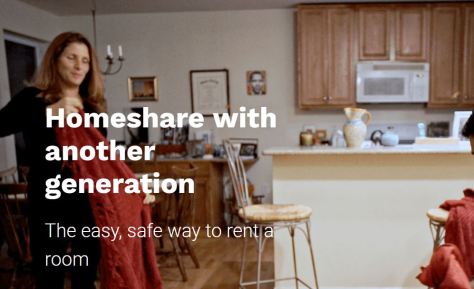

 Rieder likens his experiences trying to get off prescription pain meds to a game of hot potato. “The patient is the potato,” he says. “Everybody had a reason to send me to somebody else.”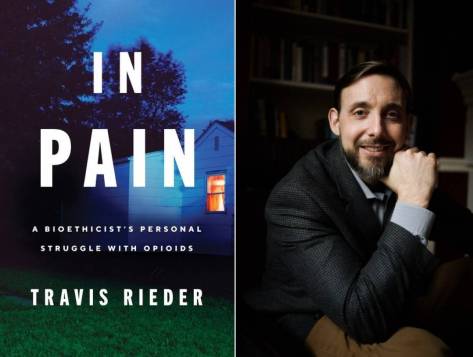
 Boomers Daily