

We flick through the weekend’s papers across the Middle East and North Africa and examine the future relationship between the UK and the US under Joe Biden. Plus: Andrew Tuck’s Saturday column.
Tag Archives: News

Morning News Podcast: President Biden’s First Day, Covid Actions & Numbers
President Biden’s top priority is getting the pandemic under control. What do his first executive actions tell us about how he plans to do that? Biden also released a sweeping reform bill to overhaul the U.S. immigration system.
And in 35 states, coronavirus numbers are falling. Researchers believe the U.S. has hit a peak in the pandemic, but some public health officials are skeptical.
Morning News Podcast: Biden Inauguration And Trump’s Final Pardons
With Joe Biden taking over the establishment steps back In, Trump pardons issues pardons to friends and supporters, and some inauguration trivia.

Morning News Podcast: Trump’s Last Day, Senate Back In Session & Migrants
It is Donald Trump’s last full day as president. The last full day that he can use the power to pardon. Who might Trump choose? The Senate goes back to work today for the first time since the attack on the Capitol.
It will consider five of Joe Biden’s cabinet nominees, prioritizing those in national security. In Guatemala, security forces fired tear gas at Honduran migrants trying to cross Guatemala’s southern border. Why did they leave home, despite the danger?
Morning News Podcast: Pro-Trump Protests Quiet, Biden’s Executive Actions
Pro-Trump protests quiet amid massive police presence across, U.S, Biden plans ‘roughly a dozen’ day one executive actions, and Georgia student who walked 7 miles to work each day receives new car through woman’s act of kindness.

Sunday Morning Podcast: Latest News From Zurich, Hong Kong & London
The weekend’s biggest points of discussion are dissected by Tyler Brûlé, Solène Léger, Florian Egli and Marcus Kraft, with commentary from our editors in London and Hong Kong. Plus: Israel’s ‘Haaretz’ newspaper.
Morning News Podcast: Biden’s $1.9 Trillion Plan, States’ Political Unrest
The incoming Biden-Harris administration has big plans. They want $1.9 trillion in new spending to help Americans. State capitals across the United States are bracing for potential unrest.
The FBI warns of scenes similar to January 6th. Are state and local law enforcement prepared? And nearly seven years after the water crisis in Flint, Michigan, those responsible are now being held accountable. Nine former and current officials have been indicted.
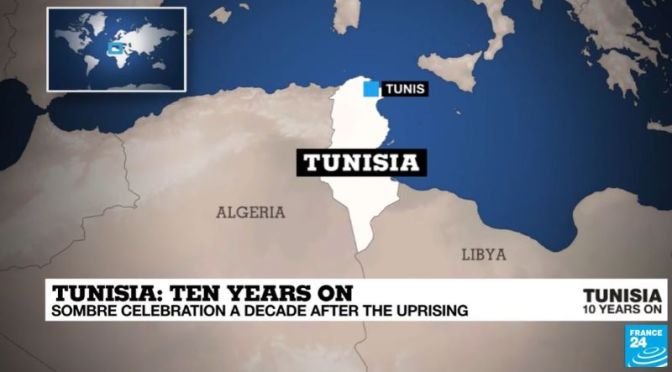
Politics: Tunisia – 10 Years After The Uprising (Video)
#Tunisia on Thursday commemorates the 10th #anniversary since the flight into exile of iron-fisted President Zine El Abidine Ben Ali, pushed from power in a popular revolt that foreshadowed strife and civil war in the region, known as the #ArabSpring. FRANCE 24’s Chris Moore tells us more.
Tunisia, officially the Republic of Tunisia, is a country in the Maghreb region of North Africa, covering 163,610 square kilometres. Its northernmost point, Cape Angela, is also the northernmost point on the African continent.
Morning News Podcast: Second Impeachment, Capitol Mob Charges
President Trump impeached by the House for second time, criminal charges proliferate against members Capitol mob, and young Montana girl writes letter to officer injured in Capitol riots.
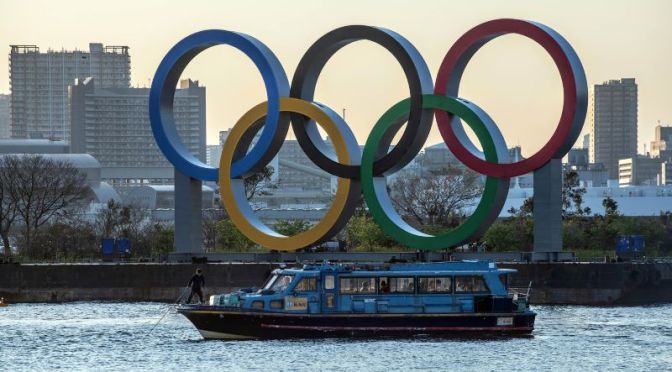
Tokyo ‘2021’ Olympics: Japanese Public Favors Delay Or Cancellation
It is less than 200 days until the rescheduled Tokyo Olympics are due to get under way, but among the Japanese public, fears over the virus and the spiralling cost of the Games mean most would rather see the event postponed or cancelled altogether.
 Boomers Daily