Tag Archives: Museums

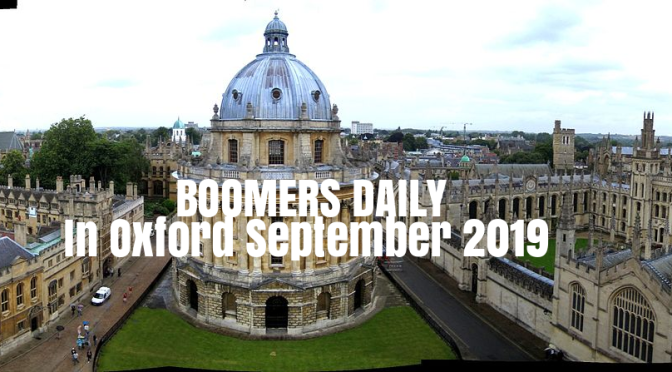
Road Trip To Oxford: Ashmolean Museum, Bodleian Library And The Radcliffe Camera

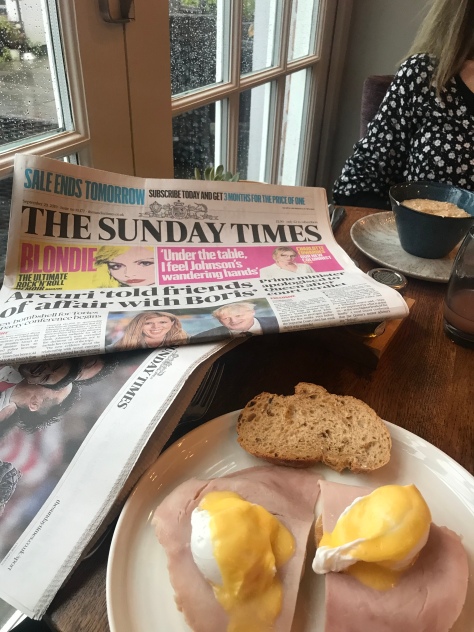
After a brisk walk through the Arlington Row, a very nice breakfast awaited us in The Swan dining room.

The drive to Oxford from Bibury is 30 miles, but expect traffic in the last 5 miles. Allow an hour to get parked in one of the many underground parking areas, such as the Gloucester Green.

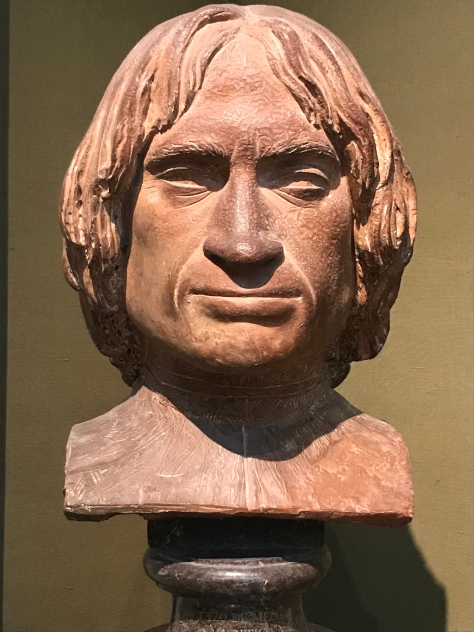
Our first stop was the Ashmolean Museum, which was remarkably uncrowded at 9:30 am this Wednesday morning. We paid to see the special exhibit “Last Supper In Pompeii” and it was outstanding.
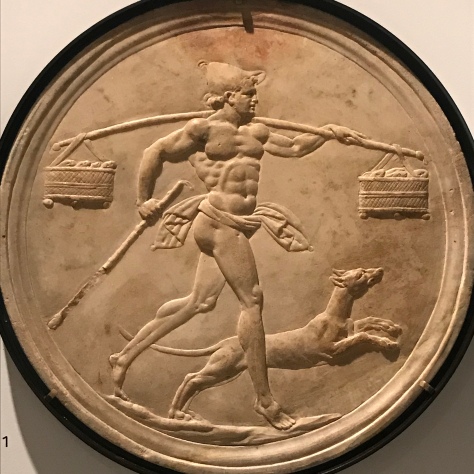
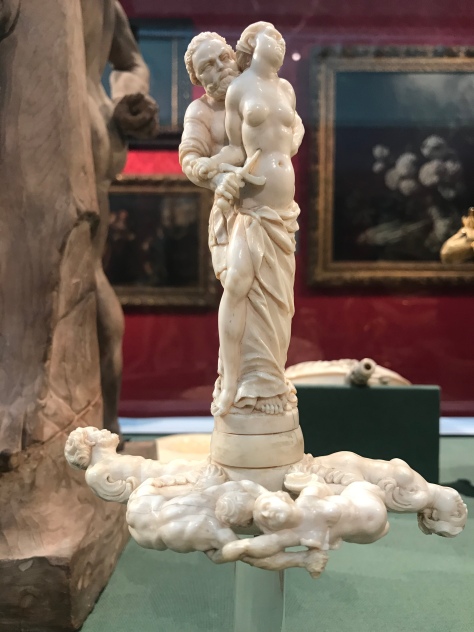
We then walked the remaining floors to view the incredible Renaissance and European Art exhibits including paintings, sculpture, ceramics and musical instruments

The three Stradivarius violins and one guitar, along with other priceless instruments were one of a kind holdings of this world class museum.

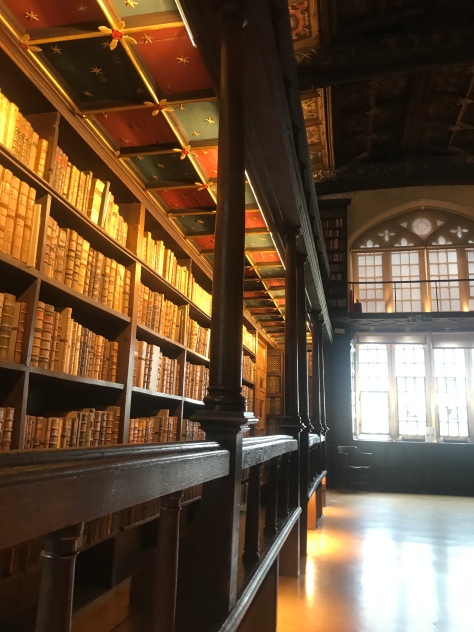
We walked over the Bodleian Library and purchased tour tickets for 1 pm. The we walked over to University Church of Saint Mary the Virgin and paid to climb the tower to view all of Oxford but especially the Radcliffe Camera.

No one should visit Oxford and not climb the tower. Spectacular is the only descriptor. We climbed back down and walked the streets nearby until it was time for the tour. Our guide was an amazing woman who studied history at Cambridge before falling in love with the Bodleian.

The history of Oxford University is centered around the 600+ year construction and evolution of its world famous library. A must see.

We walked over to the Christ Church Picture Gallery for a quick viewing and then had late lunch at The Bear, a classically old pub down a small alley.

Great day!

Boomers In London: Day 3 – Kensington To Mayfair, Soho & Bloomsbury

After a great British breakfast, hopped on the Tube at Tower Hill and headed for the South Kensington station. Arrived at the Victoria & Albert Museum as it opened at 10.

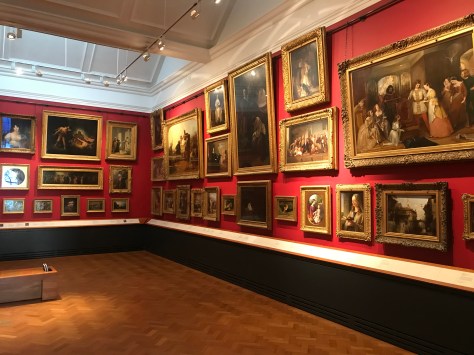
The V&A has an amazing collection from all over the former British Empire, Europe and the United Kingdom.
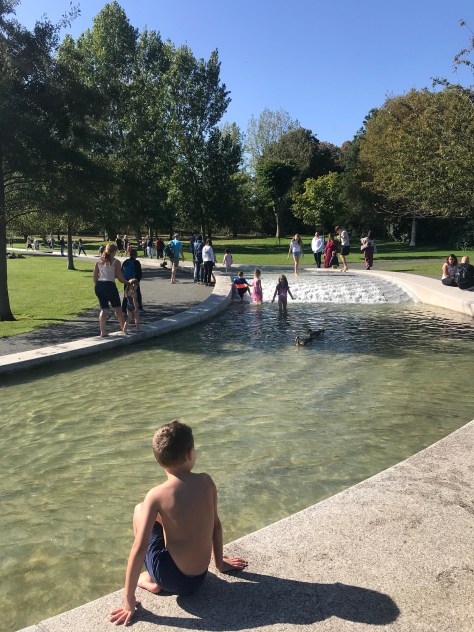
We then walked into the Kensington Gardens, and visited the Diana, Princess of Wales Fountain. There was swim race taking place in The Serpentine.

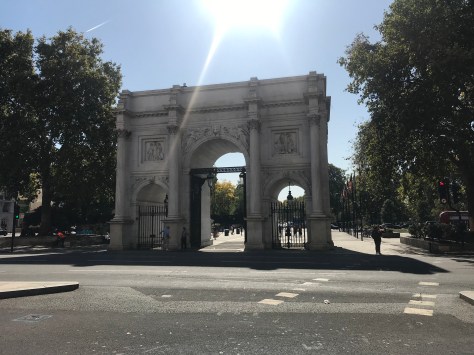
We then visited the Serpentine Gallery before walking to the northeast corner of Hyde Park.

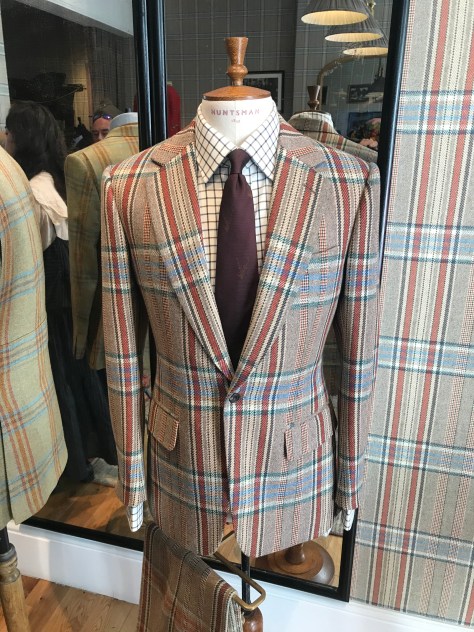
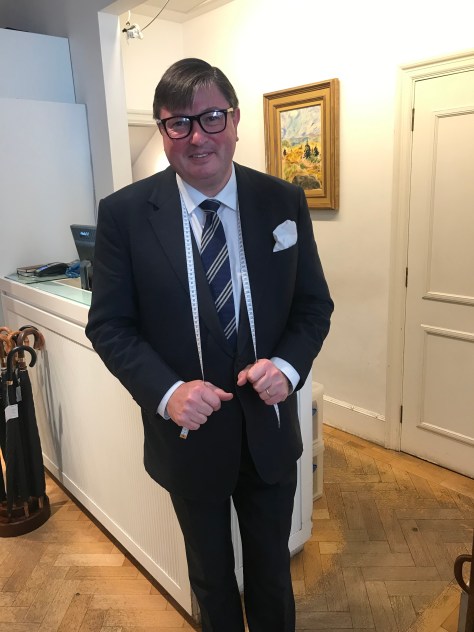
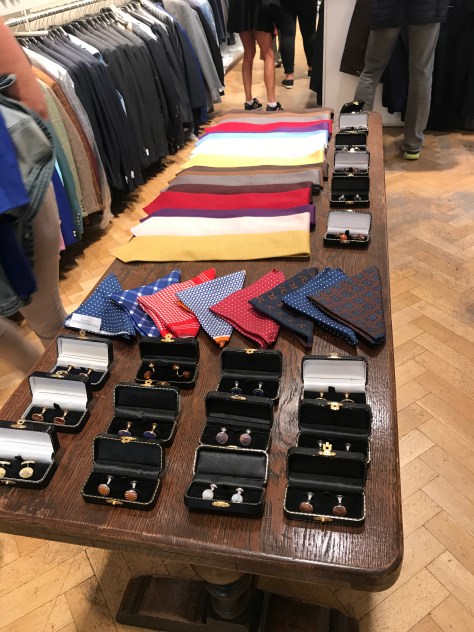
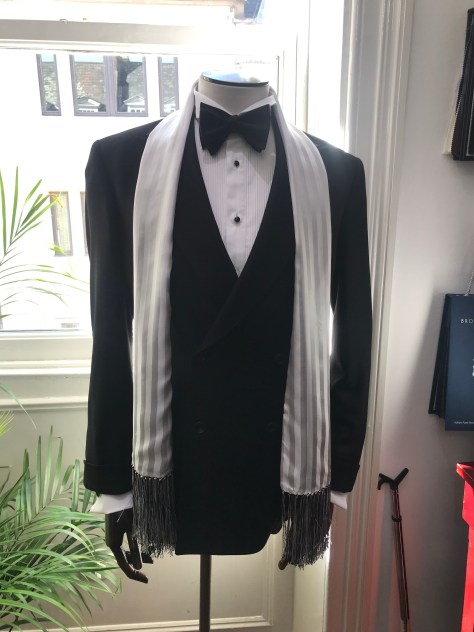
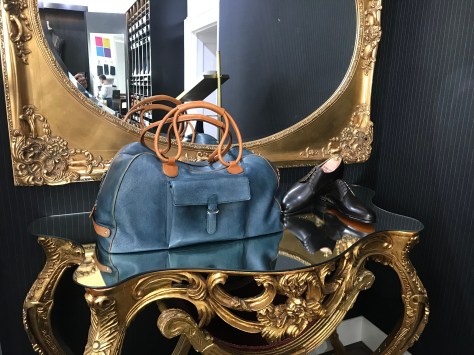
We walked along Oxford Street and headed south on South Molton to New Bond St. to visit the Saville Row tailors.

It was Open House London on Saturday so we toured Huntsman, Cad & The Dandy, Richard Anderson and Hidalgo Brothers

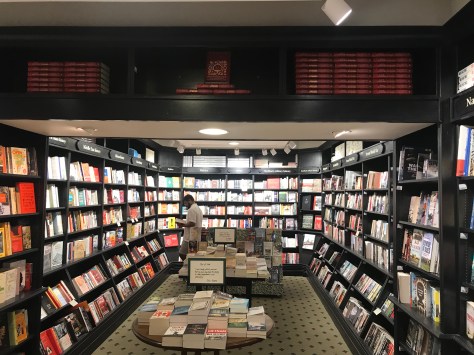
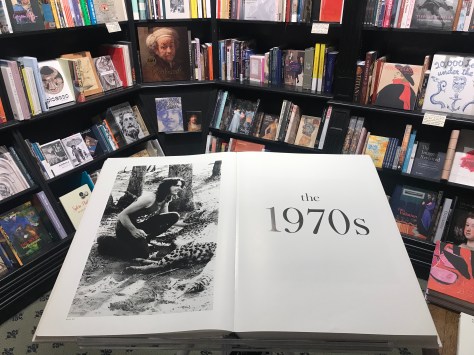
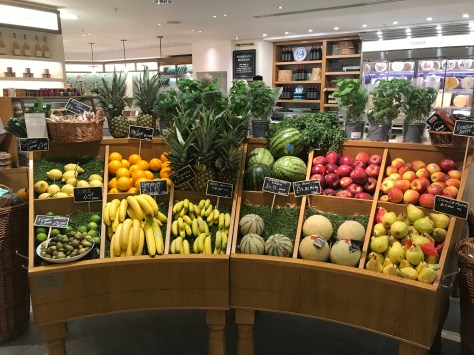
We then walked to Hatchard’s Bookstore and Fortnum & Mason.

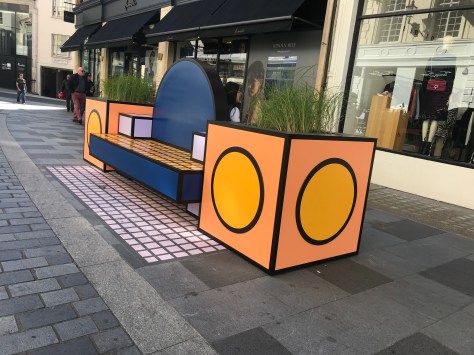
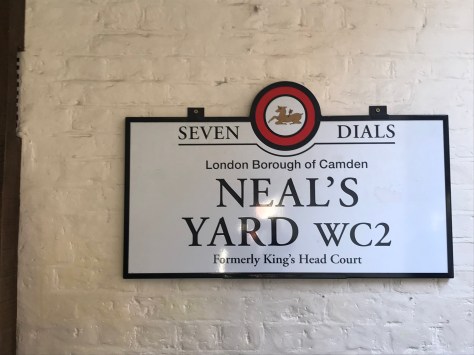
A very fun small alcove awaited at Neal’s Yard in SoHo.

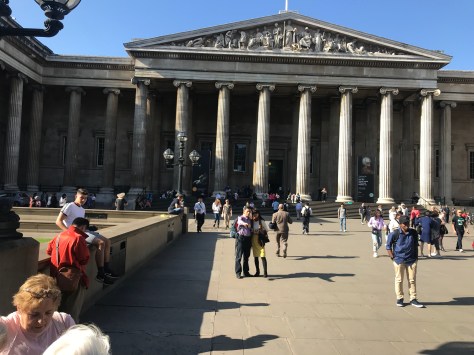
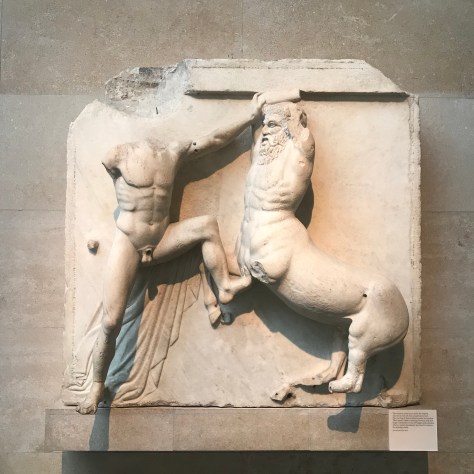
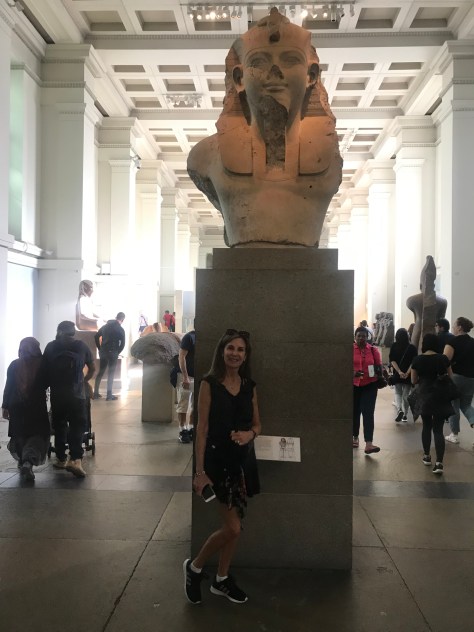
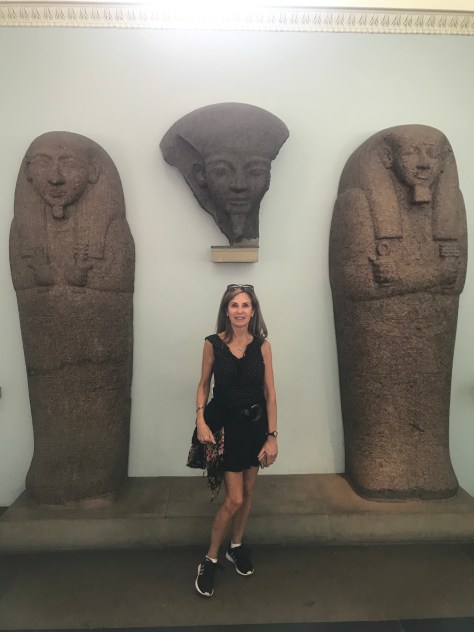
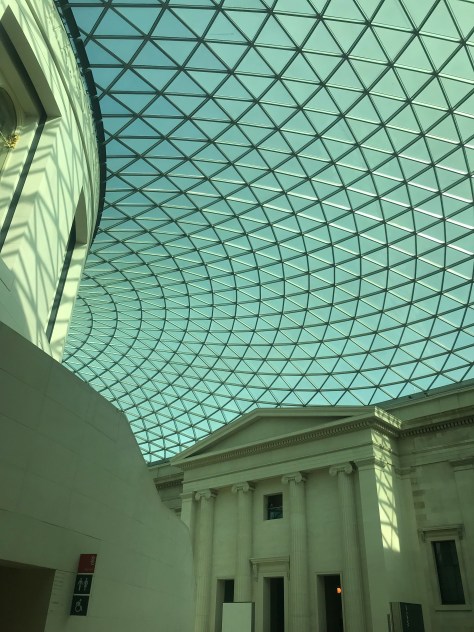
The last major stop was the British Museum in Bloomsbury.

Boomers In London: Day 2 – South Bank To Tate, Westminster Back To The City

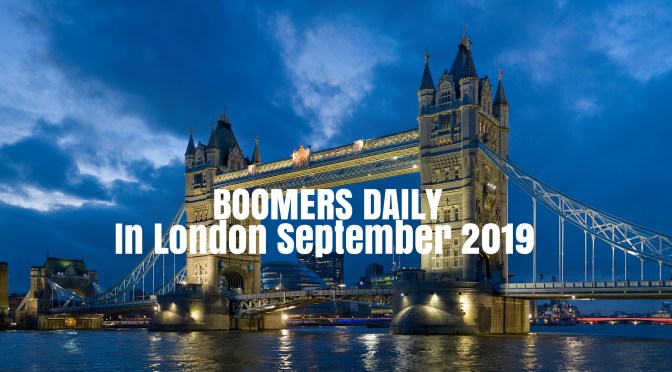
Set out at 9 am across Tower Bridge and experienced South Bank.

Borough Market is a must visit and it delivered delicious stall after stall of every cheese, meat, vegetable and savory or sweet foods.
We then continued along the Thames for a quick view of Shakespeare’s Globe, followed by a tour of the Tate Modern.
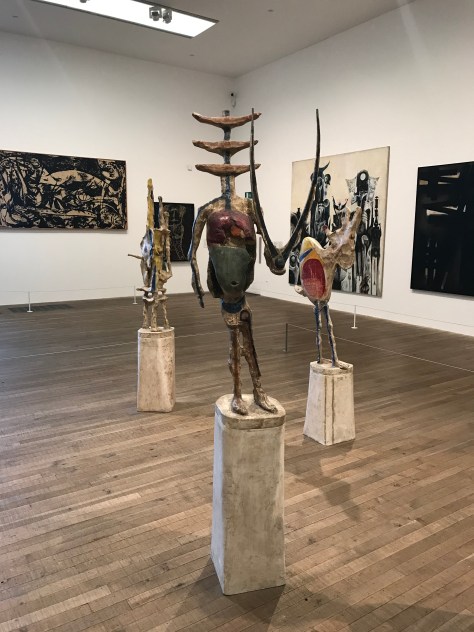
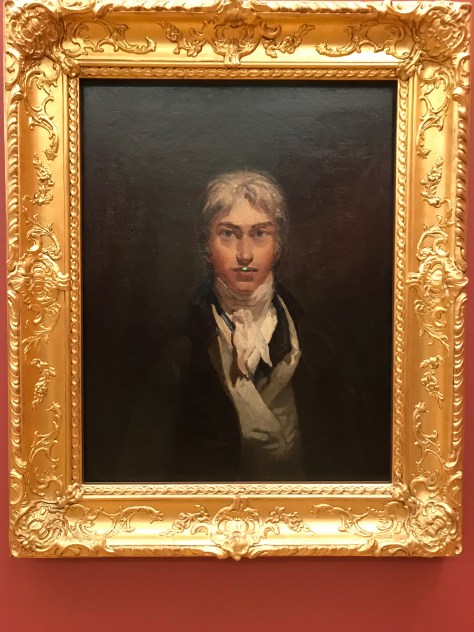
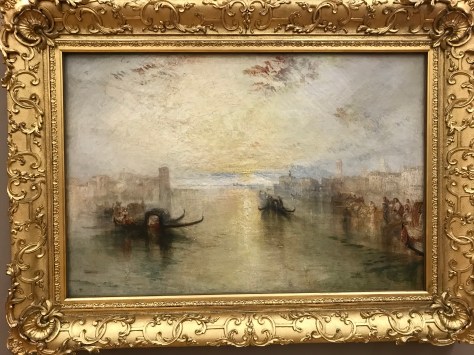
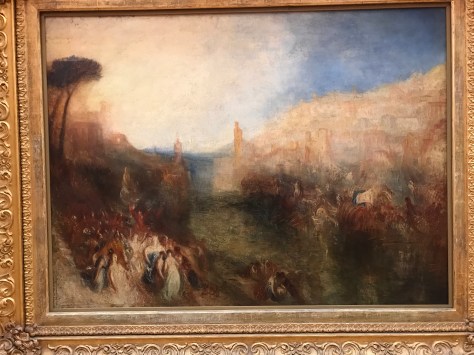
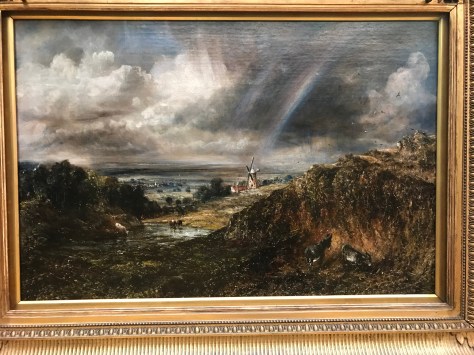
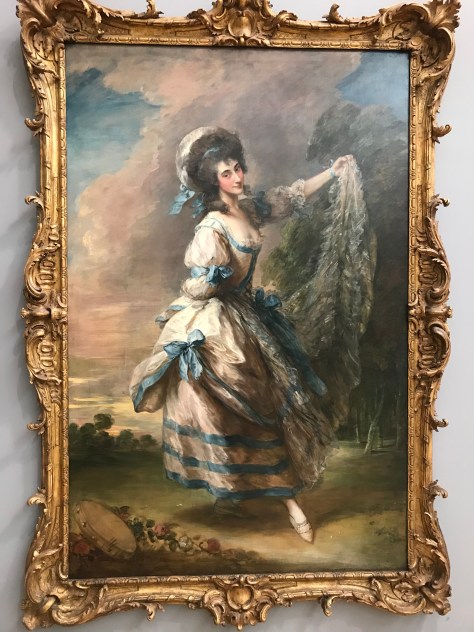
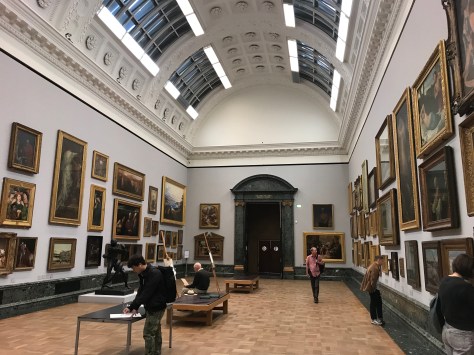
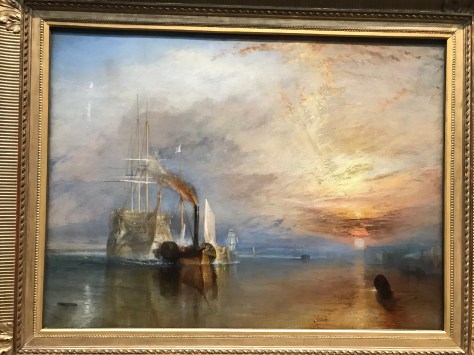
We then hopped aboard the Tate Boat for a trip to the Tate Britain at Millbank. This is the home of the largest collection of J.M.W. Turner paintings in the world.

John Constable and Thomas Gainsborough are also in abundance.

Headed north to Buckingham Palace before walking through St. James Park to the National Gallery.
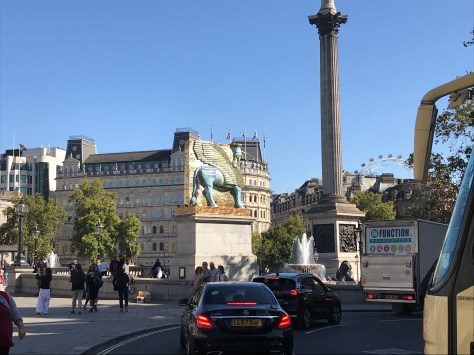
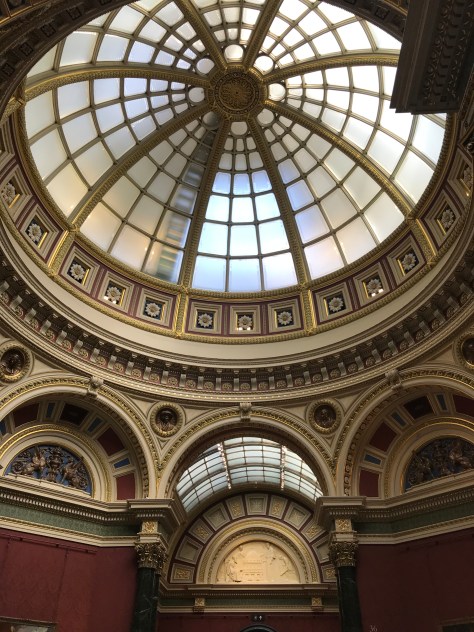
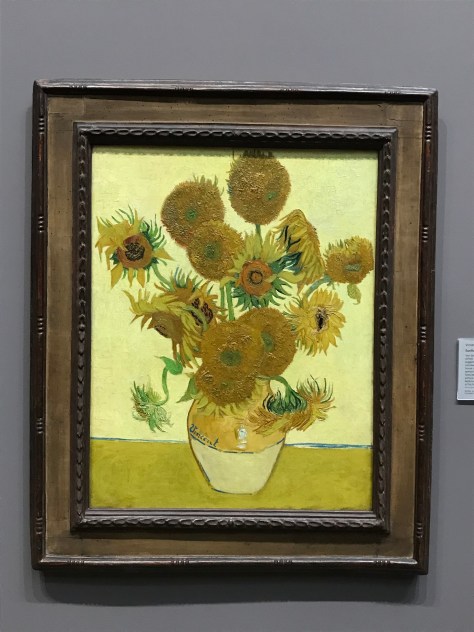
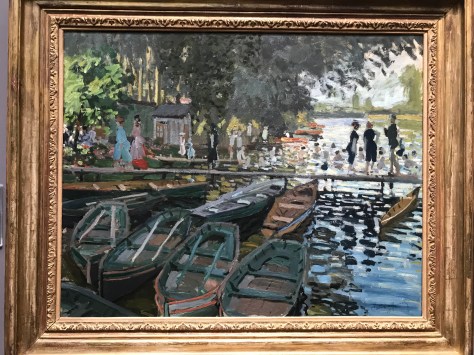
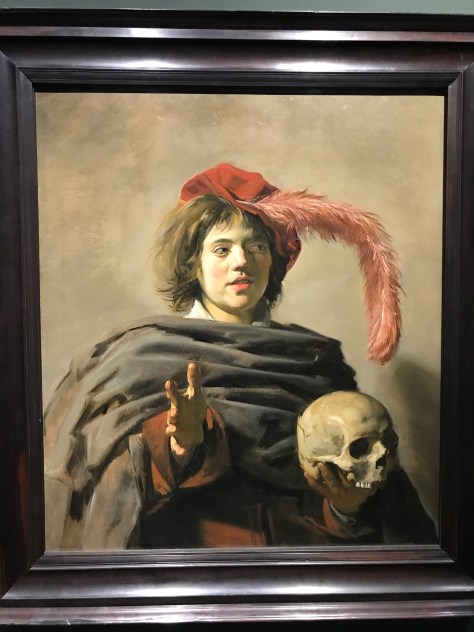
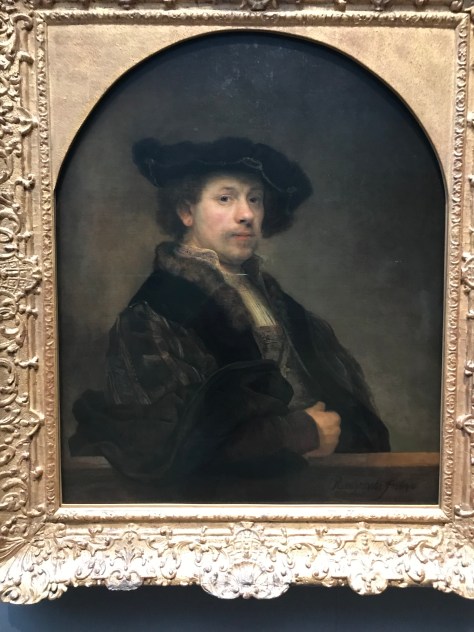
The National Gallery is amazing. A must visit for Renoir, Van Gough, Monet and Rembrandt.

We finished up with a visit to St. Paul’s Cathedral and a great final walk along the Thames to the hotel near The Tower.

Top Exhibitions: “Manet and Modern Beauty” At The J. Paul Getty Museum Opening October 8

The Rue Mosnier with Flags - Eduard Manet - Getty MuseumÉdouard Manet was a provocateur and a dandy, the Impressionist generation’s great painter of modern Paris. This first-ever exhibition to explore the last years of Manet’s short life and career reveals a fresh and surprisingly intimate aspect of this celebrated artist’s work. Stylish portraits, J. Paul Getty Museumluscious still lifes, delicate pastels and watercolors, and vivid café and garden scenes convey Manet’s elegant social world and reveal his growing fascination with fashion, flowers, and his view of the parisienne—a feminine embodiment of modern life in all its particular, fleeting beauty.
 

To read more: http://www.getty.edu/art/exhibitions/late_manet/

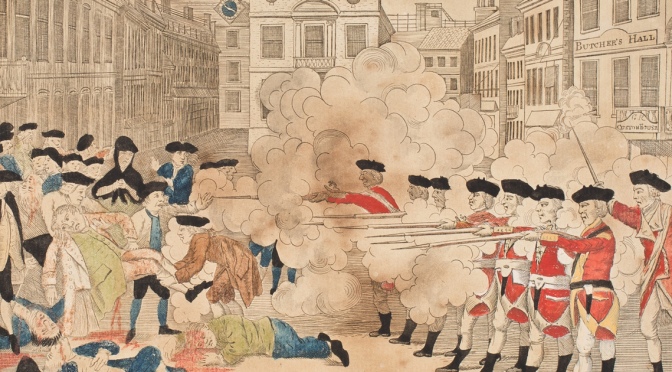
Museum Exhibitions: “Beyond Midnight – Paul Revere” At The New York Historical Society

From an New York Times online review:

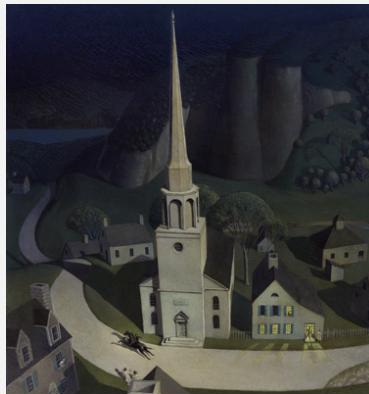
Grant Wood (1892−1942), Midnight Ride of Paul Revere, 1931. Oil on Masonite. Metropolitan Museum of ArtRevere’s place in history was cemented by the Longfellow poem, published in 1861, more than 40 years after Revere’s death. Longfellow “was flexible about the historical details,” said Debra Schmidt Bach, who coordinated the exhibition for the New-York Historical Society. “I mean, it was a fictionalized poem,” she said. “It was not intended as a detailed examination of the ride.”

NY Historical Society.JPGThe exhibition was organized by the American Antiquarian Society, of which Ms. Hewes is the curator of graphic arts. Nan Wolverton, the show’s other curator, is the director of fellowships at the antiquarian society, and of its Center for Historic American Visual Culture. The display includes more than 140 objects from the antiquarian society’s extensive Revere holdings; the New-York Historical Society’s own collection; the Museum of Fine Arts, Boston; and the Massachusetts Historical Society, among others.

To read more: https://www.nytimes.com/2019/09/11/arts/design/paul-revere-beyond-midnight.html

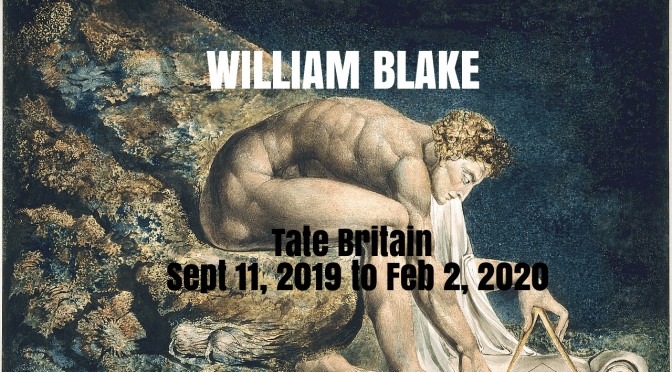
Top Exhibitions: William Blake At Tate Britain (Sept. 11, 2019 to Feb. 2, 2020)

From a Tate Britain online description:

Nebuchandnezzar by William BlakeAlthough Blake was considered mad by contemporaries for his idiosyncratic views, he is held in high regard by later critics for his expressiveness and creativity, and for the philosophical and mystical undercurrents within his work. His paintings and poetry have been characterised as part of the Romantic movement and as “Pre-Romantic”. A committed Christian who was hostile to the Church of England (indeed, to almost all forms of organised religion), Blake was influenced by the ideals and ambitions of the French and American Revolutions.
William Blake (28 November 1757 – 12 August 1827) was an English poet, painter, and printmaker. Largely unrecognised during his lifetime, Blake is now considered a seminal figure in the history of the poetry and visual arts of the Romantic Age. What he called his prophetic works were said by 20th-century critic Northrop Frye to form “what is in proportion to its merits the least read body of poetry in the English language”. His visual artistry led 21st-century critic Jonathan Jones to proclaim him “far and away the greatest artist Britain has ever produced”. In 2002, Blake was placed at number 38 in the BBC’s poll of the 100 Greatest Britons.

To read more: https://www.tate.org.uk/art/artists/william-blake-39

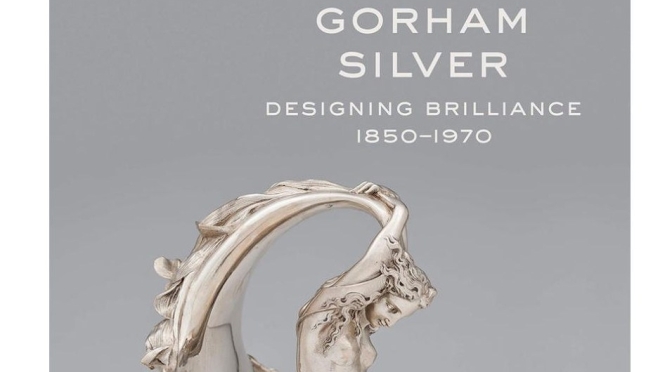
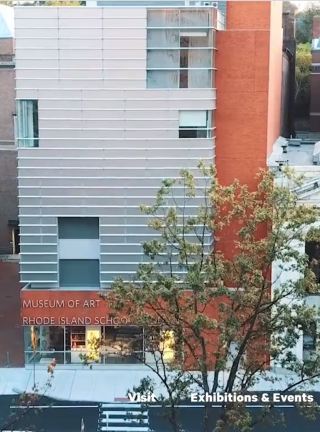
Top Museum Exhibitions: “Gorham Silver – Designing Brilliance 1850–1970” At The Rhode Island School Of Design

From a RISD Museum online exhibit:

RISD MuseumEstablished in 1831, the Gorham Manufacturing Company adeptly coupled art and industry, rising to become an industry leader of stylistic and technological achievement in America and around the world. It produced public presentation pieces and one-of-a-kind showstoppers for important occasions, as well as tableware for everyday use. Its works trace a narrative arc not only of great design but also of American ambitions. In this volume, insightful essays are accompanied by gorgeous new photography of splendid silver pieces along with a wealth of archival images, design drawings, casting patterns, and company records that reveal a rich heritage of a giant in decorative arts and silver manufacturing.

Produced in collaboration with the RISD Museum, which has the world’s most significant collection of Gorham silver, this major new book casts new light on more than 120 years of grand aesthetic styles in silver, innovative industrial practices, and American social and cultural norms.

Website: https://risdmuseum.org/art-design/projects-publications/publications/gorham-silver-designing-brilliance-1850-1970

Top Art Exhibitions: “The Impressionist Pastel” At Art Institute Of Chicago

From Art Institute of Chicago online release:

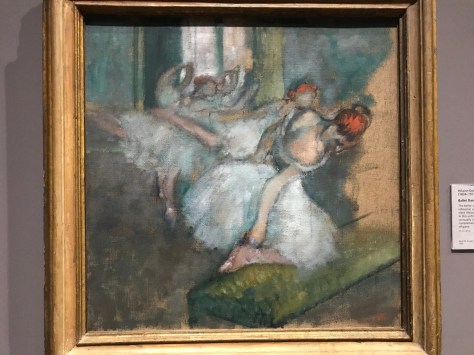
Two Dancers, c. 1893–98 Hilaire Germain Edgar DegasThis focused installation features pastels by four artists whose work was shown in the Impressionist exhibitions: Mary Cassatt, Edgar Degas, Eva Gonzalès, and Berthe Morisot. Their subjects range from scenes of modern life, such as ballet performers and a woman working in a hat shop, to depictions of intimate moments of bathing and women with children.

Although Impressionism is most closely associated with oil painting, during the late 19th century, Impressionist artists increasingly began to exhibit and market their prints and drawings as finished works of art. In fact, prints and drawings made up nearly half of the works in the eight Impressionist exhibitions held in Paris between 1874 and 1886. Pastels in particular became increasingly sought-after by collectors.

Art Institute Chicago logoPastel, a medium used to draw on paper or, less often, on canvas, is made by combining dry pigment with a sticky binder. Once artists have applied the pastel to the surface, they can either blend it, leave their markings visible, or layer different colors to create texture and tone. Pastel portraits had previously gained popularity in France and England in the 18th century, but fell out of fashion with critics when pastel was deemed too feminine; not only was it used by women artists, but it had a powdery consistency similar to women’s makeup. The Impressionists rejected this bias and instead embraced the medium’s ability to impart immediacy, boldness, and radiance.

Website: https://www.artic.edu/exhibitions/9400/the-impressionist-pastel

Cultural Destinations: The Huntington Library Launchess Centennial Celebration September 5

From The Huntington Library news release:

The Huntington Library and Gardens 100th CentennialThe Huntington’s Centennial Celebration kicks off on Sept. 5, 2019, with a special event for press and Southern California civic, higher education, and cultural leaders—a number of whose institutions are also celebrating significant anniversaries. Huntington President Karen R. Lawrence will host the celebration, sharing key news announcements and highlighting plans for the centennial year and beyond. The formal program will include a panel discussion with thought leaders on some of the big ideas shaping the future, brief presentations by Huntington leadership from each collection area, and a special musical performance interpreting sheet music from the Harold Bruce Forsythe collection. Public visitors will enjoy music in the gardens by Todd Simon and members of his Angel City All-Star Brass Band from noon to 2 p.m.

The Sept. 5 event will set the stage for a yearlong series of exhibitions, public programs, new initiatives, and more—inviting people with a range of interests to engage with the venerable institution’s collections and the connections they offer while exploring the interdisciplinary ideas that will shape the next 100 years. The Centennial Launch’s program reflects the interdisciplinary lens of The Huntington’s incomparable collections.

To read more click on the following link: https://www.huntington.org/news/centennial-celebration-sept-5

Top Upcoming Exhibitions: “James Tissot – Fashion & Faith”, Legion Of Honor Museum In San Francisco Oct 12, 2019 To Feb 9, 2020

James Tissot, Self Portrait, ca. 1865. Oil on panel Fine Arts Museums of San Francisco, Museum purchase, Mildred Anna Williams CollectionTissot consistently defied convention in both his professional and personal life. His contributions to the academy and the avant-garde are documented by participation at diverse venues such as the Paris Salon as well as London’s Royal Academy and the Grosvenor and Dudley Galleries. This exhibition explores his multifaceted career with a fresh perspective and original scholarship and will also question where and how Tissot should be situated in narratives of the nineteenth-century canon.

Tissot was arguably a painter of modern life although he did not formally belong to the Impressionist circle and never exhibited in their group shows, despite an invitation from Edgar Degas. 

Legion of Honor Museum

The Fine Arts Museums of San Francisco and the Musée d’Orsay, Paris are co-organizing James Tissot: Fashion & Faith, the first major reassessment of the artist’s career in over 20 years. In San Francisco, this international retrospective will examine approximately 60 paintings, additional works on paper, and cloisonné enamels by Tissot. Exhibition highlights are drawn from the permanent collections of the Fine Arts Museums of San Francisco, including Tissot’s Self Portrait (ca. 1865) as well as prints and photographs from the Achenbach Foundation for Graphic Arts. New scholarship on the artist presented in this collaboration demonstrates that even Tissot’s most ebullient society paintings reveal rich and complex commentary on topics such as nineteenth-century society, religion, fashion, and politics, rendering him an artist worthy of reexamination in the twenty-first century.

https://legionofhonor.famsf.org/exhibitions/james-tissot-fashion-faith