

Plastic surgery has been booming in the past decade. But it was the Covid-19 pandemic that catapulted the industry to new heights. Americans working from home spent hours watching themselves on camera, endlessly scrolling on social media and experiencing downtime from social events. This all but benefitted the plastic surgery industry, which saw a record number of patients as pandemic restrictions were lifted.
Tag Archives: Medicine

Covid-19: A Review Of The Best Rapid At-Home Tests
New high-tech Covid-19 tests promise better and earlier detection of the virus—similar to a PCR test. WSJ’s Joanna Stern (and her mannequin clone) tried out the Detect Covid-19 Test and Cue Health Monitoring System to see how they compare with rapid antigen tests. Photo illustration: Ryan Trefes/ WSJ

Covid-19: Review Of Latest Medicines & Treatments

Skin Cancer: The 3 Main Types (Cleveland Clinic)
Skin cancer is the most common form of cancer in the United States. The good news is, this disease is extremely treatable if caught early. Cleveland Clinic experts break down the 3 main types of skin cancer and how you can spot the signs of each.
Chapters: 0:00 Intro 0:24 What does skin cancer look like? 0:49 What are the signs of skin cancer? 0:59 What are the types of skin cancer? 1:06 What is basal cell carcinoma? 1:35 What is squamous cell carcinoma? 1:52 What is melanoma? 2:26 When should you talk to your doctor about skin cancer?

Medicine: Every Major Tool A Heart Surgeon Uses
Dr. Leonard Lee, a cardiac surgeon, explains every common tool he uses when he performs heart surgery in his operating room.
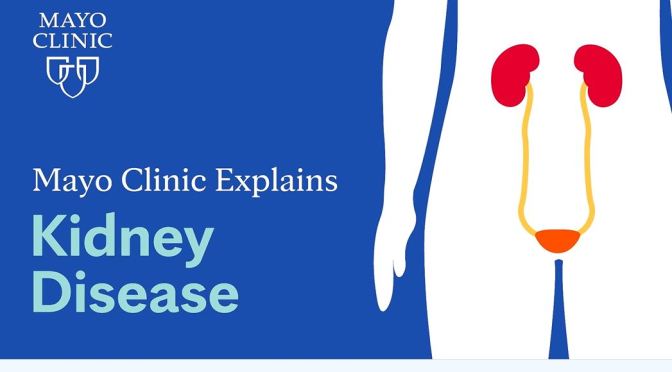
Medicine: Kidney Disease Explained (Mayo Clinic)
Chronic kidney disease, also called chronic kidney failure, involves a gradual loss of kidney function. Your kidneys filter wastes and excess fluids from your blood, which are then removed in your urine. Advanced chronic kidney disease can cause dangerous levels of fluid, electrolytes and wastes to build up in your body.
Video timeline: 0:31 What is kidney disease? 1:09 Who gets kidney disease/risk factors? 2:24 Kidney disease symptoms 3:03 How is kidney disease diagnosed? 3:53 Treatment options 5:23 Coping methods/ What now? 6:16 Ending
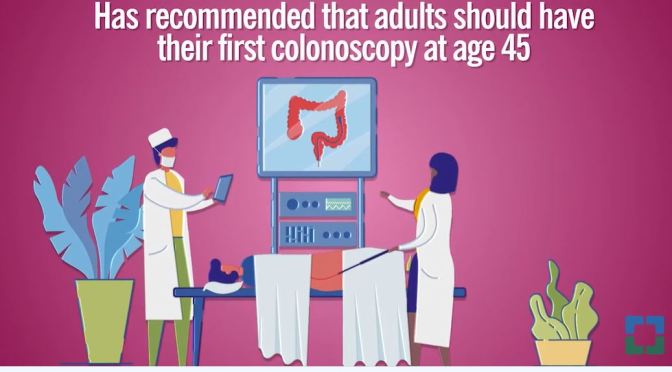
CANCER: WHAT AGE SHOULD YOU GET A COLONOSCOPY?
According to the American Cancer Society, colorectal cancer is the third most common cancer diagnosed in both men and women in the United States. While diagnoses are decreasing in people over the age of 50, there’s been an increase for those who are younger.
For more information on why you should get a colonoscopy and how to schedule yours today, please visit https://cle.clinic/3oqWdy6

Covid-19: The Best Ways To Avoid Virus Transmission

Medicine: The Mayo Clinic Explains Lymphoma (Video)
Learning about lymphoma can be intimidating. Let our experts walk you through the facts, the questions, and the answers to help you better understand this condition.
Video timeline: 0:24 What is Lymphoma? 1:20 Types of Lymphoma 2:04 Who gets Lymphoma? 2:48 Risk factors 3:30 Symptoms 4:10 How is Lymphoma diagnosed? 5:07 Treatment options 6:11 Coping methods/ What now? 7:09 Ending
For more reading visit: https://mayocl.in/3xThjs7

Medicine: How To Treat Coronary Heart Disease
More than 360,000 people died from coronary artery disease in 2019. While there is no cure to the disease, you can take steps to lower your risk and manage the harmful plaque build-up impacting your health. The information in this video was accurate as of 11.25.2021 and is for information purposes only. Consult your local medical authority or your healthcare practitioner for advice.
Chapters: 0:00 Intro 0:12 What is coronary artery disease? 0:26 What are the signs of coronary artery disease? 0:41 Can you reverse coronary artery disease? 1:04 What are statins? 1:34 What are the treatments for coronary artery disease? 1:46 Make lifestyle changes to reduce your risk. 2:07 Taking medication can help treat coronary artery disease. 2:25 What is a coronary stent procedure? 3:03 What is coronary artery bypass graft surgery? 3:36 What’s the best treatment for coronary artery disease? 3:45 When should you talk to your doctor about coronary artery disease symptoms?
 Boomers Daily