Tag Archives: Kyoto

Japan Restaurants: Inside Tour Of Kyoto 3-Michelin Star Kikunoi Honten (2024)

Alvin Zhou Films (August 17, 2024): Hidden amidst the tranquil green setting of Kyoto, lies Kikunoi Honten, a world-renowned 3-Michelin Star kaiseki restaurant that has served guests traditional Japanese cuisine for over 100 years.

Housed in a mansion that resembles a samurai residence and teahouse, Kikunoi’s dining atmosphere is like something I’ve never seen. From traditional tatami mat rooms with unique flower arrangements and hanging scrolls, to the views of beautiful gardens that surround the estate, I was in awe the second I stepped inside. The food served at Kikunoi is on a level I couldn’t imagine.

Each course is prepared with ingredients that can only be harvested 10 days of out of the year, and the menu changes constantly to reflect the ebb and flow of nature and its seasons. 35 cooks fill the kitchen, each focused on a single task. It was a sight to behold.

I am beyond honored to have been able to spend time in such close quarters with the team inside their establishment – every second was a dream to film. Yoshihiro Murata is at the helm, leading his brigade of chefs and cooks to something exquisite and beautiful. I met and talked with many of the staff – they were all so kind, inviting, warm, and fiercely talented in the kitchen.
Culinary Profile: Kyoto Chef Hisao Nakahigashi

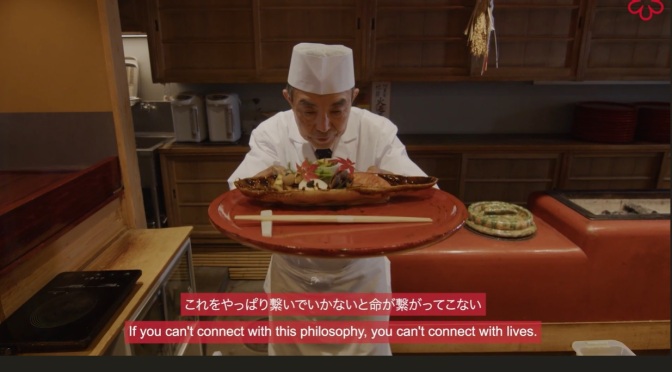
MICHELIN Guide (January 26, 2024) – Every morning, Chef Hisao Nakahigashi ventures into Kyoto’s countryside, exploring the forest and mountains where he has spent his entire life. He gathers fresh vegetables, herbs and flowers for his restaurant’s daily menu.

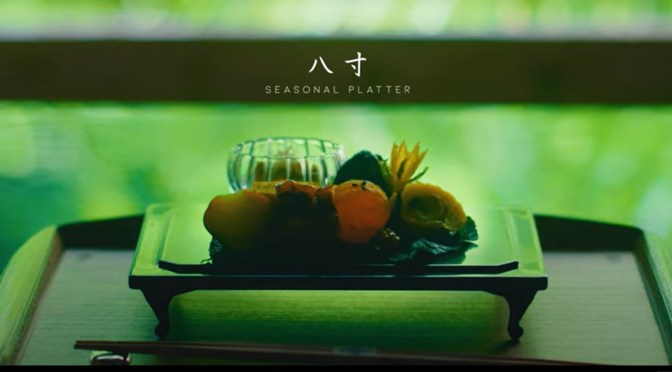
With the credo of “eat all of what is edible”, this restaurant embraces the concept of fully-use all the parts of ingredients. True advocate of the local producers he works with, chef Nakahigashi’s philosophy transpire in the hassun he plates every day, expressing the rustic beauty of the country through all five senses.

In this Green Star in action episode, we dive into the world of chef Hisao NAKAHIGASHI whose restaurant Sojiki Nakahigashi (草喰なかひがし) – literally ‘herbivorous cuisine’ – is awarded a Green Star and Two Stars in the MICHELIN Guide Kyoto & Osaka 2023. Dining here means reconnecting with the environment, fostering a commitment to an eco-conscious life. It offers not only flavorful dishes but also culinary creations that embody mindfulness and a profound respect for nature.

#MICHELINGreenStar #TwoMICHELINStars #MICHELINrestaurants #restaurant #chef #portrait #MICHELINGuideKYOS

Cinematic Japan: Renge-Ji Temple Garden In Kyoto

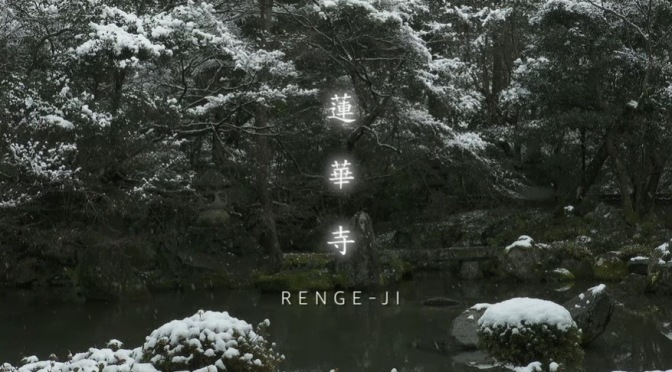
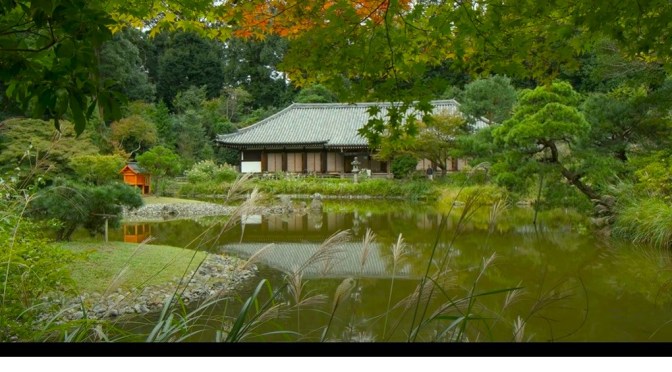
Yurara Sarara Films (January 20, 2024) – Renge-ji is a small temple in the north-east of Kyoto city. It was founded in 1662 by Imaeda Chikayoshi but other sources state that it was originally near the current location of Kyoto Station, and that Imaeda-san only moved it here and “revived” it long after its total destruction during the Onin war (1467~1477).

The main hall garden is of the “pond” style, formally known as “chisenkai kaiyuushiki garden” (池泉回遊式庭園). The only island stone of the pond represents a ship and is called “funaishi”, which means… ship stone 😉

Japan Gardens: Jojakko-Ji Temple Kyoto In The Rain

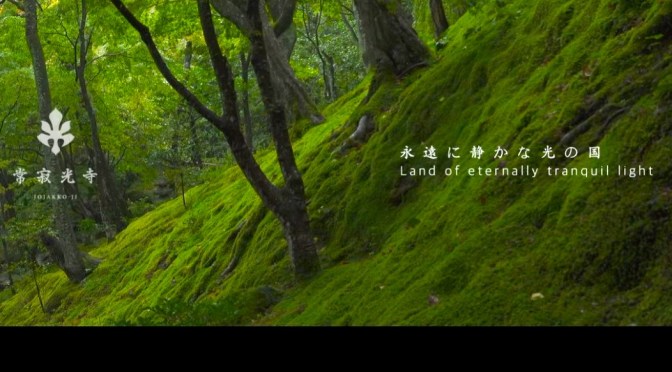
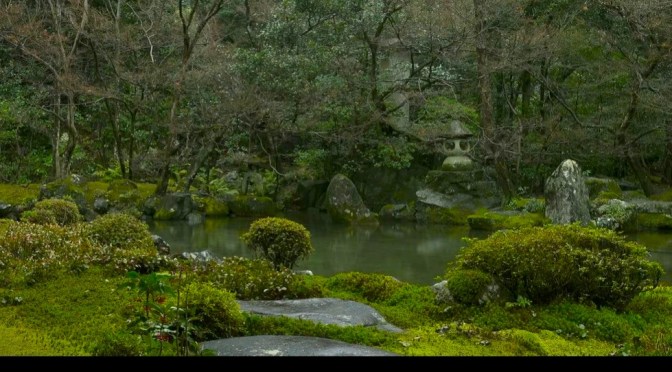
Yurara Sarara Films (January 14, 2024) – Jojakkoji Temple 雨の常寂光寺 in the rain. Established at the end of the 16th century, Jojakkoji is a Nichiren temple situated on the side of Mt. Kokura, on Kyoto’s western edge. The temple is famous for its autumn leaves.

Views: The Zen Beauty Of Japanese Gardens In Kyoto

Yurara Sarara Films (December 15, 2023) – Collections of the beauty of Japanese gardens in Kyoto. There are many types of Japanese gardens, from the karesansui dry rock gardens that replicate the flow of water with rocks, to the strolling gardens that are built around a pond. Because of the relation these gardens have with Zen and the Japanese concept of wabi and sabi, they are most often found at temples, so this, of course, means there are many Japanese gardens in Kyoto.

Autumn Tours: Saiho-ji Moss Temple, Kyoto, Japan

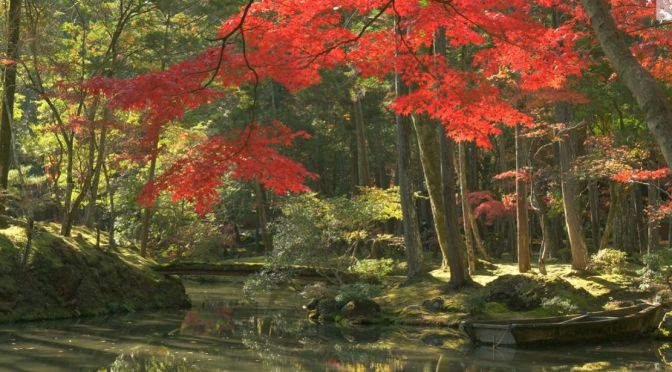
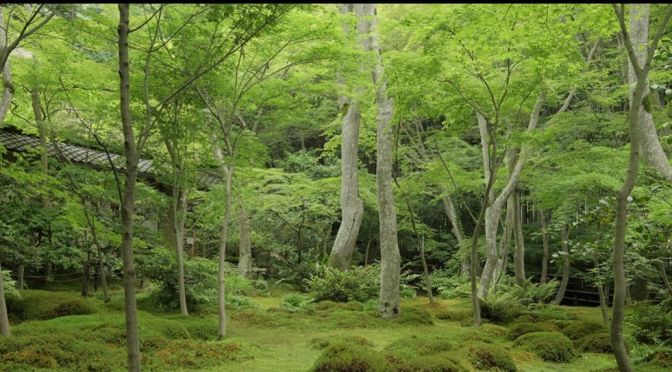
Yurara Sarara Films (December 3, 2023) – Saihō-ji is a Rinzai Zen Buddhist temple in Matsuo, Nishikyō Ward, Kyoto, Japan. The temple, which is famed for its moss garden, is commonly referred to as “Koke-dera”, meaning “moss temple”, while the formal name is “Kōinzan Saihō-ji”

Travel: A Tour Of Joruri-ji Temple In Kyoto, Japan

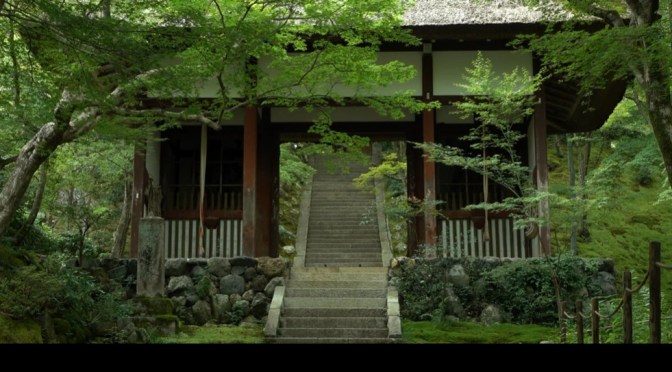
Yurara Sarara (October 21, 2023) – Joruri-ji Temple, located in the “Kyoto Infused with Tea” region, is a temple of the Shingon Ritsu Buddhism (Nara sect) that holds 4 national treasures and 9 important cultural properties.

According to the records of the temple, the temple was opened in 1047 by Yoshiaki Shonin and enshrines the “Yakushinyourai,” the Buddha who can cure all illness. The name of the temple is said to come from “Joruri,” the realm where the Buddha lives.

The main hall of Joruri-ji is particularly long with nine Amida Buddhas enshrined inside. During the Heian period about 30 such nine-body Amida temples were built around Kyoto, but Joruri-ji is the only temple that still exists. Both the main hall and nine-body Amida Buddha are designated as national treasures.

*The Nine Amida Buddhas sitting statues are being repaired two at a time over a five-year period from July 2018.

Japan Views: ‘Eikan-do – Temple Of Zen’ In Kyoto

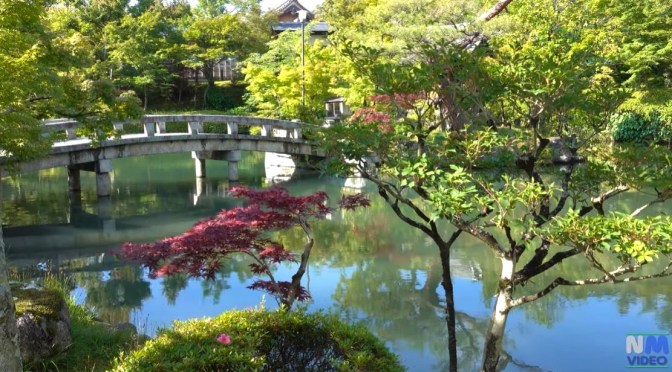
Massimo Nalli Films (August 5, 2023) – A tour of Eikan-dō (永観堂, “View of Eternity Hall” or “Hall of Yōkan) or “Zenrin-ji” (禅林寺, “Temple of Forest of Zen”) is the head temple for the Seizan branch of Japan’s Jōdo-shū (Pure Land) Buddhist sect.

The temple compound is nestled in Kyoto’s Eastern Mountain (Higashiyama), and its buildings, most of them connected by covered walkways and staircases, are scattered among a range of heights.

– Main gate – the Kōrai-mon (高麗門) is named after the ancient Korean kingdom of Goguryeo (Kōrai in Japanese). The current structure dates from the late Edo period (mid-19th century).

– Inner gate – the Yakui-mon (薬医門), along with the Kōrai-mon, derive from the fortress gates that would have surrounded the aristocratic mansion before it became a temple. Their placement and architecture are said to still reflect these origins today. The current structure dates to 1744.

Japan Culture: “100 Wabi-Sabi Gardens” In Kyoto

Yurara Sarara Films (July 16, 2023) – Wabi sabi can be defined as “beauty in imperfection” and can incorporate asymmetry, incompleteness, impermanence, and simplicity.

In addition to gardens, wabi sabi influences many other aspects of Japanese art and culture, such as the tea ceremony and pottery making, and it is also seen as a way of life.

A garden based around wabi sabi incorporates natural and manmade elements in a way that allows visitors to appreciate their humble and imperfect forms. This typically involves using not only plants but also stones and weathered manmade objects as design elements.