Tag Archives: Japan

Travel Guide: ‘Kanda Neighborhood, Tokyo’

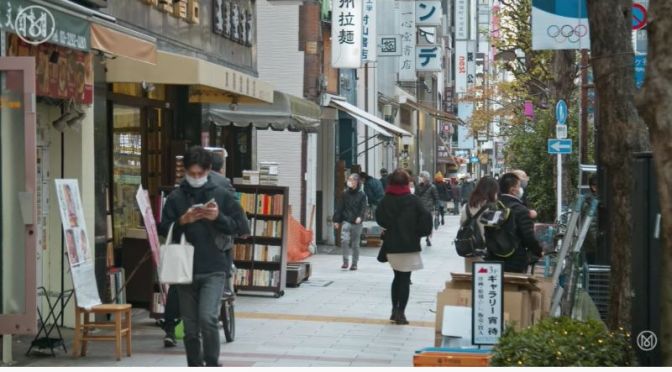
This historic corner of northeast Tokyo was once described as a place for “universities, bookshops and intellectuals”. Academic institutions are still there – along with the Holy Resurrection Cathedral – but Kanda is also home to electronics district Akihabara, a huge shrine and dozens of Japanese curry restaurants too.

Sprawling Kanda covers central districts like neon-lit Akihabara, known for its electronics stores, and Jimbocho, filled with bookshops. Students from the area’s many universities pack into bars, noodle shops, and karaoke rooms at night. Shinto shrines are found on quieter backstreets, including the nearly 1,300-year-old Kanda Myojin Shrine, with its crimson gate and altars to ancient gods of good fortune.
Travel Guides: ‘Yanaka Sector In Tokyo, Japan’

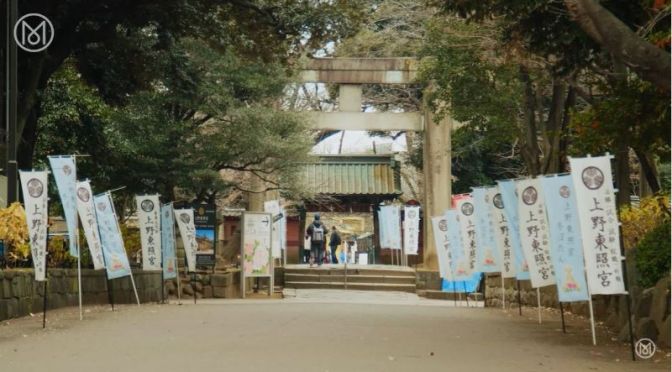
Yanaka moves at a different pace from much of Tokyo. As the city has changed around it, Yanaka has retained its old-fashioned atmosphere. Vacant wooden buildings have been brought back to life as new businesses such as cafés, noodle shops and galleries give them a fresh purpose.

Yanaka is a sector of Taito, Tokyo, Japan and, along with nearby Nezu and Sendagi neighborhoods in Bunkyo ward, is one of the few Tokyo neighborhoods in which the old Shitamachi atmosphere can still be felt. Located north of Ueno, Yanaka includes the large Yanaka Cemetery, which takes up most of Yanaka 7-chome.

Travel Guides: ‘Nihonbashi In Tokyo, Japan’ (Video)

Nihonbashi has deep roots in finance. In the Edo period this was the commercial centre of the city, with bustling canals, streets and markets. Recently, the neighbourhood has been attracting attention once again as exciting new businesses set up shop. Look behind the modern face to discover centuries of history.

Nihonbashi is a buzzing commercial quarter named for its landmark 17th-century canal bridge. The imposing Mitsukoshi Nihonbashi department store has been serving shoppers since 1904, while Coredo Muromachi mall has modern, stylish restaurants as well as shops for kimonos and lacquerware. The Tokyo Stock Exchange has a small museum and is surrounded by izakaya bars that fill up with off-duty traders at happy hour. 

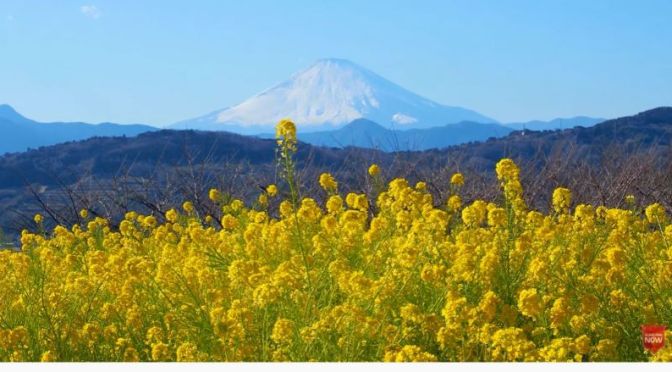
Early Spring Views: ‘Mount Fuji, Japan Framed By Wild February Flowers’ (Video)

Filmed on February 9, 2021

Shizuoka Prefecture (静岡県, Shizuoka-ken) is a prefecture of Japan located in the Chūbu region of Honshu.[1] As of December 2019, Shizuoka Prefecture has a population of 3,637,998 and has a geographic area of 7,777.42 km2 (3,002.88 sq mi). Shizuoka Prefecture borders Kanagawa Prefecture to the east, Yamanashi Prefecture to the northeast, Nagano Prefecture to the north, and Aichi Prefecture to the west.

Shizuoka is the capital and Hamamatsu is the largest city in Shizuoka Prefecture, with other major cities including FujiNumazu, and Iwata.[2] Shizuoka Prefecture is located on Japan’s Pacific Ocean coast and features Suruga Bay formed by the Izu Peninsula, and Lake Hamana which is considered to be one of Japan’s largest lakes. Mount Fuji, the tallest volcano in Japan and cultural icon of the country, is partially located in Shizuoka Prefecture on the border with Yamanashi Prefecture. Shizuoka Prefecture has a significant motoring heritage as the founding location of HondaSuzuki, and Yamaha, and is home to the Fuji International Speedway.

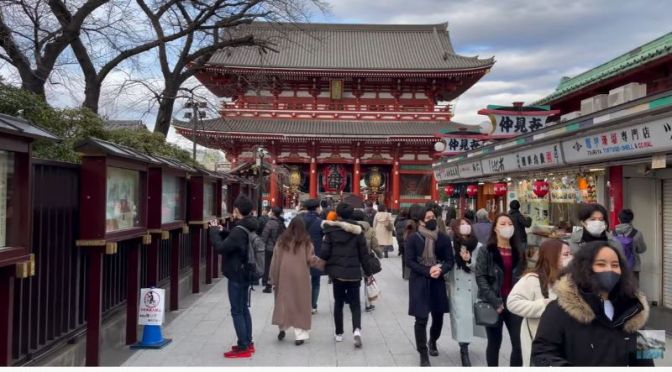
Walks: ‘Kaminarimon Gate Senso-ji, Tokyo’ (4K Video)

The Kaminarimon is the outer of two large entrance gates that ultimately leads to the Sensō-ji in Asakusa, Tokyo, Japan. The gate, with its lantern and statues, is popular with tourists. It stands 11.7 m tall, 11.4 m wide and covers an area of 69.3 m².

Video timeline: 【Locations】 00:00​ Preview 00:24​ Starting Point 00:32​ Kaminarimon Gate / 雷門 00:56​ Nakamise Shopping Street / 仲見世商店街 06:12​ Five-Storied Pagoda / 五重塔 06:26​ Hōzōmon Gate / 宝蔵門 16:38​ Denpoin Street / 伝法院通 24:38​ Shin Nakamise Shopping Street / 新仲見世商店街

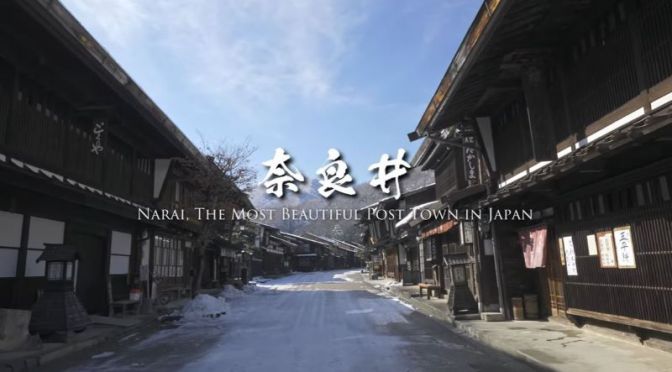
Winter Walks: ‘Narai – Central Japan’ (4K Video)

Narai is one of the post towns of the Nakasendo, the old golden route between Tokyo (Edo) and Kyoto. The Town remains unchanged as it was in Edo Period.

Narai-juku (奈良井宿, Narai-juku) was the thirty-fourth of the sixty-nine stations of the Nakasendō, as well as the second of eleven stations along the Kisoji.[1] It is located in the present-day city of ShiojiriNagano PrefectureJapan.

Views: ‘Tomo, Fukuyama’ – Hiroshima, Japan (4K Video)

Tomonoura, formerly known as Tomonotsu, is a port in the Tomo ward of Fukuyama, Hiroshima Prefecture, Japan. It stands on the southern point of the Numakuma Peninsula, 14 kilometers south of Fukuyama Station. Tomonoura has been a prosperous port since ancient times. 

Fukuyama is a city on Japan’s Ashida River. Myōō-in Temple has an ornate 5-story pagoda built in the 1300s. The grounds of Fukuyama Castle feature cherry blossoms in spring and colorful foliage in fall. The Hiroshima Prefectural Historical Museum displays the ruins of Kusado Sengen, the area’s medieval port. South, Tomonoura is a port town known for its Edo-era buildings and the stone Jōyatō Lighthouse.

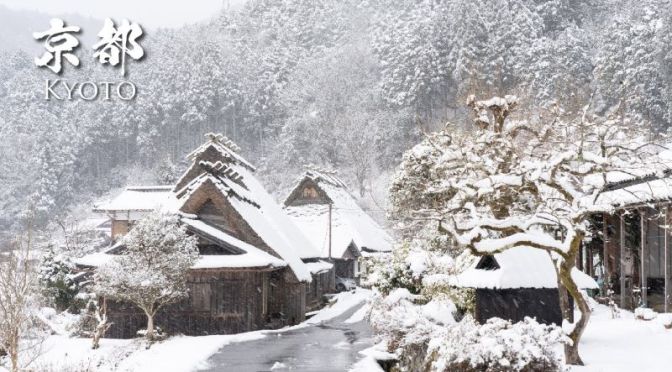
Winter Walks: Village Of ‘Miyama’ In Kyoto, Japan

Kyoto is famous for its historic temples and shrines, But Not so many tourists know about the beautiful village like Shirakawa-go, Miyama.

Miyama (美山) is a remote, rural area in the mountains 30 kilometers north of central Kyoto. The area is famous for its traditional, thatched roof (kayabuki) farmhouses of which over 200 can be seen dotting the countryside. Unlike those found in many other historic towns and districts around the country, the majority of Miyama’s old houses survive as residential dwellings where people still live and work. This in turn lends a very nostalgic atmosphere to the area, and gives visitors a chance to experience the traditional, authentic feel of rural Japan.

Train Travel: Countryside Around ‘Mt. Fuji, Japan’

Take a trip back in time and trace the paths of past travelers in the post towns and sacred spaces found in the majestic mountains of the Japanese countryside.

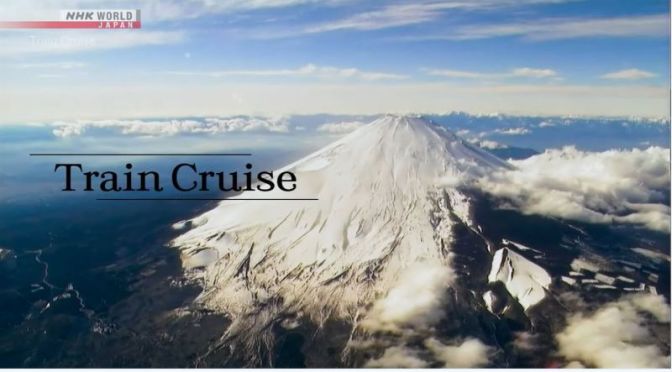
Japan’s Mt. Fuji is an active volcano about 100 kilometers southwest of Tokyo. Commonly called “Fuji-san,” it’s the country’s tallest peak, at 3,776 meters. A pilgrimage site for centuries, it’s considered one of Japan’s 3 sacred mountains, and summit hikes remain a popular activity. Its iconic profile is the subject of numerous works of art, notably Edo Period prints by Hokusai and Hiroshige.