A number of four-legged robot dogs made by companies like Boston Dynamics, Anybotics and Ghost Robotics have been deployed in the workforce already for applications like inspections, security and public safety among others. At their core, these four-legged robots are mobility platforms that can be equipped with different payloads depending on the type of information that companies want to gather.
Experts predict the insurance industry alone will spend $1.7 billion on robotics systems in 2025. And other industries may follow suit. Amid the pandemic, a tight job market is forcing many companies to turn to automation. A survey done in December of 2020 by McKinsey, showed that 51 percent of respondents in North America and Europe said they had increased investment in new technologies during 2020, not including remote-work technologies.
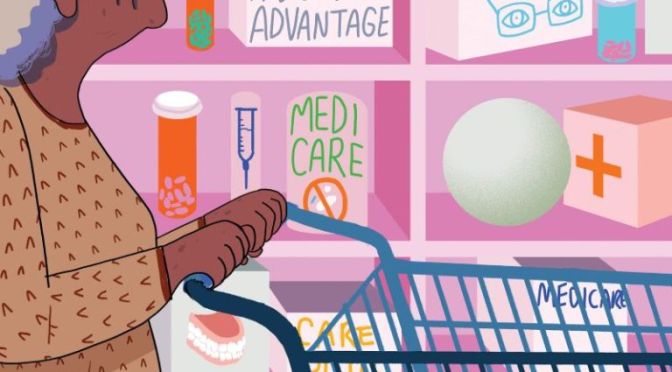
If you’re enrolled only in original Medicare with a Medigap supplemental plan, and don’t use a drug plan, there’s no need to re-evaluate your coverage, experts say. But Part D drug plans should be reviewed annually. The same applies to Advantage plans, which often wrap in prescription coverage and can make changes to their rosters of in-network health care providers.
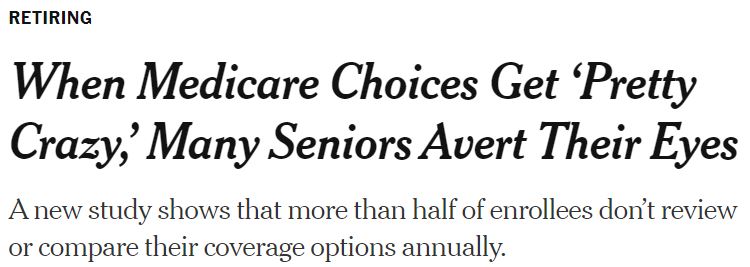
“The amount of information that consumers need to grasp is dizzying, and it turns them off from doing a search,” Mr. Riccardi said. “They feel paralyzed about making a choice, and some just don’t think there is a more affordable plan out there for them.”
Is there another way?
November 13, 2020
When creation of the prescription drug benefit was being debated, progressive Medicare advocates fought to expand the existing program to include drug coverage, funded by a standard premium, similar to the structure of Part B. The standard Part B premium this year is $144.60; the only exceptions to that are high-income enrollees, who pay special income-related surcharges, and very low-income enrollees, who are eligible for special subsidies to help them meet Medicare costs.
“Given the enormous Medicare population that could be negotiated for, I think most drugs could be offered through a standard Medicare plan,” said Judith A. Stein, executive director of the Center for Medicare Advocacy.
“Instead, we have this very fragmented system that assumes very savvy, active consumers will somehow shop among dozens of plan options to see what drugs are available and at what cost with all the myriad co-pays and cost-sharing options,” she added.
Advocates like Ms. Stein also urged controlling program costs by allowing Medicare to negotiate drug prices with pharmaceutical companies — something the legislation that created Part D forbids.
Israel’s Prime Minister Benjamin Netanyahu was in Washington yesterday to commemorate new peace accords with UAE and Bahrain – the first Arab states in a quarter century to normalize relations with Israel.
The peace accords between the Unite Arab Emirates and Israel could have major impacts on the future of the region, including possible compromises on Palestine and annexation of the West Bank.
Plus, what the civil disorder following the Black Lives Matter protests cost the insurance industry.
And, tips to ease Zoom fatigue.
Guests: Axios’ Jennifer Kingson, Eric Pandey and contributor Barak Ravid.
News, Views and Reviews For The Intellectually Curious






 Boomers Daily