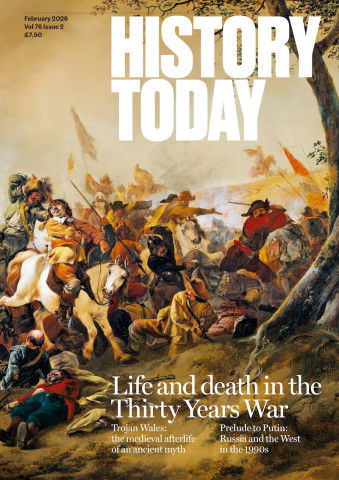
HISTORY TODAY MAGAZINE: The latest issue features ‘Life and Death in the Thirty Years War’ – Refugees in the Thirty Years War, the Trojan myths of medieval Wales, Russia in the 1990s, the godless students of London University, brothels of the British Empire, and more.
From 1517, when Luther’s 95 Theses sparked schism and bloodshed, the Protestant Reformation divided Europe. Can we say when – or if – the conflict concluded?
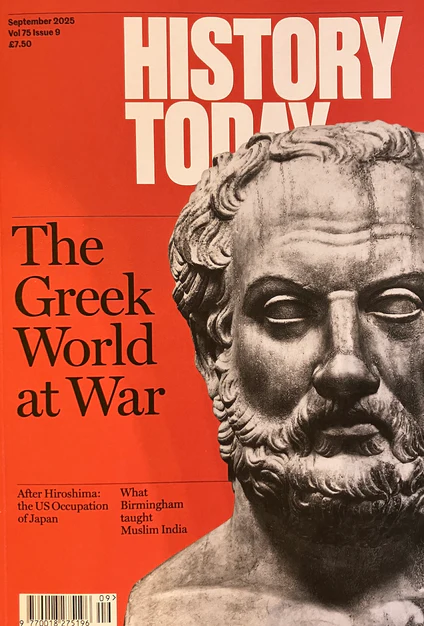
For the ancient Greeks, the Peloponnesian War was a conflict involving the entire world. For Thucydides, it was a lesson in the realities of human nature. Robin Waterfield
The Invention of the Eastern Question: Sir Robert Liston and Ottoman Diplomacy in the Age of Revolutions by Ozan Ozavcı offers the ‘sick man of Europe’ a second opinion.
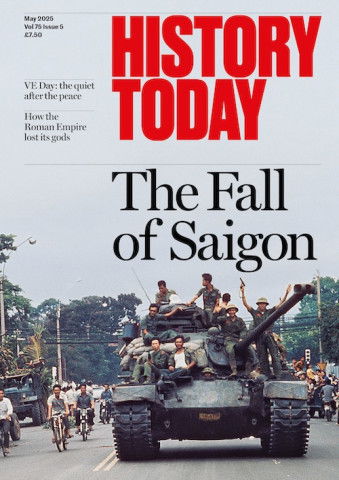
The Vietnam War effectively ended on 30 April 1975 with the arrival of the North Vietnamese army in Saigon. Thousands fled the city, but many more were left behind.
Renaissance Florence had a problem: it wanted female sex workers, but it also needed to offer them a way out. The solution was a new brothel district – and a nunnery for former prostitutes
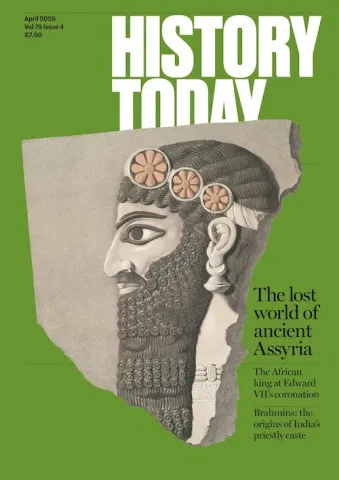
HISTORY TODAY MAGAZINE (March 25, 2025): The latest issue features ‘The Lost World of Ancient Assyria’ – The Library of Ashurbanipal, the African king at Edward VII’s coronation, the origins of India’s Brahmins, British witnesses to Buchenwald, spinning James I’s succession, and more.
Can Vietdamned: How the World’s Greatest Minds Put America on Trial by Clive Webb rescue Bertrand Russell and Jean-Paul Sartre’s activism from irrelevance?
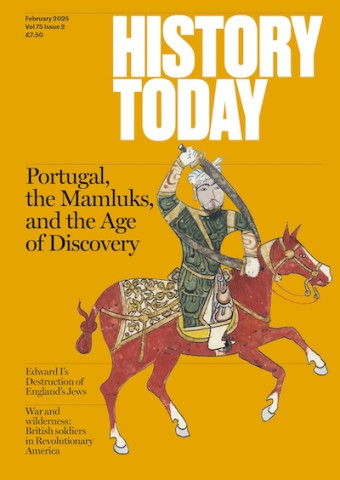
HISTORY TODAY MAGAZINE (January 23, 2025): The latest issue features the destruction of medieval England’s Jews, British soldiers in the American Revolutionary War, unreported murder in East Germany, ‘mad duchess’ Elizabeth Cavendish, and more.
For the Portuguese empire to rise, an old world had to give way. Rivals in Europe’s lucrative spice trade, how much did they know about the powerful Mamluk sultanate?
Man-Devil: The Mind and Times of Bernard Mandeville, the Wickedest Man in Europe by John J. Callanan revels in the making of the controversial satirist and philosopher.
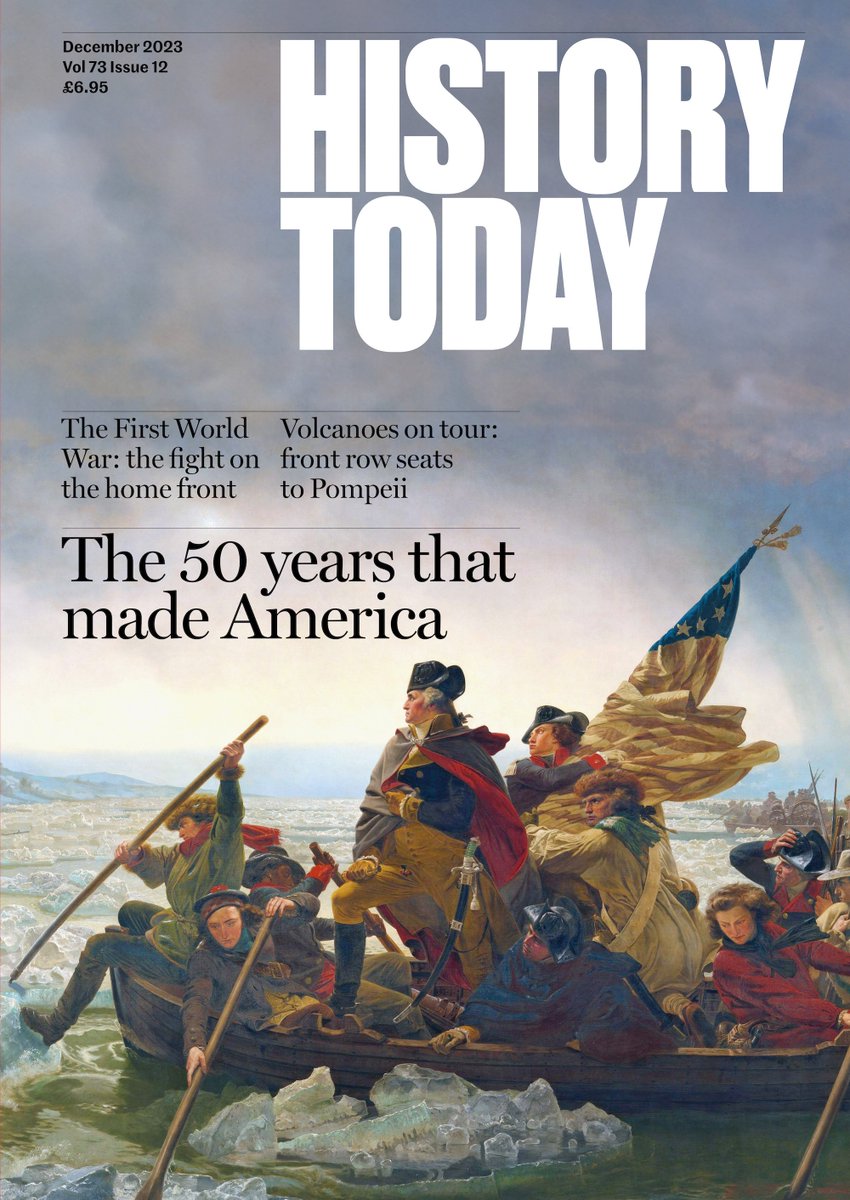
HISTORY TODAY MAGAZINE (DECEMBER 2023) – This issue features The 50 years that made America from Revolution to the Monroe Doctrine, the forgotten role of Archbishop Wulfstan, the home front of the First World War, the role of sokol in Czech nationalism, Volcanos on tour, and the best history books of 2023.
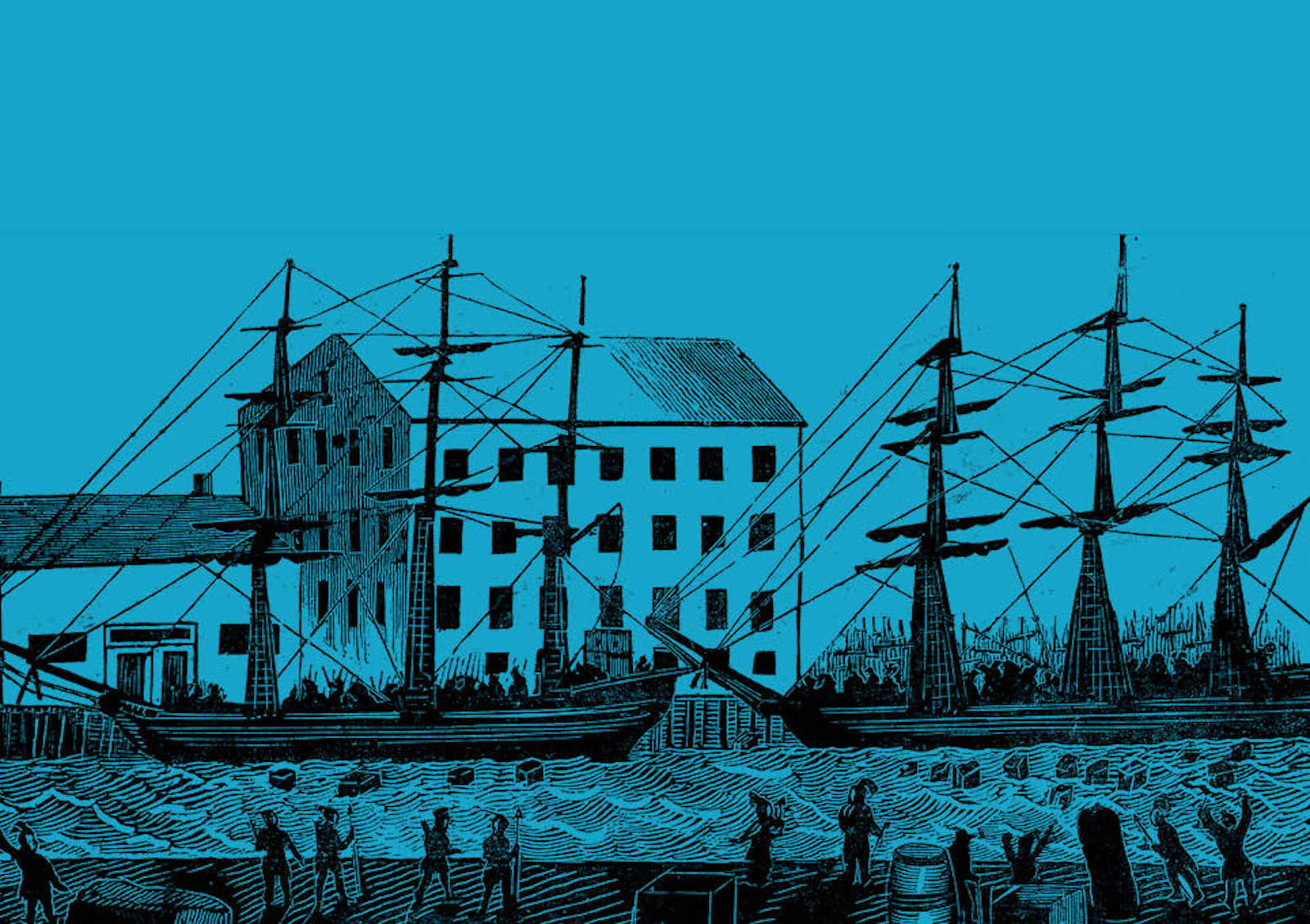
Fifty years separate the Boston Tea Party and the Monroe Doctrine. How did a group of British colonies become a self-proclaimed protector of continents within half a century?
It was the evening of 16 December 1773. At Boston’s Old South Meeting House, more than 5,000 people awaited word from the governor of Massachusetts Bay, Thomas Hutchinson. Had the governor finally given in to their demand to send back to England the three ships laden with East India Company tea that were moored in Boston harbour? When learning of the governor’s refusal, tradition holds that the firebrand orator Samuel Adams loudly declared that ‘this meeting’ could do no more to defend the rights of the people. The words were a pre-arranged signal.
Books of the Year 2023
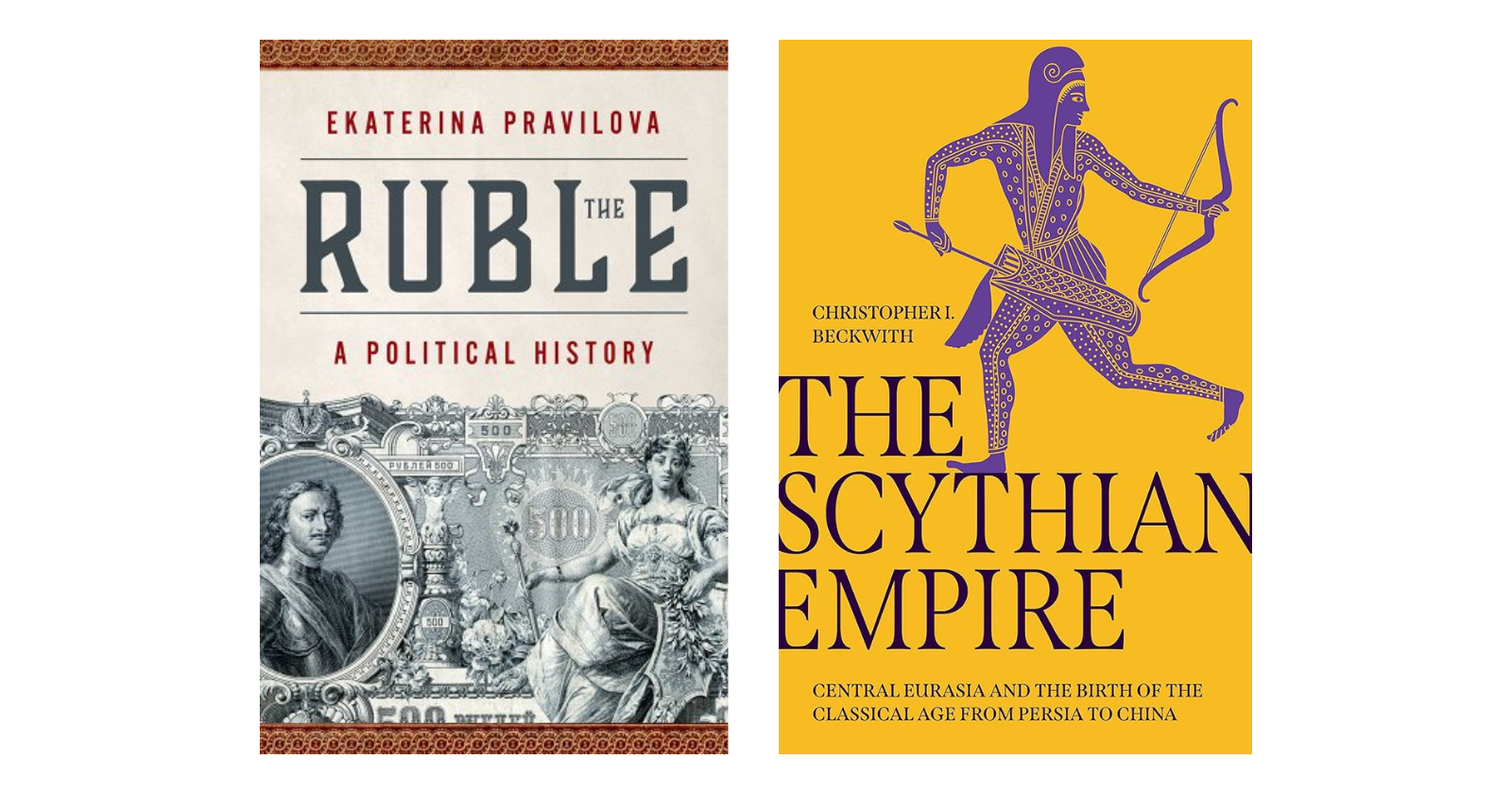
Revolutions and rubles, godlings and fascist symbols, Shakespeare and silk: ten historians choose their favourite new history books of 2023.
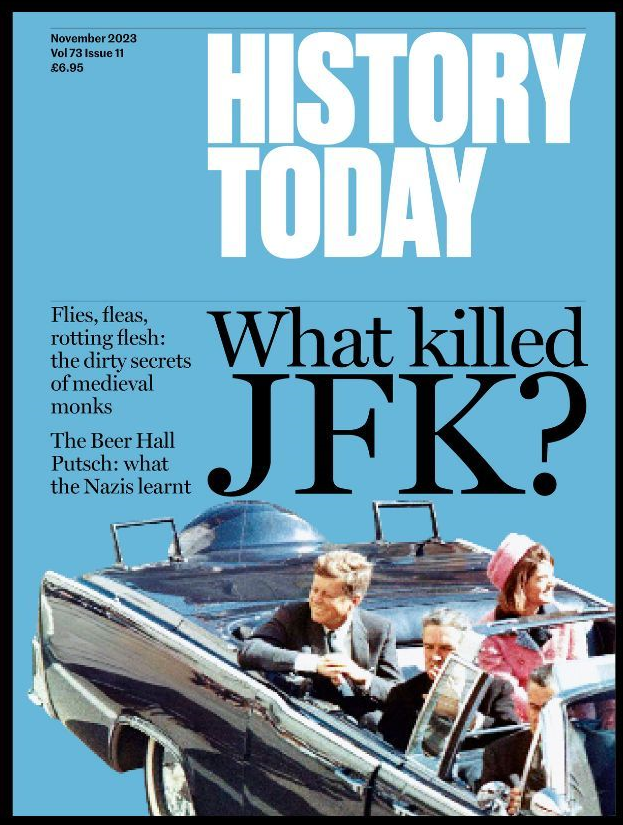
HISTORY TODAY MAGAZINE (NOVEMBER 2023) – This issue features The murder John F. Kennedy 60 years on, the dirty secrets of medieval monks, what the Nazis learnt from the Beer Hall Putsch, Christianity’s bloody history in Japan, and deaf expression in Renaissance art.
Was it the mob? A coup? Cuban dissidents? War hawks? 60 years after the assassination of John F. Kennedy, the theories are still debated. Do any of them hold up?
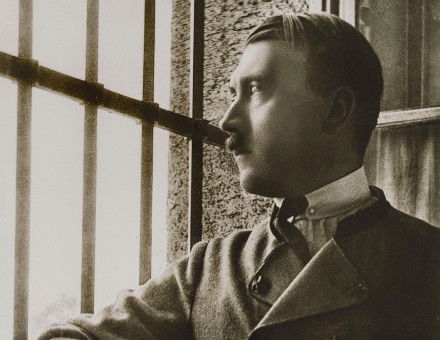
In the aftermath of the Munich Beer Hall Putsch of November 1923, Hitler was in prison and the Nazi Party banned. But its failure taught him valuable lessons.
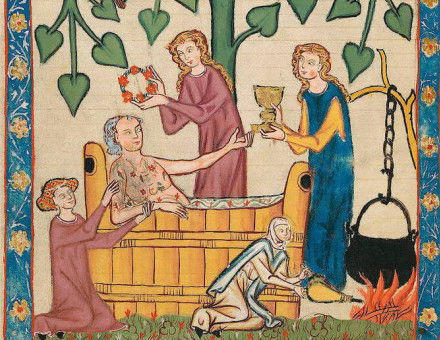
Repulsive revelations of bodily infestations were viewed by some in medieval Europe as proof of sanctity. But for most, parasites were just plain disgusting.
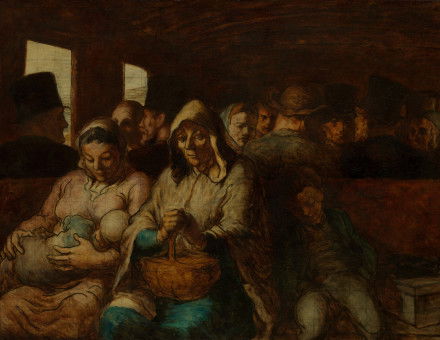
Confinement: The Hidden History of Maternal Bodies in Nineteenth-Century Britain by Jessica Cox looks at the engine of the Victorian population boom: motherhood.
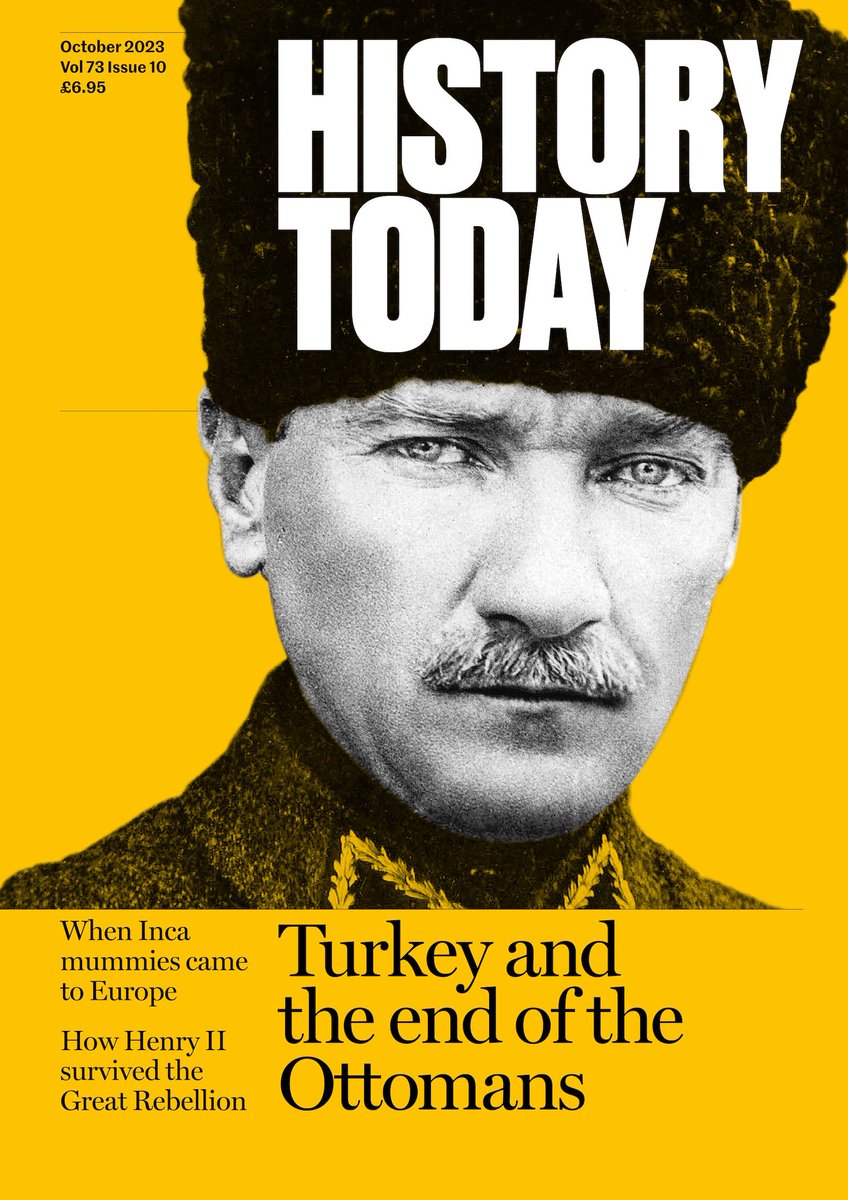
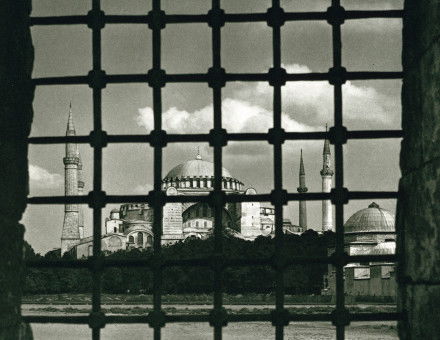
HISTORY TODAY MAGAZINE (OCTOBER 2023) – This issue features Turkey and the end of the Ottomans; When Inca mummies came to Europe; How Henry II survived the Great Rebellion, and more…
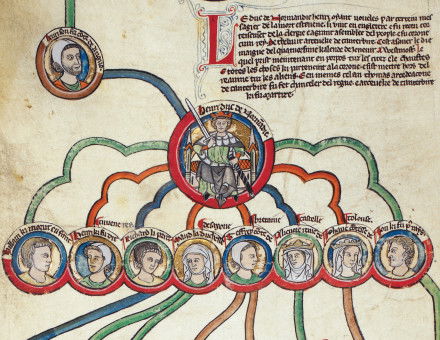
In 1173 the Angevin empire looked set to fall, facing rebellion on all sides. Against incredible odds Henry II won a decisive victory, silencing kings, lords – and his own children.
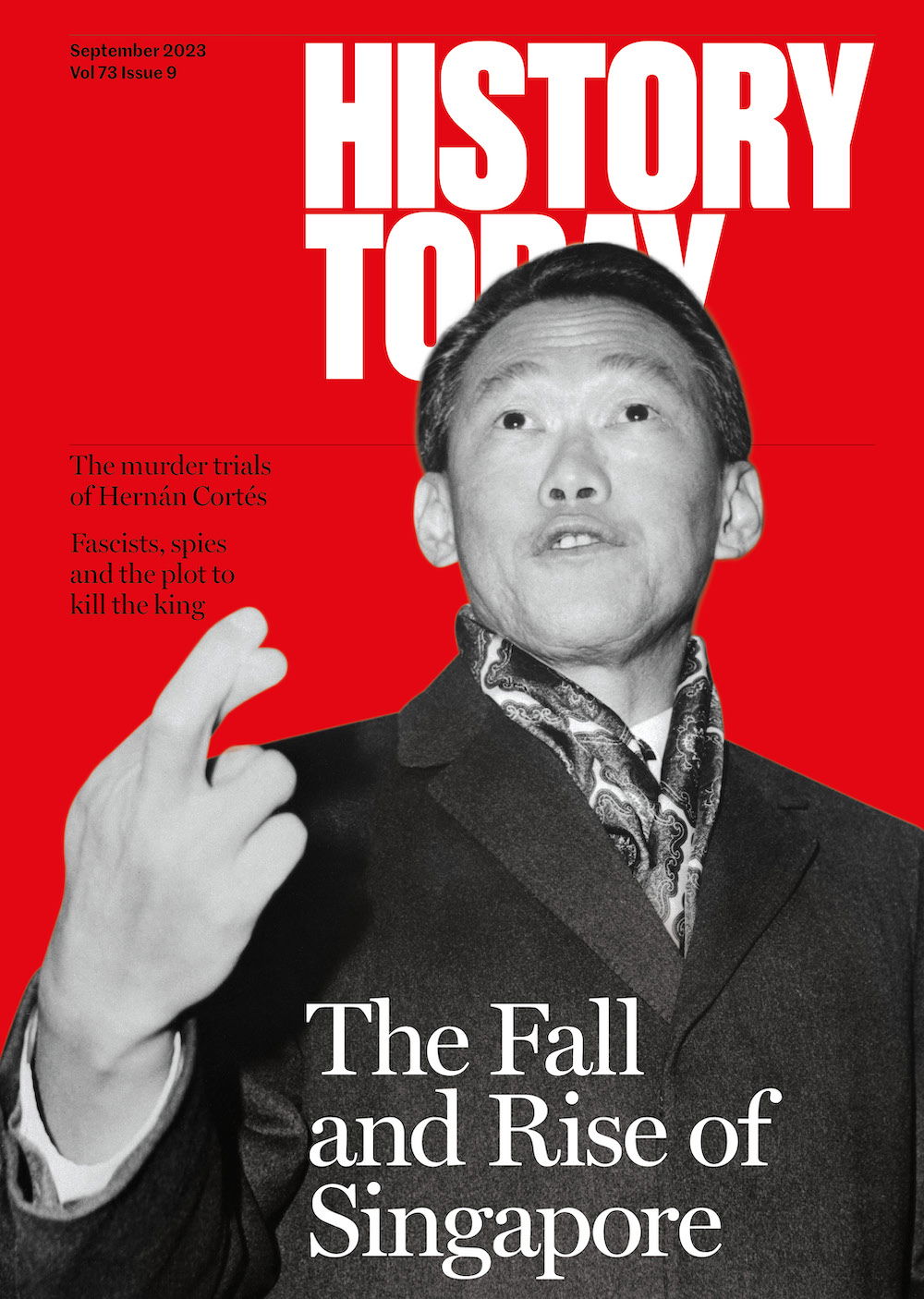
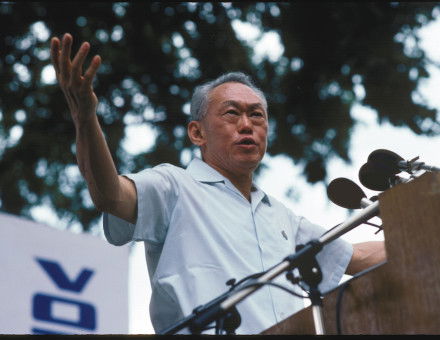
HISTORY TODAY MAGAZINE (SEPTEMBER 2023) – This issue features Lee Kuan Yew’s Singapore story, conquistador Hernán Cortés’ on trial, the fascist plot to kill the king, the fascinating fusion of Old English names, and sharpshooter Marjorie Foster’s battle with the War Office. Plus: reviews, opinion, crossword and much more!
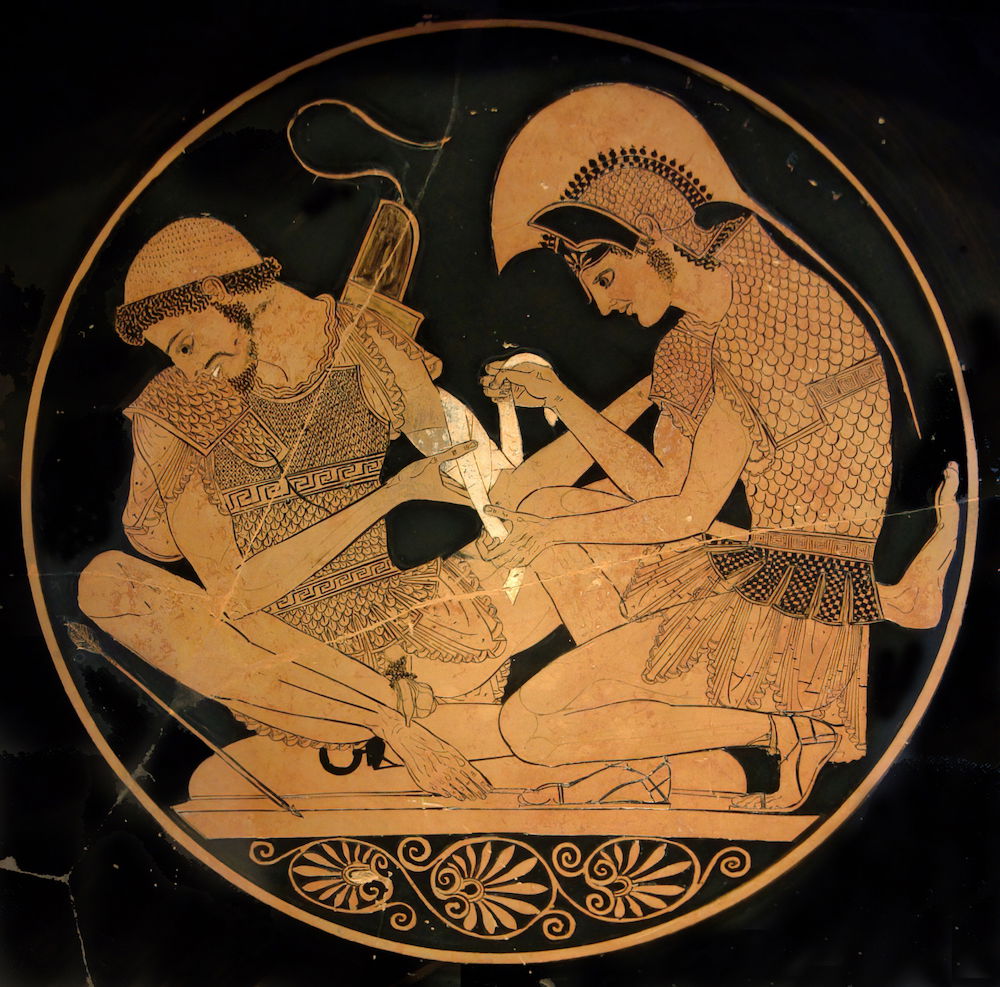
Faced with a jumble of bewildering ruins, modern visitors to Hisarlik in northwest Turkey, the site of ancient Troy, may find themselves perplexed and sometimes disappointed. The wide bay where the Greeks so famously beached 1,000 ships is gone, buried in silt from a local river, while beyond the fine sloping walls, a palimpsest of settlements spanning 4,000 years lies scarred and disfigured by the deep trench gouged by Heinrich Schliemann, its first archaeologist, during two decades of digging in the 19th century. Schliemann had been drawn to Hisarlik, and also to mainland Greece, by his passion for the Homeric poems, the Iliad and Odyssey, and his conviction that they described or reflected real societies and events, not least the decade-long Trojan War.
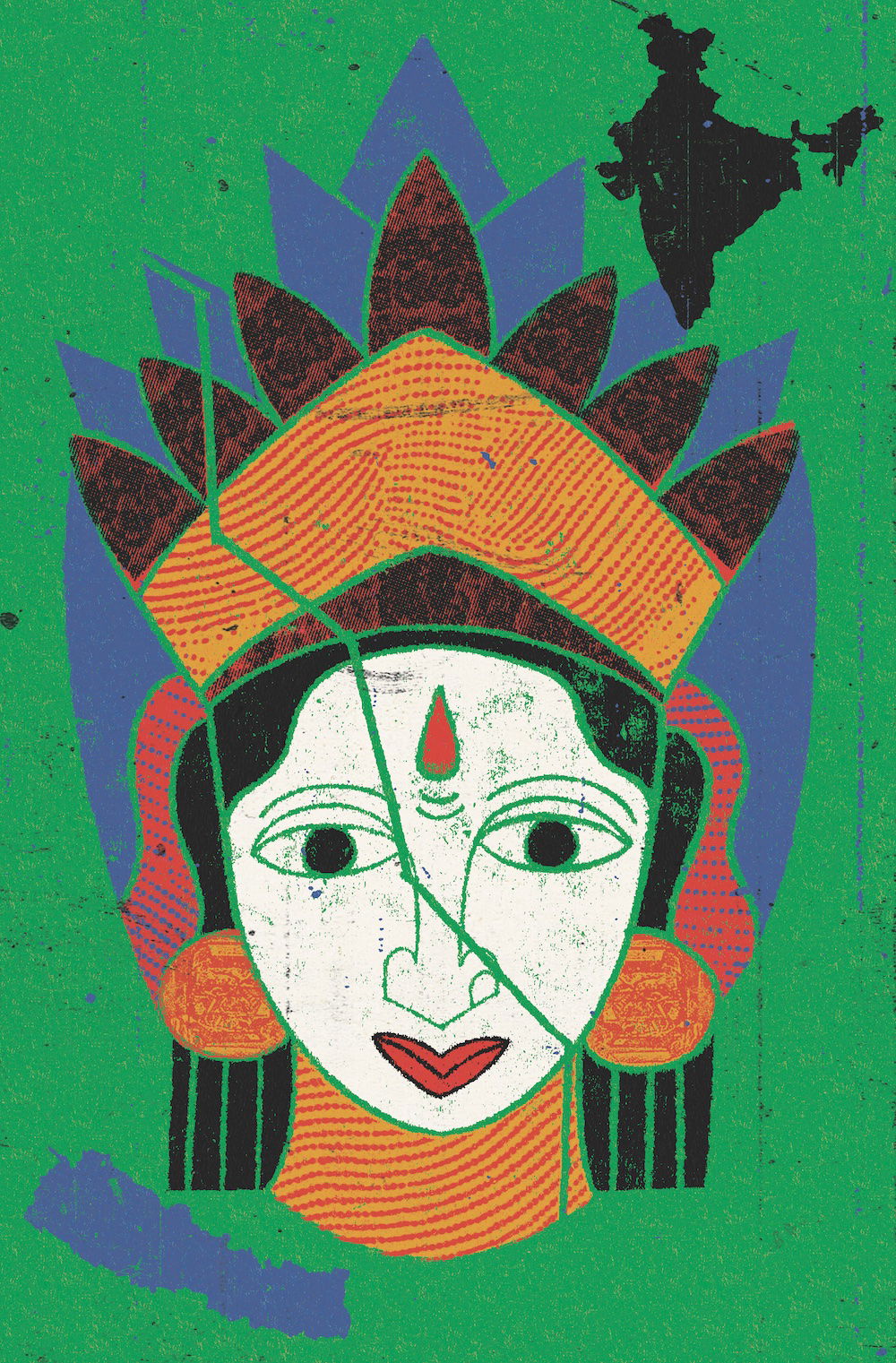
Balen Shah, the 33-year-old rapper and mayor of Kathmandu, is a man on various missions. Since his unlikely victory in 2022, he has waged war on government ministries, landlords, Nepal’s civil aviation authority, roadside hawkers and landless slum dwellers. Now he is taking on Bollywood because of a supposed historical slight.
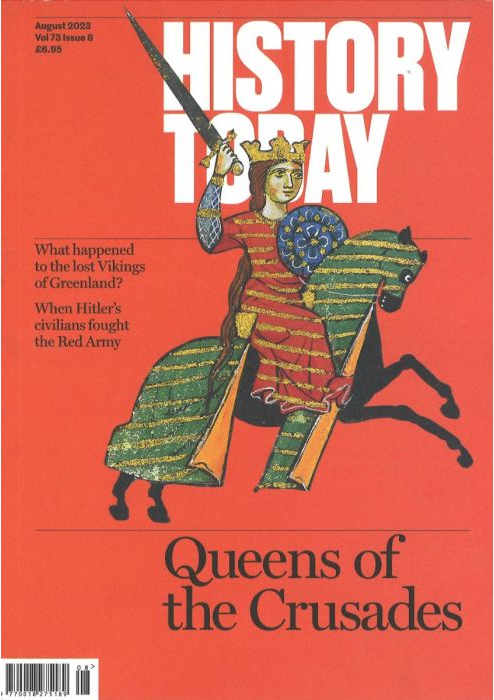
HISTORY TODAY MAGAZINE (AUGUST 2023) – Queens of the Crusades, What happened to the Lost Vikings of Greenland, When Hitler’s civilians fought the Red Army, and more…
News, Views and Reviews For The Intellectually Curious

 Boomers Daily