
From a New York Times article by Lisa Sanders, M.D.:
 In sarcoidosis, abnormal collections of cells called granulomas invade the organ, interfering with its normal activity and often destroying the surrounding tissue. What is left is a scar, known as fibrosis, dotted with these abnormal granulomas.
When caught early, sarcoidosis can be treated and the destruction slowed or even stopped. But it was too late for that in this man’s case. He was started on immune-suppressing medications to prevent additional damage, but he needed a new heart.
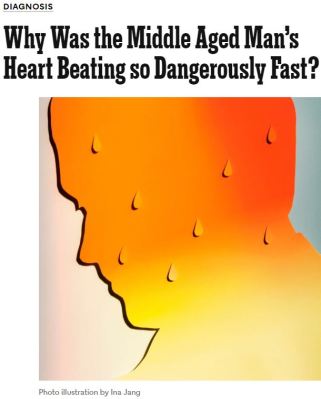
The man had been active and healthy, until five years earlier when he started to feel tired. His doctor sent him to a cardiologist, who took one look at his EKG and said he needed a pacemaker, right away. He got one the next day. He was fine for a year, and then, on a business trip to Atlanta, he suddenly felt lightheaded, and his heart fluttered wildly in his chest. In the E.R. they told him his heart was beating 220 beats a minute. You should be dead, one doctor said.
To read more click on the following link: https://www.nytimes.com/2019/08/22/magazine/why-was-the-middle-aged-mans-heart-beating-so-dangerously-fast.html
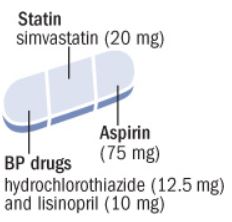 Use of polypill was effective in preventing major cardiovascular events. Medication adherence was high and adverse event numbers were low. The polypill strategy could be considered as an additional effective component in controlling cardiovascular diseases, especially in LMICs.
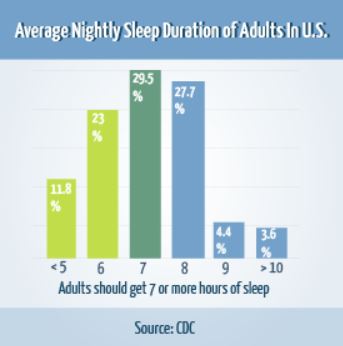 …these results indicate that sleep may play an important role in health disparities and may represent a modifiable risk factor (along with diet and physical activity) for cardiometabolic risk in general and cardiometabolic health disparities specifically.
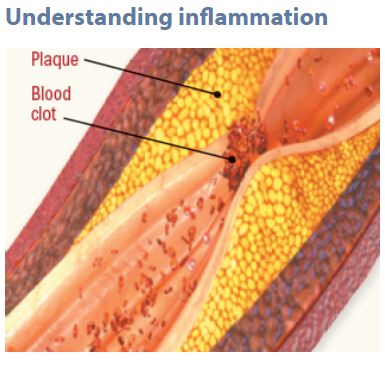 Chronic inflammation often begins with a similar cellular response but morphs into a lingering state that persists far longer. Toxins such as cigarette smoke or an excess of fat cells (especially around the belly area) can also trigger inflammation. So can the fatty plaque inside arteries, which causes inflammatory cells to cover and wall off the plaque from the flowing blood. But the plaque may rupture, mingle with blood, and form a clot. These clots are responsible for the majority of heart attacks and most strokes.
 Boomers Daily