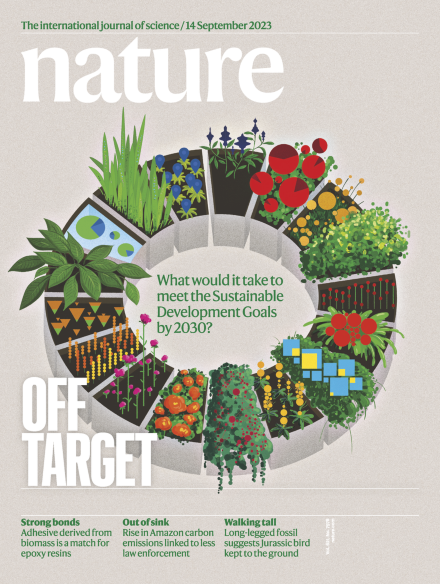
nature Magazine – September 14, 2023: In this week’s issue, 193 countries agreed to work towards 17 goals aimed at improving the lives of people around the world. From eliminating poverty and reducing hunger to tackling global warming and taking care of biodiversity, the Sustainable Development Goals have since taken their place in corporate plans and government policy.
Nature looks at the detective work required to confirm a controversial claim of finding interstellar debris.
A research team made headlines last week when it claimed to have scooped up from the sea floor fragments of a meteorite that came from beyond our Solar System1. Finding such an interstellar sample on Earth would be exciting because it might shed light on how planets and stars beyond our own form. But a number of scientists say that the evidence that the material came from another planetary system is not convincing so far.
The prized materials could be transformative for research — but only if they have other essential qualities.
The wave of excitement caused by LK-99 — the purple crystal that was going to change the world — has now died down after studies showed it wasn’t a superconductor. But a question remains: would a true room-temperature superconductor be revolutionary?
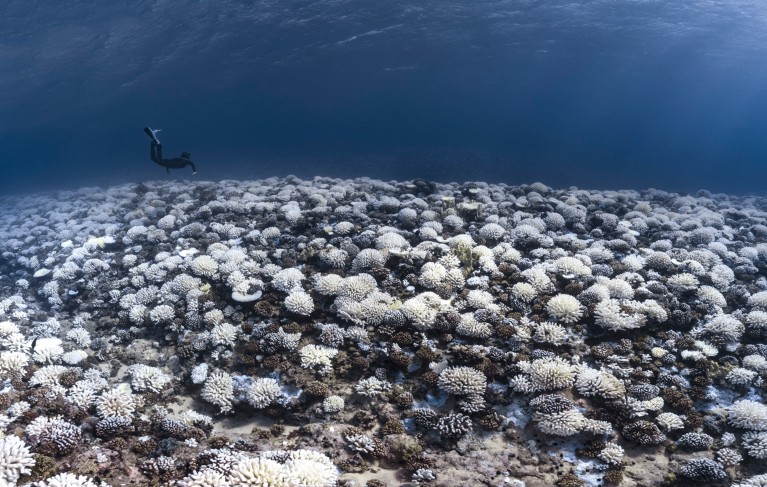
Record-high ocean temperatures, combined with a confluence of extreme climate and weather patterns, are pushing the world into uncharted waters. Researchers must help communities to plan how best to reduce the risks.
Oceans are warming up, and dangerously so. Since April this year, the average global sea surface temperature has been unusually high and rising; by August, oceans in the Northern Hemisphere had reached record-high temperatures, even surpassing 38 °C in one area around Florida.
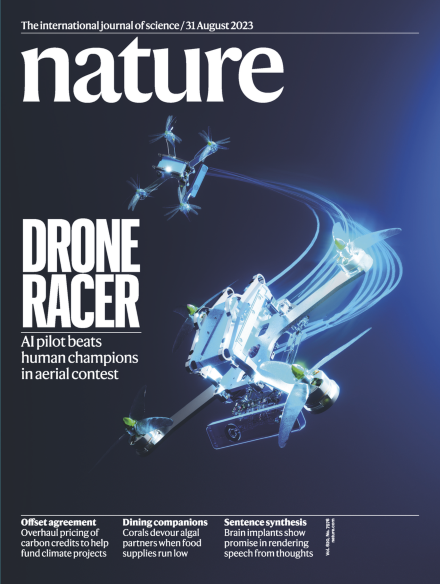
nature Magazine – August 31, 2023 issue:In this week’s issue, AI pilot beats human champions in aerial contest – Artificial intelligence has taken on and beaten human competitors in many games, including chess, StarCraft and Gran Turismo.
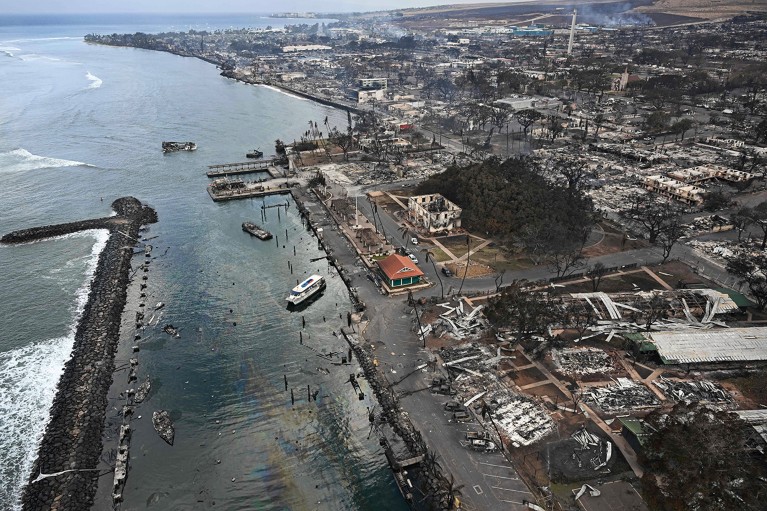
Events in Hawaii show how much we have to learn about wildfire spread — but simple research steps can help to build resilience.
Driven by drought, high winds and extreme heat, fires in recent years have caused destruction and losses on a scale bigger than anyone is used to. The average annual global cost of wildfires is around US$50 billion, the World Economic Forum said in January. And by the end of the century, climate change might make catastrophic conflagrations 50% more common, according to the United Nations Environment Programme. Given the surge in urban development in and near forested areas, something has to be done to protect communities. As Maui’s experience shows, little is in place.
World Economic Forum (August 26, 2023) – This week’s top stories of the week include:
0:15Scientists develop concrete battery – It could one day be built into the foundations of homes or incorporated into a roadway so electric cars can charge contactlessly as they drive. MIT researchers discovered a new ‘supercapacitor’ by combining cement with carbon black. A sooty residue left over when things burn, and mixing them both with water.
1:483 farmers tell how heat is affecting their crops – Experts rank the food supply crisis as one of the world’s top 5 currently manifesting risks. This German farmer has started planting lavender. It’s best suited to the sandy soils and sunshine of the Mediterranean but climate change is bringing these conditions to southern Germany. The lavender is used in cosmetics and perfumes. Matthias Tafelmeier planted his first lavender crop in 2019 after what he says was a decade of declining soil quality. Farmers in the region are also trying other crops more suited to warmer climates such as chickpeas and kidney beans.
3:25Smartwatch detects Parkinson’s 7 years early – By keeping track of our movement, they can help doctors spot who is vulnerable, years before visible symptoms show up. Cardiff University scientists looked at data from 100,000 smartwatch wearers. Tracking their speed of movement over a single week between 2013 and 2016. Using AI, the team could distinguish those who went on to develop Parkinson’s from those who didn’t and detect early signs up to 7 years in advance.
5:04Cleaning your house can help tidy your mind – “Cleaning is a great practice, which reminds you of the connection with the ground and the Earth and the universe.” To Buddhists, cleaning is not just cleaning. In Zen Buddhism, it’s known as samu, or work practice and it offers the chance to meditate and be present in the midst of daily tasks.
_____________________________________________
The World Economic Forum is the International Organization for Public-Private Cooperation. The Forum engages the foremost political, business, cultural and other leaders of society to shape global, regional and industry agendas. We believe that progress happens by bringing together people from all walks of life who have the drive and the influence to make positive change.
In a rapidly urbanizing world, what happens in cities matters — and sustainability success stories show what can be achieved when researchers and policymakers work together.
More than half of the world’s population lives in cities, and that proportion is set to grow. By 2050, another two billion people will be urban dwellers, the United Nations estimates. Cities lie at the nexus of all aspects of human development, from building thriving economies to coping with climate change.
The planet has warmed 1.2 ºC on average, but that’s enough to produce big extremes.
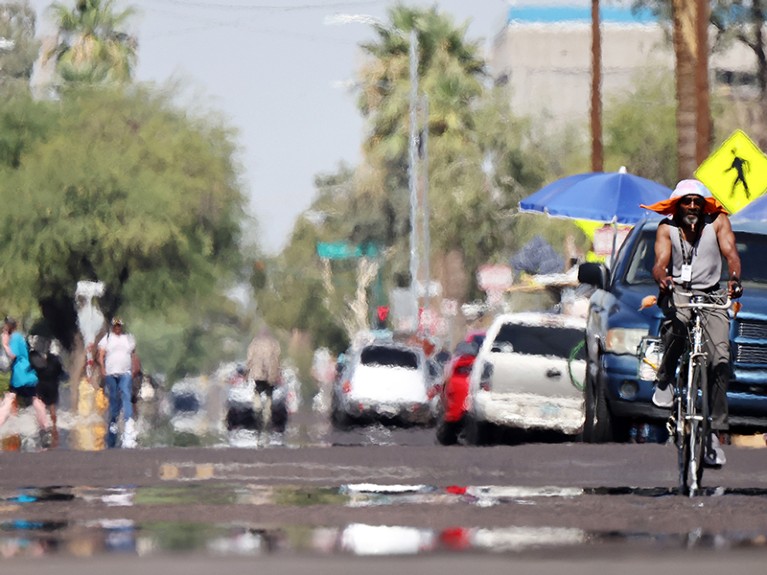
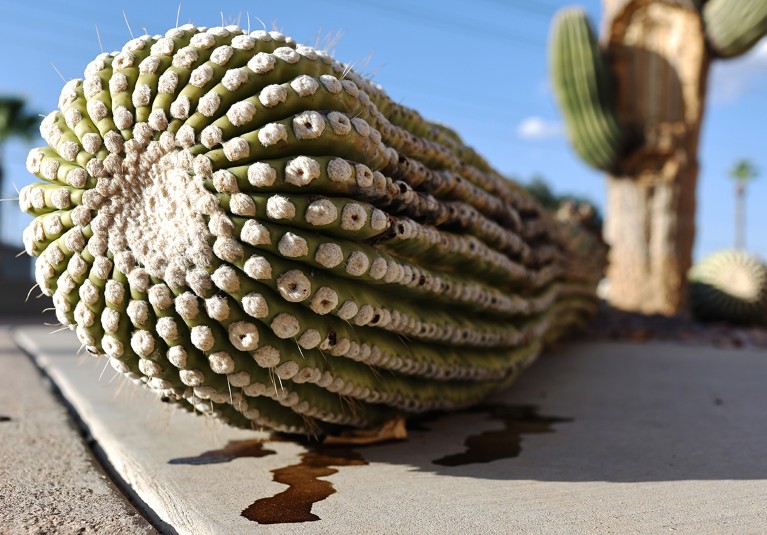
From wilting saguaros in Arizona and hot-tub-like temperatures off the coast of Florida to increased heat-related hospitalizations in Europe and agricultural losses in China, last month felt unusually hot. It was: several teams have now confirmed that July 2023 was the hottest month in recorded history. And there’s more to come.
July is typically the hottest month of the year, and this July shattered records going back as far as 1850 by around 0.25 °C. Overall, the average global temperature was 1.54 °C above the preindustrial average for July, according to Berkeley Earth, a non-profit group in California that is one of several organizations tracking global warming. It’s a seemingly small increase, but what many people across the world actually experienced was a bout of long and often brutal heat waves.
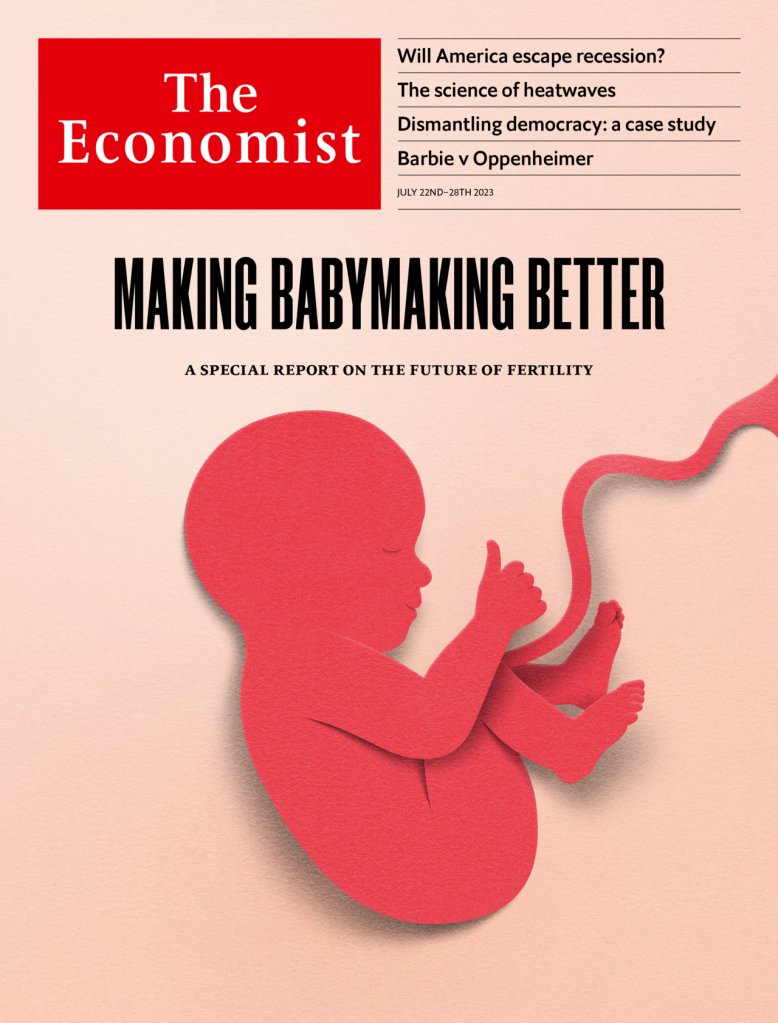
The Economist Magazine- July 22, 2023 issue: Making babymaking better – A special report on the future of fertility; How Cities can respond to Extreme Heat; The World Economy is still in danger, and more…
After louise brown was born in Manchester in July 1978, her parents’ neighbours were surprised to see that the world’s first “test-tube baby” was “normal”: two eyes, ten fingers, ten toes. In the 45 years since, in vitro fertilisation has become the main treatment for infertility around the world. At least 12m people have been conceived in glassware. An ivf baby takes its first gulp of air roughly every 45 seconds. ivf babies are just as healthy and unremarkable as any others. Yet to their parents, most of whom struggle with infertility for months or years, they are nothing short of miraculous.
Officials from Beijing to Phoenix are grappling with unbearable temperatures
The best thing that has happened in Phoenix, Arizona, since the beginning of July is that the electricity grid has kept functioning.
This has meant that during a record-breaking run of daily maximum temperatures above 43°C (110°F), still in progress as The Economist went to press, the houses, indoor workplaces and publicly accessible “cooling stations” in the city have been air-conditioned. There have been deaths from heat stroke and there will be more; there has been a lot of suffering; and there will have been real economic losses. But if Arizona’s grid had gone out, according to an academic quoted in “The Heat Will Kill You First”, a new book, America would have seen “the Hurricane Katrina of extreme heat”.
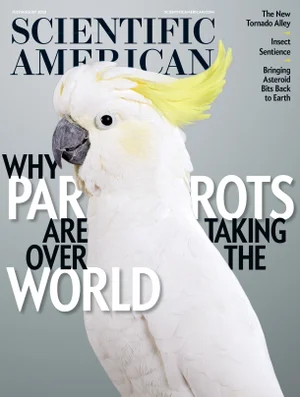
At Brooklyn’s Green-Wood Cemetery the living get as much attention as the dead. Groundskeepers maintain the 478-acre historic landmark as an arboretum and habitat for more than 200 breeding and migratory bird species. But many visiting wildlife lovers aren’t interested in those native birds. They’re at the entryway, their binoculars trained on the spire atop its Gothic Revival arches. They’ve come to see the parrots.
Exposure to extreme heat can damage the central nervous system, the brain and other vital organs, and the effects can set in with terrifying speed, resulting in heat exhaustion, heat cramps or heatstroke. It also exacerbates existing medical conditions such as hypertension and heart disease and is especially perilous for people who suffer from chronic diseases. The older population is at high risk, and children, who may not be able to regulate their body temperatures as effectively as adults in extreme conditions, are also vulnerable.














 Boomers Daily