

From a Chain Store Age online release:
 According to a recent survey of 1,000 U.S. consumers from advertising platform Criteo, 48% of millennial and Gen Z respondents use online grocery delivery services, compared to 37% of Gen X respondents and only 30% of baby boomer respondents.
Baby boomers are much less likely than younger consumers to participate in a particular omnichannel grocery activity.
Results for browsing multiple sites to read product reviews are essentially the same across generations. But Gen X consumers are much more likely to browse multiple sites if a product they want is unavailable (37%) than Gen Z/millennial (28%) or baby boomer/silent generation consumers (22%). And more than half (51%) of baby boomer/silent generation consumers will browse multiple sites for none of these reasons, compared to 27% of Gen X and 15% of Gen Z/millennial consumers.
To read more: https://chainstoreage.com/survey-boomers-dont-say-ok-grocery-service

 Pure Market is offering consumers a chance to purchase products that have already been pre-graded in an effort to provide transparency and save time. Although the service just launched, it has reviewed the chemical compositions of several thousand products, with 805 in the food category and another 125 in beverages.
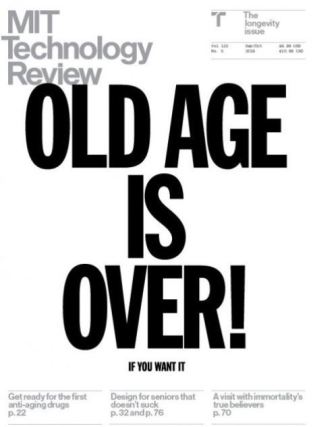 Technologists, particularly those who make consumer products, will have a strong influence over how we’ll live tomorrow. By treating older adults not as an ancillary market but as a core constituency, the tech sector can do much of the work required to redefine old age. But tech workplaces also skew infamously young. Asking young designers to merely step into the shoes of older consumers (and we at the MIT AgeLab have literally developed a physiological aging simulation suit for that purpose) is a good start, but it is not enough to give them true insight into the desires of older consumers. Luckily there’s a simpler route: hire older workers.
 Boomers Daily