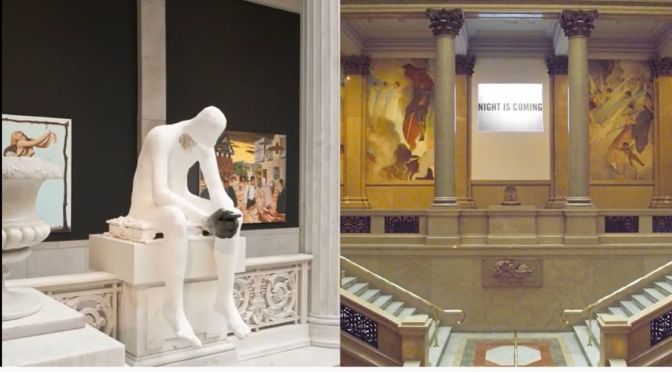
Established in 1896, the Carnegie International is the longest-running North American exhibition of international art. Organized every three to four years by Carnegie Museum of Art, the International presents an overview of how art and artists respond to the critical questions of our time.
Discover the history of this storied exhibition through archival footage and historical photographs, accompanied by the voices of curators and artists.
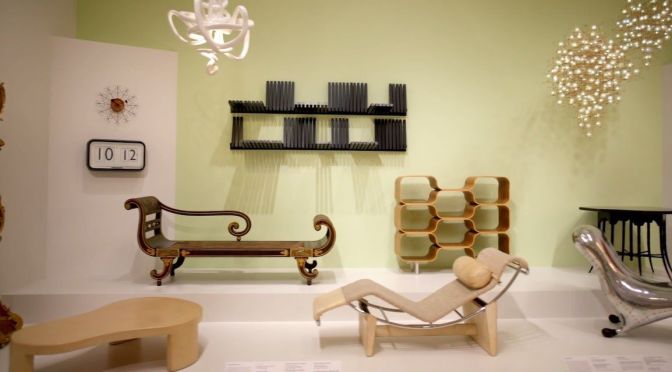
Extraordinary Ordinary Things, Carnegie Museum of Art’s latest decorative arts and design exhibition, features more than 300 objects from our expansive collection, which dates back to the founding of the museum in 1895.
In this video, the museum team takes you behind the scenes for a look at how this exhibition came to be, while sharing stories about a few of the remarkable objects in the show! Spanning some of the most significant design developments of the past three centuries, the works on view in Extraordinary Ordinary Things offer boundless inspiration and present the endless possibilities for functional design for visitors to learn about, consider, and enjoy.
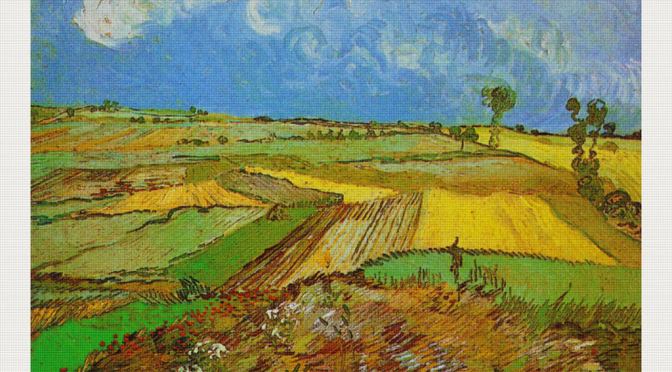
Wheat Fields after the Rain (The Plain of Auvers) – 1890
Wheat Fields is a series of dozens of paintings by Dutch Post-Impressionist artist Vincent van Gogh, borne out of his religious studies and sermons, connection to nature, appreciation of manual laborers and desire to provide a means of offering comfort to others. The wheat field works demonstrate his progression as an artist from the drab Wheat Sheaves made in 1885 in the Netherlands to the colorful and dramatic 1888–1890 paintings from Arles, Saint-Rémy and Auvers-sur-Oise in rural France.
News, Views and Reviews For The Intellectually Curious

 Boomers Daily