


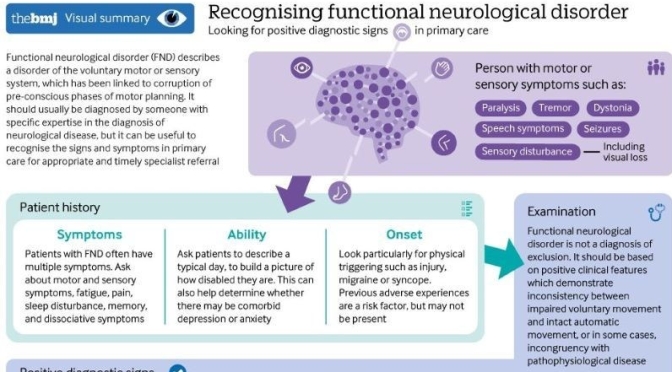
Functional disorders are conditions whose origin arises primarily from a disorder of nervous system functioning rather than clearly identifiable pathophysiological disease—such as irritable bowel syndrome, fibromyalgia, and functional neurological disorder (FND)—they are the second commonest reason for new neurology consultations.1 FND is common in emergency settings,2 stroke,3 and rehabilitation services.4 It causes considerable physical disability and distress, and often places an economic burden both on patients and health services.5 Many clinicians have had little formal clinical education on the assessment and management of these disorders, and patients are often not offered potentially effective treatments.
From a British Medical Journal (BMJ) online article:
 …primary care providers (general practice, paediatrics, and internal medicine) performed the best, giving a considerably lower percentage of antibiotic prescriptions without a documented indication (12%) than other specialists such as gynaecologists and urologists, who commonly prescribed antibiotics (24%), as well as those in all other specialties (29%).
As many as two in five antibiotic prescriptions (43%) provided in outpatient settings in the US could be inappropriate, a study published by The BMJ has found.1
Researchers from Oregon, USA, looked at prescriptions in ambulatory settings such as primary care and found that a quarter (25%) were deemed to be inappropriate, while a further 18% did not have an indication.
To read more: https://www.bmj.com/content/367/bmj.l6961
From a British Medical Journal (BMJ) online release:
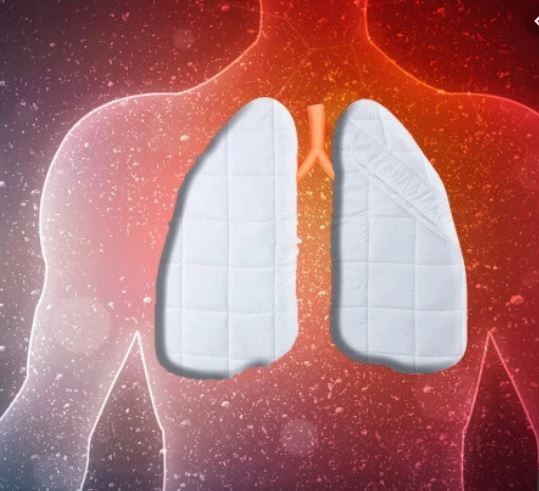 Although he had no pet birds, on closer questioning he had recently acquired a duvet and pillows containing feathers. His symptoms, chest radiograph and lung function tests improved after removal of all feather bedding, and he was also started on oral corticosteroid therapy. Our case reinforces the importance of taking a meticulous exposure history and asking about domestic bedding in patients with unexplained breathlessness. Prompt recognition and cessation of antigen exposure may prevent the development of irreversible lung fibrosis.
A 43-year-old non-smoker was referred with a 3-month history of malaise, fatigue and breathlessness. Blood avian precipitins were strongly positive. Lung function testing confirmed a restrictive pattern with impaired gas transfer. A ‘ground glass’ mosaic pattern was seen on CT imaging, suggestive of hypersensitivity pneumonitis.
Feather duvet lung (FDL), is an immunologically mediated form of hypersensitivity pneumonitis (HP), also sometimes called extrinsic allergic alveolitis. FDL is caused by inhalation of organic dust from duck or goose feathers found in duvets and pillows. Antigen inhalation triggers an immunological cascade, resulting in lung parenchymal inflammation. Repeated exposure may result in irreversible lung fibrosis.
To read more: https://casereports.bmj.com/content/12/11/e231237


 Boomers Daily