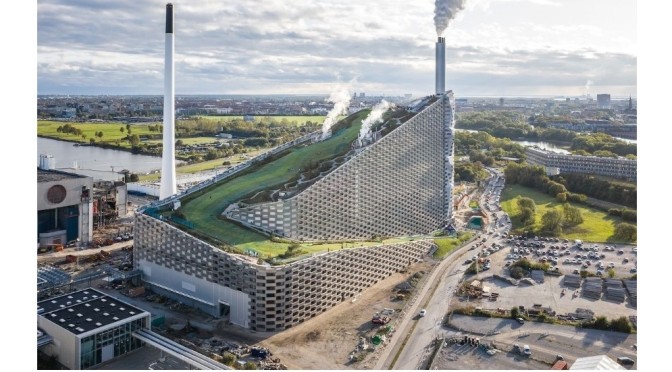
Architectural Digest (March 9, 2023) – Today Architectural Digest visits Copenhagen, Denmark to tour CopenHill — an innovative, climate-positive waste-to-energy plant towering above the city’s downtown that doubles as an urban ski slope.
Produced by Architectural Digest in association with BBC Studios Natural History Unit & Moondance Foundation. #OurFrozenPlanet brings you urgent stories about the effects of climate change around the globe, and accounts of the people dedicated to championing positive change to protect the future of our planet.
BiodiverCity is conceived as an Urban Mosaic of three diverse islands, and a set of urban design guidelines for mixing programs, addressing pedestrian and mobility networks, building sustainably and harvesting resources. The three islands bring together mixed-use districts, establishing habitat connectivity and supporting edge ecologies in reserves, parks, corridors and urban plazas.
The Channels, BiodiverCity’s first island, is constructed in three complementary phases: in Phase 1, Active Destinations include a wave pool and technology park; in Phase 2, a Civic Heart establishes governance and research institutions in the area; and in Phase 3, a Cultural Coast builds upon the heritage and vibrant creative energy of Penang’s George Town to create a regional and international draw.
As the heart of the district, the Channels’ 500-acre digital park includes spaces for research, development and local business opportunities. The Mangroves, BiodiverCity’s second and central island dedicated to businesses, is organized around a network of sheltered urban wetlands, creating suitable environments for its namesake Mangrove forests—an important natural infrastructure that doubles as effective powerhouses for sequestering more than four times as much carbon as a typical forest.
At the center of the Mangroves, the Bamboo Beacon hosts meetings, conferences and major events—broadcasting the knowledge developed in BiodiverCity out to the world. The buildings in BiodiverCity will be designed to perform efficiently and will to a large extent be constructed by low-carbon materials such as bamboo and Malaysian timber in combination with green concrete, a sustainable alternative comprised of industrial waste and recycled materials. By encouraging green roofs, facades, public and private open spaces, the islands can form a nearly continuous habitat mosaic feeding back into the forests, beaches, riparian zones and estuaries at the island’s edges.
The Laguna, BiodiverCity’s westernmost island, is an oasis for ecological living, organized around a central marina. Eight smaller islands form a miniature archipelago, where floating, stilted and terraced housing takes advantage of the natural setting of Tanjung Gertak Sanggul.
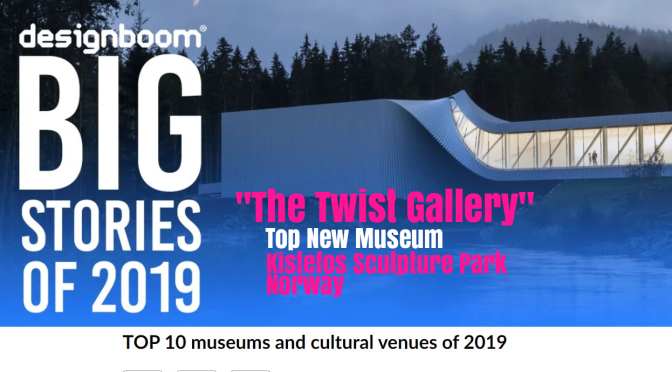
spanning the winding randselva river, a unique new building connects two forested riverbanks at kistefos — northern europe’s largest sculpture park. part museum, part bridge, and part sculpture, ‘the twist’ has been designed by bjarke ingels group (BIG) and represents the firm’s first project in norway. dramatically torqued at its center, the structure not only allows visitors to cross from one riverbank to the other, but is also capable of hosting an international program of contemporary art exhibitions.



 Boomers Daily