
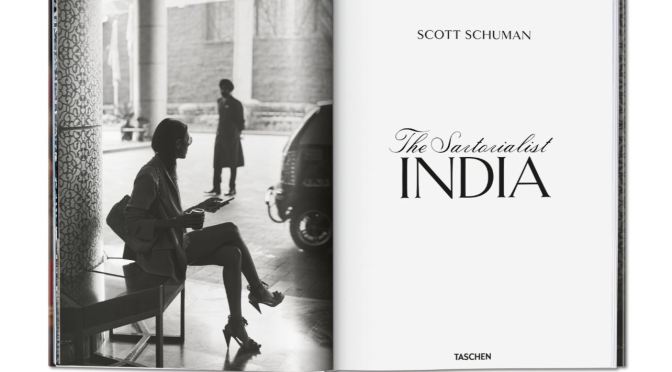
From an Architectural Digest online interview:
 I wanted this book to be a bit different. It’s not an encyclopaedia of India, but I really tried to go to a lot of different places and photograph whatever I saw that I thought seemed really visually intriguing. I went to music festivals, sporting events, wrestling…and there’s cricket and horse racing in this book too. There’s fashion week, and then small villages in Odisha. As a photographer, if you’re picky like I am, I didn’t want to just include say, a horse racing photograph, but I wanted to put myself in that position, and if I came up with something good, that would be great. I just wanted to try and put myself in a lot of different positions to see different elements of India.
Scott Schuman has been travelling to India for the better part of a decade. For his acclaimed fashion blog, The Sartorialist, Scott has photographed the eye-catching, sometimes strange, effortless whimsy of street fashion all around the world, and India has made a significant appearance too. Now, Scott is releasing a book of photographs specifically dedicated to the country—The Sartorialist: India, published by Taschen. Scott speaks to AD India about his travels to the country, his quest for the cool kids, and what still surprises him about Indian fashion.
To read more: https://www.architecturaldigest.in/content/the-sartorialist-in-conversation/#s-cust0

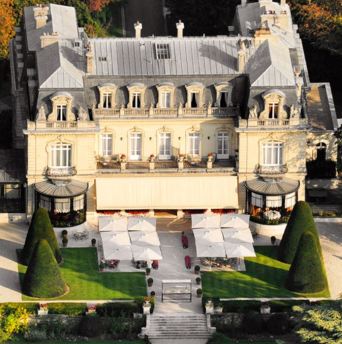 Champagne is a lot bigger than it seems. Vineyards can be up to an hour away from each other depending on traffic, so it’s best to pick a home base in the heart of the region. The luxurious Domaine
  Champagne is one of those places in the world that there’s truly no bad season to visit. Yet, before you let the bubbles get to your head, remember to plan everything in-advance as many vineyards are small, independently owned, and can’t always accommodate walk-ins. The place is also very spread out, so you should consider renting a car or hiring a driver if you’re booking several tastings. Luckily, getting to Champagne is easy, as it’s only a two-hour train ride from Paris. In fact, some travelers even opt to
 As a natural paradise rooted in sustainable luxury, only 5 percent of the island is developed, with the rest kept as a nature reserve. “It’s 400 acres of unspoiled jungle, lagoons, mangroves, and beaches that create intimate connections between the land and the traveler,” notes Benjamin Loomis, the architect and developer behind Isla Palenque Resort. From the people to the food to the design materials, everything is sourced locally (most even coming directly from the property).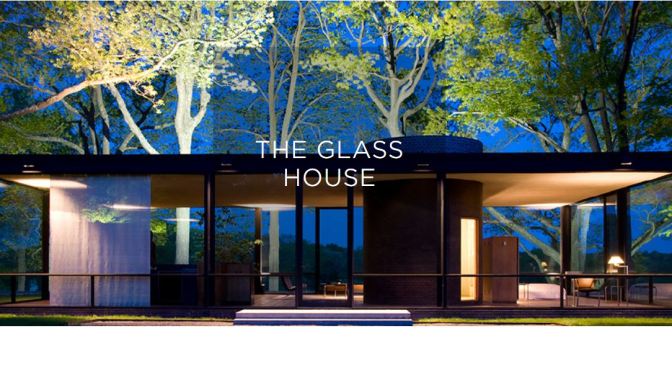
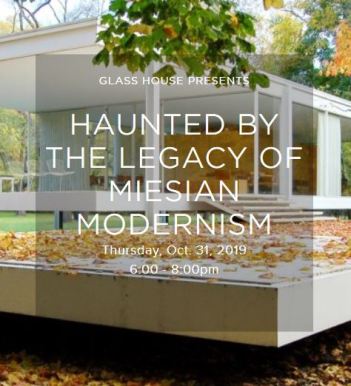 The Glass House, designed by architect Philip Johnson in 1949, when floor-to-ceiling windows were a novelty even in office buildings, is a work of art in itself. But there’s much more art to be found on the lush grounds of this famous home in New Canaan, Connecticut. Amble on over to the Painting Gallery, which houses large-scale works by Frank Stella, Andy Warhol, Robert Rauschenberg, and Cindy Sherman, among others, or the Sculpture Gallery, featuring works by such artists as Michael Heizer, George Segal, Frank Stella, and Bruce Nauman.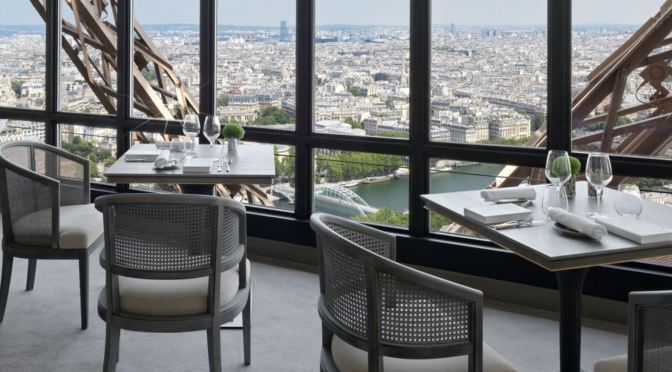
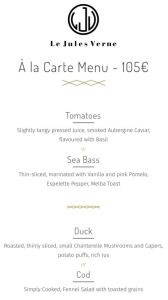 Eating well on the Dame de Fer, a.k.a. the Iron Lady or Eiffel Tower, is tradition. When it first opened in 1889, there were already four restaurants on the first floor, tucked away in wooden pavilions. And to celebrate the landmark’s 130th birthday this year, three-Michelin-starred chef Frédéric Anton (of Le Pré Catelan in the Bois de Boulogne) will take the helm of the City of Light’s highest gastronomic destination, soaring 410 feet above the city.
 Boomers Daily